
Traditional vs Modern House in Japan: Lifestyle Comparison

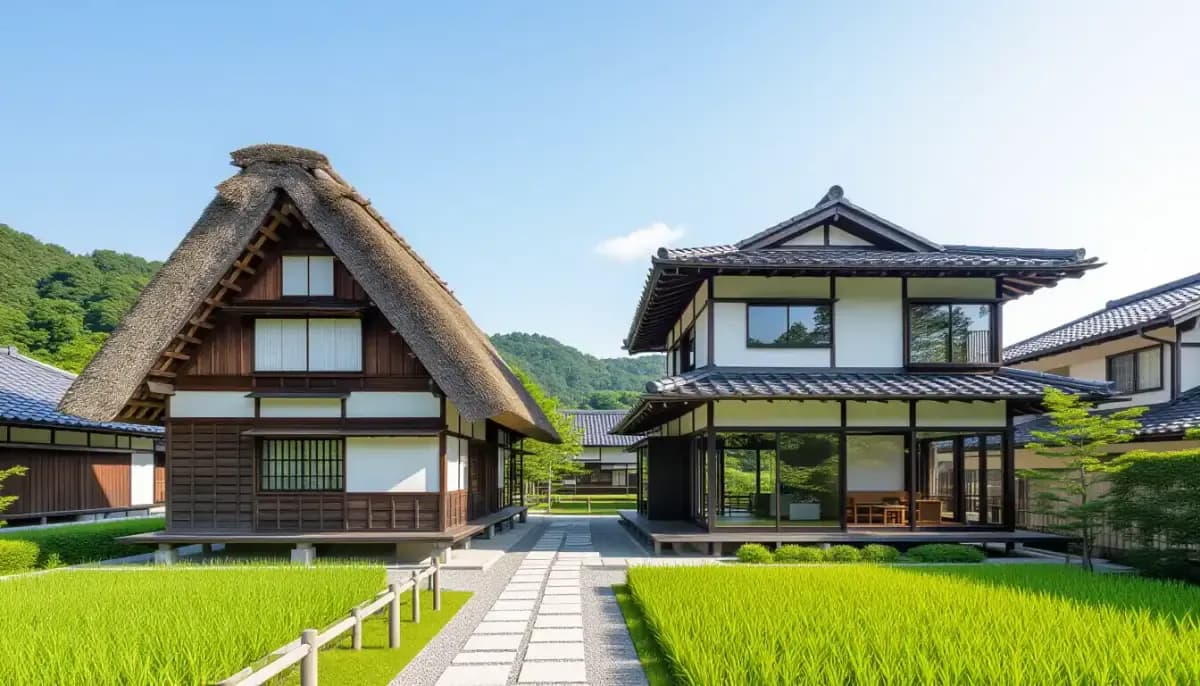
Compare traditional Japanese houses (kominka, machiya) vs modern homes for foreign buyers. Costs, comfort, cultural experience, and practical buying advice for expats in Japan.
Traditional vs Modern House in Japan: Lifestyle Comparison for Foreign Buyers
Choosing between a traditional and modern home in Japan is one of the most meaningful decisions a foreign buyer or renter will face. The two housing types offer vastly different lifestyles, maintenance demands, costs, and cultural experiences. Whether you are drawn to the weathered wooden beams of a century-old kominka in rural Gifu or the sleek open-plan living of a new mansion in central Tokyo, understanding the practical differences will help you make a confident choice.
This guide compares traditional and modern Japanese houses across every dimension that matters: design philosophy, cost, comfort, lifestyle, and long-term practicality for foreigners living in Japan.
What Counts as a "Traditional" Japanese House?
Traditional Japanese residential architecture spans several distinct building types, each rooted in a specific era and regional context.
Kominka (古民家) are rural folk houses, typically at least 100 years old, built with heavy exposed timber frames, earthen walls, and thatched or clay-tile roofs. They were designed for farming families, featuring large irori (sunken hearths) at the center of the main room and expansive tatami floors. Many kominka sit on generous plots of land in the Japanese countryside.
Machiya (町家) are the urban counterpart: traditional wooden townhouses found mainly in Kyoto, Kanazawa, and other historic cities. They follow a distinctive "eel's bed" (unagi no nedoko) layout—narrow at the street front but extending deep into the lot—with an inner garden (tsuboniwa) bringing light and air into the middle of the building. Machiya historically combined a shop at the front with living quarters behind.
Minka (民家) is the broader category of traditional folk houses, encompassing both rural farmhouses and townhouses. The term is sometimes used interchangeably with kominka.
All three types share core design features: sliding fusuma and shoji doors that redefine room boundaries, tatami mat flooring, genkan entryways where shoes are removed, and a fundamental flexibility that allows any room to function as a bedroom, living room, or dining space depending on need.
For a deeper introduction to kominka and machiya as purchase options for foreigners, see our guide: Traditional Japanese Houses (Kominka and Machiya) for Foreign Buyers.
What Defines a "Modern" Japanese House?
Modern Japanese residential buildings are typically divided into two categories:
Mansion (マンション) refers to a condominium apartment in a reinforced concrete building. Despite the English word "mansion" suggesting luxury, in Japan it simply means a multi-unit apartment. Modern mansions feature fixed-function rooms, an LDK (Living-Dining-Kitchen) open plan, Western-style flooring, central heating and cooling, and efficient built-in storage. They dominate urban housing in Tokyo, Osaka, Nagoya, and other major cities.
Ikkodate (一戸建て) is the modern detached single-family house. Often built on smaller urban plots, they typically rise two to three floors to maximize floor area. Modern ikkodate combine Western construction methods with some Japanese elements—a genkan entryway, perhaps a single tatami room (washitsu)—while the rest of the home follows contemporary layout conventions.
New construction in Japan must comply with stringent earthquake-resistant building codes introduced in 1981 and further updated in 2000. Modern homes also increasingly feature energy-efficient heat pump systems, underfloor heating, double-glazed windows, and solar panels.
For a full breakdown of purchasing a modern detached home, see: Buying a Detached House (Ikkodate) in Japan as a Foreigner.
Design Philosophy: Space, Flow, and Flexibility
The most fundamental difference between traditional and modern Japanese homes lies in how space is conceived and used.
Traditional homes operate on a principle of flexible multi-use rooms. Walls are replaced by sliding fusuma (opaque wooden-framed panels) and shoji (translucent paper screens). Any room can become a bedroom at night (futons are laid on the tatami and stored in oshiire closets during the day) and a gathering space during the day. The home flows horizontally, often along an engawa (veranda) that mediates between interior and garden.
Modern homes, by contrast, organize space around fixed-function rooms connected by hallways. The bedroom is always a bedroom. The kitchen is always a kitchen. Rooms are separated by permanent walls, and vertical circulation via staircases replaces the horizontal flow of traditional architecture.
| Feature | Traditional House | Modern House |
|---|---|---|
| Room boundaries | Sliding fusuma/shoji, flexible | Permanent walls, fixed function |
| Floor material | Tatami mats | Western flooring, occasional tatami room |
| Ceiling height | ~220 cm (traditional) | 240+ cm (modern standard) |
| Layout direction | Horizontal, along engawa | Vertical, 2-3 floors |
| Kitchen style | Integrated with main space or separate doma | LDK open plan |
| Storage | Oshiire futon closets | Built-in Western wardrobes |
| Bathroom | Separate bath, toilet, and sink | Consolidated wet room or unit bath |
| Natural light | Through shoji, inner garden (machiya) | Large windows, south-facing orientation |
| Heating/Cooling | None built-in (requires retrofit) | Central AC, underfloor heating |
| Earthquake standard | Pre-1981 (may need reinforcement) | Post-1981/2000 codes |
Traditional ceiling heights averaged approximately 220 cm, designed around a seated tatami lifestyle. Modern Japanese standard is 240 cm, while US homes average 243–274 cm. Foreign buyers who are taller may find traditional interiors feel lower, particularly under heavy beams.
Cost Comparison: Purchase Price and Ongoing Expenses
The price gap between traditional and modern properties in Japan is significant, but it does not tell the whole story. Traditional homes often require substantial renovation investment that can exceed the purchase price.
Purchase prices: Kominka in rural areas frequently start around ¥5–15 million, compared to ¥25–50 million for a new ikkodate in a provincial city or ¥50–100 million+ for urban properties. Machiya in Kyoto can range from ¥20–80 million depending on size, condition, and proximity to central Kyoto.
Renovation costs: Full kominka renovation averages approximately ¥275,000 per square meter, meaning a modest 100 m² farmhouse could require ¥27.5 million in renovation investment. Structural seismic reinforcement, roof replacement, insulation installation, and utility upgrades each add significant cost.
Running costs: Traditional homes are expensive to heat and cool. Uninsulated earthen walls and gaps in old timber frames allow significant heat loss in winter and heat gain in summer. Modern homes with energy-efficient systems are far cheaper to run month to month.
Rental market: If you prefer to rent before buying, Machiya rental in Kyoto ranges roughly ¥100,000–¥300,000 per month depending on size and location. Modern apartments in comparable Kyoto neighborhoods typically run ¥60,000–¥150,000 per month.
Japan currently has approximately 8.49–9 million vacant homes, representing 13.6–13.8% of all housing stock, with around 44,000 new akiya (vacant homes) added each year. Projections suggest 21.5 million akiya by 2033. This oversupply keeps traditional home prices low—but also signals the maintenance challenges that have caused owners to abandon these properties in the first place.
For a comprehensive look at akiya specifically, see: Akiya (Vacant and Abandoned Houses) in Japan for Foreigners.
Comfort and Daily Life: Practical Realities
Living in a traditional Japanese house is a deeply rewarding experience, but it demands genuine adaptation from foreigners accustomed to Western housing standards.
Climate control is the biggest practical challenge. Traditional homes were designed for passive cooling in Japan's humid summers—high ceilings, cross-ventilation through shoji, and raised floors allowing air circulation beneath the structure. They were not designed for the modern expectation of year-round comfort. Winters in non-urban Japan can be brutally cold, and an uninsulated kominka without a retrofitted heating system can be genuinely miserable from December through March.
Bathroom facilities in traditional homes often separate the toilet, bathing area, and sink into distinct rooms—a configuration that feels unfamiliar to Westerners but has practical advantages (multiple people can use different facilities simultaneously). The Japanese bath (ofuro) is a deep soaking tub, and the bathing culture emphasizes relaxation over washing—you shower first, then soak in clean water. Modern homes maintain this convention but in a more compact, consolidated wet room or unit bath format.
Modern homes offer standardized comfort: central air conditioning and heating, earthquake-resistant construction, contemporary kitchens with gas or IH cooktops, automatic bathtubs that maintain water temperature, and high-tech toilets with heated seats, bidet functions, and self-cleaning capabilities. These are not luxuries in Japan—they are standard in new construction.
Living in Nihon has practical guides on daily life in Japan for foreigners. Visit Living in Nihon for more resources on navigating life in Japan.
Cultural Experience and Lifestyle Values
The choice between traditional and modern housing is ultimately a question of the lifestyle you want to lead.
Traditional home lifestyle means immersion in Japanese material culture. You wake on a futon laid over tatami, open shoji to the morning garden, and experience the seasons through a home that is intentionally permeable to the outside world. The concept of "Mottainai" (もったいない)—a Buddhist-influenced regret at waste—animates the traditional Japanese approach to domestic life: repair what can be repaired, preserve what can be preserved, and resist the impulse to simply buy new.
Foreigners living in kominka frequently report stronger connections to local communities. Neighbors who might ignore new apartment residents often engage warmly with someone restoring a historic farmhouse. Rural kominka communities face depopulation challenges and often welcome newcomers who commit to maintaining cultural heritage properties.
Modern home lifestyle prioritizes efficiency, convenience, and contemporary comfort. The LDK layout—where living, dining, and kitchen flow together—suits the way most contemporary families actually live. Built-in storage systems tackle Japan's persistent space constraints. Smart home systems, facial recognition security, and automated appliances are increasingly standard features in new construction.
For foreigners with children, school proximity, commuter rail access, and neighborhood safety data all tend to favor modern urban or suburban properties over rural traditional homes.
For Work in Japan offers practical advice on working and living in Japan: For Work in Japan.
Buying Decision Framework: Which Type Is Right for You?
Consider these questions when choosing between traditional and modern:
Choose a traditional home if:
- You value deep cultural immersion and historical authenticity
- You can manage or fund significant renovation
- You are comfortable with rural or semi-rural living
- You work remotely or have flexible location requirements
- You have a long-term commitment to Japan (10+ years)
- You find the "Mottainai" philosophy personally compelling
Choose a modern home if:
- You prioritize immediate livability and minimal maintenance
- You have children in school and need reliable urban infrastructure
- You work in a city and depend on commuter rail
- You prefer predictable costs and contemporary comfort standards
- You are new to Japan and still learning the language and systems
- You plan to rent the property when not in use (modern units are easier to rent)
Many buyers end up choosing a hybrid: a post-1980 detached home that retains Japanese architectural elements—genkan, a washitsu tatami room, a traditional ofuro bath—while meeting modern standards for insulation, seismic resistance, and energy efficiency.
For guidance on comparing new and used properties across both traditional and modern categories: New Construction vs Used Properties in Japan: Buyer's Guide.
The Akiya Opportunity for Foreign Buyers
The sheer scale of Japan's vacant property challenge has created genuine opportunities for foreign buyers. The government and many municipal authorities now actively encourage foreigners to purchase and renovate akiya, including traditional kominka and machiya.
Some municipalities offer akiya at nominal prices (¥1 or free) in exchange for renovation commitments and agreements to live in the property full-time. Renovation subsidies of ¥500,000–¥2,000,000+ are available in many rural prefectures. The national Akiya Bank (空き家バンク) system connects buyers with available properties in participating municipalities.
Fewer than 2% of Edo-era machiya still stand in Tokyo, and Kyoto prefecture recorded approximately 9,700 vacant kominka as of 2022. The window for acquiring genuinely historic properties at accessible prices is real—but so is the risk of taking on a property with structural, electrical, or environmental challenges that exceed the renovation budget.
Gaijin Buy House provides guidance specifically for foreigners purchasing traditional and akiya properties in Japan: Gaijin Buy House.
Getting Professional Support
Whether you choose traditional or modern, working with real estate professionals who understand the foreign buyer experience is essential. Traditional properties in particular often require:
- Bilingual real estate agents with experience in kominka transactions
- Structural engineers who can assess pre-1981 buildings
- Contractors experienced in traditional Japanese building methods
- Municipal contacts for akiya bank programs and renovation subsidies
- Legal professionals for navigating property purchase documentation
For guidance on finding the right professionals: Working with Japanese Real Estate Agents as a Foreigner.
The overall property purchase process in Japan follows specific legal and procedural steps regardless of property type. See our complete guide: Complete Guide to Buying Property in Japan as a Foreigner.
For additional research, e-housing.jp's guide to traditional housing and inakalifestyle.com's introduction to akiya and kominka provide detailed practical overviews of the kominka and machiya market.
Summary
Traditional and modern Japanese houses represent two genuinely distinct ways of living. Traditional homes offer profound cultural immersion, spacious rooms, and access to Japan's architectural heritage at surprisingly low purchase prices—offset by high renovation costs, challenging climate control, and the demands of rural or semi-urban living. Modern homes deliver standardized comfort, earthquake safety, energy efficiency, and easy integration with contemporary Japanese life—but at higher price points and without the cultural depth of historic properties.
For most first-time foreign buyers, especially those new to Japan or living in major cities, a modern home or condominium provides the most practical starting point. For those with longer-term roots in Japan, specific rural relocation goals, or a genuine commitment to architectural heritage, a traditional kominka or machiya can offer one of the most distinctive and rewarding residential experiences available anywhere in the world.

Originally from Vietnam, living in Japan for 16+ years. Graduated from Nagoya University, with 11 years of professional experience at Japanese and international companies. Sharing information about buying property in Japan for foreigners.
View Profile →Related Articles
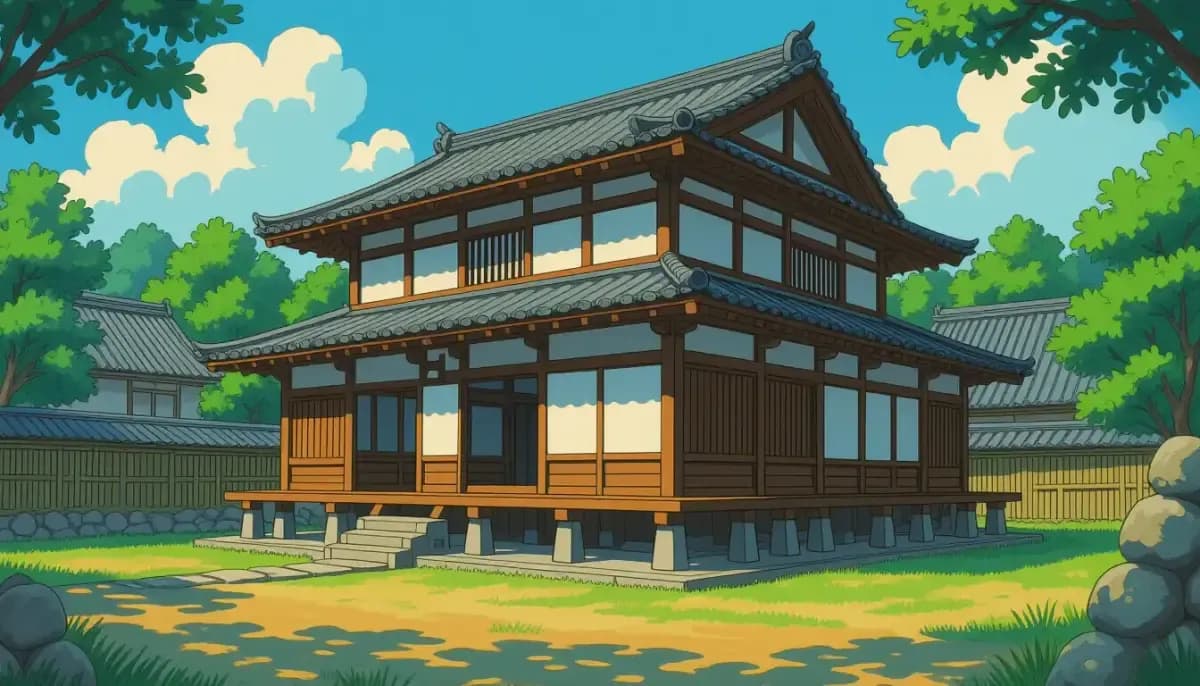
Kominka Structural Assessment and Safety Guide Before Buying
Complete guide to kominka structural assessment before buying in Japan. Covers 12-point inspection checklist, seismic safety standards, termite risks, inspection costs, and critical red flags to help foreign buyers make informed decisions.
Read more →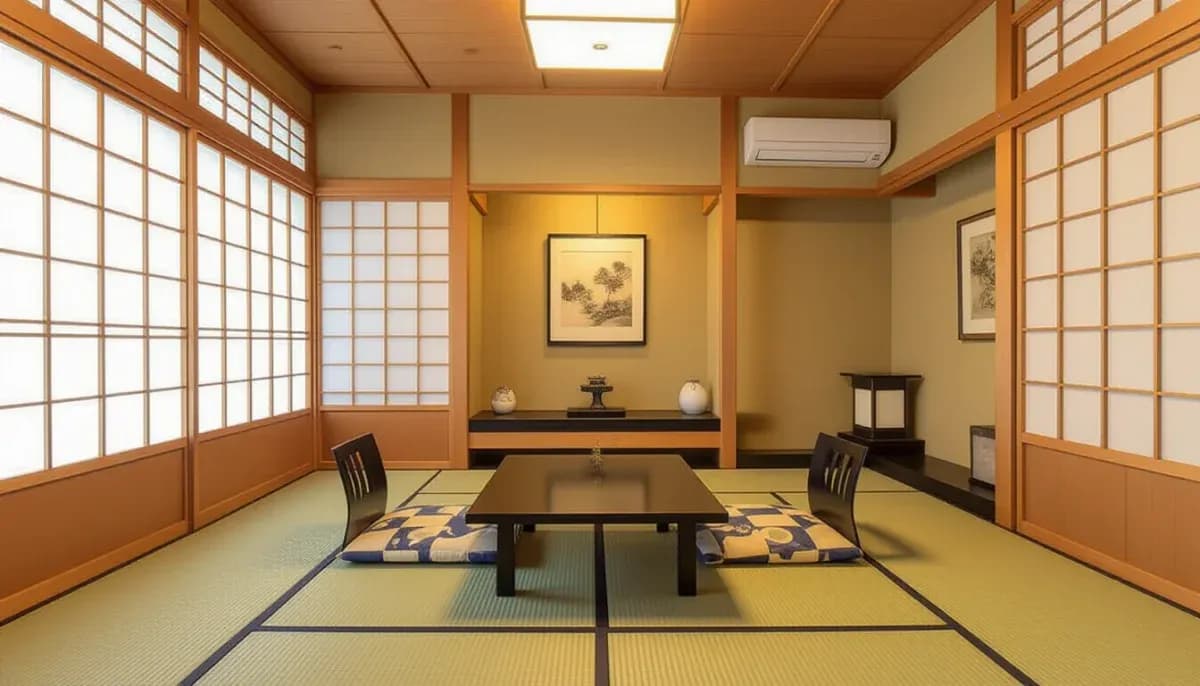
Traditional Japanese House Interior Design and Decoration Ideas
Discover traditional Japanese house interior design ideas: tatami rooms, shoji screens, tokonoma alcoves, and low furniture. A practical guide for foreigners decorating a Japanese home.
Read more →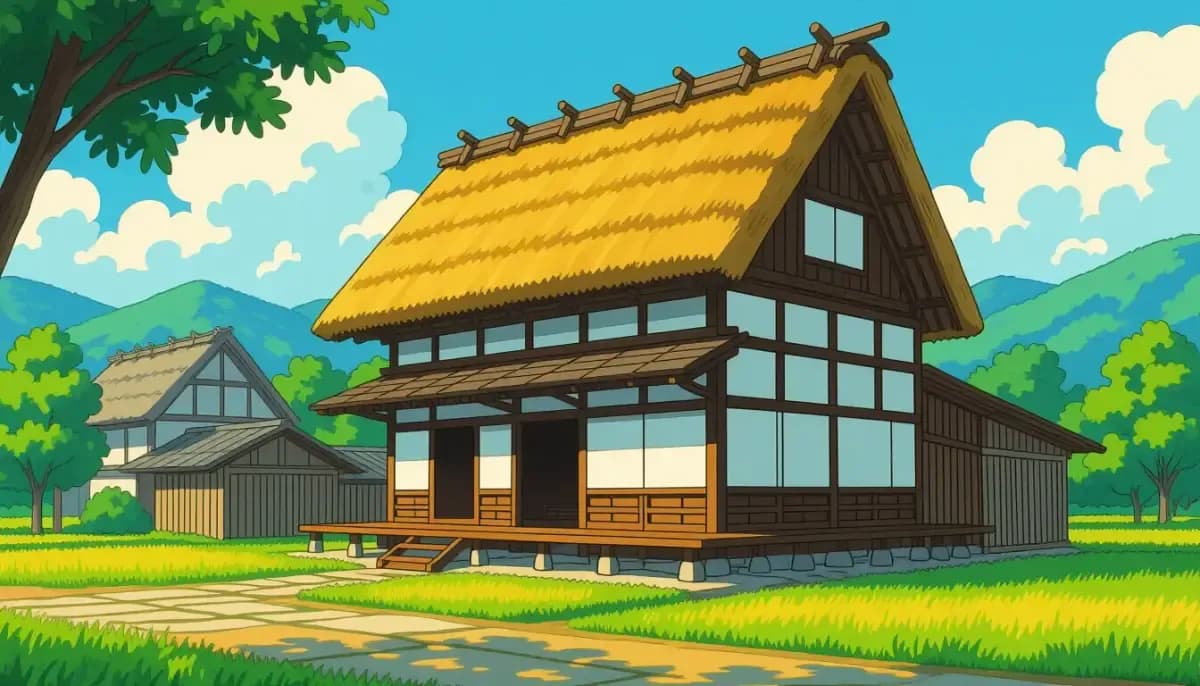
Where to Find Kominka for Sale in Japan: Resources and Platforms
Discover the best platforms and resources to find kominka for sale in Japan. From KORYOYA to akiya banks, this guide covers every tool foreigners need to buy a traditional Japanese farmhouse.
Read more →
Cultural Preservation Rules for Kominka and Machiya Owners
A complete guide to Japan's cultural preservation rules for kominka and machiya owners: designation tiers, renovation approval requirements, Kyoto's Machiya Ordinance, the 2023 Vacant Home Law, and practical steps for foreign property owners.
Read more →
Heating and Insulation Challenges in Traditional Japanese Houses
Traditional Japanese houses are notoriously cold in winter due to poor insulation and design for summer ventilation. Learn why, and how to fix it as a foreign buyer or renter with practical renovation tips and budget guides.
Read more →
Converting a Kominka into a Guesthouse Business in Japan
Complete guide to converting a traditional Japanese kominka into a profitable guesthouse business. Covers licensing, renovation costs, minpaku law, government subsidies, and business models for foreigners.
Read more →