
Traditional Japanese House Architecture and Design Explained

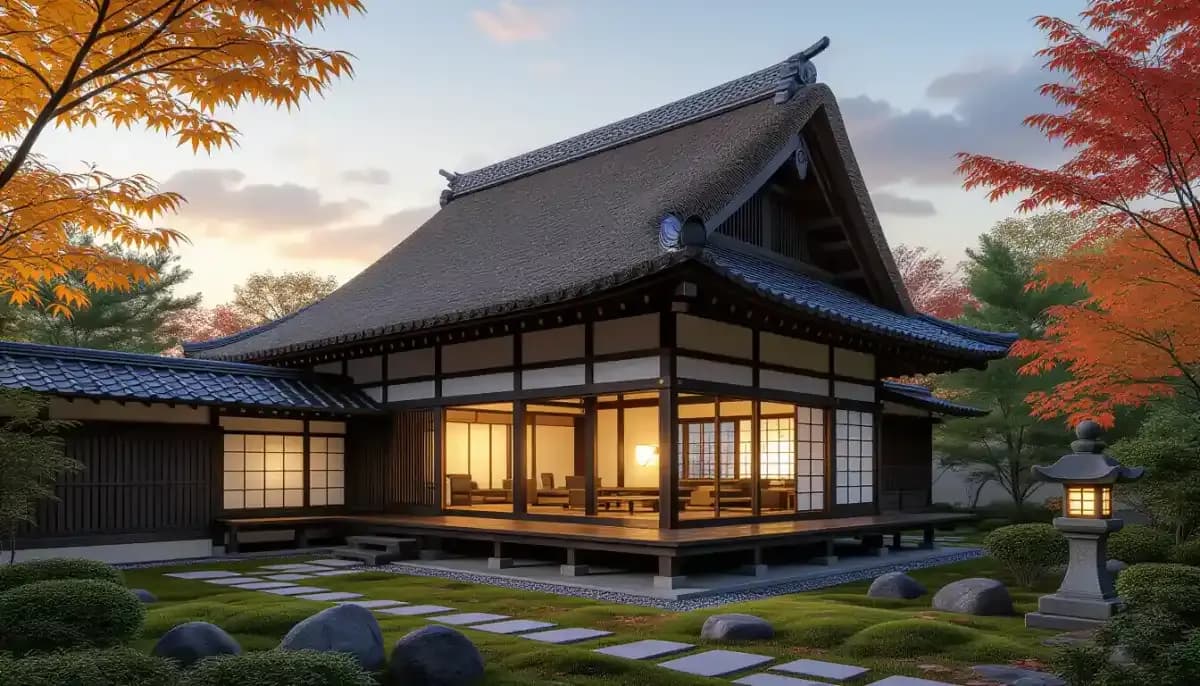
Understand traditional Japanese house architecture for foreign buyers: kominka, machiya, tatami, shoji, post-and-beam structure, costs, and what to expect when buying.
Traditional Japanese House Architecture and Design Explained
If you have ever walked down a quiet street in Kyoto, passed through a rural mountain village, or scrolled through listings of old Japanese properties, you have likely felt the pull of Japan's traditional architecture. The sweeping tiled roofs, the warm glow of paper screens at night, the smell of aged timber — these elements define a style of building that has evolved over more than a thousand years. For foreigners considering buying or renovating a traditional Japanese house, understanding the architecture and design principles is not just interesting context — it is essential practical knowledge.
This guide explains the key elements of traditional Japanese house architecture, from structural systems to interior features, and covers what buyers need to know before taking the plunge into kominka or machiya ownership.
The Philosophy Behind Traditional Japanese Architecture
Traditional Japanese residential architecture is built on a central philosophy called wa (和) — harmony. This concept extends beyond aesthetics into every construction decision: how materials are selected, how spaces relate to each other, and how a building connects with its natural surroundings. Japanese homes have historically been understood as extensions of the natural world rather than barriers against it.
This philosophy shapes several distinctive features:
- Transience and impermanence: Structures used wood, paper, and clay — materials that breathe, age gracefully, and can be repaired. The goal was never permanence in the Western stone-and-mortar sense, but rather careful stewardship.
- Seasonal adaptation: Homes were designed to be modified by season. Shoji screens could be removed for summer airflow; heavy bedding replaced lighter materials in winter.
- Indoor-outdoor continuity: The transition from outside to inside was gradual and intentional, not abrupt.
Understanding this philosophy helps explain why maintaining a traditional Japanese house requires a different mindset than a modern concrete apartment — and why so many foreign buyers fall deeply in love with the lifestyle these buildings offer.
For context on Japanese housing culture and neighbor relations that comes with owning any traditional property, see Gaijin Buy House's housing culture guide.
Structural Systems: Post-and-Beam Construction
The defining structural feature of traditional Japanese architecture is the post-and-beam system, known as kigumi (木組み). Unlike Western load-bearing wall construction, Japanese buildings rely on a framework of vertical columns (hashira) and horizontal beams (hari), with diagonal braces (sujikai) for lateral stability. The walls in a traditional Japanese house are essentially non-structural — they fill gaps between the frame rather than holding up the roof.
This has several important implications:
- Flexibility: Interior layouts can be changed without structural consequences. Rooms can be merged or divided by sliding panels.
- Earthquake resilience: The interlocking joinery system absorbs and distributes seismic energy. Traditional buildings flex rather than crack.
- Repairability: Individual elements can be replaced without affecting the overall structure.
The joinery itself is remarkable. Traditional carpenters (daiku) developed hundreds of joint types that required no nails or metal fasteners — only the precise interlocking of shaped wood. This craft knowledge was passed down through generations of apprenticeship and remains highly valued today. When evaluating a kominka for purchase, the quality of the original joinery is one of the most important structural indicators.
| Structural Element | Japanese Term | Function |
|---|---|---|
| Vertical columns | Hashira (柱) | Primary load-bearing support |
| Horizontal beams | Hari (梁) | Spanning and load distribution |
| Diagonal braces | Sujikai (筋交い) | Lateral stability, earthquake resistance |
| Roof framework | Koya-gumi (小屋組) | Supporting roof weight |
| Foundation stones | Ishigaki (石垣) | Elevating structure off ground |
Common timber species include hinoki cypress (highly prized for antimicrobial properties that improve with age) and sugi cedar (lighter, widely available). Premium kominka built with old-growth hinoki are considered architectural treasures. For a deeper look at buying these properties, see our guide to buying a kominka in Japan as a foreigner.
Key Architectural Elements of Traditional Japanese Homes
Roof Design
The roof is the most visually striking element of traditional Japanese architecture. Roofs were designed to be steep enough to shed rain and snow quickly while extending far beyond the walls to protect the structure from weathering. Several roof forms are common:
- Irimoya (寄棟): A hip-and-gable combination, the most prestigious traditional style
- Kirizuma (切妻): Simple gable roof, common in farmhouses
- Yosemune (寄棟): Full hip roof, widely used in residential buildings
Roofing materials vary by region and building type. Kawara clay roof tiles are the most common urban material and can last up to 50 years with proper maintenance. Rural farmhouses (minka) historically used thick thatched roofing (kayabuki), which required complete replacement every 30–50 years — a community effort in traditional villages. Some areas used cedar bark or stone slate depending on local materials.
Engawa: The Transitional Veranda
The engawa (縁側) is one of the most beloved features of traditional Japanese homes — a covered wooden veranda that runs along the exterior, typically facing a garden. The engawa is neither fully inside nor fully outside; it serves as a transitional space where one can sit, remove shoes, observe the garden, and enjoy seasonal breezes.
For foreign buyers, the engawa often becomes a favorite part of the home. It adds livable area in warm months, provides passive climate control by shading the interior from summer sun, and creates a psychological buffer zone between the private interior and the outer world. Maintenance requires regular refinishing of the wooden boards and protection from moisture.
Shoji and Fusuma: The Sliding Screen System
Two types of sliding panels define how space is managed in a traditional Japanese interior:
Shoji (障子) are translucent screens made from a wooden lattice frame covered with washi (traditional Japanese paper made from mulberry fibers). They allow diffused light to enter rooms while maintaining privacy. The paper can be replaced seasonally or when damaged — traditionally this was a household task done in autumn before winter.
Fusuma (襖) are opaque sliding panels covered with decorative paper or fabric. They serve as both walls and doors, dividing rooms or allowing them to be merged into one large space for gatherings or ceremonies. A traditional home might open four small rooms into one large tatami hall by removing all fusuma.
This flexible spatial system is one of the reasons traditional Japanese homes feel both intimate and expansive. It is also one of the first things foreigners need to understand — because privacy works differently here than in Western interior architecture.
Tatami: Living on the Floor
Tatami (畳) mats are rectangular floor coverings made from a rice straw core and woven rush grass (igusa) surface. They measure approximately 90 × 180 cm (roughly 3 × 6 feet), and room sizes in Japan are still typically measured in tatami units. A "6-mat room" (roku-jo) is a common compact bedroom; a "10-mat room" is a generous reception space.
Beyond aesthetics, tatami have practical functions:
- They naturally regulate humidity by absorbing and releasing moisture
- The igusa surface provides cushioning and dampens sound
- They have a distinctive fresh grassy scent when new
Tatami require regular professional cleaning every 2–3 years and full replacement every 10–15 years depending on wear. When buying a traditional home, assess the condition of existing tatami carefully — replacement costs add up quickly in a large house.
For ideas on how to incorporate traditional elements like tatami into a renovated space, see our article on traditional Japanese house interior design ideas.
Kominka vs. Machiya: Two Major Traditions
Traditional Japanese residential architecture divides broadly into two major building types that foreign buyers are most likely to encounter:
| Feature | Kominka (古民家) | Machiya (町家) |
|---|---|---|
| Setting | Rural / agricultural | Urban / semi-urban |
| Origin period | Primarily Edo period onwards | Heian period (794 AD) onwards |
| Layout | Open plan with central hearth (irori) | Narrow frontage, deep layout ("eel's bed") |
| Roof type | Thatched (kayabuki) or heavy tile | Clay tile, lower pitch |
| Key feature | Large earthen floor (doma), exposed beams | Interior courtyard (tsuboniwa), merchant shop front |
| Typical price | ¥500,000 – ¥5,000,000 | ¥10,000,000 – ¥50,000,000+ |
| Main cities | Entire rural Japan | Kyoto, Osaka, historic towns |
Kominka (古民家) are traditional farmhouses, typically over 100 years old, found throughout rural Japan. They were built by master craftsmen using high-quality local timber and designed to house multigenerational farming families. The central feature is often the irori — a sunken hearth in the earthen-floor doma that served for cooking, heating, and gathering. The smoke from the irori also preserved the thatched roof above by keeping insects and moisture away.
Machiya (町家) are traditional urban townhouses with a history stretching back to the Heian Period. Their famous "eel's bed" (unagi no nedoko) shape — very narrow street frontage but extending far back into the block — developed because Edo-period urban taxes were assessed based on street frontage width. Machiya typically incorporated a small interior courtyard (tsuboniwa) that provided light and ventilation deep into the narrow floorplan. Kyoto alone has approximately 40,000 surviving machiya, though around 800 are demolished annually.
For a complete deep-dive into machiya specifically, see our Kyoto machiya buying guide for foreigners. To understand kominka in detail, see our guide on what is a kominka.
Regional Variations in Traditional Architecture
Japan's climate varies dramatically from north to south, and traditional architecture adapted accordingly:
Northern Japan (Tohoku, Hokkaido): Steep roofs designed to shed heavy snowfall. Extra insulation from thick thatching or layered tile. Houses built lower to the ground to reduce wind exposure. Some designs incorporated connected barns and storage to minimize outdoor movement in winter.
Central Honshu (Shirakawa-go, Gokayama): The famous gassho-zukuri (合掌造り) thatched farmhouses, with extremely steep roofs (up to 60 degrees) designed for both snow shedding and upper-floor silkworm cultivation. These UNESCO World Heritage villages are living examples of vernacular architecture adapted to extreme alpine conditions.
Kyoto and Kansai: Refined urban machiya with sophisticated joinery and garden design. Merchant-class aesthetics visible in decorative latticework (koshi), subtle facade treatments, and interior craftsmanship.
Southern Japan (Kyushu, Okinawa): Okinawan architecture differs markedly, with red tile roofs, thick stone walls, and elevated structures designed for typhoon resistance. Kyushu farmhouses feature high ceilings and cross-ventilation optimized for summer heat and humidity.
Understanding your property's regional style helps set realistic expectations for renovation, maintenance costs, and authentic restoration approaches. See our guides to buying property in Hokkaido and Kyushu rural property for region-specific guidance.
What Foreign Buyers Need to Know
Maintenance Realities
Traditional Japanese houses are beautiful, but they require more active maintenance than modern buildings. Key ongoing costs include:
- Tatami: Professional cleaning every 2–3 years; replacement every 10–15 years
- Shoji paper: Replacement annually or as damaged
- Roof tiles: Inspection every 5–10 years; individual tile replacement as needed
- Plaster walls: Major refinishing every 10–20 years
- Engawa wood: Annual oil or lacquer treatment for exterior boards
Traditional construction costs 20–40% more than modern homes to build, and renovation of structural elements can be 100–200% more expensive than equivalent modern work. Budget carefully before purchasing. Our renovation costs guide for used properties in Japan gives detailed estimates.
Insulation and Heating Challenges
One of the biggest adjustments for foreign buyers is the thermal performance of traditional buildings. Designed for natural ventilation in warm, humid summers, they can be bitterly cold in winter. Paper screens and sliding panels provide almost no insulation. Winters in many traditional homes are managed through:
- Kotatsu heated tables
- Kerosene or gas space heaters
- Layered clothing and heavy bedding
Modern renovation can address this with secondary glazing, underfloor heating, and wall insulation — but it must be done carefully to avoid moisture damage to historic materials. See our dedicated article on heating and insulation challenges in traditional Japanese houses for more.
Legal and Preservation Considerations
Some traditional properties — particularly machiya in Kyoto and buildings in designated scenic districts — fall under cultural preservation rules that restrict exterior modifications. Before buying, confirm whether the property has any designation that limits renovation freedom. Our article on cultural preservation rules for kominka and machiya owners covers this in detail.
Foreigners can freely purchase traditional properties in Japan with no nationality restrictions, though securing a mortgage without permanent residency remains challenging. For the full legal picture, see our guides at Living in Nihon and For Work in Japan for related visa and residency context. The complete guide to buying property in Japan as a foreigner covers the purchase process step by step.
The Akiya Opportunity
Japan had over 8 million vacant houses (akiya) as of 2018, many of them traditional structures in rural areas available at very low prices. Rural kominka frequently list for ¥500,000 to ¥5,000,000 (roughly $3,500 to $35,000 USD), making them accessible entry points into Japanese property ownership. However, renovation costs can far exceed purchase price. See our complete guide to akiya for foreign buyers for how to navigate this market.
For a comprehensive look at valuing renovation potential before purchase, see Heritage Homes Japan's guide to traditional Japanese property types and Eaves Japan's overview of kominka.
Is a Traditional Japanese House Right for You?
Traditional Japanese houses offer something increasingly rare: an authentic connection to centuries of craftsmanship, a living space that breathes and evolves with the seasons, and an architectural experience that cannot be replicated in any modern building. For the right buyer — patient, curious, willing to invest in learning the maintenance culture — they represent one of the most rewarding property investments in Japan.
For the unprepared, however, they can be expensive and difficult surprises. The gap between the romantic image and the practical reality of drafty winters, high renovation costs, and complex maintenance schedules catches some buyers off guard.
The key is education. Understanding the architecture — what makes these buildings exceptional and what makes them demanding — is the foundation of a successful purchase. With the knowledge in this guide, you are better prepared to evaluate any traditional property you encounter and to ask the right questions before signing.
To compare traditional and modern lifestyle choices, see our article on traditional vs modern house in Japan. And when you are ready to start searching, our guide on where to find kominka for sale lists the best platforms and resources available to foreign buyers.

Originally from Vietnam, living in Japan for 16+ years. Graduated from Nagoya University, with 11 years of professional experience at Japanese and international companies. Sharing information about buying property in Japan for foreigners.
View Profile →Related Articles
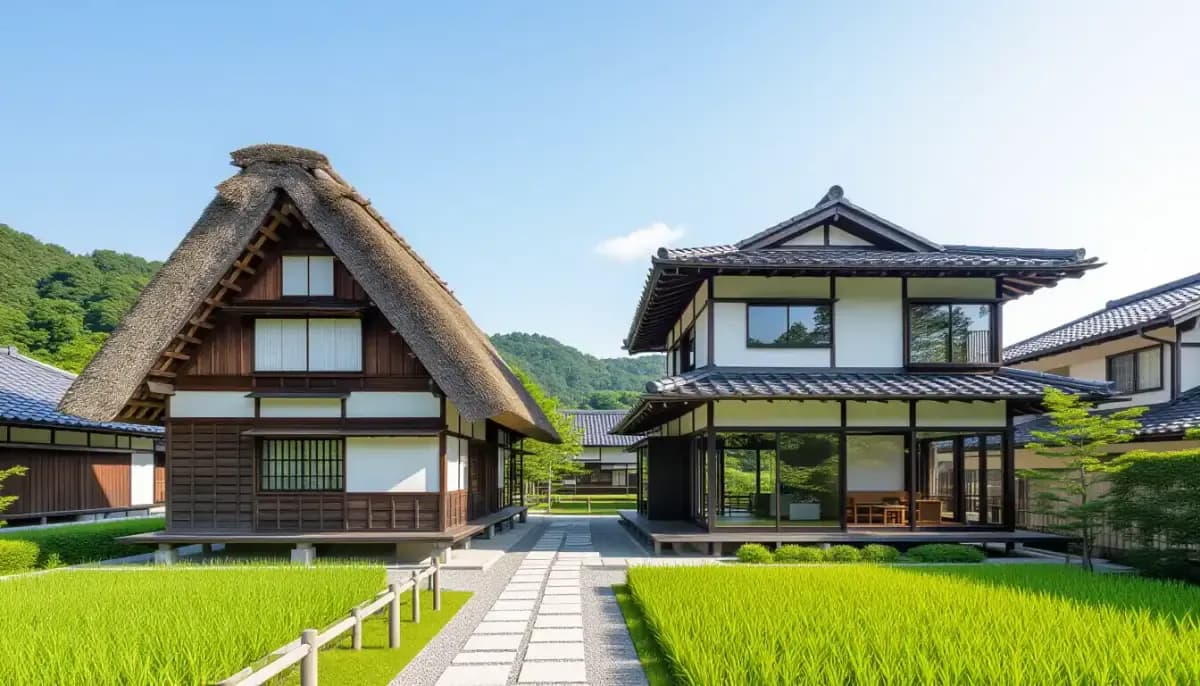
Traditional vs Modern House in Japan: Lifestyle Comparison
Compare traditional Japanese houses (kominka, machiya) vs modern homes for foreign buyers. Costs, comfort, cultural experience, and practical buying advice for expats in Japan.
Read more →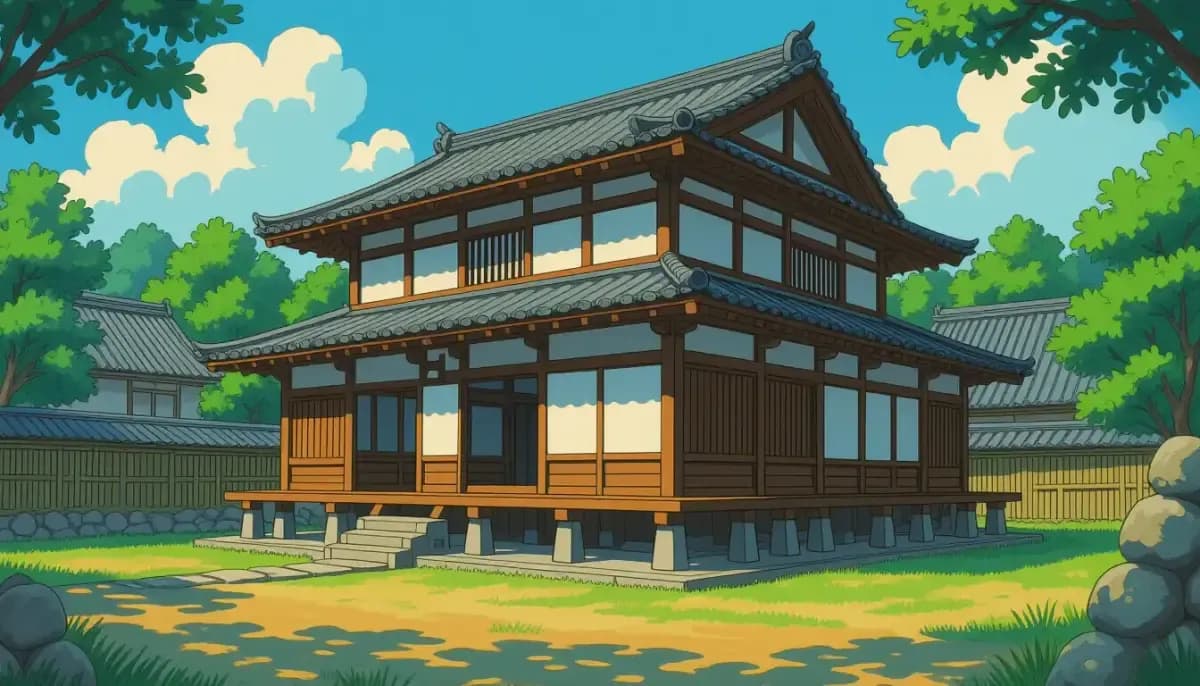
Kominka Structural Assessment and Safety Guide Before Buying
Complete guide to kominka structural assessment before buying in Japan. Covers 12-point inspection checklist, seismic safety standards, termite risks, inspection costs, and critical red flags to help foreign buyers make informed decisions.
Read more →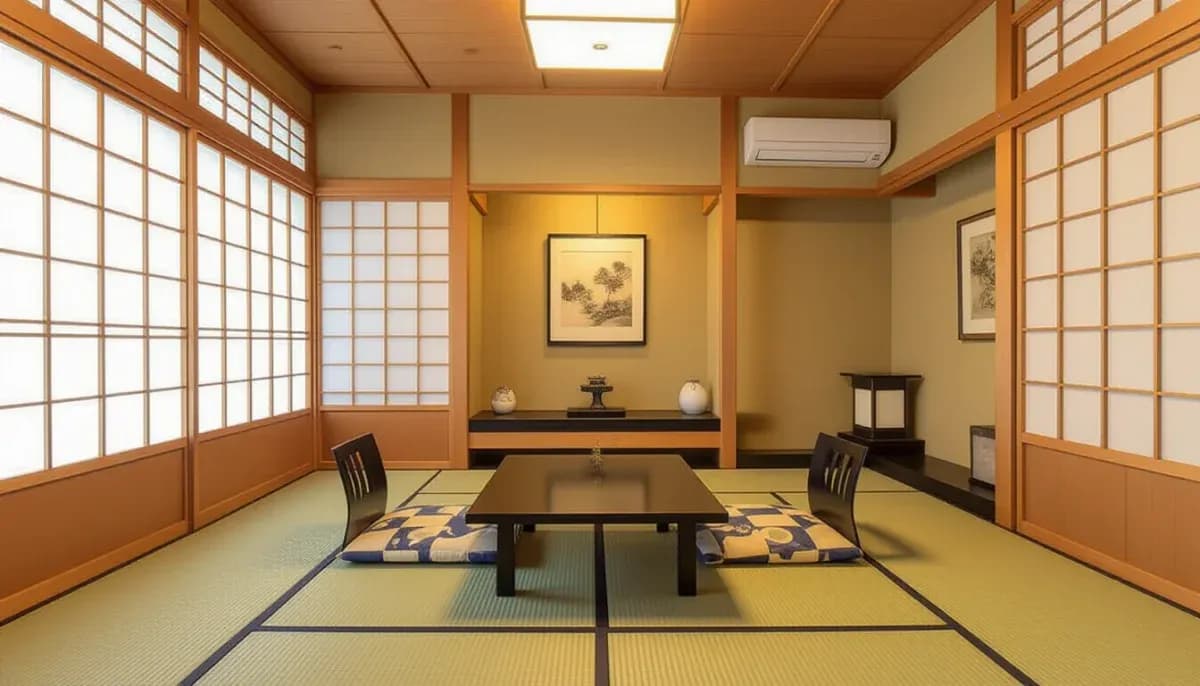
Traditional Japanese House Interior Design and Decoration Ideas
Discover traditional Japanese house interior design ideas: tatami rooms, shoji screens, tokonoma alcoves, and low furniture. A practical guide for foreigners decorating a Japanese home.
Read more →
Where to Find Kominka for Sale in Japan: Resources and Platforms
Discover the best platforms and resources to find kominka for sale in Japan. From KORYOYA to akiya banks, this guide covers every tool foreigners need to buy a traditional Japanese farmhouse.
Read more →
Cultural Preservation Rules for Kominka and Machiya Owners
A complete guide to Japan's cultural preservation rules for kominka and machiya owners: designation tiers, renovation approval requirements, Kyoto's Machiya Ordinance, the 2023 Vacant Home Law, and practical steps for foreign property owners.
Read more →
Heating and Insulation Challenges in Traditional Japanese Houses
Traditional Japanese houses are notoriously cold in winter due to poor insulation and design for summer ventilation. Learn why, and how to fix it as a foreign buyer or renter with practical renovation tips and budget guides.
Read more →