
Heating and Insulation Challenges in Traditional Japanese Houses

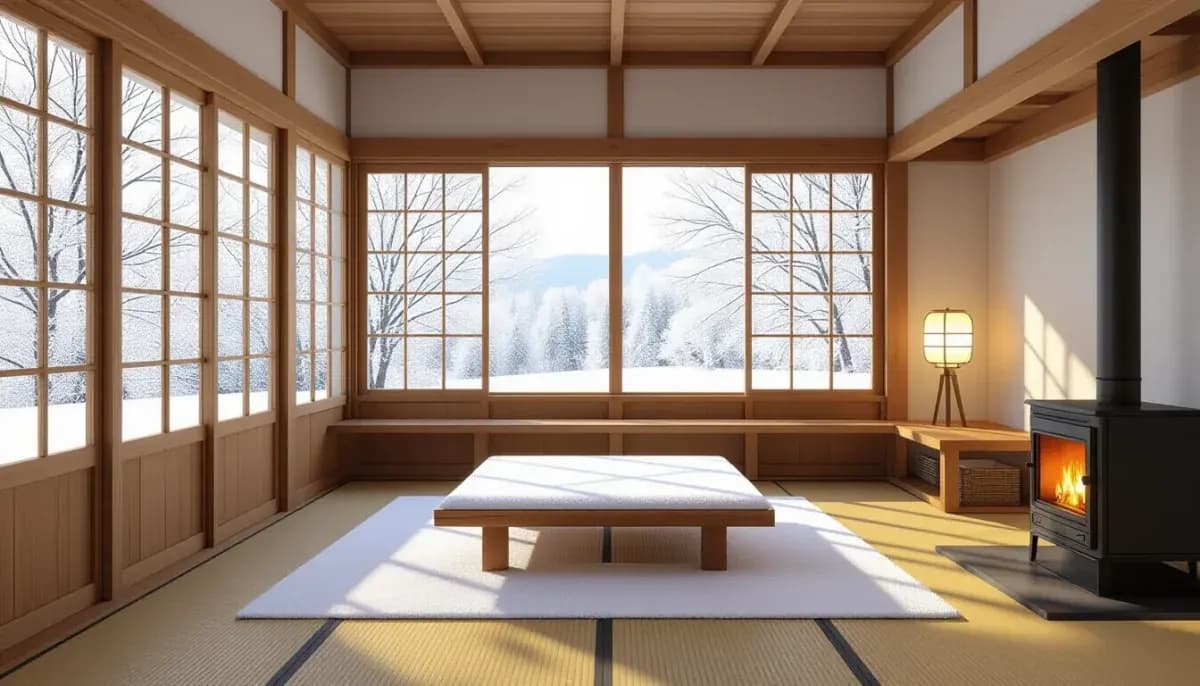
Traditional Japanese houses are notoriously cold in winter due to poor insulation and design for summer ventilation. Learn why, and how to fix it as a foreign buyer or renter with practical renovation tips and budget guides.
Heating and Insulation Challenges in Traditional Japanese Houses
If you've ever lived in or visited a traditional Japanese house during winter, you already know the shock: you can see your breath indoors, the tatami floors feel like ice, and no amount of layering seems enough. For foreigners moving to Japan — especially those drawn to charming old machiya townhouses or rural akiya — the reality of heating and insulation is one of the most significant and underestimated challenges. This guide explains why traditional Japanese homes are so cold, what the structural and historical causes are, and exactly what you can do about it as a foreign buyer or renter.
Why Traditional Japanese Houses Are So Cold: The Core Problem
Traditional Japanese architecture was never designed for winter warmth. The entire structural philosophy was built around Japan's oppressively hot and humid summers. Sliding shōji screens and fusuma panels, open corridors (engawa), raised wooden floors with airflow underneath, and mud-plaster walls that "breathe" — all of these features were brilliant solutions for summer ventilation. In winter, they become liabilities.
Japan stands apart from all other G7 nations in one striking way: until April 2025, there were no mandatory residential insulation requirements. Architect Masatoshi Takeuchi has noted that "among the G7 countries, Japan is the only one not imposing insulation requirements." The consequences are significant: fewer than 70% of Japanese homes even meet the 1980 insulation standards — standards that were already well below those of comparable countries.
The numbers tell the real story. A 100 square meter Japanese home requires approximately 7 times more kerosene for heating over one year than an equivalent German home. That is not a minor inconvenience — it is a structural design gap that has been baked into Japanese housing culture for decades.
Key Structural Problems in Traditional Homes
| Problem | Why It Happens | Impact |
|---|---|---|
| Single-pane aluminum windows | Low-cost construction standard | Major heat loss, condensation |
| No wall insulation | Post-war disposable housing model | Cold walls, drafts |
| Raised floor with air gap | Designed for summer ventilation | Ice-cold floors in winter |
| Paper/wooden sliding doors | Traditional aesthetic and flexibility | Zero draft resistance |
| No central heating system | Room-by-room heating culture | Impossible to heat uniformly |
| Mud-plaster (土壁) walls | Traditional material, breathable | Poor thermal mass retention |
The Historical and Cultural Roots of Japan's Insulation Problem
Understanding why this problem exists helps you approach solutions realistically. Japan's post-World War II housing boom prioritized speed and volume over quality. Homes were built quickly and cheaply, with the expectation that they would be demolished and rebuilt within 30-40 years. This created what scholars call Japan's "scrap-and-build" housing culture — the complete opposite of the European tradition of maintaining and improving old buildings over centuries.
Government policy reinforced this. The Ministry of Land repeatedly delayed mandatory insulation standards, citing concerns that small construction companies lacked the technical expertise to comply. As a result, the regulations that most developed nations adopted in the 1970s and 1980s were still being phased in Japan as recently as 2025.
For buyers of traditional houses — particularly akiya (vacant inherited homes) in rural areas, or machiya townhouses in Kyoto and other historic cities — this means you are often dealing with buildings that have had zero thermal upgrades in 50-80 years. The aesthetic is remarkable. The heating bill is brutal.
New Regulations: What Changed in 2025 and Beyond
Japan has finally begun to address the insulation crisis at the policy level. Here is what the new regulatory framework looks like:
From April 2025:
- All new construction must meet Thermal Insulation Performance Grade 4 and Primary Energy Consumption Grade 4 or higher
- The Building-Housing Energy-efficiency Labeling System (BELS), operational since April 2024, now displays star ratings and energy performance indicators on all sales and rental listings
From 2030:
- Standards will rise to ZEH (Zero Energy Housing) levels
- This requires Thermal Insulation Performance Grade 5 and Primary Energy Consumption Grade 6
- ZEH homes can reduce utility costs by approximately 200,000 yen per year compared to conventional housing
Important caveat for buyers: These regulations only apply to new construction. If you are buying or renting an existing traditional home — which is exactly the demographic most affected by this challenge — the new standards provide no direct benefit. Your 1960s farmhouse is not grandfathered in. You will need to upgrade it yourself.
For more context on Japan's insulation regulatory history, Japan Today has an in-depth analysis on why standards lagged so far behind. For more on how these regulations affect property valuations, see our guide to the Japan Real Estate Market Overview and Trends.
Practical Insulation Upgrades for Traditional Homes
The good news is that traditional Japanese homes can be significantly improved with targeted renovation. The key principle, however, is do not make the building airtight. Traditional homes use breathable materials precisely because moisture management is critical in Japan's climate. Sealing a traditional house completely can lead to mold problems, wood rot, and structural damage. Work with the building's material logic, not against it.
Priority 1: Roof and Ceiling (Highest ROI)
The roof and ceiling account for the greatest heat loss in a typical Japanese house. Insulating here delivers the best return on investment.
- Use mineral wool, cellulose, or rigid foam board between ceiling joists
- Maintain airflow gaps to prevent moisture buildup and mold
- In farmhouses with exposed beam ceilings, install insulation above the ceiling board rather than between rafters
Priority 2: Windows (Second Biggest Impact)
Single-pane aluminum windows are one of the primary sources of heat loss and condensation. The most effective — and preservation-friendly — solution is interior secondary glazing (内窓, uchi-mado).
- Inner window units slot inside the existing frame without touching the original window
- They create a dead-air gap that dramatically reduces thermal transfer
- Suitable for shōji frames: modern acrylic shōji paper can mimic the traditional look while providing far better insulation than traditional washi
- Add weatherstripping to sliding fusuma and shōji panels to reduce drafts
Priority 3: Floors
Raised floors with an air gap beneath are cold in winter. Solutions include:
- Rigid foam insulation beneath the floor boards (accessible through the crawl space)
- Heated flooring films (電気床暖房) can be installed under tatami or hardwood
- Short-term solutions: thick rugs, wool tatami underlays, and electric heated carpets
Priority 4: Walls
Traditional mud-plaster walls (土壁) are the most delicate to upgrade. Avoid synthetic insulation that traps moisture.
- Use breathable materials: hemp, wool batting, or cellulose
- Interior wood panel cladding with an insulating layer behind it
- Exterior insulated siding is an option but will change the exterior appearance — a significant concern for machiya in historic districts
!Diagram showing interior secondary window installation (内窓) in a traditional Japanese house
Heating Systems: What Works in a Traditional Japanese House
Even with improved insulation, traditional homes require a different heating approach than Western homes. Central heating systems are rare and expensive to retrofit. Instead, Japanese heating culture is built around localized, efficient heat sources.
The Most Effective Heating Options
Air Conditioner / Heat Pump (エアコン) Modern inverter air conditioners are the most energy-efficient option for room heating. They work as heat pumps, delivering 3-4 units of heat for every unit of electricity consumed. Install one in each main living area.
Kerosene Fan Heater (石油ファンヒーター) Still the most widely used and affordable heating method in Japan. Heats a room quickly and effectively. Requires ventilation, as it produces combustion gases. Budget approximately 50,000-80,000 yen per heating season for a moderately-sized home.
Kotatsu (こたつ) The iconic low table with a heating element and thick quilt draped over it. Brilliantly efficient — it heats the person, not the room. Perfect for a primary living/working space. Almost zero running cost compared to room heaters.
Gas Floor Heating (ガス床暖房) The most comfortable option for retrofitting, but also the most expensive. Works well under hardwood; less effective under tatami without modification.
Electric Panel Heaters Useful for bathrooms and hallways where kerosene heating is impractical. Low output but sufficient for small spaces.
What to Avoid
Room heaters without proper ventilation in airtight upgraded spaces can cause carbon monoxide buildup. If you improve insulation significantly, make sure you also introduce controlled mechanical ventilation.
For more details on property renovation costs and processes, see our complete guide to rural and countryside properties in Japan.
Budget Planning: How Much Does It Cost to Fix a Cold Japanese House?
The cost of thermal renovation varies enormously depending on the size of the home, its current state, and how far you want to go. Here is a realistic overview:
| Upgrade | Approximate Cost (JPY) | Impact Level |
|---|---|---|
| Weatherstripping all doors and windows | 10,000 – 30,000 | Medium |
| Interior secondary glazing (uchi-mado) per window | 30,000 – 80,000 | High |
| Ceiling insulation (per room) | 50,000 – 150,000 | Very High |
| Floor insulation (per room) | 40,000 – 100,000 | High |
| Wall interior re-cladding with insulation | 200,000 – 600,000/room | Medium-High |
| Full thermal renovation (100 sqm house) | 2,000,000 – 8,000,000 | Transformative |
Government subsidies are available. Japan's Ministry of Land, Infrastructure, Transport and Tourism (MLIT) and various prefectural governments offer subsidies for energy-efficient renovations. The subsidy programs have expanded in recent years as Japan pushes toward its 2030 carbon reduction targets. Check the latest programs through the MLIT housing subsidy portal or consult a local renovation contractor familiar with grant applications.
For an understanding of the full cost picture of property ownership, our guide to hidden costs and fees when buying property in Japan is essential reading.
Health Implications: The "Cold House" Problem in Japan
Japan has one of the highest rates of cardiovascular mortality related to indoor cold in the developed world. The phenomenon of heat shock — the dangerous sudden change in body temperature when moving between a warm room and an unheated bathroom or corridor — causes thousands of deaths annually, predominantly among the elderly.
For foreigners accustomed to centrally heated homes, this is a real health concern, not just a comfort issue. Key risk points:
- Bathroom and toilet areas: Often unheated even when the rest of the home has heating
- Kitchen areas: Frequently uninsulated and cold
- Morning routines: The temperature differential between bed warmth and an unheated house is pronounced
The solution is not just insulation — it is zone heating that keeps bathrooms and corridors at a minimum temperature. Small electric panel heaters in bathrooms are one of the most important investments you can make for health and safety.
Living with the Challenge: Day-to-Day Strategies
Even while undertaking renovation, there are practical strategies that make traditional Japanese houses livable in winter:
- Layer indoors: Japanese cold-weather culture accepts indoor clothing layers. Uniqlo's Heattech thermal underlayers are widely used by residents.
- Use door curtains (のれん): Hanging thick fabric door curtains between rooms significantly reduces heat escape.
- Insulating window film: Available at hardware stores for a few hundred yen per roll; applied with water to window glass to add a modest insulating layer.
- Kotatsu as primary workspace: Shifting daily activities to a kotatsu-centered space dramatically reduces overall heating costs.
- Humidity management: Kerosene heaters actually add moisture to the air, which helps with the dry cold; heat pump aircon dries the air, so a humidifier is often needed in parallel.
For broader guidance on living as a foreigner in Japan, Living in Nihon is a valuable community resource covering daily life adjustments. For those also navigating work situations alongside their housing decisions, For Work in Japan offers comprehensive housing and infrastructure guides for expats. If you are specifically evaluating renovation projects on an older property, Gaijin Buy House provides detailed guidance on used property renovation for foreign buyers.
Is It Worth Buying a Traditional Japanese House Despite the Challenges?
For many foreigners, the answer is still yes — emphatically so. Traditional Japanese homes offer character, space, natural materials, and a connection to Japanese architectural heritage that modern concrete apartment buildings simply cannot replicate. The insulation challenges are real and the costs are significant, but they are manageable with a clear-eyed renovation plan.
The most important thing is to go in with accurate expectations. Budget for thermal renovation as part of your purchase costs. Consult a renovation contractor before signing, and get a thermal assessment of the property. Many akiya sellers and municipal programs now include renovation cost estimates as part of the sale documentation.
For a broader understanding of the property purchasing process, see our complete guide to buying property in Japan as a foreigner and our step-by-step home buying process guide.
A cold house in Japan is not a dealbreaker. It is a renovation project. The bones of a traditional Japanese home — the timber structure, the spatial proportions, the garden relationship — are worth the investment. With proper insulation and the right heating approach, a traditional house can be genuinely comfortable year-round. It just requires understanding the challenge clearly, planning the work methodically, and embracing the process as part of the experience of owning a piece of Japan's architectural heritage.

Originally from Vietnam, living in Japan for 16+ years. Graduated from Nagoya University, with 11 years of professional experience at Japanese and international companies. Sharing information about buying property in Japan for foreigners.
View Profile →Related Articles
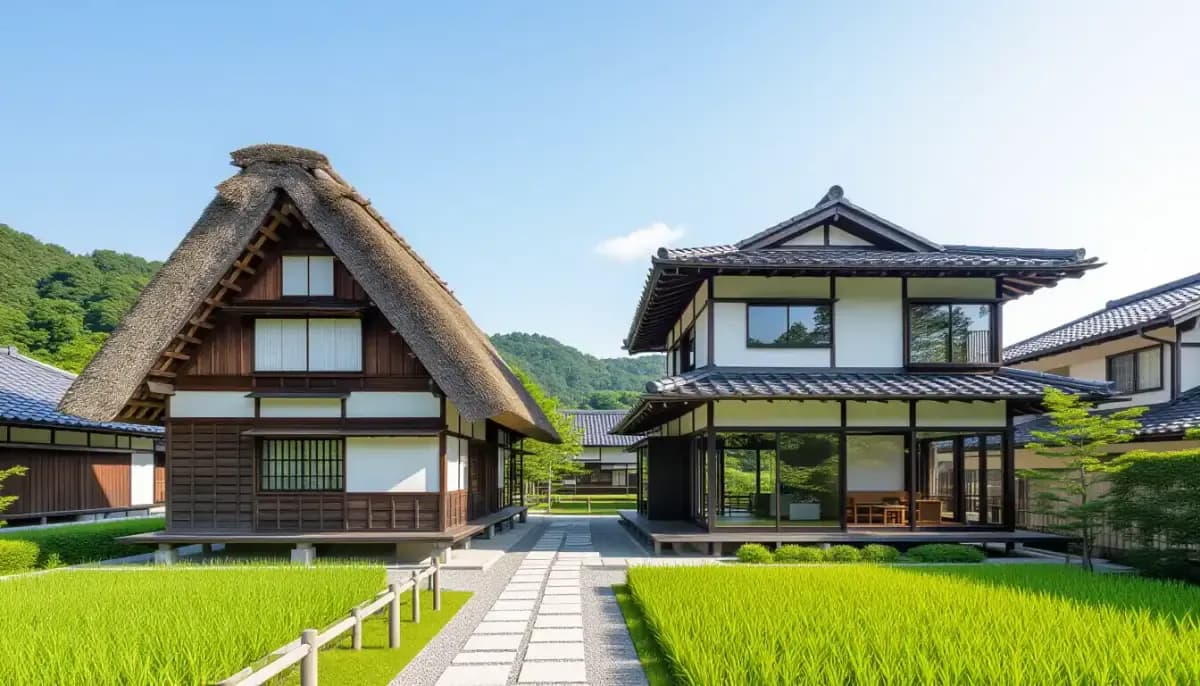
Traditional vs Modern House in Japan: Lifestyle Comparison
Compare traditional Japanese houses (kominka, machiya) vs modern homes for foreign buyers. Costs, comfort, cultural experience, and practical buying advice for expats in Japan.
Read more →
Kominka Structural Assessment and Safety Guide Before Buying
Complete guide to kominka structural assessment before buying in Japan. Covers 12-point inspection checklist, seismic safety standards, termite risks, inspection costs, and critical red flags to help foreign buyers make informed decisions.
Read more →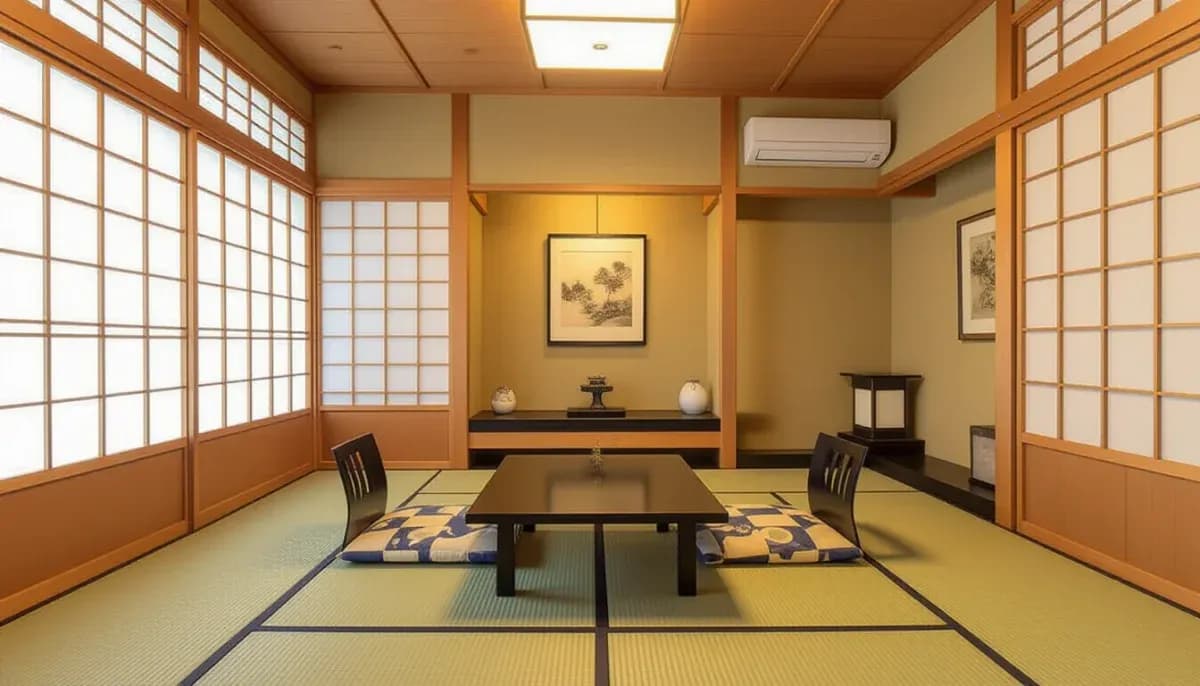
Traditional Japanese House Interior Design and Decoration Ideas
Discover traditional Japanese house interior design ideas: tatami rooms, shoji screens, tokonoma alcoves, and low furniture. A practical guide for foreigners decorating a Japanese home.
Read more →
Where to Find Kominka for Sale in Japan: Resources and Platforms
Discover the best platforms and resources to find kominka for sale in Japan. From KORYOYA to akiya banks, this guide covers every tool foreigners need to buy a traditional Japanese farmhouse.
Read more →
Cultural Preservation Rules for Kominka and Machiya Owners
A complete guide to Japan's cultural preservation rules for kominka and machiya owners: designation tiers, renovation approval requirements, Kyoto's Machiya Ordinance, the 2023 Vacant Home Law, and practical steps for foreign property owners.
Read more →
Converting a Kominka into a Guesthouse Business in Japan
Complete guide to converting a traditional Japanese kominka into a profitable guesthouse business. Covers licensing, renovation costs, minpaku law, government subsidies, and business models for foreigners.
Read more →