
Tower Mansions in Japan: High-Rise Living Guide for Foreigners

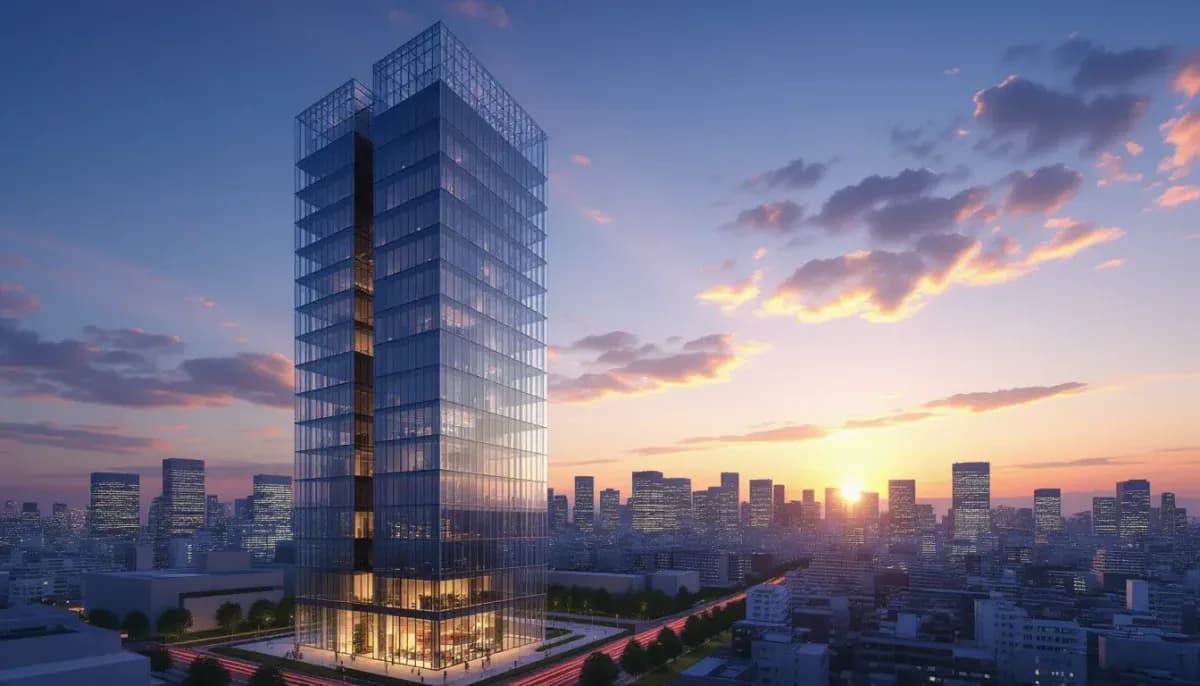
Complete guide to tower mansions (タワマン) in Japan for foreigners: costs, pros and cons, earthquake risks, reserve funds, how to buy, and the best locations in Tokyo and beyond.
Tower Mansions in Japan: High-Rise Living Guide for Foreigners
If you have spent any time exploring Tokyo's skyline, you have likely noticed the gleaming clusters of glass-and-steel skyscrapers rising above the city's low-rise neighborhoods. These are Japan's famous tower mansions (タワーマンション, tawā manshon), and they represent one of the most sought-after — and debated — types of real estate in the country. For foreigners looking to buy or rent in Japan, tower mansions offer an appealing combination of modern amenities, security, and prestigious addresses. But they also come with unique risks and costs that every prospective buyer or renter should understand.
This guide covers everything you need to know about tower mansions in Japan: what they are, where to find them, what they cost, the pros and cons of living in one, and the specific considerations that matter for foreign residents.
What Is a Tower Mansion in Japan?
The term "tower mansion" (タワマン, tawaman) has no official legal definition in Japan, but it is generally understood to refer to residential high-rise buildings that are 60 meters or more in height, or 20 floors or above. Buildings exceeding 100 meters are required by the Fire and Disaster Management Agency to include emergency helipads on their rooftops.
Unlike in English-speaking countries, the word "mansion" (マンション) in Japan simply means a reinforced-concrete condominium apartment — not a grand estate. A tower mansion is therefore a high-rise condominium tower, typically featuring hundreds or even thousands of individual units sold or rented separately.
Japan built its first tower mansion in 1971. Growth accelerated through the 1990s and 2000s, peaking in 2007 when 75 new tower mansion buildings were completed in a single year. From 2000 to 2018, 1,096 high-rise condominiums were built across Japan, with roughly 80% concentrated in Tokyo and the Kansai region (Osaka, Kobe, Kyoto). As of the end of 2018, Japan had approximately 1,289 tower mansion buildings containing 333,789 units nationwide. By some more recent estimates, the total number of tower mansion buildings has reached 1,641 nationwide. In Tokyo alone, 183 tower mansion buildings with 84,012 units were recorded in a 2019 survey.
Today, 1 in 5 new residences sold in Japan is a tower mansion unit — a remarkable share that reflects just how central these buildings have become to the Japanese real estate market.
For a broader overview of property types in Japan, see our guide on Types of Properties Available in Japan: A Complete Guide.
Why Foreigners Are Drawn to Tower Mansions
Tower mansions are especially popular among foreign professionals, investors, and long-term expats in Japan. Here's why:
1. Foreigner-Friendly Environment
Unlike traditional Japanese apartments, where landlords may sometimes decline foreign applicants, tower mansions in major cities often have management companies experienced in dealing with international residents. Many concierge and management staff have English language capability.
2. World-Class Amenities
Most tower mansions come equipped with:
- 24-hour concierge and security services
- Key card access systems
- Rooftop gardens and sky lounges
- Fitness centers, pools, and yoga studios
- Party rooms and coworking spaces
- Guest suites for visiting family
3. Prestigious Addresses
Tower mansions tend to be built in prime urban locations near major train stations, business districts, and shopping areas. Popular Tokyo neighborhoods include Minato, Shibuya, Chuo, Koto (Toyosu/Shinonome), Sumida, and Toshima.
4. Modern Build Quality
Because most tower mansions were built from the 1990s onward using the latest construction standards, they incorporate Japan's advanced seismic engineering. All buildings must comply with Japan's strict earthquake codes, which were significantly strengthened in 1981 and again in 2000.
5. Investment Potential
Foreign buyers have increasingly turned to tower mansions as investment assets. Units in prime areas have shown strong appreciation, particularly in Tokyo, which continues to attract global capital.
For more on legal rights and the buying process, see Can Foreigners Buy Property in Japan? Legal Rights and Restrictions.
Tower Mansion Costs: What to Expect
Prices and fees for tower mansions vary enormously depending on location, floor, building age, and unit size. Below is a general overview for Tokyo:
| Category | Typical Range |
|---|---|
| Purchase price (central Tokyo, 70m²) | ¥80M – ¥200M+ |
| Purchase price (suburban Tokyo, 70m²) | ¥40M – ¥80M |
| Monthly rent (central Tokyo, 1LDK) | ¥250,000 – ¥600,000+ |
| Monthly rent (suburban Tokyo, 1LDK) | ¥120,000 – ¥250,000 |
| Monthly management fee (per unit) | ¥20,000 – ¥60,000+ |
| Monthly reserve fund contribution | ¥10,000 – ¥40,000+ |
| Property tax (annual, central Tokyo 70m²) | ¥200,000 – ¥600,000+ |
| Initial purchase costs (taxes/fees) | ~6–10% of purchase price |
A critical note on reserve funds: As of 2018, approximately 28% of all tower mansion buildings in Japan had insufficient funds in their maintenance reserve accounts, and 40% had arrears in monthly management fee collection. Before purchasing any tower mansion unit, you should request documentation showing the current balance of the building's reserve fund and the rate of fee collection. A building with low reserves may face a special assessment in the future — meaning all owners could be asked to pay a large lump sum for unexpected repairs.
For detailed information on annual ownership costs, see Property Taxes and Annual Costs of Owning Property in Japan and Hidden Costs and Fees When Buying Property in Japan.
Pros and Cons of Tower Mansion Living
Living in a tower mansion comes with real advantages, but also genuine trade-offs that differ from other types of Japanese housing.
Advantages
Views and Natural Light Higher floors offer panoramic city or ocean views and excellent natural sunlight throughout the day. This is a premium that buyers pay a significant markup for — and for many, it is worth it.
Security Tower mansions typically have multiple layers of access control: perimeter fencing, lobby key cards, elevator restrictions, and intercom systems. This makes them among the most secure residential options in Japan.
Convenience Many tower mansions are directly connected to or located above shopping centers, supermarkets, and train stations — a lifestyle convenience that is hard to match in Japan's low-rise housing stock.
Pest Reduction A practical benefit often noted by residents: higher floors experience significantly fewer insects, mosquitoes, and rodents than ground-level or low-rise units.
Resale Value in Prime Locations Tower mansions in popular areas of Tokyo and Osaka have historically held their value well and often appreciated, particularly in the 2010s and early 2020s as foreign and domestic demand grew.
Disadvantages
Higher Running Costs Monthly management fees and reserve fund contributions for tower mansions are substantially higher than for standard condos, due to the cost of maintaining elevators, facilities, security staff, and communal areas.
Elevator Congestion In large towers with hundreds of units, elevator wait times during morning rush hour can be significant — sometimes 10 minutes or more. Some residents on lower floors resort to using the stairs.
Laundry Restrictions Almost all tower mansions prohibit hanging laundry on balconies or exterior facades. Residents must use indoor drying racks or dryers.
Mobile Signal Issues Some upper floors can experience weak or inconsistent mobile phone signal, depending on the building's construction materials and location.
Earthquake Concerns While tower mansions are engineered to be structurally safe in earthquakes, upper floors experience pronounced lateral sway during seismic events. This is by design — the building flexes rather than breaks — but it can be unsettling and cause objects to fall or furniture to shift. During the 2011 Great East Japan Earthquake (magnitude 9.1), high-rise buildings in Shinjuku experienced substantial swaying that lasted several minutes.
Flood and Infrastructure Risk Tower mansions typically house electrical and mechanical systems in their basements to maximize above-ground space. This creates vulnerability to flooding during extreme weather. A dramatic example occurred in October 2019 when Typhoon Hagibis caused flooding that damaged a 47-story tower mansion in Kawasaki, knocking out elevators and water systems and leaving upper-floor residents effectively stranded.
Repair Disputes Because fees are typically divided by unit square footage rather than floor level, lower-floor owners (who use amenities less) can dispute repair cost allocations with upper-floor owners. Any special repair work requiring more than the standard reserve fund requires 75% approval from all unit owners — a threshold that can be difficult to reach in large buildings.
For a comparison with other property types, see Japan Mansion (Condo) vs Apartment: Key Differences Explained and Ikkodate (Detached House) in Japan: Complete Buying Guide.
Can Foreigners Buy a Tower Mansion in Japan?
Yes. Japan imposes no restrictions on foreign nationals purchasing real estate, including tower mansions. A non-resident foreigner with no visa has the legal right to purchase property in Japan.
However, obtaining a mortgage is significantly more complex. Most Japanese banks require:
- Proof of stable, documented income
- A Japanese residence card (在留カード) with valid status
- Preferably permanent residency (永住権) or a long-term work visa
- Employment at a recognized Japanese company
Without permanent residency, securing a standard Japanese mortgage from a major bank is difficult but not impossible. Some banks will lend to foreigners with long-term visas and stable employment; others offer special products for non-residents, often at higher rates or with more restrictive terms. Cash purchases face no such restrictions.
For a full breakdown of financing options, see Mortgages and Home Loans for Foreigners in Japan.
You should also review your visa situation before committing to a purchase: Visa and Residency Considerations for Property Buyers in Japan.
What to Look for When Choosing a Tower Mansion
If you have decided that a tower mansion is the right fit for you, here is what to evaluate before committing:
Location and Transportation
Select a building within walking distance (ideally 5 minutes or less) of a major train or subway station. In Tokyo, proximity to Yamanote Line stations or major subway hubs (Ginza, Shinjuku, Shibuya) commands a premium but also ensures strong rental demand if you plan to lease the unit.
Building Age and Management
Buildings constructed after 2000 are preferred, as they comply with the most current seismic standards. Equally important is management quality: request the latest management association (管理組合) meeting minutes and financial reports. A well-managed building with healthy reserves is far safer than a glamorous one with financial problems.
Reserve Fund Status
This is non-negotiable. Ask your agent or the seller for the current reserve fund balance and the monthly per-unit contribution. Compare this to the building's age and remaining service life of key systems (elevators, water pipes, external facades).
Floor Level vs. Price
Don't automatically target the highest floors. In many tower mansions, mid-range floors (15–25F) offer excellent views, manageable elevator waits, and significantly lower prices than top-floor penthouses. Lower floors can be excellent value for buyers focused on investment yield.
Sunlight and Orientation
South-facing units (南向き, minami muki) receive the most sunlight throughout the day and are considered the most desirable in Japanese real estate. Verify the unit's orientation before viewing.
For guidance on reading Japanese property listings and floor plans, see How to Read Japan Property Floor Plans: A Visual Guide.
Top Tower Mansion Locations in Japan
| City | Key Areas | Average Price Range (70m²) |
|---|---|---|
| Tokyo (central) | Minato, Chuo, Shibuya, Shinjuku | ¥100M – ¥300M+ |
| Tokyo (bay/emerging) | Koto (Toyosu), Sumida, Kōtō | ¥60M – ¥120M |
| Osaka | Namba, Umeda, Tenoji, Fukushima | ¥40M – ¥100M |
| Nagoya | Sakae, Meieki (near Nagoya Station) | ¥35M – ¥80M |
| Yokohama | Minato Mirai, Kannai | ¥45M – ¥90M |
| Fukuoka | Tenjin, Hakata | ¥30M – ¥70M |
| Sapporo | Odori, Sapporo Station area | ¥20M – ¥50M |
For area-specific guides, explore our regional buying guides: Buying Property in Tokyo as a Foreigner, Buying Property in Osaka as a Foreigner, and Buying Property in Yokohama and Kanagawa as a Foreigner.
External Resources for Further Research
To deepen your research on tower mansions and Japanese real estate, these resources offer detailed and reliable guidance:
- Living in Nihon – Buying Property & Mortgages in Japan for Foreigners: A comprehensive English-language resource on the property purchase process and mortgage landscape in Japan.
- For Work in Japan – Housing & Living Infrastructure Guide: Practical guidance on housing for foreign residents, covering everything from finding accommodation to daily living logistics.
- Gaijin Buy House – Condo & Apartment Buying Guide: A focused resource on buying condominiums and apartments in Japan as a foreigner, with step-by-step guidance.
- Japan Real Estate – Tower Mansion Risks: An important read covering the structural and financial risks specific to tower mansion purchases.
- Tokyo Portfolio – Ultimate Guide to High-Rise Condominiums: Market data, featured properties, and buying tips for high-rise condominium buyers in Tokyo.
Conclusion: Is a Tower Mansion Right for You?
Tower mansions are genuinely exciting — they offer a level of convenience, security, and lifestyle that is hard to find elsewhere in Japan. For foreigners who want to live in or invest in Japan's most vibrant cities, they represent a compelling option. Japan imposes no restrictions on foreign ownership, and with the right due diligence, a tower mansion can be both a comfortable home and a sound long-term investment.
That said, they are not without risks. Reserve fund shortfalls, earthquake sway, flood vulnerability in extreme weather, elevator congestion, and the complexity of managing a large building with diverse owners are all real considerations. Going in with clear eyes — and verifying the financial health of your target building — is the single most important thing you can do.
For next steps, read our Complete Guide to Buying Property in Japan as a Foreigner and the Step-by-Step Home Buying Process in Japan for Foreigners to understand exactly what the transaction process looks like from search to key handover.

Originally from Vietnam, living in Japan for 16+ years. Graduated from Nagoya University, with 11 years of professional experience at Japanese and international companies. Sharing information about buying property in Japan for foreigners.
View Profile →Related Articles
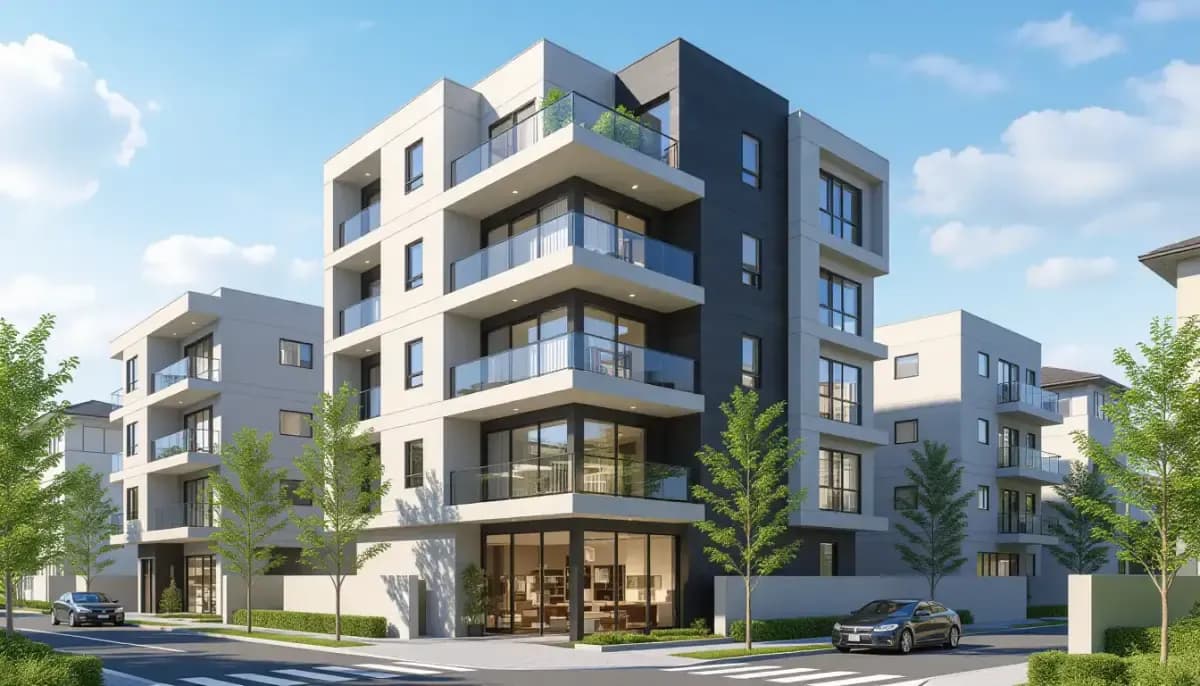
Japan Property Grading: How Mansions and Buildings Are Evaluated
Understand Japan's property grading systems including seismic resistance grades (1-3), Housing Performance Indication (10 indicators), CASBEE, BELS, and building structure types RC/SRC — essential knowledge for foreign buyers of mansions and houses.
Read more →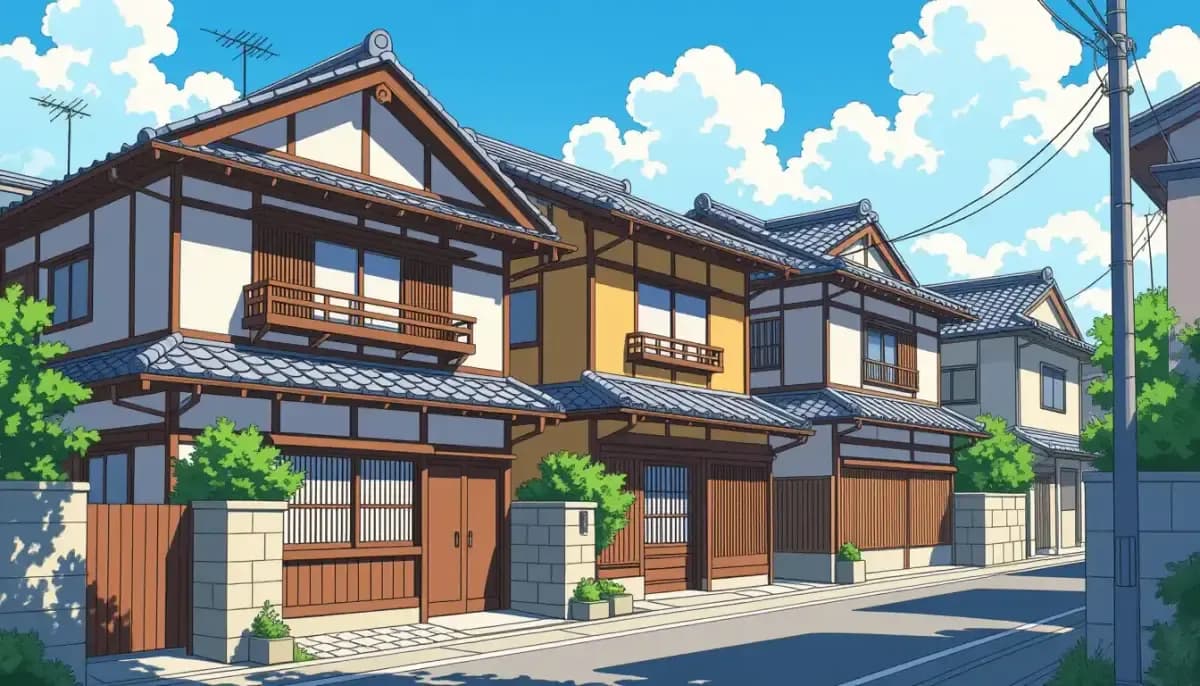
Japan Building Age Categories: New Build vs Used Property Standards
Understand Japan's building age categories — kyu-taishin, shin-taishin, post-2000, and new build standards. Essential guide for foreigners buying property in Japan, covering seismic standards, depreciation, and what to check before buying.
Read more →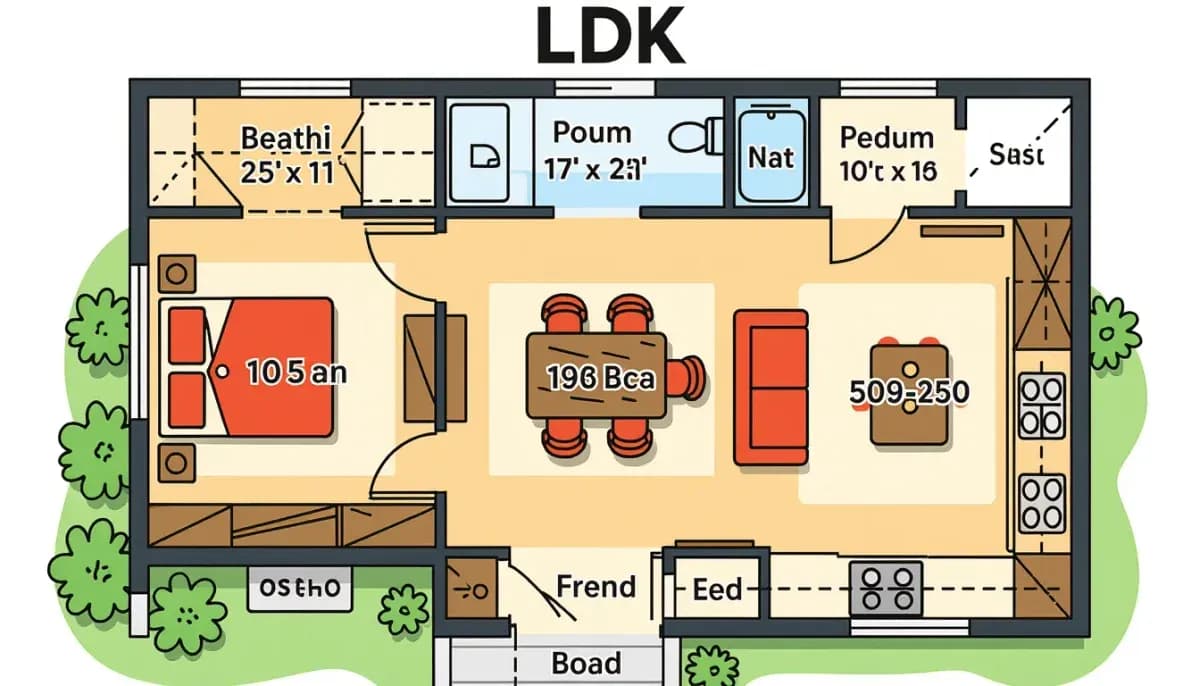
How to Read Japan Property Floor Plans: A Visual Guide
Learn to read Japanese property floor plans with confidence. Understand LDK notation, tatami measurements, floor plan symbols, and common room labels used in Japan real estate listings.
Read more →
Japan Mixed-Use Properties: Residential and Commercial Combined
Complete guide to buying mixed-use residential and commercial property in Japan as a foreigner. Covers zoning laws, financing, investment returns, and the step-by-step buying process.
Read more →
Japan Garage Houses: Properties for Car Enthusiasts
Everything foreign car enthusiasts need to know about buying a garage house in Japan — built-in garage types, tax benefits, costs, design features, and how foreigners can purchase property with full ownership rights.
Read more →
Japan Penthouse and Luxury Apartment Guide
Complete guide to buying or renting a penthouse or luxury apartment in Japan as a foreigner. Covers prices, locations, legal rules, guarantor requirements, and top buildings in Tokyo and beyond.
Read more →