
Skipping Property Inspection: Consequences and How to Avoid

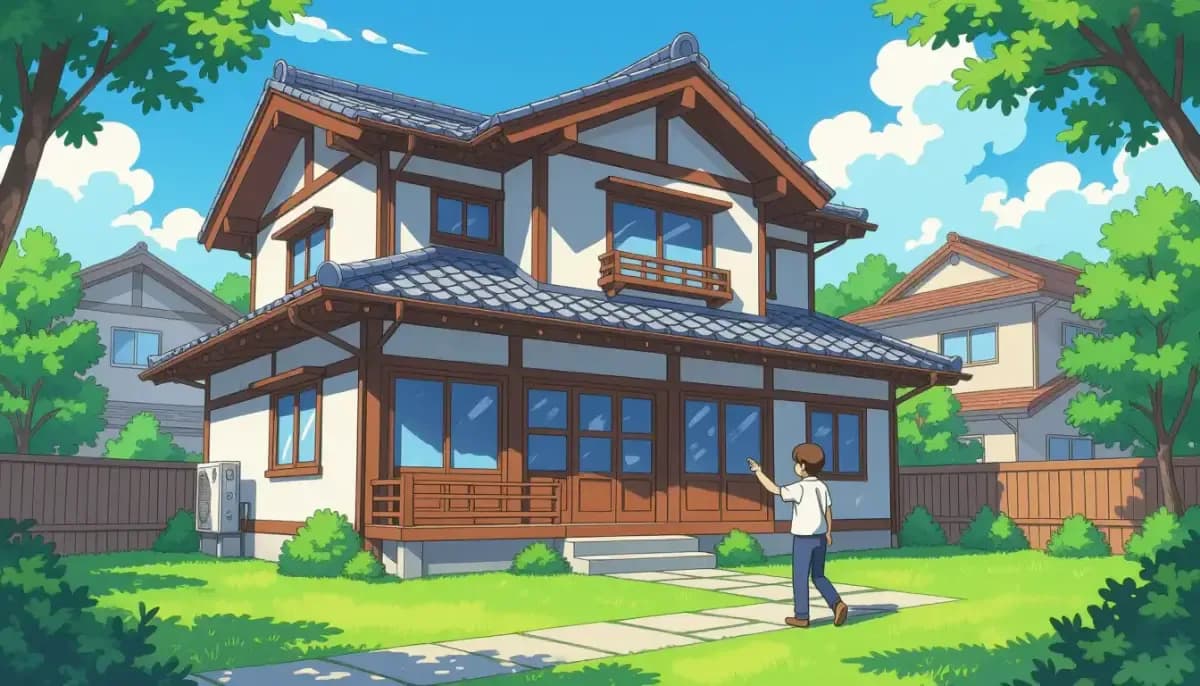
Skipping a property inspection in Japan can cost you millions of yen in hidden defects. Learn what happens when you skip, how much inspections cost, and how to protect yourself as a foreign buyer.
Skipping Property Inspection in Japan: Consequences and How to Avoid Them
Buying a home in Japan is one of the most significant financial decisions you will ever make as a foreigner. Yet one of the most overlooked steps in the process is the property inspection (住宅インスペクション, jyuutaku inspection). Unlike in the United States, Australia, or the UK, home inspections are not standard practice in Japan — and this cultural gap catches many foreign buyers off guard.
Skipping a property inspection in Japan may seem like a way to save time and money. In reality, it can expose you to hidden structural defects, unexpected repair bills worth millions of yen, and loss of legal protections. This guide explains exactly what can go wrong if you skip a property inspection, how much it costs to get one done, and practical steps to protect yourself when buying property in Japan.
Why Property Inspections Are Rare in Japan
Japan has a different cultural relationship with housing than most Western countries. New construction has historically been prioritized, with pre-owned homes often depreciated to near zero value after 20–30 years. This mindset has meant that professional home inspections simply did not develop as a standard part of the buying process.
The Japanese government recognized this as a problem and introduced formal regulations. In April 2018, amendments to the Building Lots and Buildings Transaction Business Act formalized home inspection procedures, created licensing requirements for inspectors, and required real estate agents to disclose whether an inspection had been conducted. A further update in 2024 strengthened transparency requirements for pre-owned home transactions.
Despite these changes, inspections remain optional and are not widely used. Most sellers do not proactively offer inspections, and many buyers — especially first-timers or foreigners unfamiliar with local customs — may not know to ask for one.
For an overview of the full home buying journey, see our step-by-step home buying process guide for foreigners in Japan.
What Happens If You Skip the Inspection?
Skipping a property inspection in Japan carries several serious risks that can cost you far more than the inspection itself.
1. Hidden Structural Defects Go Undetected
Pre-owned homes in Japan — particularly those built before 1981 — may not meet modern earthquake resistance standards. Japan's frequent seismic activity accelerates structural wear. A professional inspection can identify:
- Foundation cracks or settlement that compromise structural integrity
- Significant floor or wall tilting (more than 6/1000 is considered structurally problematic)
- Deteriorated wooden framing caused by moisture, rot, or age
- Post-construction modifications that weakened the original structure
If you skip the inspection, these defects may remain hidden until after you move in — or until the next major earthquake.
2. Water Damage and Mold Go Unnoticed
Water intrusion is one of the most common and costly problems in Japanese homes. Roof leaks, failed waterproofing around windows and exterior walls, and damaged drainage pipes can cause extensive mold growth and structural rot. An inspector checks:
- Roof condition and flashing integrity
- Exterior wall cracks and sealant around windows
- Evidence of past water stains on ceilings and walls
- Basement damp-proofing (if applicable)
Repairing water damage discovered after purchase can cost between ¥50,000 and ¥350,000 just for waterproofing repairs — and significantly more if structural timber has rotted.
3. Termite Damage in Wooden Homes
Japan's warm and humid climate makes termite infestation a serious risk, particularly in older wooden homes (ikkodate). Termite damage can hollow out wooden structural members while leaving exterior surfaces intact, making it impossible to detect without professional assessment.
After purchase, repairing termite damage may require replacing entire sections of the foundation or framing — costs that easily reach ¥500,000–¥3,000,000 or more depending on severity.
4. You Lose Access to Defect Insurance
One of the most significant legal consequences of skipping an inspection is losing eligibility for building defects insurance (住宅瑕疵担保保険) for pre-owned homes. This insurance protects buyers against structural defects and water damage discovered after purchase, but it is only available when the property meets inspection criteria — including no signs of significant deterioration or malfunction.
Without a formal inspection and passing results, you cannot apply for this insurance, leaving you fully exposed to post-purchase repair costs.
5. Reduced Leverage for Negotiation and Recourse
When a buyer and seller agree upon the condition of a property based on a formal inspection report, it establishes a shared baseline. If defects are discovered after the contract is finalized without an inspection, it becomes much harder to pursue claims against the seller.
Japan's Seller's Disclosure obligations (kaketsuke setsumei) require sellers to disclose known defects, but undisclosed or unknown problems are common. An inspection provides documented evidence that protects both parties.
What a Professional Inspection Covers
A standard home inspection in Japan is a non-invasive visual assessment conducted by a licensed inspector (国土交通省指定 certified). Inspectors do not open walls, remove flooring, or dismantle fixtures. The inspection typically covers:
| Area | What Is Checked |
|---|---|
| Structure | Foundation, framing, floor/wall tilt measurement |
| Roof | Condition, drainage, flashing around penetrations |
| Exterior Walls | Cracks, moisture intrusion, sealant condition |
| Interior | Water stains, mold signs, floor levelness |
| Plumbing | Water pressure, drainage (when requested) |
| Electrical | Basic panel and outlet condition (limited) |
| Seismic Rating | Pre-/post-1981 earthquake resistance standard |
Important limitation: Because inspections are non-invasive, defects hidden behind walls, under flooring, or within enclosed cavities may not be detected. For older homes or properties with renovation history, a more detailed invasive inspection may be worth considering.
How Much Does a Property Inspection Cost in Japan?
Property inspections in Japan are relatively affordable compared to the potential cost of undiscovered defects:
| Property Type | Basic Inspection Cost |
|---|---|
| Detached house (ikkodate) | ¥50,000 – ¥70,000 |
| Condominium/apartment | ¥40,000 – ¥60,000 |
| Detailed/specialist inspection | ¥100,000 – ¥200,000 |
| English-language report (add-on) | ¥30,000 – ¥50,000 extra |
The inspection fee is typically paid by whoever requests it — in most cases, the buyer. Some sellers choose to conduct inspections before listing to make their property more attractive to buyers.
If you want a full English-language report, request this specifically when booking. Most inspection companies operate primarily in Japanese, so confirm availability of English services in advance. Some English-speaking real estate agents can facilitate this on your behalf.
For more on the costs involved in buying property in Japan, see our guide to hidden costs and fees when buying property in Japan.
How to Request an Inspection as a Foreign Buyer
Requesting a property inspection as a foreigner in Japan involves a few specific steps:
Step 1: Request Through Your Real Estate Agent
You cannot simply contact an inspector directly and schedule a visit to a property you don't yet own. The inspection must be arranged with the seller's consent, typically mediated through your real estate agent. Ask your agent explicitly: "Can we arrange a jyuutaku inspection before signing the purchase contract?"
Step 2: Find a Qualified Inspector
Licensed inspectors in Japan hold credentials from the Ministry of Land, Infrastructure, Transport and Tourism (MLIT). Look for inspectors with:
- MLIT certification (国土交通省登録)
- Experience with pre-owned homes (chuko jutaku)
- English communication capacity (if needed)
Your agent may have recommended inspectors, but you are entitled to choose your own. Several independent inspection companies operate in major cities like Tokyo, Osaka, and Fukuoka.
Step 3: Schedule Before Signing the Purchase Contract
The ideal time for a home inspection is after your offer is accepted but before the formal purchase contract is signed. This gives you the option to:
- Renegotiate the price based on defects found
- Request the seller to carry out repairs before handover
- Withdraw from the purchase if serious defects are found (subject to contract conditions)
Do not wait until after signing — at that point, your leverage is significantly reduced.
Step 4: Review the Report and Act on Findings
After the inspection, you will receive a written report (in Japanese, or English if you requested it). Review it carefully, ideally with your agent or a bilingual advisor. Common outcomes:
- No significant defects found → proceed with confidence
- Minor defects found → negotiate a price reduction or ask seller to repair
- Major defects found → renegotiate substantially or consider walking away
For additional due diligence guidance, visit Gaijin Buy House's property viewing checklist for a comprehensive list of points to check during viewings.
Special Considerations for Specific Property Types
New Construction Homes
For newly built homes, a formal third-party inspection is also worthwhile but works differently. You can arrange:
- During-construction inspection (¥368,500–¥852,500): Multiple site visits throughout the build, though access depends on builder cooperation
- Completion inspection (¥110,000–¥154,000): Conducted after handover, though structural elements are already enclosed
Large reputable builders like Ichijo or Sekisui House typically offer 30-year structural warranties, which reduces (but does not eliminate) the need for third-party inspection. For smaller builders, independent inspection is strongly recommended.
Akiya (Vacant/Abandoned Houses)
If you are purchasing an akiya — Japan's vast stock of vacant rural homes — a professional inspection is absolutely essential. Many akiya properties are decades old, have been unoccupied for years, and may have significant water damage, structural deterioration, or termite infestation. The low purchase price of akiya can quickly be offset by repair costs if defects are not identified first.
Learn more about akiya purchasing risks in our guide to akiya and abandoned houses in Japan for foreign buyers.
Used Condominiums (Chuko Mansion)
For condominium purchases, inspection is slightly more complex as you may need management association approval to access certain areas. Focus particularly on:
- Individual unit water damage and mold
- Kitchen and bathroom fixture condition
- Air conditioning and water heater age (replacement cost if over 10 years)
- Exterior wall condition (visible from windows or common areas)
Insurance Implications of Skipping Inspection
Japan offers two main types of insurance relevant to property buyers:
1. Building Defects Insurance (住宅瑕疵担保保険): Available for pre-owned homes that pass an inspection. Covers structural defects and water damage for a set period. Without an inspection, you cannot access this coverage.
2. Earthquake Insurance (地震保険): Available regardless of inspection status, but your property's condition will affect your risk profile. Japan has mandatory basic fire insurance (kasai hoken) as a prerequisite for earthquake insurance.
For comprehensive information on all insurance options for property owners in Japan, see our complete guide to insurance for property owners.
How to Avoid Common Inspection Pitfalls
Even with an inspection, foreign buyers sometimes make avoidable mistakes:
- Accepting only a visual inspection when a detailed one is warranted — For older homes (30+ years) or properties with renovation history, consider a more thorough inspection including plumbing scoping.
- Not verifying the inspector's credentials — Ensure your inspector holds MLIT certification.
- Skipping the inspection for a low-priced property — The inspection cost is fixed regardless of property value. A ¥3 million akiya needs inspection just as much as a ¥50 million Tokyo apartment.
- Relying solely on the seller's disclosure — Sellers disclose known defects, but may be unaware of hidden problems. An independent inspection protects you.
- Not reading the full report — Inspection reports list multiple findings with severity ratings. Make sure you understand all findings before proceeding.
For more on avoiding costly errors, see our guide to common mistakes and scams to avoid when buying property in Japan.
Resources for Further Research
If you're preparing to buy property in Japan and want to do thorough due diligence, these resources can help:
- Living in Nihon – Buying Property and Mortgage Guide for Foreigners: A comprehensive resource covering the property purchase process, mortgage options, and considerations for foreigners.
- For Work in Japan – Expat Resources: Useful information for foreigners navigating life and property in Japan.
- MailMate – Home Inspection in Japan: Detailed guide on inspection laws, costs, and benefits.
- Plaza Homes – Home Inspections in Japan: Overview of the inspection process and legal framework from an established Tokyo agency.
- Tokyo Portfolio – Home Inspection Guide: Practical breakdown of what inspections cover and how to arrange one.
Summary
Skipping a property inspection when buying a home in Japan is a risk that can have serious financial and legal consequences. While inspections are not legally required, the potential costs of undiscovered defects — from structural damage to termite infestation to water intrusion — far exceed the ¥50,000–¥70,000 inspection fee.
As a foreign buyer, you also face the added challenge of language barriers, unfamiliarity with local customs, and limited recourse once a contract is signed. A professional inspection gives you documented evidence of the property's condition, leverage for price negotiation, and eligibility for building defects insurance.
Make the inspection part of your standard due diligence process — alongside reviewing legal documents, verifying the property's title, and checking what your property buying checklist covers. It is one of the smartest investments you can make before signing on the dotted line.

Originally from Vietnam, living in Japan for 16+ years. Graduated from Nagoya University, with 11 years of professional experience at Japanese and international companies. Sharing information about buying property in Japan for foreigners.
View Profile →Related Articles

Consumer Protection Rights for Foreign Property Buyers in Japan
Complete guide to consumer protection rights for foreign property buyers in Japan. Learn about the Statement of Important Matters, mandatory warranties, title registration, and dispute resolution options available to non-Japanese buyers.
Read more →
Legal Dispute Resolution for Property Issues in Japan
Facing a property dispute in Japan? Learn how to resolve legal issues as a foreigner — from mediation and arbitration to court litigation. Practical step-by-step guide with costs, timelines, and attorney tips.
Read more →
Due Diligence Mistakes That Cost Foreign Buyers in Japan
Discover the most costly due diligence mistakes foreign buyers make when purchasing property in Japan — from title verification failures to hidden fees, scams, and seismic safety oversights. Includes a complete checklist.
Read more →
Rushing the Purchase: Why Taking Your Time Matters in Japan
Discover why patience is essential when buying property in Japan. Learn the real costs of rushing a purchase, what due diligence steps take time, and how to protect yourself as a foreign buyer.
Read more →
Language Barrier Mistakes When Buying Property in Japan
Avoid costly language barrier mistakes when buying property in Japan. Learn how to handle Japanese contracts, mortgage documents, and legal disclosures as a foreign buyer.
Read more →
Property Investment Scheme Fraud in Japan: Warning Signs
Protect yourself from property investment scheme fraud in Japan. Learn the top warning signs, common scam types targeting foreigners, and essential due diligence steps to avoid losing your money.
Read more →