
Property Boundary Disputes in Japan: How to Prevent Them

Learn how to prevent property boundary disputes in Japan before you buy. Covers cadastral maps, confirmed surveys, land surveyors, and dispute resolution options for foreign buyers.
Property Boundary Disputes in Japan: How to Prevent Them
Buying property in Japan is an exciting milestone for foreigners, but one of the most overlooked risks is the potential for property boundary disputes. Unlike many Western countries where boundaries are clearly demarcated and digitally recorded, Japan's land survey history is complex, and many properties — especially older ones — have boundaries based on imprecise analog measurements. If you buy a home without verifying its boundaries, you could find yourself in a costly, time-consuming legal battle with your neighbors.
This guide explains how property boundary disputes happen in Japan, what you need to do before you buy, and how to protect yourself from problems down the road. Whether you're purchasing in Tokyo, a rural town, or anywhere in between, understanding boundaries is essential to a secure purchase.
Why Boundary Disputes Are Common in Japan
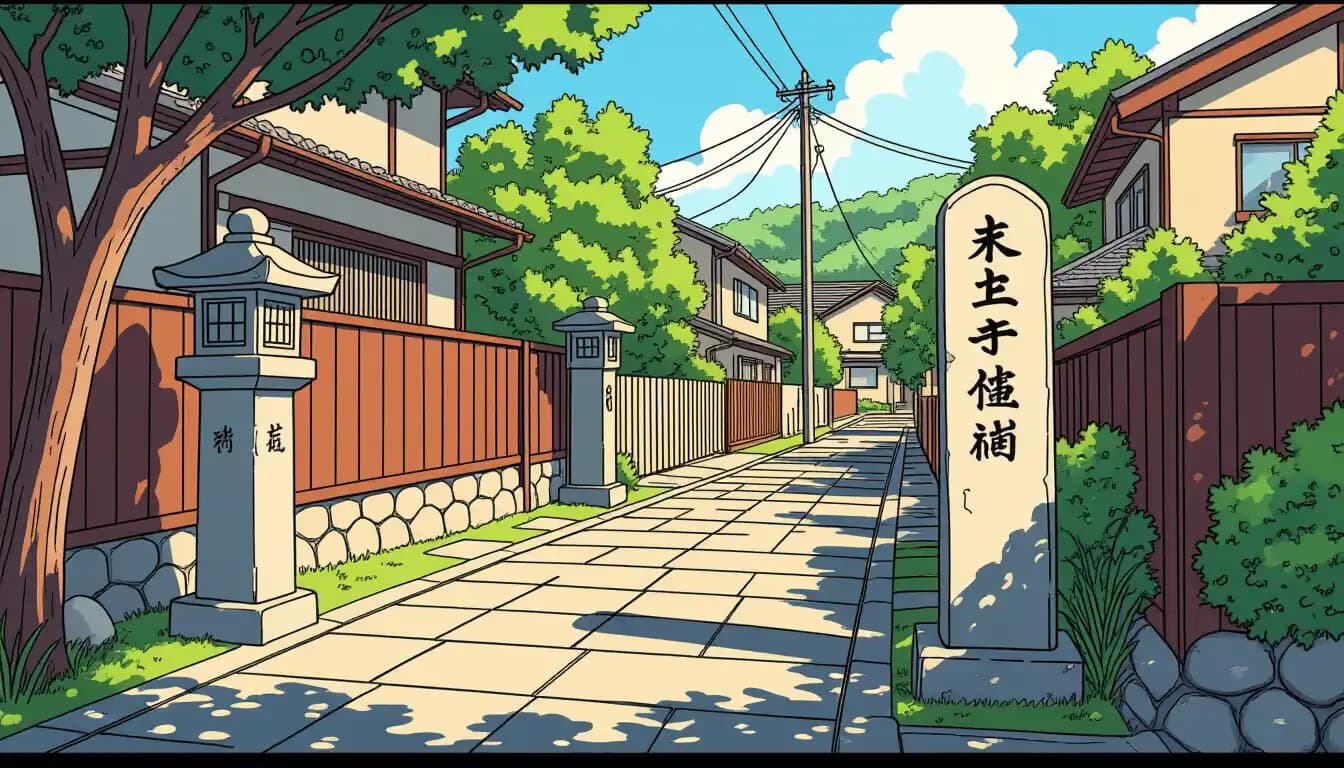
Japan has a long and complex history of land surveys. Many properties were originally measured during the Meiji era using manual, analog methods that were far less precise than modern GPS-based surveys. Over the decades, boundary markers (called kyōkaihyō — 境界標) can shift, deteriorate, or disappear entirely due to construction, natural erosion, or simple neglect.
Several factors contribute to the frequency of boundary disputes in Japan:
- Old surveys: Properties surveyed decades or centuries ago may have measurements that no longer match physical reality
- Missing markers: Concrete or metal boundary posts can be moved during construction or landscaping work
- Shared driveways and private roads: Narrow roads serving multiple homes are a major source of neighbor conflict
- Densely built urban areas: In cities like Tokyo and Osaka, properties sit cheek by jowl, and a few centimeters can matter enormously
- Akiya (vacant homes): Rural abandoned properties are especially prone to encroachment and unclear boundaries over time
According to Japan's Ministry of Justice, a significant portion of land in Japan still lacks confirmed surveyed boundaries, meaning the registered area on paper may not match what you actually own on the ground. This is a particular risk for foreigners who may not be aware of the issue.
For more on the broader risks of buying property in Japan, see our guide: Complete Guide to Buying Property in Japan as a Foreigner.
Understanding Japan's Boundary Documentation System
Before you can prevent disputes, you need to understand the documents that define your property boundaries in Japan. There are two key documents:
1. Chiseki-zu (地積図) — Cadastral Map This is the registered land survey map held at the Legal Affairs Bureau (homukyoku). It shows the shape, size, and location of your plot. Importantly, it also shows adjacent properties, which helps you verify whether anyone has encroached on your land.
2. Tochi Sokuryo-zu (土地測量図) — Land Plot Diagram This is a more detailed survey diagram that records the precise dimensions and boundary points of your parcel. It was originally submitted when the land was first formally surveyed and registered.
Both documents can be obtained from your local Legal Affairs Bureau for a small fee (usually a few hundred yen per document). You can also request them through the online registry system. Reviewing these documents before purchase is a fundamental step that many buyers — especially foreigners — skip.
Tip: If the survey diagram on file is very old (pre-1980s), the measurements are likely to be less accurate. In this case, you should commission a new survey before buying.
| Document | Japanese Name | Where to Get It | Cost | What It Shows |
|---|---|---|---|---|
| Cadastral Map | 地積図 (Chiseki-zu) | Legal Affairs Bureau | ~450 yen | Parcel shape, size, location |
| Land Plot Diagram | 土地測量図 (Tochi Sokuryo-zu) | Legal Affairs Bureau | ~450 yen | Precise boundary measurements |
| Land Register | 土地登記簿 (Tochi Toki-bo) | Legal Affairs Bureau | ~600 yen | Owner info, encumbrances |
| Public Road Map | 道路台帳 (Doro Daichō) | Municipal Office | Free/small fee | Road frontage verification |
| Confirmed Survey | 確定測量図 (Kakutei Sokuryo-zu) | From Seller | N/A | Neighbor-approved boundaries |
The Most Important Step: Requesting a Confirmed Survey
A confirmed survey (kakutei sokuryo — 確定測量) is the gold standard for boundary verification in Japan. Unlike a simple registered survey, a confirmed survey requires:
- A licensed land surveyor (tochi kaoku chosashi) to physically visit and measure the property
- All adjacent landowners to review the results and formally agree on the boundaries
- A signed agreement from each neighbor confirming they accept the established boundary lines
- Final submission to the Legal Affairs Bureau to update the official records
This process typically takes one to three months and costs ¥300,000 to ¥800,000 depending on the size and complexity of the property. For properties in dense urban areas with multiple neighbors, costs can exceed ¥1 million.
Why it matters: If your seller does not have a confirmed survey, you are essentially buying property with uncertain boundaries. Any neighbor who later disagrees with where the line falls can initiate a dispute — and Japanese real estate litigation is slow and expensive.
Negotiating tip: You can and should include a confirmed survey as a condition of sale in your purchase contract. Ask your real estate agent to insert a clause requiring the seller to obtain and pay for a confirmed survey before closing. Many sellers will agree, especially in a buyer's market. For more on the purchase process, see our Step-by-Step Home Buying Process in Japan.
Hiring a Licensed Land Surveyor
If you are buying a property with any doubt about the boundaries, hiring your own licensed land surveyor (tochi kaoku chosashi — 土地家屋調査士) is money well spent. These professionals are registered with the Japan Land and House Investigator Association (Nihon Tochi Kaoku Chosashi Kai) and are legally authorized to perform boundary surveys.
What a surveyor will do:
- Locate existing boundary markers on the ground and compare with registered maps
- Identify any missing or moved markers
- Measure actual distances between points and compare with registered dimensions
- Flag any discrepancies or potential encroachments
- Prepare a formal report you can use in negotiations or legal proceedings
Typical fees:
- Basic boundary check: ¥50,000–¥150,000
- Full confirmed survey (with neighbor agreements): ¥300,000–¥800,000+
- Emergency dispute resolution survey: ¥150,000–¥300,000+
To find a surveyor, ask your real estate agent for a referral, or search the Japan Land and House Investigator Association's directory. For properties in rural areas, you may need to look in the nearest city.
For more information about legal procedures when buying property in Japan, visit Legal Procedures and Documentation for Japan Property Purchase.
Common Types of Boundary Disputes — and How to Spot Them
Understanding what boundary disputes look like helps you identify warning signs during your property inspection. Here are the most common types:
1. Encroachment Disputes A neighbor's fence, wall, or building extends onto your land. This is surprisingly common in older neighborhoods where structures were built before boundary records were clear. Look carefully at fences, retaining walls, and overhanging eaves during your site visit.
2. Access Road Disputes Many properties in Japan access the public road via a shared private road or narrow alleyway. If the road ownership or maintenance responsibilities are unclear, disputes can arise about who pays for repairs or whether the access can be blocked. Always check how your property connects to the public road.
3. Shared Wall Disputes In nagaya-style (row house) or tightly packed urban properties, walls may sit exactly on the boundary line and technically belong to both properties. If one owner wants to demolish or rebuild, disputes can arise over who has the right to modify the wall.
4. Water Drainage Disputes Roof water drainage and underground pipes sometimes cross property lines. If your property was built with a drain that empties onto a neighbor's land, and the neighbor later objects, you could face a costly legal battle.
5. Survey Error Disputes Even properties with survey diagrams on file can have errors. If the registered area differs significantly from the actual measured area, either you or your neighbor may have a legal claim. Always compare the registered area with the actual measured dimensions.
For more on understanding the risks of property ownership in Japan, visit Bamboo Routes' guide to Japan property risks.
Step-by-Step: How to Prevent Boundary Disputes Before You Buy
Here is a practical checklist to follow before signing any purchase contract:
Step 1: Obtain Registry Documents Visit or contact the local Legal Affairs Bureau to request the chiseki-zu (cadastral map) and tochi sokuryo-zu (land plot diagram) for the property. Review them carefully to understand the registered boundary and area.
Step 2: Inspect the Physical Markers Visit the property and physically locate the boundary markers. They may be concrete posts, metal pins embedded in the ground, or X marks cut into pavement. If any are missing, this is a red flag.
Step 3: Check Adjacent Properties Walk the perimeter and look for any fences, walls, or structures that might be encroaching across the boundary line. Ask the seller or agent about any history of neighbor disputes.
Step 4: Verify Road Frontage Confirm that the property has legal direct access to a public road with a minimum frontage as required by building regulations (usually 2 meters under the Building Standards Act). Check ownership of any private road you must cross to reach the property.
Step 5: Request a Confirmed Survey Ask the seller to provide or obtain a confirmed survey with neighbor sign-off. If the seller refuses or the survey reveals disputes, factor this heavily into your decision and price.
Step 6: Hire Your Own Surveyor (Optional but Recommended) For older properties, rural properties, or any case where boundaries seem unclear, hire your own land surveyor independently to verify the results.
Step 7: Check with the Municipality Visit the local municipal office to check for any road zone designations, easements, or public utility lines that may cross or border your property.
For a complete overview of all costs involved in buying property in Japan, see our article on Hidden Costs and Fees When Buying Property in Japan.
What to Do If You're Already in a Dispute
If you discover a boundary dispute after purchase — or inherit one from a previous owner — you have several options:
1. Neighbor Negotiation The first step is always direct, respectful negotiation. In Japanese culture, maintaining harmonious neighbor relations (kinjo-zukiai) is highly valued. Bring the official survey documents and propose a joint survey with a licensed surveyor. Most disputes are resolved at this stage.
2. Judicial Boundary Demarcation If negotiation fails, you can apply to the Legal Affairs Bureau for a formal boundary demarcation (筆界特定 — hitsukai tokutei). A registrar expert will review the documents, conduct a field survey, and issue an official determination of the legal boundary. This process typically costs ¥50,000–¥100,000 in fees and takes 6–12 months, but it does not require litigation and is binding.
3. Civil Litigation If you need to enforce your rights beyond demarcation, you can file a civil lawsuit (境界確定訴訟 — kyōkai kakutei sosho). This is slow and expensive — litigation can take 2–5 years and cost hundreds of thousands of yen in legal fees. It is rarely the best option and should be a last resort.
4. Mediation The Japan Legal Support Center (Nihon Horitsu Shien Sentā — known as "Houterasu") offers low-cost mediation services. This is a good option when both parties are willing but cannot agree.
For more information on navigating Japan's property legal procedures, see Legal Procedures and Documentation for Japan Property Purchase. You can also learn more about the overall process from Living in Nihon's property buying guide.
Resources and Further Reading
Navigating property boundaries in Japan requires understanding both the legal system and the practical realities on the ground. Here are some key resources:
- Legal Affairs Bureau (法務局): The official authority for property registration and cadastral records. Visit your local branch to obtain survey documents and request boundary demarcation services.
- Japan Land and House Investigator Association: The professional body for licensed surveyors who can perform boundary surveys and represent you in disputes.
- Houterasu (Japan Legal Support Center): Free and low-cost legal advice and mediation for property disputes.
For foreigners navigating Japan's property market, it's also worth consulting specialist resources:
- Living in Nihon — Property Buying and Mortgage Guide: Comprehensive guide covering the purchase process including legal considerations
- For Work in Japan — Housing Guide for Foreigners: Essential housing information for foreign residents of Japan
- Gaijin Buy House — Foreign Buyer Case Studies: Real-world experiences from foreigners who have successfully purchased property in Japan
- Akiya & Inaka — Due Diligence Guide: Detailed guide on property due diligence specifically for rural and akiya purchases
Understanding property taxes and annual costs and mortgage options for foreigners are also key steps in planning your purchase.
Conclusion
Property boundary disputes in Japan are a real and preventable risk. The good news is that with the right due diligence — obtaining cadastral documents, requesting a confirmed survey, and hiring a licensed land surveyor when needed — you can protect yourself from the most common problems. Don't let the complexity of Japan's land survey system catch you off guard. A few hundred thousand yen spent on proper verification before purchase is far better than years of litigation after the fact.
Take the time to verify your boundaries before you buy, and you'll be able to enjoy your Japanese home with the confidence that what you own is clearly and legally defined.

Originally from Vietnam, living in Japan for 16+ years. Graduated from Nagoya University, with 11 years of professional experience at Japanese and international companies. Sharing information about buying property in Japan for foreigners.
View Profile →Related Articles

Consumer Protection Rights for Foreign Property Buyers in Japan
Complete guide to consumer protection rights for foreign property buyers in Japan. Learn about the Statement of Important Matters, mandatory warranties, title registration, and dispute resolution options available to non-Japanese buyers.
Read more →
Legal Dispute Resolution for Property Issues in Japan
Facing a property dispute in Japan? Learn how to resolve legal issues as a foreigner — from mediation and arbitration to court litigation. Practical step-by-step guide with costs, timelines, and attorney tips.
Read more →
Due Diligence Mistakes That Cost Foreign Buyers in Japan
Discover the most costly due diligence mistakes foreign buyers make when purchasing property in Japan — from title verification failures to hidden fees, scams, and seismic safety oversights. Includes a complete checklist.
Read more →
Skipping Property Inspection: Consequences and How to Avoid
Skipping a property inspection in Japan can cost you millions of yen in hidden defects. Learn what happens when you skip, how much inspections cost, and how to protect yourself as a foreign buyer.
Read more →
Rushing the Purchase: Why Taking Your Time Matters in Japan
Discover why patience is essential when buying property in Japan. Learn the real costs of rushing a purchase, what due diligence steps take time, and how to protect yourself as a foreign buyer.
Read more →
Language Barrier Mistakes When Buying Property in Japan
Avoid costly language barrier mistakes when buying property in Japan. Learn how to handle Japanese contracts, mortgage documents, and legal disclosures as a foreign buyer.
Read more →