
Language Barrier Mistakes When Buying Property in Japan

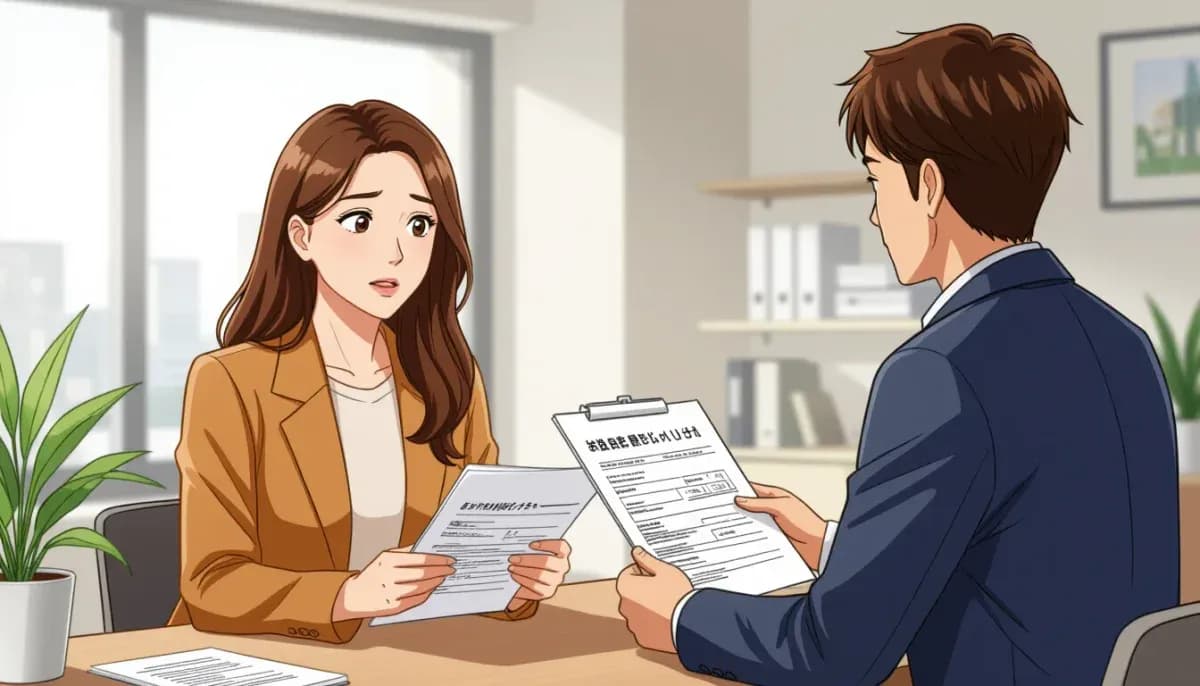
Avoid costly language barrier mistakes when buying property in Japan. Learn how to handle Japanese contracts, mortgage documents, and legal disclosures as a foreign buyer.
Language Barrier Mistakes When Buying Property in Japan
Buying property in Japan as a foreigner is an exciting venture — but for those who don't speak Japanese, the language barrier is one of the biggest obstacles standing between you and a successful purchase. According to a survey of foreign buyers, 40% cited language barriers as their number-one challenge, ranking above financing difficulties (25%) and unclear procedures (20%). Whether you're navigating contracts, mortgage applications, or negotiations with sellers, misunderstandings rooted in language can cost you thousands of dollars — or kill a deal entirely.
This guide covers the most common language barrier mistakes foreigners make when buying property in Japan, and how to avoid them at every stage of the process.
Mistake #1: Relying on Machine Translation for Legal Documents
One of the most dangerous mistakes is running official Japanese real estate documents through Google Translate or DeepL and assuming the output is legally accurate. While AI translation tools have improved dramatically, they still struggle with:
- Legal terminology (hōritsu yōgo) — Terms like joto (transfer of ownership), teishaku chiken (fixed-term land lease rights), or tatemono kanri kumiai (building management association) have very specific meanings that machine translation routinely gets wrong.
- Ambiguous particle usage — Japanese grammar particles can completely change the meaning of a clause. A mistranslated particle can flip a seller's obligation into a buyer's obligation.
- Footnotes and supplementary clauses — These sections often contain the most consequential restrictions (e.g., no subletting, required renovation standards, parking rules) and are frequently ignored or garbled.
The solution: Always hire a certified real estate translator or work with a bilingual licensed realtor (fudōsan kanteishi) who can explain every clause in plain English. For the legal procedures and documentation involved in Japan property purchase, professional translation is non-negotiable.
Mistake #2: Misunderstanding the Jūyo Jikō Setsumei Sho (Important Matters Explanation)
The Jūyo Jikō Setsumei Sho (重要事項説明書) is one of the most critical documents in any Japanese real estate transaction. By law, a licensed real estate agent must read this document to the buyer in person before the sale contract is signed. The problem? This explanation is conducted entirely in Japanese.
This document covers:
- Legal restrictions on the property (zoning, setback requirements, rebuild permissions)
- Known defects and repair history
- Management fees and repair reserves for condominiums
- Neighboring land and infrastructure details
Foreign buyers who don't understand Japanese often nod along without grasping that:
- The property sits in a flood-risk zone
- The building cannot be rebuilt to the same size due to zoning changes
- A large special repair assessment (tokubetsu shūzen tsumitate) is scheduled within the next 2 years
The solution: Request that the explanation session be attended by a bilingual interpreter. Some agencies offer bilingual jūyo jikō explanations — always confirm this is available before choosing an agent. See our guide on step-by-step home buying in Japan for foreigners for what to expect at each stage.
Mistake #3: Failing to Negotiate Due to Language Gaps
In Japan, real estate prices are often negotiable — but most foreign buyers don't realize this because the negotiation process is subtle and conducted in Japanese. Common errors include:
- Accepting the listed price without negotiating — especially for older properties (chūko bukken), discounts of 5–15% are common but rarely offered outright.
- Not asking about included fixtures and appliances — sellers may take air conditioning units, lighting, and kitchen appliances unless these are explicitly listed in the contract.
- Missing repair and renovation concessions — if the property has known defects, buyers can often negotiate a price reduction or require repairs before handover.
Without Japanese ability, many buyers rely entirely on their agent — but agents working for the seller (or dual agents) have an incentive to close deals quickly rather than advocate for the buyer's best interests.
The solution: Use a dedicated buyer's agent who is fully bilingual and contractually obligated to represent your interests. Read our complete guide to buying property in Japan as a foreigner for tips on choosing the right representation.
Mistake #4: Ignoring Japanese-Only Disclosures and Hidden Clauses
Japanese contracts contain clauses that have no direct equivalent in Western real estate law. Foreign buyers frequently overlook these because they are buried in dense Japanese legal text:
| Clause Type | Japanese Term | What It Means | Risk If Missed |
|---|---|---|---|
| Fixed-term lease land | 定期借地権 (Teishaku Chiken) | You own the building but lease the land for a fixed term (50–70 years) | Unexpected land lease expiry; cannot renew indefinitely |
| Old earthquake standard | 旧耐震基準 (Kyū Taishin Kijun) | Built before 1981; may not meet current seismic standards | Higher risk in earthquakes; harder to resell or get loans |
| Special repair reserve shortfall | 修繕積立金不足 | Condo repair fund is underfunded | You may face a large special assessment payment |
| Subletting prohibition | 転貸禁止 | You cannot rent out the property to third parties | Kills any rental investment strategy |
| Road setback obligation | 道路後退義務 (Dōro Kōtai) | You must set back your building from the road if you rebuild | Reduces usable land area significantly |
Understanding these clauses is directly tied to avoiding hidden costs and fees when buying property in Japan. A single missed clause can turn a good deal into a financial burden.
Mistake #5: Struggling with Mortgage Applications Due to Language Requirements
Applying for a Japanese mortgage as a foreigner is already challenging — add a language barrier, and the process becomes even harder. Key mistakes include:
Assuming English documentation will be accepted: Japanese banks typically prepare all mortgage documents in Japanese only. As Tokyo Portfolio notes, "Do not expect a Japanese bank to be able to provide a term sheet prepared in English." Signing documents you cannot read is a significant financial and legal risk.
Not realizing some banks require Japanese proficiency: Certain lenders require borrowers to demonstrate sufficient Japanese ability to understand the loan terms — failure to meet this standard can result in automatic rejection.
Missing the fine print on variable rates: Japan's ultra-low interest rates have made variable-rate mortgages attractive, but the adjustment clauses are explained entirely in Japanese. Many foreign buyers don't understand when rates will reset or what their maximum possible payment could be.
For a full breakdown of your financing options, see our guide on mortgages and home loans for foreigners in Japan.
Mistake #6: Not Understanding Post-Purchase Japanese Administrative Obligations
The language barrier doesn't end at closing. After purchasing property in Japan, you'll face ongoing Japanese-language administrative requirements:
- Property tax (*kotei shisanzei*) notifications — sent annually in Japanese from your local municipal office; missing payment can result in penalties
- Condominium management association meetings (*kanri kumiai sokai*) — conducted in Japanese; important decisions about the building are made here
- Local government notifications — required when you change the use of a property or begin renovation
Foreign buyers who purchase property outside major cities are particularly vulnerable. As multiple real estate experts note, living outside Tokyo with zero Japanese ability makes managing property, dealing with taxes, and engaging with local government extremely difficult.
Resources that can help: Living in Nihon's guide to buying property and mortgages in Japan covers post-purchase administrative obligations in detail. For work-related housing guidance, For Work in Japan's housing infrastructure guide provides practical advice for expats navigating daily life in Japan.
How to Protect Yourself: Building a Bilingual Support Team
The most effective way to avoid language barrier mistakes is to assemble a professional support team before you start searching:
1. Bilingual Real Estate Agent Choose an agent who is a native or near-native English speaker AND holds a Japanese takken (real estate license). Ask for references from past foreign clients. Agencies like Gaijin Buy House specialize in helping foreigners navigate the Japanese property market.
2. Certified Real Estate Translator For every document you receive — contract, jūyo jikō, management rules — commission a professional translation, not an AI tool.
3. Bilingual Property Lawyer (Bengoshi) For complex transactions, properties with unusual legal encumbrances, or dispute resolution, a bilingual bengoshi (attorney) is invaluable.
4. Bilingual Tax Accountant (Zeirishi) Japan's property tax system, capital gains rules, and inheritance tax implications for foreign owners are complex. A bilingual zeirishi ensures you meet all obligations. See our guide on property taxes and annual costs in Japan.
5. Bilingual Mortgage Broker Some brokers specialize in finding Japanese lenders willing to work with foreign buyers and can explain all terms in English before you sign anything.
Final Thoughts
Japan's real estate market offers outstanding opportunities for foreign buyers — affordable prices relative to global cities, strong rental yields in urban areas, and a transparent legal system. But the language barrier remains a real and costly obstacle for those who underestimate it.
By understanding the specific mistakes outlined here — from machine-translated contracts to misunderstood mortgage terms — you can approach your purchase with confidence. The key is not to eliminate the language barrier overnight, but to build the right team around you that bridges the gap professionally.
For a comprehensive overview of all the pitfalls foreign buyers face, visit our pillar guide on common mistakes and scams to avoid when buying property in Japan. And if you're still in the research phase, understanding Japan's real estate market trends is a great next step.
For additional reading on navigating Japan's property market as a foreigner, Cheap Houses Japan's guide for foreign buyers and Tokyo Portfolio's property buying overview offer practical insights from experienced expat investors.

Originally from Vietnam, living in Japan for 16+ years. Graduated from Nagoya University, with 11 years of professional experience at Japanese and international companies. Sharing information about buying property in Japan for foreigners.
View Profile →Related Articles
Consumer Protection Rights for Foreign Property Buyers in Japan
Complete guide to consumer protection rights for foreign property buyers in Japan. Learn about the Statement of Important Matters, mandatory warranties, title registration, and dispute resolution options available to non-Japanese buyers.
Read more →
Legal Dispute Resolution for Property Issues in Japan
Facing a property dispute in Japan? Learn how to resolve legal issues as a foreigner — from mediation and arbitration to court litigation. Practical step-by-step guide with costs, timelines, and attorney tips.
Read more →
Due Diligence Mistakes That Cost Foreign Buyers in Japan
Discover the most costly due diligence mistakes foreign buyers make when purchasing property in Japan — from title verification failures to hidden fees, scams, and seismic safety oversights. Includes a complete checklist.
Read more →
Skipping Property Inspection: Consequences and How to Avoid
Skipping a property inspection in Japan can cost you millions of yen in hidden defects. Learn what happens when you skip, how much inspections cost, and how to protect yourself as a foreign buyer.
Read more →
Rushing the Purchase: Why Taking Your Time Matters in Japan
Discover why patience is essential when buying property in Japan. Learn the real costs of rushing a purchase, what due diligence steps take time, and how to protect yourself as a foreign buyer.
Read more →
Property Investment Scheme Fraud in Japan: Warning Signs
Protect yourself from property investment scheme fraud in Japan. Learn the top warning signs, common scam types targeting foreigners, and essential due diligence steps to avoid losing your money.
Read more →