
Hidden Defect Disclosure Issues in Japan Property Sales

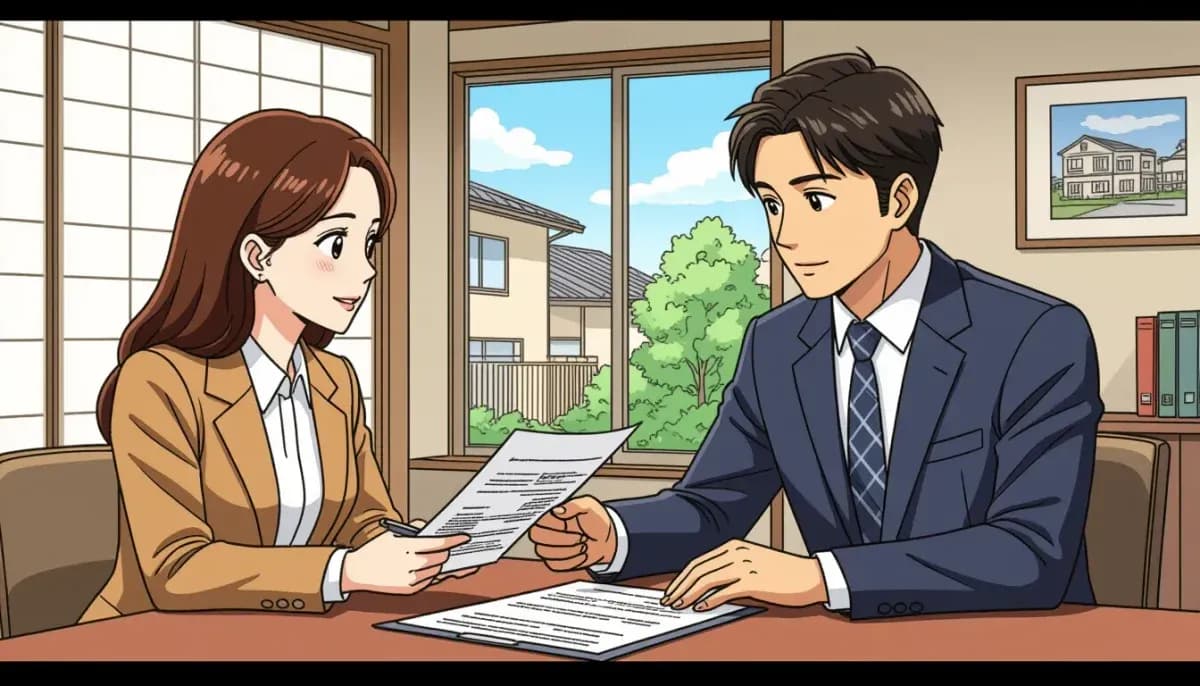
Understand Japan's hidden defect disclosure laws for property buyers. Learn about the 2020 Civil Code reform, jiko bukken, seller obligations, and how to protect yourself as a foreign buyer in Japan.
Hidden Defect Disclosure Issues in Japan Property Sales: What Every Foreign Buyer Must Know
Buying property in Japan can be one of the most rewarding investments of your life — but it also comes with a set of legal complexities that are easy to overlook if you're unfamiliar with the local system. One of the most critical — and most frequently misunderstood — aspects of Japanese real estate law is hidden defect disclosure. For foreign buyers especially, understanding what sellers are and aren't required to reveal could be the difference between a great purchase and a costly nightmare.
This guide breaks down Japan's hidden defect disclosure framework, the legal protections available to buyers, common pitfalls to avoid, and how to protect yourself when purchasing property in Japan.
What Is a "Hidden Defect" in Japan Property Law?
A hidden defect (瑕疵, kashi) refers to a defect in a property that was not apparent at the time of sale and was unknown to the buyer. In the context of Japanese real estate, hidden defects can include:
- Structural defects: Foundation cracks, roof leaks, water damage, or termite infestation
- Legal defects: Undisclosed liens, easements, or boundary disputes
- Environmental defects: Soil contamination from previous industrial use, asbestos, lead paint
- Psychological defects (shinriteki kashi): History of suicides, homicides, or unattended deaths on the property (known as jiko bukken)
- Equipment defects: Faulty plumbing, electrical systems, or HVAC that wasn't disclosed
Until 2020, Japan's Civil Code addressed these under a framework called "liability for hidden defects" (kekkan tanpo sekinin). However, a landmark amendment changed everything.
The 2020 Civil Code Reform: A Game-Changer for Buyers
In 2020, Japan amended its Civil Code to replace the old "liability for hidden defects" system with "liability for nonconformity with contract" (keiyaku futekigo sekinin). This is a significant improvement for buyers.
Under the old system, liability was limited to "hidden" defects — those that were completely unknown and not apparent. Under the new system, all defects that do not conform to what was agreed upon in the contract are covered. This means:
- Sellers are responsible for defects existing at the time of handover, not just those that were completely invisible
- Buyers can request repairs, price reductions, damages, or contract cancellation depending on the severity
- Sellers must now be more careful about what they represent in purchase agreements
- The scope of what constitutes a "defect" is broader and more buyer-friendly
Key practical implication: The contract terms matter enormously. Whatever the seller represents about the property's condition becomes the legal benchmark. If the actual condition doesn't match, you have legal recourse.
For a complete overview of the legal documentation involved in Japanese property purchases, see our guide on Legal Procedures and Documentation for Japan Property Purchase.
The Seller's Disclosure Obligations: What They Must Tell You
The Explanation of Important Matters (重要事項説明書)
Here is something that surprises many foreign buyers: sellers in Japan are not under a general legal duty of disclosure. However, this doesn't leave buyers unprotected — because licensed real estate brokers are legally required to prepare and deliver the "Explanation of Important Matters" (Juyou Jikou Setsumeisho) to the buyer in writing, and to explain it verbally before the purchase agreement is signed.
This document, which can range from 20 to 100 pages, must cover:
| Category | What Must Be Disclosed |
|---|---|
| Property & Land | Boundary disputes, land size accuracy, easements, zoning classification |
| Legal Encumbrances | Existing mortgages, liens, rights of third parties |
| Building Restrictions | Rebuilding limitations (e.g., road frontage requirements), setback rules |
| Utilities | Locations of sewage, water, gas, and electrical infrastructure |
| Environmental | Asbestos presence, soil contamination risk from prior commercial use |
| Structural | Known defects in the building |
| Condominium-Specific | Management fees, repair reserve funds, HOA rules, parking rights |
| Transaction Terms | Loan cancellation conditions, earnest money terms, warranty terms |
| Psychological Defects | History of deaths, suicides, homicides (see below) |
The key word is "known" — the broker must disclose defects that are known at the time. This is why conducting your own due diligence is so important.
For a step-by-step walkthrough of the property purchase process, see Step-by-Step Home Buying Process in Japan for Foreigners.
Stigmatized Properties (事故物件, Jiko Bukken): A Special Category
One area of hidden defect disclosure that catches many foreign buyers off guard is the concept of jiko bukken — "accident properties" or stigmatized properties. These are homes where:
- Suicides or homicides occurred
- Fires with fatalities took place
- Natural deaths occurred that required "special cleaning" (biohazard remediation due to decomposition)
- The property has proximity to certain facilities considered inauspicious (crematoria, certain organized crime associations)
What Must Be Disclosed?
Under the 2021 MLIT (Ministry of Land, Infrastructure, Transport and Tourism) guidelines, agents must disclose:
- Suicides and homicides (no time limit on sales)
- Deaths from fires or accidents
- Unexplained or suspicious deaths
- Natural deaths that required specialized "special cleaning"
Agents are not required to disclose:
- Natural deaths without special cleanup needs
- Deaths in neighboring properties
- Minor household accidents
- For rentals: incidents more than three years old (but for property sales, no official time limit applies)
Market Impact of Jiko Bukken
The financial reality of stigmatized properties is stark: jiko bukken typically sell 10–30% below comparable market-rate properties. This price discount attracts some investors — and has become a particularly common target for foreign buyers looking for bargain prices.
However, the risks are real. Neighbors may know the property's history even if the official disclosure period has passed. Resale can be difficult, and rental income may be lower than expected. Always ask directly about the property's history and request any available documentation.
Learn more in our guide on Common Mistakes and Scams to Avoid When Buying Property in Japan.
Common Hidden Defect Disclosure Problems for Foreign Buyers
Even with the legal framework in place, foreign buyers frequently encounter disclosure issues. Here are the most common problems:
1. Language Barrier
The Explanation of Important Matters is written in Japanese. While your agent may verbally explain the highlights, critical details buried in the document can be missed. If you don't read Japanese, you need a qualified translator or bilingual real estate lawyer to review the full document before signing.
2. "As-Is" Clauses (現状渡し, Genjou Watashi)
Many second-hand properties in Japan — particularly older ones and akiya (vacant homes) — are sold "as-is." This means:
- The seller disclaims liability for post-handover defects
- Your legal recourse under the nonconformity framework is significantly limited
- What you see (and test yourself) during viewings is essentially all you get
Always carefully negotiate the as-is clause, and always commission a professional home inspection before agreeing to it.
3. Sellers Who Don't Know About Defects
Not all hidden defects are the result of seller bad faith. Inherited properties are particularly risky — heirs may genuinely not know about termite damage, old asbestos insulation, or problematic soil conditions. The Civil Code still holds sellers liable even in these cases, but recovering damages from a good-faith seller who is also cash-strapped can be very difficult in practice.
4. Soil Contamination
Properties where dry cleaners, gas stations, factories, or other commercial operations once operated may have contaminated soil. This is a known defect that must be disclosed if the seller is aware — but if no survey has ever been done, neither seller nor broker may know. Always ask about prior land use, especially for older commercial or industrial plots.
5. Undisclosed Boundary Disputes
Boundary disputes between neighboring properties are surprisingly common in older Japanese neighborhoods where property boundaries were never precisely registered. These must be disclosed in the Explanation of Important Matters, but disputes that haven't yet become "formal" may be omitted.
For more on due diligence when evaluating properties, see Hidden Costs and Fees When Buying Property in Japan.
Your Legal Recourse When Defects Are Found After Purchase
If you discover a hidden defect after purchasing, Japan's Civil Code gives you several options — but timing matters.
Notification Requirement
Under the reformed Civil Code, you must notify the seller within a reasonable time after discovering the defect. The general guideline is to notify as soon as possible, and failure to do so promptly can limit your remedies.
The statute of limitations runs 5 years from when you knew or should have known about the defect, and 10 years from handover — whichever comes first.
Available Remedies
| Remedy | When Available |
|---|---|
| Repair (onaoshi) | Seller can remedy the defect |
| Price Reduction | When repair isn't appropriate or isn't done |
| Damages | For losses caused by the defect |
| Contract Cancellation | When defect makes property unfit for intended purpose |
In practice, negotiation is the norm before litigation. Japan's court system is slow and expensive, and most defect disputes are resolved through direct negotiation or via mediation through the Real Estate Transaction Dispute Resolution Organization (Fudousan Torihiki Funso Shori Shien Kiko).
How to Protect Yourself: A Practical Checklist
Before Signing
- [ ] Get the full Explanation of Important Matters in advance — you have the right to review it before the formal explanation session
- [ ] Hire a bilingual real estate lawyer to review all documents
- [ ] Commission a professional home inspection (houmu insupekushon) — this is not legally required but is strongly recommended
- [ ] Ask directly about jiko bukken history — put the question in writing
- [ ] Research the land's prior use — check municipal records or the Zenrin map database
- [ ] Verify boundaries — request a certified land survey (jibyou) if not recently done
- [ ] Check asbestos inspection records — required for buildings built before 2006
- [ ] Investigate the building's repair history (especially for condominiums)
During Negotiations
- [ ] Negotiate the warranty period — try to extend seller liability beyond the standard short period
- [ ] Be wary of blanket "as-is" clauses — negotiate carve-outs for major structural or environmental defects
- [ ] Ensure the contract explicitly describes the property's condition — the more detailed, the better your protection
After Purchase
- [ ] Document everything from day one — photograph condition at handover
- [ ] Don't delay if you find something — notify the seller promptly in writing
- [ ] Consult a lawyer immediately if the defect is serious
For detailed guidance on property viewings and what to look for, check out Living in Nihon's step-by-step property buying guide and the property viewing checklist at Gaijin Buy House.
Professional Home Inspections in Japan: Are They Worth It?
Japan's home inspection industry (houmu insupekushon) has grown significantly since 2018, when inspection disclosure became part of the standard transaction process. However, unlike in some Western countries, home inspections are not yet standard practice in Japan, and many buyers skip them — to their later regret.
A typical home inspection in Japan costs ¥50,000–¥150,000 and covers:
- Structural integrity (foundation, framing, roof)
- Water damage and moisture intrusion
- Electrical and plumbing systems
- Presence of termites
- Exterior condition
For older properties — particularly pre-1981 buildings that may not meet modern earthquake standards — an inspection is essentially non-negotiable. The cost of a professional inspection is a tiny fraction of what you'll spend on repairs if a major defect is discovered after handover.
For general housing and infrastructure information relevant to living in Japan, For Work in Japan's housing guide provides useful context for foreign residents.
Hidden Defects in Condominiums (Manshon): Special Considerations
Condominium (manshon) purchases come with an additional layer of disclosure complexity. Beyond the individual unit's condition, you need to investigate:
- Management fee arrears: Has the previous owner paid all fees? Arrears transfer with ownership.
- Long-term repair reserve fund: Is it adequately funded? Underfunded reserves mean future special assessments.
- Planned major repairs: Scheduled elevator replacements, rooftop waterproofing, or other work could mean large assessments in the near future.
- Management company quality: A poorly managed building leads to faster deterioration and lower resale value.
- Building age and seismic compliance: Was the building built before 1981 (old seismic standards)?
All of these must be disclosed in the Explanation of Important Matters, but you should independently verify by requesting the building's 管理組合議事録 (management association meeting minutes) for the past 3–5 years.
For a comprehensive guide to property costs and ongoing ownership expenses, see Property Taxes and Annual Costs of Owning Property in Japan.
Key Takeaways
Understanding hidden defect disclosure in Japan is not just about legal protection — it's about making a smart, informed investment. Here's what to remember:
- Japan's 2020 Civil Code reform expanded buyer protections from narrow "hidden defects" to broader "nonconformity with contract"
- Sellers have no general disclosure duty, but licensed brokers must provide a comprehensive written Explanation of Important Matters
- Jiko bukken (stigmatized properties) must be disclosed, and they typically sell 10–30% below market
- "As-is" clauses significantly limit your recourse — always get a professional inspection before accepting them
- Language barriers are a real risk — always have a bilingual lawyer review your purchase documents
- Notify promptly if you discover defects after purchase — delay limits your legal remedies
- Professional home inspections are not standard in Japan but are strongly recommended, especially for older properties
For more on protecting yourself during the Japan property purchase process, read our complete guide on Can Foreigners Buy Property in Japan? Legal Rights and Restrictions.
Additional resources:

Originally from Vietnam, living in Japan for 16+ years. Graduated from Nagoya University, with 11 years of professional experience at Japanese and international companies. Sharing information about buying property in Japan for foreigners.
View Profile →Related Articles

Consumer Protection Rights for Foreign Property Buyers in Japan
Complete guide to consumer protection rights for foreign property buyers in Japan. Learn about the Statement of Important Matters, mandatory warranties, title registration, and dispute resolution options available to non-Japanese buyers.
Read more →
Legal Dispute Resolution for Property Issues in Japan
Facing a property dispute in Japan? Learn how to resolve legal issues as a foreigner — from mediation and arbitration to court litigation. Practical step-by-step guide with costs, timelines, and attorney tips.
Read more →
Due Diligence Mistakes That Cost Foreign Buyers in Japan
Discover the most costly due diligence mistakes foreign buyers make when purchasing property in Japan — from title verification failures to hidden fees, scams, and seismic safety oversights. Includes a complete checklist.
Read more →
Skipping Property Inspection: Consequences and How to Avoid
Skipping a property inspection in Japan can cost you millions of yen in hidden defects. Learn what happens when you skip, how much inspections cost, and how to protect yourself as a foreign buyer.
Read more →
Rushing the Purchase: Why Taking Your Time Matters in Japan
Discover why patience is essential when buying property in Japan. Learn the real costs of rushing a purchase, what due diligence steps take time, and how to protect yourself as a foreign buyer.
Read more →
Language Barrier Mistakes When Buying Property in Japan
Avoid costly language barrier mistakes when buying property in Japan. Learn how to handle Japanese contracts, mortgage documents, and legal disclosures as a foreign buyer.
Read more →