
Consumer Protection Rights for Foreign Property Buyers in Japan


Complete guide to consumer protection rights for foreign property buyers in Japan. Learn about the Statement of Important Matters, mandatory warranties, title registration, and dispute resolution options available to non-Japanese buyers.
Consumer Protection Rights for Foreign Property Buyers in Japan
Buying property in Japan as a foreigner comes with a unique set of legal protections that many international buyers are unaware of. Japan's real estate regulatory framework provides robust consumer safeguards — and in many ways, foreign buyers enjoy the same legal protections as Japanese citizens. However, navigating these protections requires understanding which laws apply, what disclosures are mandatory, and where the gaps exist.
This guide walks you through the key consumer protection rights available to foreign property buyers in Japan, the laws that enforce them, and practical steps you can take to protect yourself throughout the purchase process.
Equal Property Rights for Foreign Buyers
One of the most important facts foreign buyers need to know: Japan places no nationality-based restrictions on real estate ownership. Foreigners can purchase residential property, commercial real estate, and land with the same ownership rights as Japanese citizens. Ownership is freehold, has no expiration, and can be freely transferred or inherited.
This equal-rights principle extends to consumer protections. Licensed real estate agents, attorneys, and judicial scriveners must apply the same legal standards regardless of whether their client is Japanese or foreign. The law does not permit reduced disclosures or lesser obligations when dealing with non-Japanese buyers.
The one notable exception involves agricultural land and land near designated sensitive facilities (such as military installations or water treatment facilities). Purchases of these categories require special government approval under the Foreign Exchange and Foreign Trade Act, and as of July 1, 2025, large land purchases require disclosure of the buyer's nationality under amendments to the National Land Use Planning Act.
For standard residential and investment property purchases, however, you are fully protected under Japanese consumer law.
For a complete overview of the legal framework, see Japan Property Law and Regulations for Foreigner Rights at Gaijin Buy House.
The Three Core Laws Protecting Property Buyers
Japan's property consumer protections are distributed across multiple statutes rather than a single unified consumer protection law. Three core laws are most relevant for foreign buyers:
| Law | Japanese Name | Key Protection for Buyers |
|---|---|---|
| Real Estate Brokerage Act | 宅地建物取引業法 | Mandates licensed agents, requires Statement of Important Matters |
| Consumer Contract Act | 消費者契約法 | Invalidates contract clauses that unfairly prejudice consumers |
| Housing Quality Assurance Promotion Law | 住宅の品質確保の促進等に関する法律 | 10-year structural defect warranty on new homes |
| Building Standards Act | 建築基準法 | Minimum construction safety and habitability standards |
| Real Estate Registration Law | 不動産登記法 | Protects ownership through formal title registration |
Real Estate Brokerage Act is the most immediately relevant. It requires that only licensed real estate companies (holding an official 宅建 license displayed at their office) may conduct property transactions. Unlicensed brokers operating outside this system are illegal — and a red flag worth watching for.
Consumer Contract Act provides a backstop against abusive contract terms. If a contract clause unreasonably restricts your rights, limits the seller's liability, or creates a significant imbalance at your expense, it may be legally unenforceable under this act. This is particularly relevant when reviewing exemption clauses in purchase agreements.
Housing Quality Assurance Promotion Law matters most for new construction. Under this law, sellers of new homes must provide a mandatory 10-year warranty against structural defects — and they must back that warranty with either warranty insurance or a court deposit, ensuring coverage even if the builder goes bankrupt.
For more details on buying legally in Japan, the Complete Guide to Buying Property in Japan as a Foreigner covers the end-to-end process.
The Statement of Important Matters: Your Most Critical Protection
The single most important consumer protection in Japanese real estate is the Statement of Important Matters (重要事項説明書, jūyō jikō setsumei). This document is legally required before any property transaction is concluded.
Your licensed agent is legally obligated to:
- Prepare this document covering all material facts about the property
- Have it reviewed and signed by a qualified real estate transaction specialist (宅地建物取引士)
- Deliver it to you before you sign the purchase agreement
- Explain its contents verbally (or in writing for digital transactions)
The Statement must disclose:
- Property boundaries and land rights — ownership extent, easements, shared access rights
- Known defects — structural issues, water damage history, any previous incidents on the property
- Legal encumbrances — existing mortgages, liens, or legal restrictions on the land
- Management details (for condominiums) — management fees, repair reserve fund status, building rules
- Zoning and use restrictions — what you can and cannot build or renovate
- Transaction terms — deposit conditions, conditions for contract cancellation
If the agent fails to provide this document, provides false information, or omits material facts, they can face license revocation and civil liability. This is not a formality — it is a legally enforceable obligation.
Language considerations: The Statement is required to be delivered in Japanese. However, the law also requires that agents explain it in "accessible language" — and reputable agents working with foreign clients should provide translations or at least verbal explanations in English or your language. If your agent refuses to explain the document in a language you understand, that is a serious warning sign. Consider requesting a bilingual agent or hiring an independent interpreter.
For help navigating the legal documentation process, see Legal Procedures and Documentation for Japan Property Purchase.
Title Registration and Fraud Prevention
Ownership in Japan is only legally recognized once registered at the Legal Affairs Bureau (法務局, Hōmukyoku). Until registration is complete, your ownership claim is not protected against third-party claims.
This is why the closing process in Japan includes a judicial scrivener (司法書士, shihō shoshi). This licensed professional:
- Verifies the identity of all parties
- Confirms that all closing documents are legally proper
- Submits the registration application to the Legal Affairs Bureau on your behalf
- Ensures the title is free of outstanding encumbrances before funds are released
This role is a formal anti-fraud mechanism built into the transaction process. The judicial scrivener acts as an independent check that the transaction is legitimate and that you are receiving clear title to the property you are paying for.
2024 amendment note: Changes to the Real Estate Registration Law now require foreign property owners who do not have a registered Japanese address to designate a domestic contact person (连絡先). This is a regulatory measure for government notification purposes and does not affect your ownership rights.
For guidance on working with professionals in the buying process, the Step-by-Step Home Buying Process in Japan for Foreigners article explains each stage in detail.
Mandatory Reporting Requirements for Foreign Buyers
Foreign buyers face additional compliance requirements that Japanese buyers do not. Failing to meet these obligations can result in penalties, so it is important to understand them:
Bank of Japan Notification: Under the Foreign Exchange and Foreign Trade Control Act, foreign buyers must file a notice with the Bank of Japan (通知) within 20 days of signing the purchase contract. In practice, your judicial scrivener or real estate agent will often handle this on your behalf — but confirm this explicitly before closing.
Nationality Disclosure (from July 2025): For larger land transactions, the National Land Use Planning Act now requires disclosure of the buyer's nationality to local authorities. This is a national security measure and has minimal practical impact on standard residential purchases, but you should be aware it exists.
Tax Representative: Non-resident property owners must appoint a domestic tax representative (納税管理人) to handle annual property tax payments and filings. This is mandatory — failure to appoint one can complicate tax collection and create legal complications for you as an owner.
These requirements are separate from and additional to your consumer protection rights. They are obligations you must fulfill, not protections that apply to you.
Read more about the financial and tax implications at Property Taxes and Annual Costs of Owning Property in Japan.
Warranty Protections for New and Existing Homes
New construction: As noted above, the Housing Quality Assurance Promotion Law mandates a 10-year structural defect warranty on all newly constructed homes. This covers major structural elements — foundations, load-bearing walls, roof structure. Sellers must ensure this warranty is backed by insurance or a court deposit, protecting you even if the construction company goes out of business.
Resale properties: Existing homes typically come with a 3-month warranty from the seller covering known defects discovered after closing. Modern "existing housing defect insurance" products can extend this coverage up to 5 years on resale properties — ask your agent or attorney about arranging this as a condition of purchase.
What warranties do NOT cover: Ordinary wear and tear, damage caused by the buyer after purchase, and defects that were disclosed in the Statement of Important Matters.
For guidance on insurance products including fire, earthquake, and warranty coverage, see Home Insurance and Warranty System Guide for Foreigners at Gaijin Buy House.
Dispute Resolution Options When Things Go Wrong
Despite these protections, disputes do occur. When they do, foreign buyers have several options:
Real Estate Transaction Consultation Centers: Available in each prefecture, these centers offer free consultations on real estate disputes and can mediate between buyers and licensed agents. They can also refer valid complaints to the relevant real estate associations, which have disciplinary authority over member agencies.
Consumer Affairs Agency (消費者庁): Japan's central consumer protection authority. While its primary mandate covers consumer goods and services, it also has jurisdiction over consumer contract disputes and can provide guidance.
Alternative Dispute Resolution (ADR): Japan's ADR mechanisms offer faster, less expensive resolution than full litigation. Real estate-related ADR is available through several recognized organizations and is increasingly used for cross-border disputes.
Civil Litigation: For serious disputes involving substantial amounts, civil litigation through the Japanese court system remains an option. For complex transactions, hiring a 弁護士 (licensed attorney) with real estate expertise is advisable.
Embassy Assistance: While embassies cannot intervene in private legal disputes, they can provide lists of bilingual attorneys and, in cases of suspected serious fraud, can sometimes escalate matters through diplomatic channels.
One common area of dispute involves informal "gaijin bans" in some condominium buildings — seller restrictions that effectively prevent sales to non-Japanese buyers. These restrictions are not legally enforceable as a matter of national law, but enforcing your right to purchase in the face of such discrimination can require legal assistance.
For more on avoiding problematic situations from the start, see Common Mistakes and Scams to Avoid When Buying Property in Japan and Property Scam Types Targeting Foreigners in Japan.
Practical Checklist: Protecting Yourself as a Foreign Buyer
Use this checklist to ensure you are exercising your consumer protection rights at each stage:
| Stage | Action to Take |
|---|---|
| Agent selection | Verify the agent's 宅建 license number is displayed and registered |
| Before contract | Request the Statement of Important Matters in advance; get a translation |
| At closing | Confirm a judicial scrivener is present and handling registration |
| After contract | File Bank of Japan notification within 20 days |
| For new homes | Confirm 10-year structural warranty documentation and backing insurance |
| For resale homes | Negotiate extended defect warranty coverage as a contract condition |
| Non-residents | Appoint a 納税管理人 before or at closing |
| Any dispute | Contact the prefectural real estate consultation center first |
For a broader perspective on the legal landscape and ongoing regulatory changes, the Consumer Protection Laws and Regulations Report for Japan from ICLG provides comprehensive annual updates.
Additionally, Living in Nihon's guide on Buying Property and Mortgages for Foreigners offers practical context on the overall purchase process for foreign residents.
For those also navigating tax and employment considerations in Japan, Tax, Social Insurance, and Pension Guide for Foreigners at For Work in Japan covers the financial obligations that often accompany property ownership.
Key Takeaways
Japan provides strong legal protections for property buyers, and these protections apply equally to foreign nationals. The Statement of Important Matters, mandatory licensing requirements, title registration system, and structural warranty laws together create a framework that, when followed, significantly reduces the risk of fraud or undisclosed defects.
The areas of greatest risk for foreign buyers are:
- Language barriers preventing full understanding of disclosed information
- Non-compliance with reporting requirements specific to foreign buyers
- Informal discrimination that is technically illegal but can be difficult to enforce against
- Disputes after purchase if proper due diligence was not completed before closing
Understanding your rights is the first step. Working with licensed professionals — a reputable real estate agent, a judicial scrivener, and ideally a bilingual attorney for complex transactions — is how you ensure those rights are actually protected.
For guidance on avoiding the most common pitfalls in this process, see Top Mistakes Foreign Buyers Make When Purchasing Property in Japan and Hidden Defect Disclosure Issues in Japan Property

Originally from Vietnam, living in Japan for 16+ years. Graduated from Nagoya University, with 11 years of professional experience at Japanese and international companies. Sharing information about buying property in Japan for foreigners.
View Profile →Related Articles
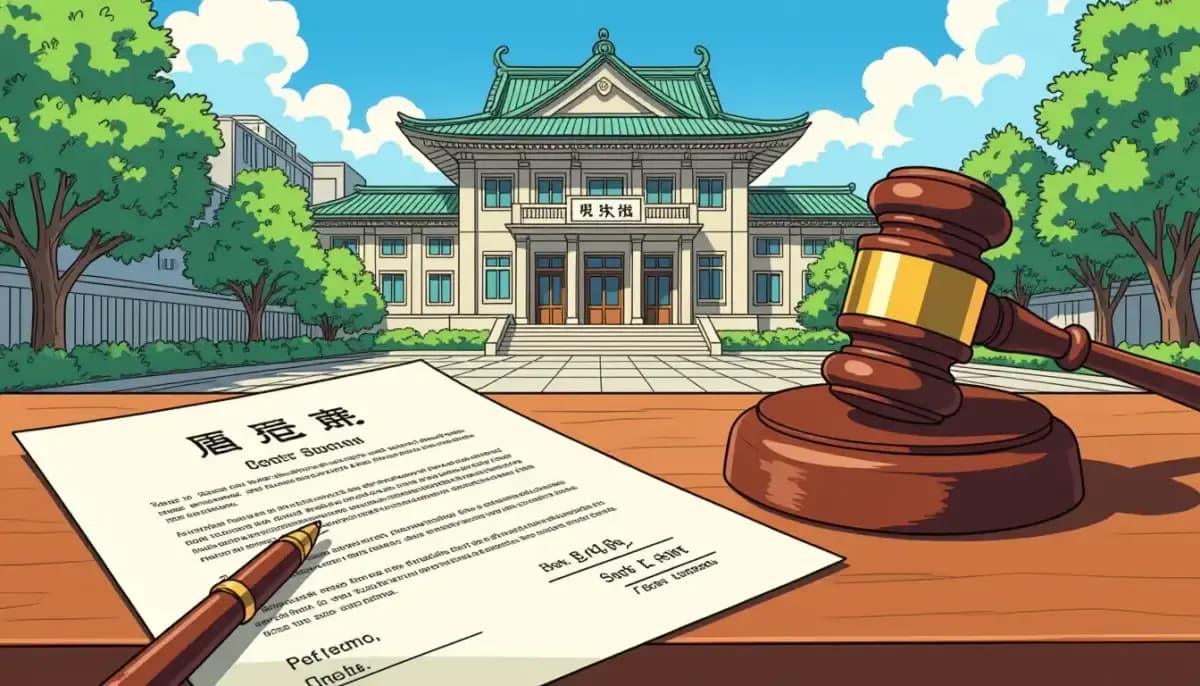
Legal Dispute Resolution for Property Issues in Japan
Facing a property dispute in Japan? Learn how to resolve legal issues as a foreigner — from mediation and arbitration to court litigation. Practical step-by-step guide with costs, timelines, and attorney tips.
Read more →
Due Diligence Mistakes That Cost Foreign Buyers in Japan
Discover the most costly due diligence mistakes foreign buyers make when purchasing property in Japan — from title verification failures to hidden fees, scams, and seismic safety oversights. Includes a complete checklist.
Read more →
Skipping Property Inspection: Consequences and How to Avoid
Skipping a property inspection in Japan can cost you millions of yen in hidden defects. Learn what happens when you skip, how much inspections cost, and how to protect yourself as a foreign buyer.
Read more →
Rushing the Purchase: Why Taking Your Time Matters in Japan
Discover why patience is essential when buying property in Japan. Learn the real costs of rushing a purchase, what due diligence steps take time, and how to protect yourself as a foreign buyer.
Read more →
Language Barrier Mistakes When Buying Property in Japan
Avoid costly language barrier mistakes when buying property in Japan. Learn how to handle Japanese contracts, mortgage documents, and legal disclosures as a foreign buyer.
Read more →
Property Investment Scheme Fraud in Japan: Warning Signs
Protect yourself from property investment scheme fraud in Japan. Learn the top warning signs, common scam types targeting foreigners, and essential due diligence steps to avoid losing your money.
Read more →