
Emergency Supplies and Kit Guide for Japan Homeowners

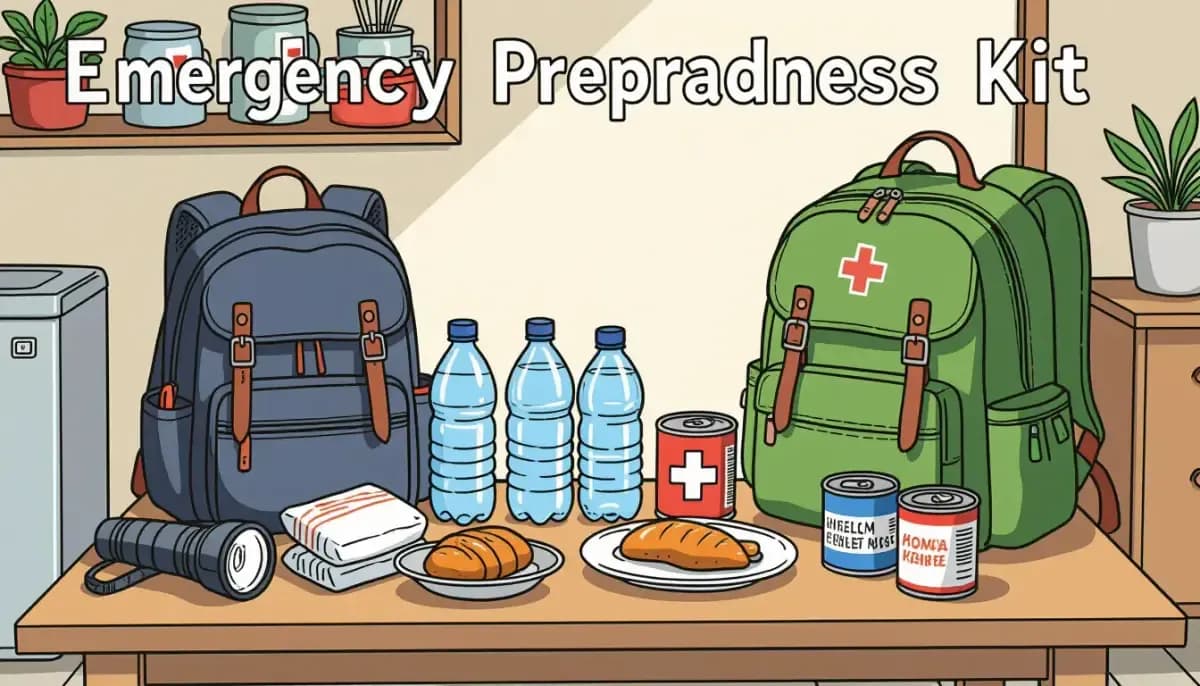
Build the perfect emergency kit for your Japan home. Essential bosai bag checklist, where to buy supplies, and special tips for foreign homeowners in earthquake-prone Japan.
Emergency Supplies and Kit Guide for Japan Homeowners
Japan is one of the most disaster-prone countries in the world. From earthquakes and tsunamis to typhoons and volcanic eruptions, homeowners in Japan face a unique set of natural hazards that demand serious preparation. Whether you're a foreign resident who recently purchased property or a long-time expat, having a well-stocked emergency kit—known in Japanese as a bosai bag (防災袋)—could save your life.
In 2024, Japan recorded 1,563 earthquakes of magnitude 4 or higher, and experts estimate a 70–80% probability that the devastating Nankai Trough earthquake will strike within the next 30 years. Yet despite these risks, surveys show that only 45.8% of Japanese homeowners have actually prepared food and water supplies. As a homeowner, now is the time to act—before disaster strikes.
This guide covers everything you need to build a comprehensive emergency kit tailored to life in Japan, including Japan-specific items, where to buy supplies, and special considerations for foreign residents.
Why Emergency Preparedness Matters for Japan Homeowners
Owning property in Japan means accepting that natural disasters are not a matter of "if" but "when." The January 2024 Noto Peninsula earthquake (magnitude 7.5) killed 703 people and displaced over 50,000 residents—a stark reminder that even well-built homes are vulnerable.
For homeowners specifically, the stakes are higher than for renters. You have more property to protect, you may be responsible for tenants, and you likely have deep ties to your community. Following a major earthquake, lifelines such as electricity, gas, and water may be cut off for days or weeks. The Japanese government recommends stocking supplies for a minimum of 3 days, though 7 days is increasingly advised for homeowners in seismically active zones.
A survey by Nippon.com found that 56.7% of Japanese homeowners rank earthquakes and tsunamis as their top safety concern—yet a worrying gap exists between concern and preparation. Only about one-third had taken steps like securing furniture or preparing evacuation goods.
For more on protecting your property comprehensively, see our guide on Natural Disaster Preparedness for Homeowners in Japan and Natural Disaster Insurance Coverage Gaps in Japan.
The Core Components of a Japan Emergency Kit
A well-built bosai bag addresses three categories: survival basics, communication and navigation, and documentation. For foreign residents, documentation is especially critical.
Water and Food Supplies
Water is your most urgent need. The standard recommendation is 4 liters per person per day, and you should store at least a 3-day supply (7-day for homeowners). Rotate bottled water every 3–6 months.
For food, prioritize:
- Canned goods (fish, meat, beans)
- Instant rice and noodles (just-add-water varieties)
- Protein bars and energy snacks
- Dried fruit and nuts
Choose items that require no cooking or minimal water. If you have infants, elderly family members, or dietary restrictions, plan accordingly.
Tools, Lighting, and Safety Gear
- LED flashlight with spare batteries (avoid candles)
- Headlamp for hands-free use during rescue or cleanup
- Portable radio (battery or hand-crank) for NHK emergency broadcasts
- Helmet or protective hood for head protection from falling debris
- Heavy-duty work gloves to handle broken glass and rubble
- Emergency whistle to signal rescuers if trapped
- Multi-tool or Swiss Army knife with can opener
First Aid and Medications
- Bandages, gauze, and medical tape
- Antiseptic solution and antibiotic ointment
- Pain relievers (ibuprofen, acetaminophen)
- Anti-diarrheal and allergy medications
- Any prescription medications (minimum 7-day supply)
- Face masks (N95 or equivalent)
- Disposable gloves
If you take daily prescription medications, keep a copy of your kusuri no techo (薬の手帳)—your Japanese medication booklet—in your emergency bag. This helps medical personnel treat you correctly, especially important for foreign residents.
Japan-Specific Items Every Homeowner Needs
Beyond the universal emergency kit basics, life in Japan calls for some country-specific essentials.
Cash in Small Bills
Japan remains a heavily cash-based society. ATMs go offline during power outages, and many emergency shelter vendors and convenience stores may not process card payments in the aftermath of a disaster. Keep between ¥10,000 and ¥100,000 in small bills (¥1,000 notes) in your bosai bag.
Important Documents (Especially for Foreigners)
- Copies of your passport and residence card (zairyu card)
- Property deed (kenrisho) or lease documents
- Insurance policy numbers and company contacts
- Bank account information
- Family contact list (on paper—phones may die)
- Embassy or consulate contact details
Store all documents in a waterproof zip-lock bag or document pouch. Foreign residents in particular should keep their immigration documents accessible; evacuation shelters may ask for ID.
Communication Apps and Offline Maps
Install the Safety Tips app (available in 14 languages), which delivers J-Alert notifications for earthquakes, tsunamis, and severe weather directly to your phone. Download offline maps of your area in case cellular networks are congested.
For more on earthquake-specific coverage and financial protection, see Earthquake Insurance in Japan: Coverage and Costs for Foreigners.
Emergency Kit Checklist and Comparison Table
Use this checklist to build your kit. Items are categorized by priority.
| Category | Essential Items | Recommended for Homeowners |
|---|---|---|
| Water | 4L/person/day × 3–7 days | Water purification tablets |
| Food | Non-perishable 3–7 day supply | Camp stove + fuel canister |
| Lighting | LED flashlight, headlamp | Solar-powered lantern |
| Communication | Portable radio, phone charger | Hand-crank emergency radio |
| First Aid | Basic kit + prescriptions | Full trauma kit |
| Safety | Helmet, gloves, whistle | Rope, crowbar, dust masks |
| Documents | ID copies, insurance info | Property deed, mortgage docs |
| Cash | ¥10,000–100,000 (small bills) | ¥100,000+ for reconstruction |
| Warmth | Emergency blanket | Sleeping bag, extra clothing |
| Hygiene | Wet wipes, toilet paper | Portable toilet, sanitary bags |
Where to Buy Emergency Supplies in Japan
You don't need to source every item individually. Japan has a well-developed market for disaster preparedness products.
Pre-Made Emergency Kits
Ready-assembled bosai bags are widely available and make an excellent starting point:
- Muji (無印良品): Minimalist, high-quality kits with clear item lists
- Don Quijote (ドン・キホーテ): Affordable kits, often discounted
- Aeon (イオン): Large selection, including family-sized kits
- Amazon Japan: Wide variety ranging from ¥4,928 to ¥13,900
Pre-made kits typically include a backpack, basic food and water rations, flashlight, radio, first aid supplies, and emergency blanket. They are a solid foundation—customize them based on your household's specific needs.
Building Your Own Kit
If you prefer to assemble your own kit, home improvement stores (Cainz, Konan) and outdoor retailers (Montbell, Himaraya) carry specialized gear. Many items are also available at 100-yen shops (Daiso, Seria) for budget-conscious residents.
For expert guidance on living safely in Japan, Living in Nihon's Disaster Preparedness Guide provides comprehensive coverage of what foreigners need to know about Japan's emergency systems.
Storage and Maintenance: Making Your Kit Actually Useful
A kit stuffed in a closet and forgotten is barely better than no kit at all. Proper storage and maintenance are just as important as what's inside.
Where to Store Your Kit
- Primary kit: Near your front door or in an easy-to-grab location
- Secondary supplies: In a central storage area (pantry, hallway closet)
- Vehicle kit: Keep a smaller emergency kit in your car, but do NOT rely on your car kit as your primary—during floods and typhoons, you may not be able to reach your vehicle
Annual Review Checklist
- Check and rotate water supplies (every 3–6 months)
- Replace food items before expiration dates
- Test batteries in all devices
- Review and update document copies (especially after renewing your residence card)
- Check medication stock and expiration dates
- Confirm that family members know where the kit is and how to use it
Many homeowners set their annual kit review to coincide with September 1 (Disaster Prevention Day), Japan's national day of emergency preparedness. This date marks the anniversary of the 1923 Great Kanto Earthquake.
Special Considerations for Foreign Homeowners in Japan
As a foreigner owning property in Japan, you face some unique challenges during disasters that Japanese nationals may not.
Language barriers at evacuation shelters: Staff and information boards at public shelters are primarily in Japanese. Download the Safety Tips app and keep a printed copy of the phrase "私は外国人です。英語が話せる方はいますか?" (I am a foreigner. Is there anyone who speaks English?).
Embassy registration: Register with your country's embassy in Japan (e.g., the U.S. Embassy's STEP program). This allows your government to locate and assist you in emergencies.
Understanding Japan's warning system: Japan uses a 5-level evacuation alert system. Level 4 means all residents must evacuate. Level 5 is issued when disaster is already occurring and immediate action is required. Understanding these levels could save your life.
Neighborhood association (jichikai/chonaikai): Join your local neighborhood association. These groups coordinate disaster response at the community level and can be invaluable during and after a major event.
For information on how insurance connects with disaster preparedness, see Insurance for Property Owners in Japan: Complete Guide and learn how to navigate the financial side of disaster recovery with our guide on How to File an Insurance Claim in Japan: Property Owner Guide.
Additional resources from the expat community include GaijinPot's survival kit guide and Jobs in Japan's bosai bag tips. For work-related emergency considerations, For Work in Japan covers how disasters can affect your employment status and remote work options. For property-specific disaster planning, Gaijin Buy House offers guidance on choosing disaster-resistant properties.
Building Household Resilience Beyond the Kit
An emergency kit is your first line of defense, but homeowners can take additional steps to make their property and household more resilient.
Furniture anchoring: Secure heavy furniture (bookshelves, cabinets, refrigerators) to walls with earthquake straps. This is one of the most effective and underutilized safety measures—only 31.5% of Japanese homeowners have done this, despite its low cost.
Gas shutoff valve: Know where your main gas shutoff valve is and how to turn it off after an earthquake. Gas fires are a major secondary hazard after seismic events.
Emergency contact network: Establish a neighborhood check-in system with trusted neighbors. Agree in advance on a meeting point if your home becomes uninhabitable.
Home insurance review: Ensure your property insurance includes earthquake and flood coverage. Standard fire insurance (kasai hoken) does NOT cover earthquake damage. Separate earthquake insurance is required. See Earthquake Insurance in Japan for details on coverage options and costs.
Final Thoughts
Preparing an emergency kit for your Japan home is one of the most practical and impactful investments you can make as a property owner. With earthquake probabilities rising and climate-related disasters intensifying, the question is not whether you need a bosai bag—it's whether yours is complete enough.
Start with the essentials: water, food, light, communication, and documents. Then customize for your household's specific needs. Review and refresh your kit annually. And take the time to understand Japan's emergency warning systems and your local evacuation routes.
For a comprehensive approach to protecting your investment, pair your emergency kit with appropriate insurance coverage. Explore our full Insurance for Property Owners in Japan guide to ensure you're financially protected when disaster strikes.

Originally from Vietnam, living in Japan for 16+ years. Graduated from Nagoya University, with 11 years of professional experience at Japanese and international companies. Sharing information about buying property in Japan for foreigners.
View Profile →Related Articles

Climate Change Impact on Japan Property Risk Assessment
Learn how climate change affects Japan property risk—flood zones, earthquake hazards, typhoon exposure—and how foreign buyers can assess risk using Japan's hazard maps and mandatory disclosure rules.
Read more →
Disaster Rebuilding and Insurance Claims Process in Japan
Learn how Japan's earthquake insurance and disaster rebuilding process works for foreign homeowners. Covers claims steps, payout tiers, premiums, and practical tips for expats.
Read more →
How to Read and Use Japan Hazard Maps for Property Purchase
Learn how to read and use Japan's official hazard maps before buying property. Understand flood, earthquake, and tsunami risk zones with this step-by-step guide for foreign buyers.
Read more →
Creating a Disaster Evacuation Plan for Your Japan Home
Learn how to create a disaster evacuation plan for your Japan home as a foreign homeowner. Covers Japan's alert systems, hazard maps, emergency kits, shelter locations, and post-disaster rights for foreigners.
Read more →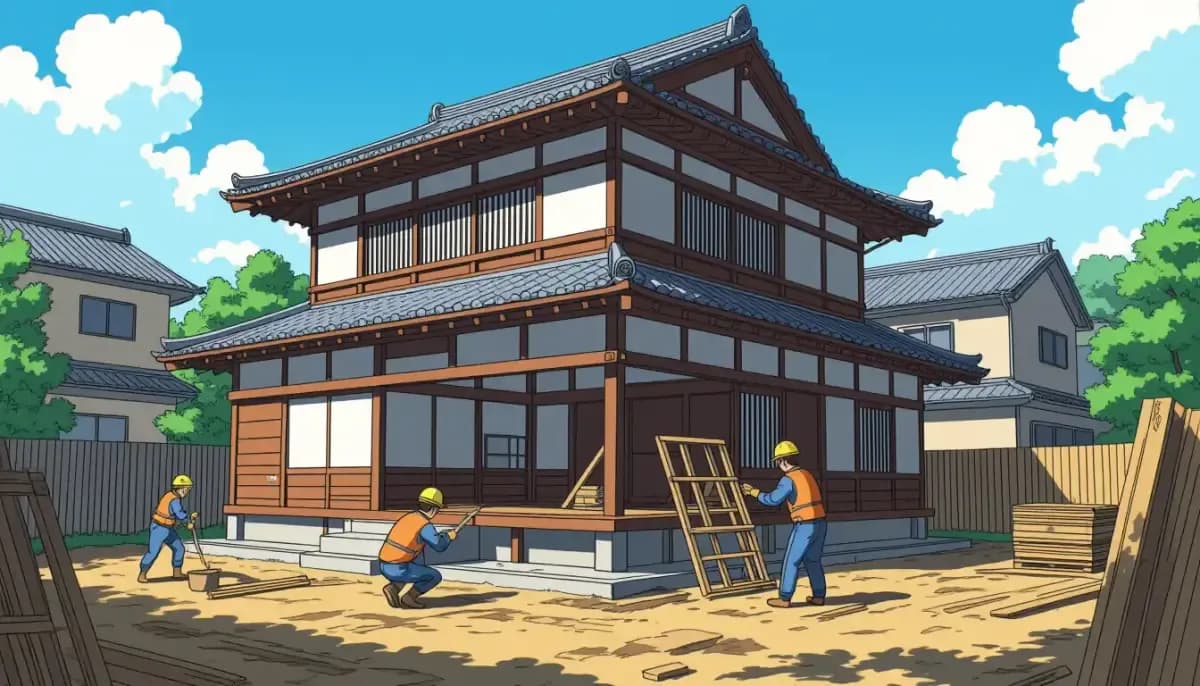
Seismic Retrofitting Options for Older Homes in Japan
Learn about seismic retrofitting options for older homes in Japan: costs, government subsidies up to ¥3M, tax incentives, and step-by-step process for foreign buyers.
Read more →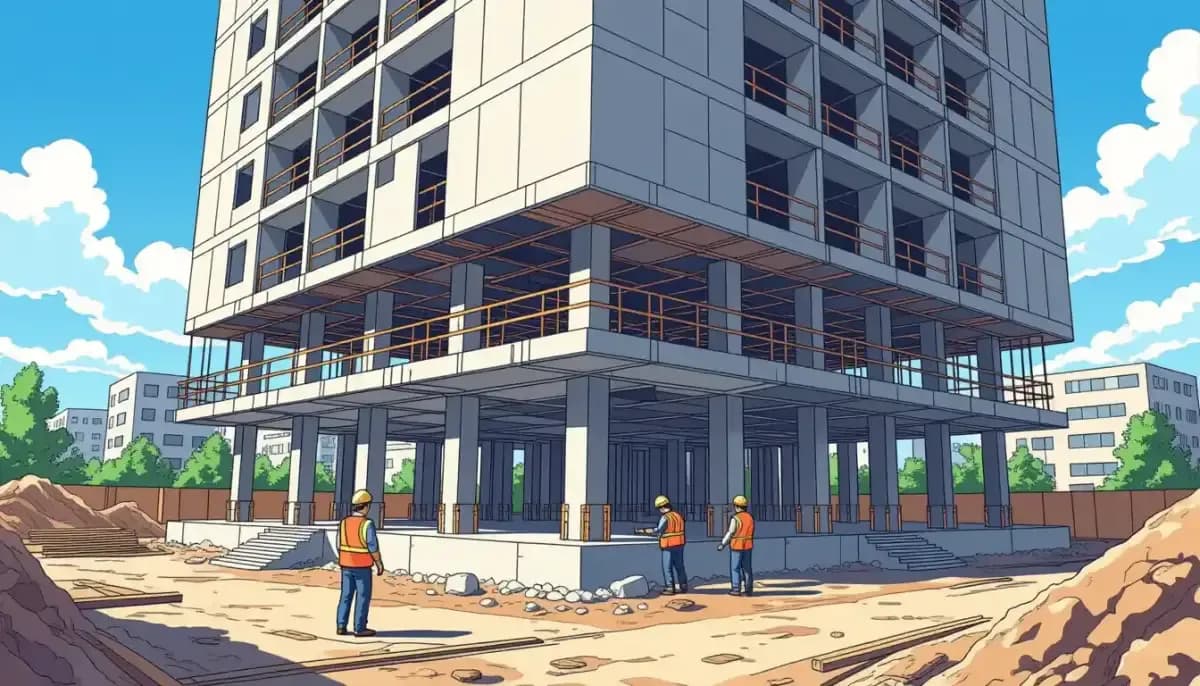
Japan Earthquake-Resistant Building Standards Explained
Understand Japan's earthquake-resistant building standards (Shin-Taishin, 1981, 2000 codes), taishin/seishin/menshin systems, seismic grades, and how to verify compliance when buying property in Japan.
Read more →