
How to File an Insurance Claim in Japan: Property Owner Guide

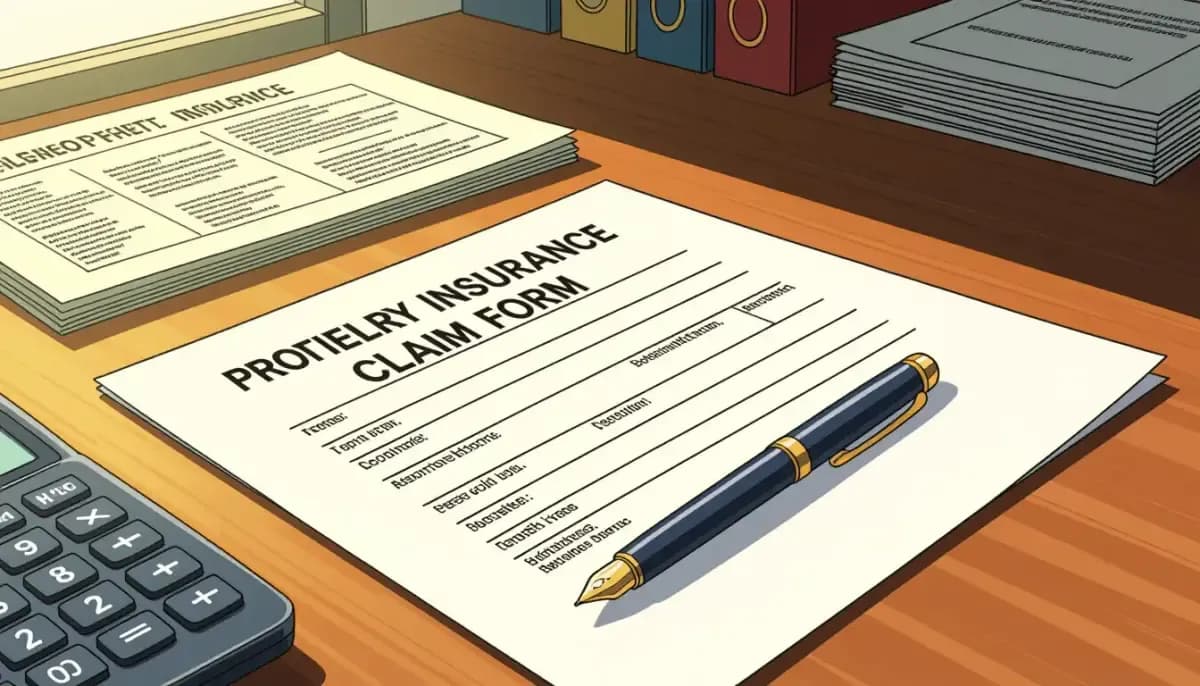
Step-by-step guide to filing property insurance claims in Japan for foreigners. Learn Japan's three-tier damage system, required documents, language tips, and non-resident claim strategies.
How to File an Insurance Claim in Japan: Property Owner Guide
Owning property in Japan is a rewarding investment — but when disaster strikes, navigating the insurance claim process can be daunting, especially for foreign property owners unfamiliar with Japan's system. Whether you're dealing with typhoon damage, flooding, fire, or earthquake destruction, understanding how to file an insurance claim in Japan correctly can be the difference between a full payout and a denied claim.
This guide walks you through every step of the process, from understanding Japan's unique three-tier damage assessment system to overcoming the language barrier and managing claims as a non-resident property owner.
Understanding Japan's Property Insurance System
Japan's property insurance framework is built around two core products: fire insurance (kasai hoken, 火災保険) and earthquake insurance (jishin hoken, 地震保険). Unlike many Western countries, earthquake insurance cannot be purchased as a standalone product in Japan — it must be added on to an existing fire insurance policy.
Fire insurance covers damage from:
- Fire, lightning, and explosion
- Windstorms, hail, and snow damage
- Water damage and flooding (check policy specifics)
- Theft and vandalism
Earthquake insurance adds coverage for:
- Earthquake-triggered fires
- Tsunami damage
- Land subsidence due to seismic activity
Annual earthquake insurance premiums range from approximately JPY 6,500 to JPY 32,600 depending on your prefecture and building construction type, while fire insurance typically costs JPY 20,000–40,000 per two-year period. Japan's property insurance market is dominated by three major groups: Tokio Marine Holdings, Sompo Holdings, and MS&AD Insurance Group Holdings.
For a broader understanding of property ownership rights in Japan, see our guide on foreigner property ownership rights in Japan.
The Three-Tier Damage Assessment System
One of the most important things to understand before filing a claim is Japan's three-tier damage assessment system. Unlike some countries where payouts scale proportionally to damage, Japan uses fixed payout percentages tied to damage thresholds:
| Damage Level | Structural Damage | Payout Percentage |
|---|---|---|
| Total Loss (全損) | 50% or more destroyed, or completely submerged | 100% of insured amount |
| Half Loss (半損) | 20%–50% damaged | 50% of insured amount |
| Partial Loss (小半損/大半損) | 3%–20% damaged | 5%–30% of insured amount |
| Below Threshold | Under 3% damaged | No payout |
This system means that minor damage may yield a very small payout — or none at all. The insurer will send an adjuster to assess which tier your property falls into, so keeping detailed records of the damage is crucial.
Step-by-Step: How to File an Insurance Claim in Japan
Step 1: Contact Your Insurer Immediately
File as soon as damage occurs. Do not wait, as delays can complicate or invalidate your claim. Most major insurers have 24/7 hotlines. Have your policy number ready.
English-friendly insurers include:
- Chubb Insurance Japan
- AIG Japan
- Tokio Marine Nichido (some English support)
- Sompo Japan (bilingual staff at some branches)
Step 2: Document All Damage
Before any cleanup or repairs, thoroughly document:
- Take photos and videos of all damage from multiple angles
- Photograph structural damage, damaged contents, and the surrounding area
- Note the date and time damage occurred
- Keep all damaged items if possible — do not dispose of anything before the adjuster visits
For items valued over JPY 100,000, insurers typically require proof of purchase. This is why maintaining a pre-disaster inventory of valuables with receipts is essential.
Step 3: Submit Your Claim Forms and Documentation
Your insurer will provide claim forms — typically in Japanese. Required documents usually include:
- Completed claim application form
- Police report (for theft or vandalism)
- Photos of damage
- Repair cost estimates from licensed contractors
- Proof of ownership
- Receipts for damaged high-value items
Step 4: Cooperate with the Insurance Adjuster
The insurer will schedule an on-site inspection. An adjuster will assess the damage and determine which tier (total loss, half loss, or partial loss) applies to your property. This inspection is critical — present all documentation and accompany the adjuster if possible.
Step 5: Receive Your Payout
Once the assessment is complete and documentation is verified, processing typically takes 1–3 weeks. Payouts are made by bank transfer. Complex claims or large natural disaster events (like the 2024 Noto Peninsula Earthquake, which generated over JPY 90.97 billion in total claims) may take longer.
For more about property costs and taxes in Japan, read our guide on fixed asset tax in Japan for foreign property owners.
Overcoming the Language Barrier
The language barrier is the most common challenge foreign property owners face when filing claims in Japan. Insurance policies, correspondence, inspection reports, and claim forms are almost universally in Japanese only.
Practical solutions:
- Choose an English-friendly insurer from the start — some providers specifically cater to expats
- Use a bilingual insurance broker who can translate policies and assist during the claims process
- Hire a professional translator for formal claim documentation
- Use Japan's consumer insurance dispute resolution (the General Insurance Association of Japan offers mediation services)
- Consult expat communities — resources from Living in Nihon cover many aspects of daily life in Japan including navigating bureaucratic processes
For work-related insurance questions relevant to Japan, For Work in Japan provides useful resources for expats.
Filing Claims as a Non-Resident Property Owner
Foreign nationals who own Japanese property but do not live in Japan face additional challenges. Japanese law allows non-residents to appoint a local representative (dairi-nin, 代理人) — a Japanese-resident person authorized to handle all claim documentation, communication, and insurer inspections on your behalf.
Key considerations for non-resident owners:
- Some insurers require a local representative as a condition of coverage
- Your representative can sign documents, communicate with the insurer, and accompany adjusters
- Consider using a property management company that can also handle insurance matters
- Time zone differences make direct communication with Japanese insurers difficult — a local representative is highly recommended
If you're renting out your property, note that standard residential fire insurance does not cover rental use. You must switch to a landlord-specific policy before renting; otherwise, claims may be denied entirely. Read more about this consideration at Gaijin Buy House.
For foreign buyers evaluating property, our complete guide to buying property in Japan as a foreigner covers the full purchase process including insurance requirements.
Common Reasons Claims Are Denied
Understanding why claims fail helps you avoid costly mistakes:
- Policy exclusions: Standard fire insurance may not cover flooding or water damage depending on the specific policy terms — read your policy carefully
- Insufficient documentation: Missing photos, receipts, or repair estimates can delay or reduce payouts
- Late filing: Unreported damage may not be covered — always report immediately
- Wrong policy type: Renting out a property covered under residential-only insurance voids coverage
- Earthquake damage under fire insurance: Fires caused by earthquakes are only covered under earthquake insurance — not fire insurance alone
Pre-Disaster Preparation Checklist
The best time to prepare for a claim is before any damage happens:
- Keep your insurance policy documents in a waterproof, fireproof location (and a digital backup)
- Photograph all rooms and valuable contents at least once per year
- Keep receipts for all items valued over JPY 100,000
- Know your insurer's 24/7 emergency hotline number
- Maintain a list of licensed local contractors for emergency repairs
- If non-resident, establish a formal power of attorney for your local representative
For expats navigating Japan's property market, resources like MailMate's property insurance guide and AkiyaHub's home insurance guide provide detailed supplementary reading.
Conclusion
Filing an insurance claim in Japan as a foreign property owner requires preparation, documentation, and an understanding of Japan's unique three-tier damage system. The most important steps are: act immediately after damage occurs, document everything thoroughly, and choose an insurer with English support before you ever need to file a claim.
Japan's property insurance market is large and mature — at JPY 3.2 trillion in 2024, the system is well-established. But for non-Japanese speakers, proactive preparation is what separates a smooth claim from a frustrating ordeal.
For more guidance on owning property in Japan as a foreigner, explore our complete guide to buying property in Japan and learn about Japan's property registration system.

Originally from Vietnam, living in Japan for 16+ years. Graduated from Nagoya University, with 11 years of professional experience at Japanese and international companies. Sharing information about buying property in Japan for foreigners.
View Profile →Related Articles
Natural Disaster Insurance Coverage Gaps in Japan
Discover dangerous coverage gaps in Japan's natural disaster insurance system — earthquake, flood, and typhoon risks foreign property owners frequently overlook, with practical steps to protect yourself.
Read more →
Japan Property Insurance Renewal and Annual Review Guide
A complete guide to reviewing and renewing property insurance in Japan as a foreign owner. Covers fire insurance, earthquake insurance, the 2025 policy term changes, costs, and annual review checklists.
Read more →
Insurance for Vacant Properties and Akiya in Japan
Learn how to insure your akiya or vacant property in Japan as a foreigner. Covers fire insurance, earthquake coverage, costs, providers, and tips for non-residents.
Read more →
Japan Property Insurance Exclusions and Limitations to Know
Learn what Japan property insurance does NOT cover: earthquake damage, flood exclusions, basement flooding, commercial use limits, and more. Essential guide for foreign buyers.
Read more →
Japan Property Insurance Companies: Comparison for Foreigners
Compare Japan's top property insurance companies for foreigners. Learn about fire insurance, earthquake insurance costs, English-friendly providers, and how to apply as an expat.
Read more →
Japan Property Insurance Premium Costs and Comparison
Complete guide to Japan property insurance premium costs for foreigners. Compare fire insurance and earthquake insurance costs, providers, and tips for foreign buyers in Japan.
Read more →