
Starting an Airbnb Business in Japan as a Foreigner

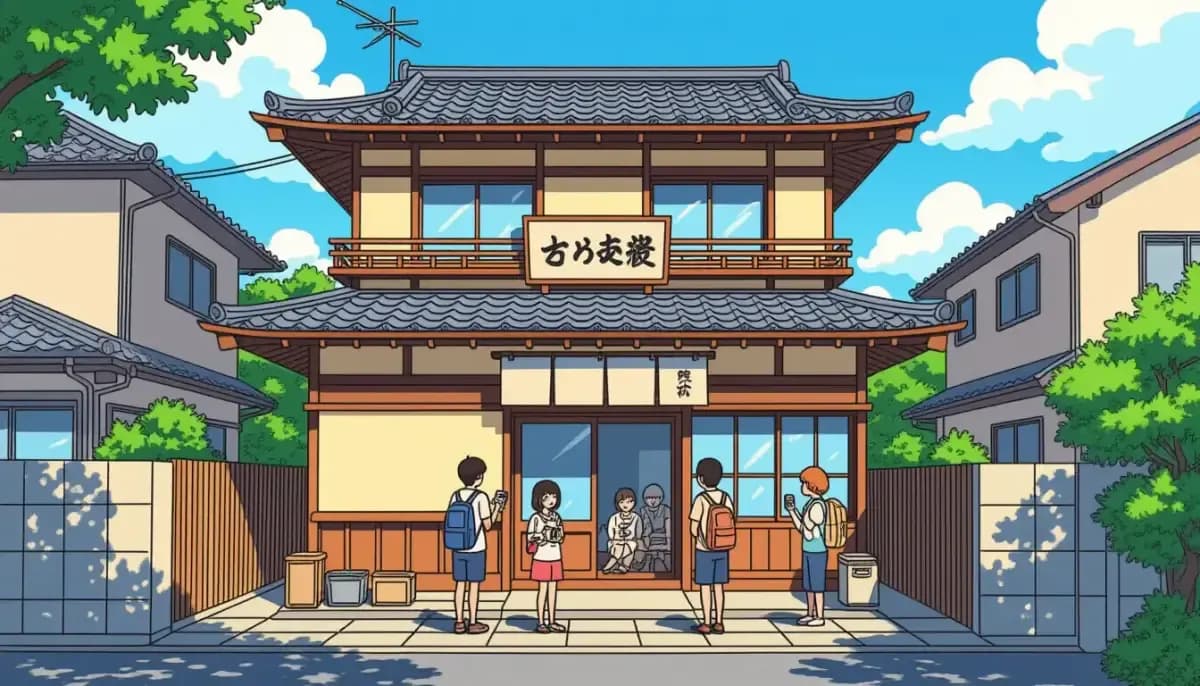
A complete guide to starting an Airbnb (minpaku) business in Japan as a foreigner. Learn the license types, registration steps, costs, income potential, and how non-residents can legally operate short-term rentals in Japan.
Starting an Airbnb Business in Japan as a Foreigner: Complete Guide
Japan's short-term rental market has never been more attractive. With 21.5 million foreign visitors arriving in just the first half of 2025—a record-breaking figure—and hotel rates climbing 69.2% compared to 2021 levels, the demand for affordable minpaku (private lodging) alternatives has surged. As of July 2025, Japan has 33,618 registered minpaku properties, an all-time high, and that number keeps growing. If you are a foreigner considering entering this market, the opportunity is real—but so is the complexity.
This guide walks you through everything you need to know to start an Airbnb business in Japan as a foreigner: the legal framework, license types, registration process, costs, income potential, and the critical differences between operating as a resident versus a non-resident.
Understanding Japan's Minpaku Law: The Foundation You Must Know
The Private Lodging Business Act (Minpaku Shinpou) came into force on June 15, 2018. Before this law, Airbnb-style rentals existed in a legal gray area. The 2018 legislation formalized the market by creating a national licensing framework while giving local governments significant authority to impose additional restrictions.
The key national rule is the 180-day per year cap on minpaku operations. This means standard minpaku license holders cannot rent their property to guests for more than 180 days per calendar year. The remaining days, the property must remain unoccupied by paying guests. This limit was put in place to protect the hotel and ryokan industry and to manage neighborhood impacts.
However, the 180-day rule is not the only restriction you will face. Local governments have layered additional rules on top:
- Tokyo's Shinjuku Ward: Minpaku is restricted to weekends only (Friday evening to Monday morning)
- Kyoto: Seasonal limitations apply in historic districts; some neighborhoods ban minpaku entirely
- Osaka Special Zone: Far more permissive—year-round operation is possible under the Special Zone Minpaku license
Understanding these local variations is essential before you purchase a property for Airbnb purposes. Always research the specific ward or city rules, not just national law. You can find detailed explanations in our guide to Japan Minpaku Law and Regulations.
Three Types of Licenses Available to Foreigners
Foreigners can apply for any of the three main license categories, each with very different requirements and operational possibilities.
| License Type | Annual Operation | Minimum Stay | Year-Round? | Best For |
|---|---|---|---|---|
| Minpaku (民泊) | 180 days max | 1 night | No | Budget entry, testing the market |
| Minshuku (民宿) | 365 days | 1 night | Yes | Full-time operators, family-run inns |
| Special Zone Minpaku (特区民泊) | 365 days | 2–10 nights | Yes | Osaka, Fukuoka, parts of Hokkaido |
Minpaku License: The most accessible option. Requires notification to your local city hall, fire safety compliance, and guest record-keeping. The 180-day cap is the main limitation. Both owner-present and owner-absent (remotely managed) versions are available.
Minshuku License: For those who want to operate year-round. Think of this as running a bed-and-breakfast. You must meet stricter fire safety standards and in many cases be present on-site or have a resident manager. Approval typically takes 2–6 months and involves more inspections.
Special Zone Minpaku (Tokku): Available only in government-designated special economic zones—primarily Osaka, Fukuoka, and parts of Hokkaido. This license allows 365-day operation but requires a minimum stay of 2 nights (some zones require up to 10 nights). For investors targeting Osaka, this is often the preferred route. Learn more in our guide to Special Zone Minpaku in Japan.
Can Foreigners Actually Start an Airbnb in Japan?
Yes—foreigners can legally operate a minpaku business in Japan. However, the process differs significantly depending on your residency status.
If You Live in Japan (Resident Foreigner)
If you have a valid residence card (zairyu card), you can apply for a minpaku license yourself. You will need your residence card for the application, and the documentation must be filed at your local ward or city office. The main challenge for residents is the language barrier—most forms are in Japanese, and navigating the bureaucracy without Japanese language ability is very difficult.
Hiring an administrative scrivener (gyosei shoshi, 行政書士) who specializes in minpaku registration is strongly recommended. They can prepare and submit all paperwork on your behalf for a fee of roughly JPY 50,000–150,000, which is well worth the time and error-avoidance it provides.
If You Live Outside Japan (Non-Resident Foreigner)
Non-residents can still operate a minpaku business legally, but you must hire a registered minpaku management company. Under Japanese law, an unoccupied property cannot be listed without a licensed management operator on the ground who can respond to guest emergencies, check identification, and maintain records. This company becomes your legal proxy in Japan.
When selecting a management company, verify that they hold a minpaku management license (minpaku kanri gyosha), are familiar with local ward regulations, and have an English-speaking contact. Management fees typically range from 15%–30% of gross rental revenue.
For a detailed look at management options, see our guide on Hiring a Minpaku Management Company in Japan.
The Registration Process: What to Expect
Getting your minpaku license involves several steps that foreigners often underestimate in time and cost. Here is a realistic overview:
Step 1: Confirm the property qualifies. Check the zoning classification and local municipal rules. Not all areas permit minpaku. Residential zones, agricultural zones, and some urban planning zones may restrict or ban short-term rentals entirely.
Step 2: Prepare the property for compliance. You must install smoke detectors, fire extinguishers, and emergency evacuation maps. The exact requirements vary by floor area and building type.
Step 3: File the notification. For the basic minpaku license, you file a notification (not an application) at your local city or ward office. You will submit floor plans, a property description, photo documentation, and identification documents including your passport if you are a non-resident.
Step 4: Receive your registration number. Once your notification is accepted, you receive a minpaku registration number. This number must appear on all your listings on Airbnb, Booking.com, and any other platforms.
Step 5: Maintain guest records. You must record every guest's full name, passport number, Japanese address (if applicable), nationality, and length of stay. These records must be available for inspection by local authorities.
The full registration process typically takes 4–8 weeks for a standard minpaku notification. Minshuku and special zone licenses may take 2–6 months due to additional inspections.
For a full walkthrough, see our detailed guide on the Minpaku Registration Process in Japan.
Costs and Income Potential: The Numbers You Need
One of the most common questions from potential operators is: does it actually make financial sense? Here is an honest breakdown.
Startup Costs
| Cost Item | Estimated Amount (JPY) |
|---|---|
| Administrative scrivener fee | 50,000–150,000 |
| Registration/notification fee | 10,000–50,000 |
| Fire safety equipment (smoke detectors, extinguishers) | 30,000–80,000 |
| Evacuation signage and maps | 5,000–20,000 |
| Professional photography | 20,000–40,000 |
| Initial deep cleaning and furnishing | 100,000–500,000 |
| Minpaku insurance (first year) | 10,000–30,000 |
| Total (furnished property) | 225,000–870,000 |
For properties requiring renovation or full furnishing from scratch, total startup costs can reach JPY 2,000,000–3,000,000 or more.
Income Potential
Income potential varies significantly by location. Based on real market data:
- Tokyo: Average host earns USD 2,585–6,766 per month depending on property size and location
- Kyoto: Average USD 2,371–7,375 per month, with peaks during cherry blossom and fall foliage seasons
- Osaka: Often higher occupancy due to the Special Zone license allowing year-round operation
- Niseko (Hokkaido): Strong seasonal peak in ski season; low-season gaps must be accounted for
Keep in mind the 180-day cap under a standard minpaku license means your maximum annual operating days are limited. Understanding your net yield after management fees, maintenance, taxes, and vacancies is critical. For a deeper analysis, read our article on Japan Airbnb Income Potential and Revenue Analysis.
Tax Obligations for Minpaku Operators
Minpaku income is taxable in Japan. As a foreign operator, you have both Japanese and home-country tax obligations to consider.
In Japan:
- Minpaku income is classified as business income (jigyo shotoku) or miscellaneous income (zatsu shotoku) depending on scale
- You must file an annual tax return if your income exceeds JPY 480,000 (basic deduction)
- Non-residents pay a flat 20.42% withholding tax on Japan-source income unless a tax treaty applies
- Your management company will typically withhold and remit taxes on your behalf if you are a non-resident
Deductible expenses include management company fees, furnishing costs, depreciation on the property, insurance, and repair and maintenance costs. Keeping organized records is essential.
Tax treaties between Japan and your home country may reduce your withholding rate. Consult a tax professional familiar with both jurisdictions before you launch. For more detail, see our guide to Tax Obligations for Minpaku Operators in Japan.
Best Locations to Start Your Airbnb Business in Japan
Location is arguably the single most important factor in your minpaku business success. Not all Japanese cities offer the same combination of tourist demand, permissive regulations, and manageable entry costs.
Osaka (Namba, Shinsaibashi, Dotonbori area): The top choice for many foreign investors due to the Special Zone license allowing year-round operation. Osaka's strong tourism base, excellent food scene, and relatively lower property prices than Tokyo make it compelling.
Kyoto (central tourist districts): High demand but strict regulations and seasonal limitations in historic areas. Best suited for operators who understand local ward rules in detail before purchasing.
Tokyo (Shinjuku, Asakusa, Shibuya): Highest income potential but also the most complex regulatory environment. Some wards are very restrictive. Thorough due diligence is essential before committing to a Tokyo property.
Fukuoka: Growing in popularity as a gateway to Asia. The city has a Special Zone designation, allowing year-round operation. Lower property prices than Tokyo or Osaka with increasing tourist numbers.
Hokkaido (Niseko, Sapporo): Strong ski tourism creates seasonal income spikes. The Special Zone designation in parts of Hokkaido is favorable for operators targeting winter visitors.
Avoid areas where local governments have imposed outright bans or extremely restrictive rules without first verifying current regulations. Rules can and do change. Always check directly with the relevant ward or city office, or use a local agent.
For detailed investment analysis by location, see our guide on Best Locations for Airbnb Investment in Japan.
Practical Tips for Running a Successful Minpaku as a Foreigner
Beyond the legal requirements, operational excellence determines whether your Airbnb business thrives or struggles. Here are practical recommendations based on the experiences of successful foreign operators:
Hire a bilingual management company. If you cannot communicate in Japanese, this is non-negotiable. Your management company is your legal representative in Japan and your first line of response for any guest issue, neighbor complaint, or authority inquiry.
Invest in property presentation. Professional photos, thoughtful interior design featuring Japanese aesthetics, and reliable check-in/check-out processes generate significantly better reviews and occupancy rates. Budget at least JPY 300,000–500,000 for quality furnishing.
Set clear guest rules. Neighbor relations are critical in Japan. Provide clear noise rules, trash disposal instructions (Japanese trash sorting can confuse foreign guests), and contact information. Many minpaku failures stem from neighbor complaints that escalate to administrative action.
Maintain meticulous guest records. Non-compliance with guest record-keeping requirements is one of the most common violations that leads to license suspension. Establish a system from day one.
Get proper insurance. Standard homeowner insurance does not cover short-term rental activity. You need a dedicated minpaku insurance product. For more information, see our guide on Minpaku Insurance and Liability.
Understand the risks of non-compliance. Penalties for illegal minpaku operation range from listing removal to fines to criminal charges in serious cases. The enforcement environment has tightened significantly since 2024, with the Japan Tourism Agency actively auditing operators. Read our guide to Minpaku Penalties and Non-Compliance Risks before you launch.
Additional Resources for Foreign Minpaku Operators
The following resources provide further guidance on related topics relevant to foreign short-term rental operators in Japan:
- For general guidance on living and operating a business in Japan as a foreigner, Living in Nihon offers practical articles on navigating life in Japan.
- If you are considering Japan as a base for remote work or entrepreneurship alongside your property investment, For Work in Japan covers the work and business side of life in Japan.
- For broader context on buying investment property in Japan as a foreigner, Gaijin Buy House provides in-depth resources on the property market.
- MailMate's Japan Airbnb Law guide offers a clear overview of the licensing framework.
- Japan Remotely's short-term rental guide is another helpful starting point for foreigners.
- Solid Real Estate Japan's Minpaku in 2025 guide covers current market conditions for investors.
For the full picture of property ownership in Japan, start with our Complete Guide to Buying Property in Japan as a Foreigner and our dedicated page on Short-Term Rentals and Airbnb in Japan for Foreign Owners.
Conclusion: Is Starting an Airbnb in Japan Right for You?
Japan's minpaku market offers real income potential for foreigners who enter with clear eyes about the regulatory complexity, startup costs, and operational demands. The 33,618 registered properties as of mid-2025 represent an all-time high—yet relative to the scale of Japan's tourism market, the supply remains limited, particularly in regions beyond the major cities.
The most common mistake foreign investors make is underestimating the legal complexity and overestimating income projections without accounting for the 180-day cap, management fees, and local restrictions. Do your research, work with qualified local professionals, and approach this as a business that requires ongoing attention—not a passive income stream that runs itself.
If you enter the market properly licensed, in the right location, with a reliable management partner, Japan's short-term rental market can be a genuinely rewarding investment.

Originally from Vietnam, living in Japan for 16+ years. Graduated from Nagoya University, with 11 years of professional experience at Japanese and international companies. Sharing information about buying property in Japan for foreigners.
View Profile →Related Articles
Minpaku Penalties and Non-Compliance Risks in Japan
Learn about minpaku penalties in Japan including fines up to ¥1,000,000, real enforcement cases, and how to avoid non-compliance risks as a foreign property owner.
Read more →
Minpaku Insurance and Liability Guide for Japan Property Owners
Essential insurance and liability guide for minpaku operators in Japan. Covers fire insurance, earthquake coverage, personal liability, Airbnb Host Insurance, and compliance requirements under Japan's minpaku law.
Read more →
How to Set Up and Furnish a Minpaku Property in Japan
Complete guide to setting up and furnishing a minpaku short-term rental property in Japan. Covers legal requirements, mandatory furnishings, city restrictions, registration steps, and financial realities for foreign owners.
Read more →
Tax Obligations for Minpaku Operators in Japan
Complete guide to tax obligations for minpaku (short-term rental) operators in Japan. Covers income tax rates, deductible expenses, non-resident rules, local taxes, and filing requirements for foreign property owners.
Read more →
Special Zone Minpaku (Tokku) in Japan Explained
Learn how Special Zone Minpaku (Tokku Minpaku) works in Japan. Covers eligible zones, certification process, stay rules, and whether foreign owners can operate year-round Airbnb properties.
Read more →
Japan Airbnb Income Potential and Revenue Analysis
How much can you earn from Airbnb in Japan? Detailed revenue analysis by city: Tokyo earns ¥6.3M/year, Osaka ¥4.4M/year. Income projections, cost breakdowns, and ROI data for foreign owners.
Read more →