
Minpaku Insurance and Liability Guide for Japan Property Owners

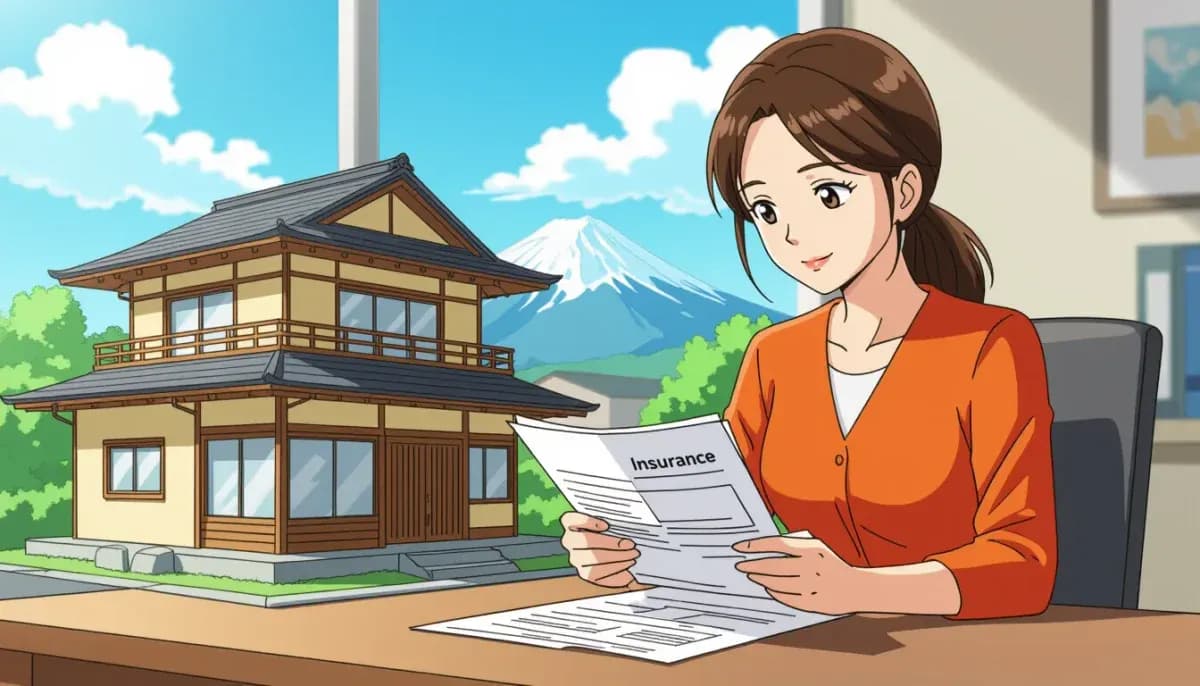
Essential insurance and liability guide for minpaku operators in Japan. Covers fire insurance, earthquake coverage, personal liability, Airbnb Host Insurance, and compliance requirements under Japan's minpaku law.
Minpaku Insurance and Liability Guide for Japan Property Owners
Running a minpaku (short-term rental) in Japan can be highly rewarding, with yields of 10–15% annually compared to just 4–6% for long-term rentals. But with that opportunity comes a set of insurance and liability risks that many foreign property owners overlook until it is too late. This guide covers everything you need to know about protecting your minpaku investment — from the types of insurance required, to liability scenarios, compliance obligations, and how platform coverage like Airbnb's Host Insurance actually works in Japan.
Whether you are just registering your first minpaku or already managing a portfolio of short-term rentals, understanding your insurance situation is not optional. It is the foundation of a sustainable, legally compliant operation.
Why Standard Home Insurance Is Not Enough for Minpaku
One of the most common mistakes new minpaku hosts make is assuming their existing residential fire insurance (火災保険) covers rental activity. It almost never does.
Standard home insurance policies in Japan are designed for owner-occupied or long-term residential use. When you begin accepting paying guests — even occasionally — your property transitions from residential to commercial use in the eyes of insurers. Most standard policies include clauses that void coverage or deny claims if the property is being operated as a commercial short-term rental at the time of the incident.
This means that if a guest floods your bathroom, starts a fire, or injures themselves on your property, your standard home insurer could legally refuse to pay — leaving you personally liable for all costs.
What you need instead: Specialized minpaku insurance products that explicitly cover short-term rental activity. These policies carry higher premiums than residential policies, but they are non-negotiable for legitimate minpaku operators. Always verify with your insurer that your policy covers short-term rental use before accepting your first booking.
For a broader overview of property ownership costs and obligations, see our guide on property taxes and annual costs in Japan.
Types of Insurance Every Minpaku Operator Needs
Protecting a minpaku property in Japan requires layering multiple types of coverage. No single policy covers all risks. Here is what you need:
1. Fire Insurance (火災保険) — Baseline Requirement
Fire insurance is the foundation of property coverage in Japan, and it is often required by mortgage lenders and building management associations. A minpaku-compatible fire insurance policy covers:
- Fire and smoke damage
- Lightning strikes
- Windstorm and hail
- Water leakage from appliances
- Accidental breakage of glass and fixtures
- Personal liability for incidents on the premises
Average cost: ¥20,000–¥40,000 for a 2-year policy for a standard apartment, though premiums rise significantly for commercial/minpaku use.
Critical note: Standard fire insurance does not cover natural disasters like floods, typhoons, or earthquakes. These require separate policies.
2. Earthquake Insurance (地震保険) — Add-On to Fire Insurance
Japan is one of the most seismically active countries in the world, and earthquake damage is a major risk for any property owner. Earthquake insurance in Japan:
- Cannot be purchased as a standalone policy — it must be added as a rider to fire insurance
- Covers: earthquake damage, volcanic eruption damage, and tsunami damage to buildings and household goods
- Building coverage cap: ¥50,000,000; household goods cap: ¥10,000,000
- Payout tiers (for policies issued after 2017): Total loss = 100% payout; Large half loss = 60%; Small half loss = 30%; Partial loss = 5%
- Annual premiums: approximately ¥6,500–¥32,600 depending on your prefecture and building type
- Tax benefit: Up to ¥50,000/year in earthquake insurance premiums is deductible from income tax
- Discounts of 10–50% available for post-1981 construction or earthquake-resistant structures
For a minpaku property, earthquake coverage is especially important because a major seismic event could render your property uninhabitable and create liability for guest safety during a disaster.
3. Personal Liability Insurance (個人賠償責任保険) — Guest and Third-Party Injuries
Personal liability insurance covers you when a guest or third party is injured or suffers property damage as a result of your property or negligence. This is critical for minpaku operators because:
- A guest who slips on a wet floor and breaks their arm can sue for medical costs and lost income
- Water leaking from your unit into a neighbor's apartment creates liability for their damages
- A guest who injures themselves on a faulty piece of furniture or appliance may hold you responsible
Important: Personal liability insurance cannot be purchased as a standalone policy in Japan. It must be added as a rider to a fire insurance, auto insurance, or personal accident insurance policy.
4. Platform-Provided Coverage (e.g., Airbnb Japan Host Insurance)
If you list on Airbnb, you automatically receive Airbnb Japan Host Insurance — but there is a critical condition that most hosts miss.
Airbnb Japan Host Insurance Coverage:
- Property damage: Up to ¥300,000,000 JPY for guest-caused damage to your property
- Liability: Up to ¥100,000,000 JPY for host liability for bodily injury or property damage to guests or third parties
- Covers: stained property restoration, odor removal, injury compensation
The critical catch: This coverage is only valid for hosts who are licensed and legally permitted under Japan's minpaku law. If you are operating without a registration number, Airbnb's insurance is void. You have no coverage.
This is why proper registration is not just a legal obligation — it is what activates your insurance safety net.
For more on the home-buying and property registration process that leads to minpaku operation, see our step-by-step home buying process guide for foreigners in Japan.
Understanding the Minpaku Legal Framework and Compliance
Insurance coverage is directly tied to legal compliance. Understand the regulatory landscape before purchasing any policy.
The Private Lodging Business Act (住宅宿泊事業法)
Japan's minpaku law came into effect on June 15, 2018. Key provisions include:
- 180-day annual cap on minpaku operations nationwide (calculated April 1 to April 1, noon-to-noon)
- Registration with your prefectural government is mandatory before accepting guests
- Operators must designate a licensed management company (住宅宿泊管理業者) if they cannot be on-site to respond to emergencies
- Guest logs must be maintained for 3 years and reported to the government every 2 months
- Fire safety equipment (smoke detectors, fire extinguishers, emergency evacuation signage) is mandatory
Municipal Restrictions Vary Widely
While the national law caps minpaku at 180 days, many municipalities impose stricter limits:
- Kyoto city residential zones: Maximum 60 days annually, and often only during specified months
- Ota-ku (Tokyo): Banned minpaku in residential zones outright for a period; check current rules
- Nakano-ku (Tokyo): Minpaku only permitted on weekends in some zones
- Always check your specific ward or city's supplementary ordinances (条例) — they override national law
Penalties for Non-Compliance
Operating an unregistered minpaku is a serious offense in Japan:
- Fines of up to ¥1,000,000
- Up to 6 months imprisonment
- Business suspension orders
- Forced removal of listings from all platforms
- As of 2026, management companies face joint liability for violations by operators they manage
As of March 2025, there are 30,318 active registered minpaku units nationwide, up from 11,069 at the law's inception in 2018. Enforcement is increasing — the Japan Tourism Agency has announced stricter enforcement starting in fiscal 2026.
For more on legal and documentation requirements for foreign property owners, see our guide to legal procedures and documentation for Japan property purchase.
Minpaku Insurance Coverage Comparison Table
| Coverage Type | What It Covers | Standalone? | Estimated Cost | Required? |
|---|---|---|---|---|
| Fire Insurance (Minpaku) | Fire, smoke, wind, water leakage, accidental damage | Yes | ¥30,000–¥80,000/2yr | Strongly recommended |
| Earthquake Insurance | Earthquake, tsunami, volcanic damage | No (rider only) | ¥6,500–¥32,600/yr | Highly recommended |
| Personal Liability | Guest/third-party injury and property damage | No (rider only) | Included in fire/auto rider | Strongly recommended |
| Airbnb Host Insurance | Property damage (¥300M) + liability (¥100M) | Platform-provided | Free (with licensed listing) | N/A (auto for Airbnb) |
| Specialized Minpaku Insurance | All-in-one STR commercial coverage | Yes (specialty) | ¥50,000–¥150,000/yr | Recommended |
Common Liability Scenarios and How to Protect Yourself
Understanding the specific scenarios where you can be held liable helps you choose the right coverage and take preventive action.
Scenario 1: Guest Injury on Your Property
A guest trips on an uneven floorboard and injures their ankle. They require emergency medical care and miss a week of work. Without personal liability coverage, you pay all costs out of pocket. With proper coverage (liability rider or platform insurance for licensed hosts), these costs are covered up to policy limits.
Prevention: Conduct a thorough safety inspection before listing. Fix loose flooring, unstable furniture, and any obvious hazards. Document the property's condition with photos before each guest stay.
Scenario 2: Guest Causes Property Damage
A guest hosts an unauthorized party, damages furniture and appliances, and leaves without reporting it. If you are on Airbnb and licensed, the Host Insurance process begins: you submit damage documentation within 14 days of checkout and request reimbursement through the Resolution Center.
Prevention: Set clear house rules, require guest ID, and maintain a security deposit where allowed. Review your listing's guest capacity and enforce it.
Scenario 3: Water Damage to Neighboring Unit
A guest accidentally leaves a faucet running overnight, flooding the bathroom and causing water damage to the apartment below yours. The neighbor files a claim against you as the property owner.
This is where personal liability insurance is critical. Without it, you personally compensate the neighbor — potentially tens of thousands of dollars.
Prevention: Install water leak detection sensors. Include guidance on shutting off water in your guest welcome guide.
Scenario 4: Fire or Earthquake Damage During Guest Stay
A minor fire damages part of your unit during a guest stay. If your fire insurance policy was taken out under a residential classification without minpaku endorsement, the insurer may deny the claim on the grounds that the property was operating commercially.
Prevention: Always disclose minpaku use to your insurer and obtain a commercial/minpaku-endorsed policy before accepting your first guest.
For broader advice on protecting your Japan property investment, see our guide on mortgages and home loans for foreigners in Japan.
Practical Steps to Get Properly Insured
Here is a step-by-step action plan for minpaku operators:
Step 1: Register your minpaku first. Insurance (especially platform insurance) is only valid for licensed operators. Complete your prefectural registration before doing anything else. Visit your local ward office or prefectural government website for the application process.
Step 2: Contact your current home insurer. Inform them that you intend to operate a short-term rental. In most cases, they will tell you the current residential policy cannot be extended to cover commercial use. This confirms you need a new policy.
Step 3: Obtain a minpaku-compatible fire insurance policy. Look for insurers who explicitly offer short-term rental or minpaku coverage. Compare quotes from at least 3 providers. Ensure the policy includes a personal liability rider.
Step 4: Add earthquake insurance. This must be purchased alongside (not after) your fire insurance policy. Given Japan's seismic risk, this is non-negotiable for property owners.
Step 5: Verify platform coverage. If listing on Airbnb, confirm that your registration number is entered correctly in your listing. This activates Host Insurance. Airbnb verifies licensing status and coverage depends on it.
Step 6: Maintain compliance ongoing. Renew your minpaku registration, keep guest logs current, report to authorities every 2 months, and ensure fire safety equipment is tested annually. Your insurance coverage is only as strong as your compliance record.
For comprehensive guidance on managing foreign-owned property in Japan, visit Living in Nihon for expat living insights, For Work in Japan for property investment perspectives, and Gaijin Buy House for foreigner-focused real estate resources.
Additional Resources for Minpaku Operators
For detailed information on minpaku licensing requirements, visit the MailMate minpaku guide, which covers the full registration process step by step.
For comprehensive information on home insurance in Japan, AkiyaHub's home insurance guide provides a thorough overview of policy types, costs, and how to compare providers.
For Airbnb-specific coverage details, the Airbnb Japan Host Insurance help page explains exactly what is and is not covered, eligibility conditions, and how to file a claim.
Frequently Asked Questions
Is insurance legally required for minpaku operators in Japan? There is no national law explicitly mandating insurance for minpaku operators. However, many local municipalities have requirements that effectively make certain coverage necessary, and unlicensed operation voids all platform-provided insurance. Insurance is strongly recommended by all industry experts.
Can I use my existing residential home insurance for my minpaku? Almost certainly not. Standard residential policies exclude commercial short-term rental activity. Always verify with your insurer and obtain a minpaku-specific or commercial-use policy before accepting guests.
What happens if a guest is injured and I am not insured? You are personally liable for all medical costs, lost income compensation, and any legal fees. In Japan, liability judgments for personal injury can reach into the millions of yen. Proper liability coverage is essential.
Does Airbnb insurance cover me if I am not registered? No. Airbnb Japan Host Insurance explicitly requires that the host be licensed and operating legally under Japan's minpaku law. Unregistered hosts have no platform coverage.
How do I find a minpaku-compatible insurance provider in Japan? Consult a licensed insurance broker (保険代理店) in Japan who has experience with short-term rental properties. Online comparison platforms like REALESTATE-Tokyo can also help identify relevant products.
For more on buying and owning property in Japan as a foreigner, see our complete guide to buying property in Japan.

Originally from Vietnam, living in Japan for 16+ years. Graduated from Nagoya University, with 11 years of professional experience at Japanese and international companies. Sharing information about buying property in Japan for foreigners.
View Profile →Related Articles
Minpaku Penalties and Non-Compliance Risks in Japan
Learn about minpaku penalties in Japan including fines up to ¥1,000,000, real enforcement cases, and how to avoid non-compliance risks as a foreign property owner.
Read more →
How to Set Up and Furnish a Minpaku Property in Japan
Complete guide to setting up and furnishing a minpaku short-term rental property in Japan. Covers legal requirements, mandatory furnishings, city restrictions, registration steps, and financial realities for foreign owners.
Read more →
Tax Obligations for Minpaku Operators in Japan
Complete guide to tax obligations for minpaku (short-term rental) operators in Japan. Covers income tax rates, deductible expenses, non-resident rules, local taxes, and filing requirements for foreign property owners.
Read more →
Special Zone Minpaku (Tokku) in Japan Explained
Learn how Special Zone Minpaku (Tokku Minpaku) works in Japan. Covers eligible zones, certification process, stay rules, and whether foreign owners can operate year-round Airbnb properties.
Read more →
Japan Airbnb Income Potential and Revenue Analysis
How much can you earn from Airbnb in Japan? Detailed revenue analysis by city: Tokyo earns ¥6.3M/year, Osaka ¥4.4M/year. Income projections, cost breakdowns, and ROI data for foreign owners.
Read more →
Ryokan and Hotel License vs Minpaku in Japan: Which to Choose?
Compare Japan's Ryokan/Hotel Business License and Minpaku Law for short-term rentals. Learn requirements, costs, operating day limits, and which license suits foreign property investors.
Read more →