
Best Locations for Airbnb Investment in Japan

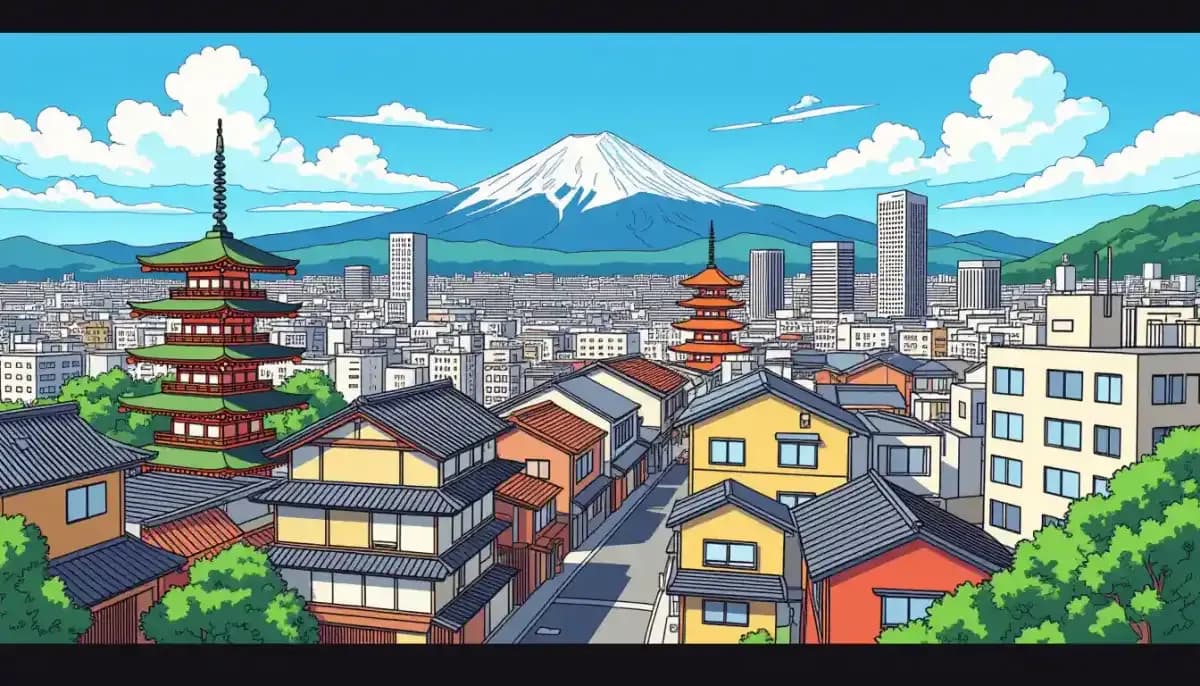
Discover the best locations for Airbnb investment in Japan — from Osaka's special zone to Hakone and Hakuba resorts. Compare yields, daily rates, occupancy data, and regulations for foreign investors.
Best Locations for Airbnb Investment in Japan
Japan has become one of the world's most attractive destinations for short-term rental investment. Driven by record-breaking inbound tourism, a weak yen that makes the country affordable for foreign visitors, and a legal framework that — while regulated — allows foreigners to participate without special residency requirements, the market offers genuine opportunities for savvy investors. Whether you are drawn to the iconic streets of Kyoto, the buzzing nightlife districts of Osaka, or the serene mountain villages near Mount Fuji, understanding which locations deliver the strongest returns is the essential first step.
This guide breaks down the best locations for Airbnb investment in Japan, comparing key metrics such as average daily rates, occupancy rates, annual revenue, and yield — so you can make an informed decision before committing capital.
Why Japan Is an Attractive Airbnb Market
Japan's tourism boom has created sustained demand for short-term rental accommodation. As of September 2025, there were 35,246 registered minpaku (short-term rental) units nationwide, with approximately 40% concentrated in Tokyo's 23 wards alone. Despite this concentration, occupancy rates in major cities remain remarkably high — Tokyo averages 89% occupancy, Osaka 86%, and Kyoto 81%.
The legal framework governing short-term rentals — the Minpaku Law — requires properties to be registered and generally limits operation to 180 days per year. However, designated Special Zones (tokku) such as Osaka allow year-round operation, making them particularly attractive for investment-focused buyers.
Crucially, foreigners do not need any special procedures or a Japanese residency card to purchase property and operate an Airbnb in Japan. The playing field is largely level, which is a significant advantage compared to other Asian real estate markets. For a comprehensive overview of your rights as a foreign buyer, see our guide on can foreigners buy property in Japan.
Top Urban Markets: Tokyo, Osaka, and Kyoto Compared
The three cities most associated with Japan tourism dominate the Airbnb market, but their investment profiles differ substantially.
| City | Active Listings | Avg Occupancy | Avg Daily Rate (¥) | Est. Annual Revenue (¥) | Avg Property Price (¥) | Estimated Yield |
|---|---|---|---|---|---|---|
| Tokyo | 21,037 | 89% | ¥19,288 | ¥6,354,503 | ¥94,092,000 | ~9.5% |
| Osaka | 12,056 | 86% | ¥13,643 | ¥4,376,689 | ¥30,000,000 | ~14–18% |
| Kyoto | 4,218 | 81% | ¥22,111 | ¥6,656,538 | ¥34,190,000 | ~12–15% |
Sources: Airbtics 2025/2026 market data. Revenue figures assume active management within legal operational limits.
Tokyo generates strong revenue in absolute terms, but with average property prices exceeding ¥94 million, yields hover around 9–10%. The 180-day annual cap further constrains income. Tokyo remains better suited for buyers with larger budgets who prioritize capital appreciation alongside rental income. For detailed neighbourhood analysis, see our Tokyo property buying guide.
Osaka stands out as the most investment-friendly major city. As a designated Special Zone, Osaka allows short-term rentals year-round without the 180-day restriction — a major revenue advantage. Entry prices are far more accessible (averaging around ¥30 million), and with 86% occupancy across 12,000+ active listings, demand is consistent. Our dedicated Osaka property guide covers the best neighbourhoods for both lifestyle and investment.
Kyoto commands the highest average daily rates of the three cities (¥22,111), reflecting the premium visitors pay for proximity to the city's UNESCO World Heritage sites and traditional machiya townhouses. However, the market is heavily saturated. Local regulations in central Kyoto are also among the most restrictive in the country — some wards limit operation to weekends only, significantly reducing revenue potential. See our Kyoto buying guide for full detail on neighbourhood-level restrictions.
Best Resort and Nature Destinations for High Yields
If maximising yield rather than absolute revenue is your goal, Japan's resort and nature destinations consistently outperform the major cities.
Hakone-Machi — Highest Monthly Revenue
Hakone, located just 90 minutes from Tokyo near Mount Fuji, tops the revenue charts with an average monthly income of approximately $2,800 (around ¥430,000) per property. The average daily rate of $298 reflects the premium paid by Tokyo-based domestic travellers and international tourists seeking onsen (hot spring) experiences with iconic mountain views. With only around 540 active listings, competition remains manageable relative to urban centres.
Hakuba — Premium Ski Resort Rates
Hakuba in Nagano Prefecture — site of the 1998 Winter Olympics alpine events — commands the highest average daily rate of any location analysed at $414. Annual average monthly revenue reaches approximately $2,600. The trade-off is sharp seasonality: the market peaks in the December–March ski season, with significantly lower demand in summer. Investors who can tolerate seasonal income patterns and are willing to market aggressively in the off-season find Hakuba highly rewarding. For broader Hokkaido and northern Japan context, see our guide on buying property in Hokkaido.
Fujikawaguchiko — Gateway to Mount Fuji
Lake Kawaguchiko in Yamanashi Prefecture is among Japan's most recognisable photography locations — the view of Mount Fuji reflected in the lake appears on virtually every Japan travel poster. Monthly average revenue reaches approximately $2,400 with an ADR of $249 and 35% occupancy. Yamanashi Prefecture as a whole offers some of the highest rental yields in Japan at 35.9%, driven by accessible property prices and strong tourist demand. Nagano — which covers Hakuba and surrounding mountain areas — follows at 32.1% yield.
Ishigaki and Okinawa — Tropical Island Investment
Ishigaki Island in Okinawa Prefecture generates around $2,000 per month with a 42% occupancy rate and ADR of $187. The island's white-sand beaches and coral reefs attract both domestic and international visitors, particularly during spring (cherry blossom) and summer seasons. Property prices in Okinawa (averaging around ¥34 million) are broadly comparable to Kyoto, but the market is far less saturated. Our Okinawa property guide explores the unique considerations for island property ownership.
Sapporo and Hokkaido — Growing Market
Sapporo in Hokkaido offers a compelling combination of affordable entry prices, year-round tourism (ski tourism in winter; nature tourism in summer), and a growing international visitor base. Estimated yields reach 22.2%, supported by lower property costs and Hokkaido's increasing profile as a tourism destination. Niseko — the renowned ski area west of Sapporo — commands premium rates for luxury chalet-style properties.
Understanding Japan's Minpaku Regulations by Location
Regulatory complexity is perhaps the most critical factor in choosing a location, as rules vary dramatically between municipalities.
| Location Type | Operational Days Limit | Key Restrictions |
|---|---|---|
| Standard national rule | 180 days/year | Applies to most residential areas |
| Osaka Special Zone (tokku) | 365 days/year | No day limit; licensing required |
| Central Kyoto (residential wards) | Weekdays only in some areas | Severely limits revenue |
| Tokyo 23 Wards | 180 days/year | Some wards have additional local rules |
| Rural/resort areas | Typically 180 days | Local councils may permit more |
| Minshuku (traditional inn) | Unlimited | Different license category |
The Osaka Special Zone is the standout regulatory environment for investors. The absence of the 180-day cap means that, with strong management and consistent demand, properties can theoretically operate at full capacity year-round. This fundamentally changes the investment maths compared to standard minpaku registration.
For investors targeting rural or resort properties, it is worth investigating whether the local municipality has applied for or received special zone status, or whether a different license category — such as a simple lodging (簡易宿所) license — might remove the day-limit restriction entirely.
For a deeper look at the legal processes involved in buying property, including understanding what documents you will need, see our guide on legal procedures and documentation.
Financial Considerations: Costs Beyond the Purchase Price
Purchasing a property for Airbnb operation involves costs beyond the headline price. Understanding the full financial picture is essential before committing.
Acquisition costs typically add 6–10% to the purchase price, covering real estate agent fees (3% + ¥60,000 plus consumption tax), stamp duty, registration taxes, and legal fees. Our guide on hidden costs and fees provides a complete breakdown.
Annual holding costs include fixed asset tax (固定資産税, typically 1.4% of assessed value), city planning tax (都市計画税, 0.3% in most areas), property management fees if you use a professional operator (typically 15–30% of revenue), cleaning fees between guests, platform fees (Airbnb charges hosts approximately 3% of the booking subtotal), and maintenance reserves.
Tax on rental income: Rental income from Japanese property is taxable in Japan. Non-residents are typically subject to a 20.42% withholding tax on gross income unless a tax treaty applies. Residents pay progressive income tax rates with the ability to deduct expenses including depreciation. Consulting a bilingual tax accountant is strongly recommended before purchasing.
For a full overview of property taxes in Japan, see our dedicated guide on property taxes and annual costs.
Practical Tips for Foreign Investors
Start with professional property management. Unless you are based in Japan, managing an Airbnb remotely requires a reliable local operator. Many management companies in major cities and resort areas specialise in foreign-owned short-term rental properties and handle everything from guest communication to cleaning coordination.
Check building management rules before buying. Many Japanese condominium buildings (マンション, mansion) prohibit short-term rentals under their building management agreements (管理規約). Always confirm that short-term rental operation is explicitly permitted — or not prohibited — before signing a purchase contract.
Consider property age and renovation needs. Older properties, including the akiya (abandoned homes) found in rural areas, often come at dramatically reduced prices but may require substantial renovation investment before they are guest-ready. The akiya market can offer exceptional yields once renovation costs are factored in — explore our guide on rural and countryside properties for more detail.
Register correctly from day one. Operating an unregistered minpaku risks fines and forced closure. The registration process involves submitting notification to the local prefectural government, meeting fire safety standards, and displaying your registration number prominently at the property and on your listing.
For an end-to-end walkthrough of the purchase process, our complete guide to buying property in Japan as a foreigner is the recommended starting point.
Further Resources
Building a successful Airbnb investment in Japan requires understanding both the property market and the regulatory environment. These resources provide valuable additional context:
- Living in Nihon — Comprehensive guides covering housing, rental contracts, and daily life in Japan for foreign residents
- For Work in Japan — Housing Guide — Practical information on housing infrastructure and commuting for foreigners
- Gaijin Buy House — Minpaku & Rental Business Guide — In-depth coverage of the minpaku business model for foreign property owners in Japan
- Airbtics Japan Market Data — Up-to-date Airbnb market analytics covering occupancy, daily rates, and revenue across Japanese cities
- Hosty App — Best Airbnb Markets Japan — Detailed location-by-location breakdown of short-term rental performance metrics
- SME Japan — Airbnb Investment Opportunities — Business context for foreign SMEs entering Japan's short-term rental market
Conclusion
Japan's Airbnb investment market rewards those who look beyond the obvious. While Tokyo and Kyoto attract the most attention, it is Osaka — with its special zone regulations and accessible property prices — and resort destinations like Hakone, Hakuba, and Fujikawaguchiko that often deliver the most attractive returns on investment.
The 180-day national limit is a genuine constraint in standard residential areas, but it is not insurmountable. Choosing locations with special zone status, exploring non-residential license categories, or targeting high-ADR niche markets can all significantly improve financial outcomes.
As a foreign investor, the good news is that Japan's property market is genuinely open to you. No special visa or residency card is required to purchase property or operate a registered minpaku. With the right location, the right property type, and sound professional management, Japan can be a highly rewarding addition to an international investment portfolio.

Originally from Vietnam, living in Japan for 16+ years. Graduated from Nagoya University, with 11 years of professional experience at Japanese and international companies. Sharing information about buying property in Japan for foreigners.
View Profile →Related Articles
Minpaku Penalties and Non-Compliance Risks in Japan
Learn about minpaku penalties in Japan including fines up to ¥1,000,000, real enforcement cases, and how to avoid non-compliance risks as a foreign property owner.
Read more →
Minpaku Insurance and Liability Guide for Japan Property Owners
Essential insurance and liability guide for minpaku operators in Japan. Covers fire insurance, earthquake coverage, personal liability, Airbnb Host Insurance, and compliance requirements under Japan's minpaku law.
Read more →
How to Set Up and Furnish a Minpaku Property in Japan
Complete guide to setting up and furnishing a minpaku short-term rental property in Japan. Covers legal requirements, mandatory furnishings, city restrictions, registration steps, and financial realities for foreign owners.
Read more →
Tax Obligations for Minpaku Operators in Japan
Complete guide to tax obligations for minpaku (short-term rental) operators in Japan. Covers income tax rates, deductible expenses, non-resident rules, local taxes, and filing requirements for foreign property owners.
Read more →
Special Zone Minpaku (Tokku) in Japan Explained
Learn how Special Zone Minpaku (Tokku Minpaku) works in Japan. Covers eligible zones, certification process, stay rules, and whether foreign owners can operate year-round Airbnb properties.
Read more →
Japan Airbnb Income Potential and Revenue Analysis
How much can you earn from Airbnb in Japan? Detailed revenue analysis by city: Tokyo earns ¥6.3M/year, Osaka ¥4.4M/year. Income projections, cost breakdowns, and ROI data for foreign owners.
Read more →