
How to Set Up and Furnish a Minpaku Property in Japan

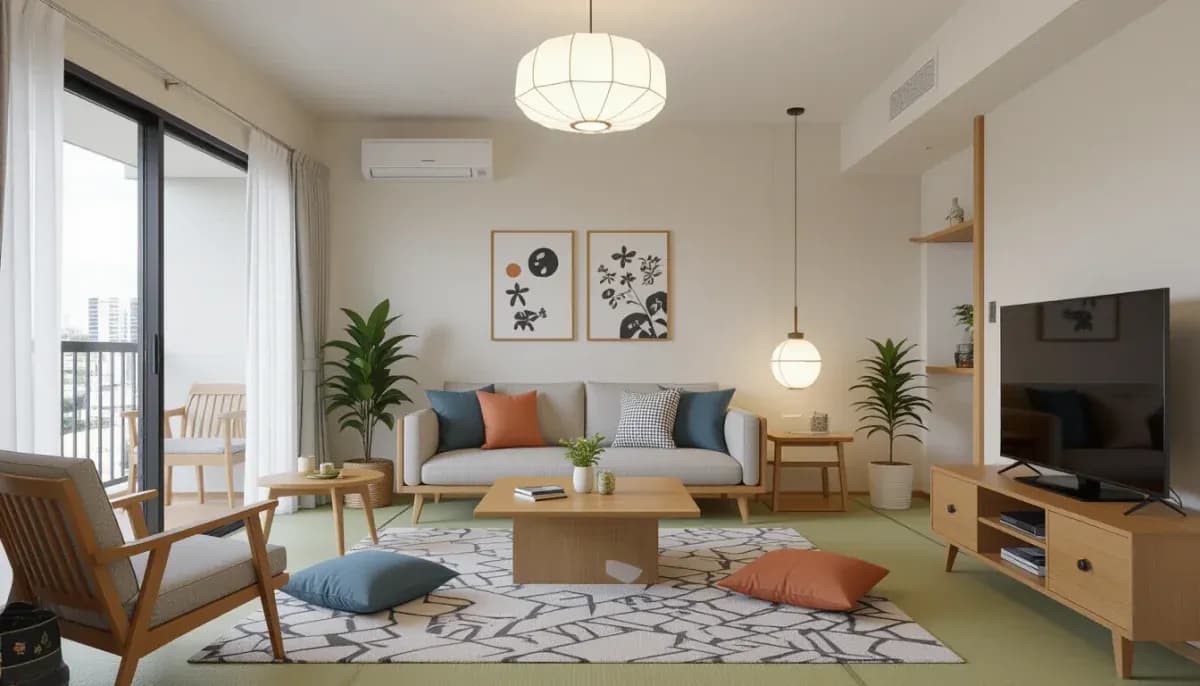
Complete guide to setting up and furnishing a minpaku short-term rental property in Japan. Covers legal requirements, mandatory furnishings, city restrictions, registration steps, and financial realities for foreign owners.
How to Set Up and Furnish a Minpaku Property in Japan
Japan's short-term rental market, known as minpaku (民泊), has become an increasingly attractive income stream for foreign property owners. With millions of tourists visiting Japan each year and a strong appetite for authentic residential-style accommodations, a well-set-up minpaku can generate meaningful returns. However, getting your property ready involves much more than buying furniture — you need to navigate licensing requirements, meet legal furnishing standards, handle multilingual communication, and comply with strict local regulations that vary by city.
This guide walks you through everything you need to know to set up and furnish a minpaku property in Japan as a foreigner, from understanding the legal framework to choosing the right furniture and registering with authorities.
Understanding the Minpaku Legal Framework
Before spending a single yen on furniture, you must understand the legal structure governing minpaku in Japan. The Private Lodging Business Act (住宅宿泊事業法), commonly called the Minpaku New Law, was enacted in June 2018 and created a standardized national framework for short-term residential rentals.
Under this law, there are three primary operating licenses:
| License Type | Annual Operating Days | Who It Suits |
|---|---|---|
| Standard Minpaku (民泊新法) | Maximum 180 days/year | Most foreign property owners |
| Hotel/Ryokan Business License (簡易宿所) | 365 days/year | High-volume commercial operators |
| Special Zone Minpaku (特区民泊) | 365 days (restricted zones) | Properties in designated districts only |
The 180-day annual cap under the standard minpaku law is a critical planning consideration. If you want to exceed this limit, you must obtain a full hotel business license, which carries substantially higher compliance costs and structural requirements. The special zone option, once available in Osaka's Namba area and Tokyo's Ota Ward, has become increasingly restrictive — Osaka suspended new applications around October 2025.
For most foreign buyers operating a single investment property, the standard Minpaku New Law path is the most practical starting point. For more context on owning property as a foreigner, see our Complete Guide to Buying Property in Japan as a Foreigner.
Two Operating Models: On-Site vs. Owner-Absent
One of the most important decisions shaping your setup and furnishing requirements is whether you will be on-site during guest stays or operating remotely.
Owner-on-premise type: You live in the property and are present during guest stays. This model applies lighter fire safety requirements and is viable for guest rooms under 50m². If you live in Japan and have a room to spare, this is the simpler path.
Owner-absent type: You are not physically present during guest stays. This is the reality for most foreign investors, especially non-residents. This model requires:
- Mandatory delegation to a licensed minpaku management company (住宅宿泊管理業者)
- Management fees typically running 15–20% of gross rental revenue
- Stricter fire safety and evacuation signage requirements
Non-resident foreign owners almost always fall into the owner-absent category. This affects your furnishing checklist, as you'll need to ensure the property is fully self-sufficient and comprehensively equipped for unsupervised guest use. You can learn more about the residential considerations at Living in Japan for Foreign Residents and employment-related living guides at For Work in Japan.
Mandatory Furnishings and Facilities Under Japanese Law
Unlike many countries where minpaku setups are loosely regulated, Japan specifies legally required furnishings and facilities. Your property must include all of the following to pass inspection and maintain your license:
Sleeping and Comfort:
- Bedding (futons or Western-style beds) — one complete set per guest
- Heating and cooling systems (air conditioning units are standard in Japan)
- Adequate lighting in all rooms
Kitchen and Sanitation:
- Fully functional kitchen or kitchenette with cooking facilities
- Bathroom with either a shower or bathtub (preferably both)
- Flush toilet
- Washbasin/sink separate from the toilet area
- Laundry facilities (washing machine) — or documented laundry access nearby
Safety Equipment (Non-Negotiable):
- Fire extinguisher (one per floor minimum)
- Smoke detectors in every room including hallways
- Emergency lighting for evacuation routes
- Clearly displayed evacuation maps and emergency procedures
Space Standard: Japanese law requires a minimum of 3.3 square meters of floor area per guest for accommodation space. Practically speaking, the minimum viable property size for a single-room minpaku is around 25m², while family-oriented properties should aim for 50m² or more.
Furnishing Your Minpaku for Guest Appeal
Beyond the legal minimums, smart furnishing significantly impacts your occupancy rates and reviews. Japanese guests and international tourists have high expectations — here is a practical furnishing approach:
Bedroom Setup
Japanese apartments typically have limited closet space, so prioritize multi-functional furniture. Consider:
- A platform bed with under-bed storage (space-saving)
- A quality mattress — guests rate sleep quality highly
- A full-length mirror (standard guest expectation)
- Blackout curtains (essential given Japan's thin walls and urban lighting)
- Bedside tables with charging ports (USB-A and USB-C outlets near the bed)
For a tatami room, offer traditional futon bedding stored in the closet, which doubles as authentic Japanese cultural appeal.
Kitchen Essentials
Stock the kitchen with cookware guests actually need:
- Pot and frying pan set
- Rice cooker (essential in Japan)
- Microwave
- Electric kettle
- Basic tableware for the maximum guest capacity
- Chopsticks alongside Western cutlery
Bathroom and Amenities
Japanese guests expect hotel-quality bathroom supplies. Provide:
- Shampoo, conditioner, and body wash (refillable dispensers)
- Fresh towels per guest
- Hair dryer
- Slippers for indoor use
Living Area
A small dining table and chairs serve double duty for eating and working — highly valued by business travelers. A wall-mounted TV with streaming capability (Netflix, YouTube) adds significant appeal.
Multilingual Communication Requirements
One often-overlooked legal requirement is multilingual guest information. Japanese law mandates that your property display the following information in a foreign language (at minimum English):
- How to use appliances and amenities in the property
- Emergency phone numbers (fire: 119, police: 110)
- Local transportation options and nearest station
- House rules in simple, clear language
- Trash disposal rules and schedule (Japan has strict waste separation rules)
Create a laminated house manual in English (and ideally Japanese, Chinese, and Korean for your target markets). Place it prominently on the kitchen table or near the entrance. Many hosts also use a digital guestbook service for this purpose.
The Registration and Notification Process
After furnishing and preparing your property, you must complete official registration before accepting guests. The steps are:
- Fire safety consultation — Visit your local fire station with your property's floor plan. They will advise on compliance requirements specific to your building type.
- Neighbor notification — For apartment buildings, you must inform adjacent units (same floor, directly above and below) about your intention to operate a minpaku. Keep records of this notification.
- Online registration — Submit your notification via the Minpaku Portal Site (minpaku.mlit.go.jp) with:
- Completed notification form - Property floor plan - Fire safety compliance certificate - Certificate of non-bankruptcy - Written oath confirming your legal eligibility
- Receive your certificate — Display the minpaku business certificate at the property entrance (this is a legal requirement).
- Hire an administrative scrivener (行政書士) — Strongly recommended for foreign nationals. They handle the paperwork, language barriers, and local regulatory nuances. Budget around ¥50,000–¥150,000 for this service.
For a broader view of the legal procedures involved in property ownership in Japan, see Legal Procedures and Documentation for Japan Property Purchase.
City-Specific Restrictions You Must Know
Local municipalities can impose restrictions beyond the national 180-day cap. Some of the most restrictive examples:
| City/Ward | Key Restriction |
|---|---|
| Kyoto (residential zones) | Operations limited to roughly January 15–March 15 only (~2 months/year) |
| Shinjuku, Tokyo | Prohibited in residential zones Monday noon to Friday noon (weekdays) |
| Osaka (Special Zone) | Suspended new applications as of ~October 2025 |
| Niseko, Hokkaido | Relatively permissive; popular ski-season minpaku market |
Always verify current local rules with your ward or municipality office before purchasing a property specifically for minpaku use. What was permitted when you researched the investment may have changed by the time you're ready to operate.
For city-specific property considerations, see our guides on Buying Property in Osaka as a Foreigner and Buying Property in Kyoto as a Foreigner.
Ongoing Compliance and Reporting
Once operational, minpaku owners have ongoing legal obligations:
- Bi-monthly reports: File reports by the 15th of every even-numbered month covering the number of guests, overnight stays, and guest nationality breakdowns — even during months with zero activity.
- Passport verification: All foreign guests without a Japanese address must have their passport copied and their nationality and passport number recorded. Keep these records for a minimum of 3 years.
- Annual renewal: Confirm your license status with your local government annually.
Your management company, if you use one, typically handles these reporting obligations on your behalf — confirm this in your management contract before signing.
Financial Reality Check for Foreign Owners
Setting realistic expectations is essential. Using a real-world Osaka example: a 1LDK apartment purchased for ¥18 million, operating at an average nightly rate of ¥8,000 over 150 days, generates roughly ¥1.2 million in gross annual revenue. After deducting cleaning fees, management company fees (15–20%), utilities, platform commissions, and taxes, net income drops to approximately ¥310,000 — an actual net yield of around 1.72%, far below the surface yield of 6.67%.
Non-resident foreign property owners also face:
- 20.42% source withholding tax on Japanese rental income
- Requirement to appoint a Japanese tax representative (納税管理人)
- Potential double taxation treaty considerations depending on your home country
For a comprehensive look at property-related taxes, see Property Taxes and Annual Costs of Owning Property in Japan.
For more detailed guidance on the rental and Airbnb market for foreigners, Gaijin Buy House's rental business guide is an excellent English-language resource covering the regulatory landscape in depth. Additional research is available from Japan Remotely's short-term rental guide and MailMate's minpaku licensing overview.
Summary: Minpaku Setup Checklist
Use this checklist before your first guest arrives:
- [ ] License obtained and displayed at entrance
- [ ] Bedding, A/C, and heating installed for all guest capacity
- [ ] Kitchen equipped with cookware, rice cooker, kettle, microwave
- [ ] Bathroom stocked with towels, toiletries, hair dryer, slippers
- [ ] Smoke detectors installed in all rooms and hallways
- [ ] Fire extinguisher on each floor
- [ ] Emergency evacuation map displayed prominently
- [ ] Multilingual house manual placed in the property
- [ ] Trash disposal rules explained in guest language
- [ ] Neighbor notification complete and documented
- [ ] Management company contracted (if owner-absent)
- [ ] Bi-monthly reporting schedule confirmed with management company
Setting up a minpaku in Japan requires careful preparation but can be a rewarding investment when approached correctly. The key is thorough preparation — getting the legal, physical, and operational components aligned before your first booking.

Originally from Vietnam, living in Japan for 16+ years. Graduated from Nagoya University, with 11 years of professional experience at Japanese and international companies. Sharing information about buying property in Japan for foreigners.
View Profile →Related Articles
Minpaku Penalties and Non-Compliance Risks in Japan
Learn about minpaku penalties in Japan including fines up to ¥1,000,000, real enforcement cases, and how to avoid non-compliance risks as a foreign property owner.
Read more →
Minpaku Insurance and Liability Guide for Japan Property Owners
Essential insurance and liability guide for minpaku operators in Japan. Covers fire insurance, earthquake coverage, personal liability, Airbnb Host Insurance, and compliance requirements under Japan's minpaku law.
Read more →
Tax Obligations for Minpaku Operators in Japan
Complete guide to tax obligations for minpaku (short-term rental) operators in Japan. Covers income tax rates, deductible expenses, non-resident rules, local taxes, and filing requirements for foreign property owners.
Read more →
Special Zone Minpaku (Tokku) in Japan Explained
Learn how Special Zone Minpaku (Tokku Minpaku) works in Japan. Covers eligible zones, certification process, stay rules, and whether foreign owners can operate year-round Airbnb properties.
Read more →
Japan Airbnb Income Potential and Revenue Analysis
How much can you earn from Airbnb in Japan? Detailed revenue analysis by city: Tokyo earns ¥6.3M/year, Osaka ¥4.4M/year. Income projections, cost breakdowns, and ROI data for foreign owners.
Read more →
Ryokan and Hotel License vs Minpaku in Japan: Which to Choose?
Compare Japan's Ryokan/Hotel Business License and Minpaku Law for short-term rentals. Learn requirements, costs, operating day limits, and which license suits foreign property investors.
Read more →