
Japan Minpaku Law and Regulations Explained for Property Owners

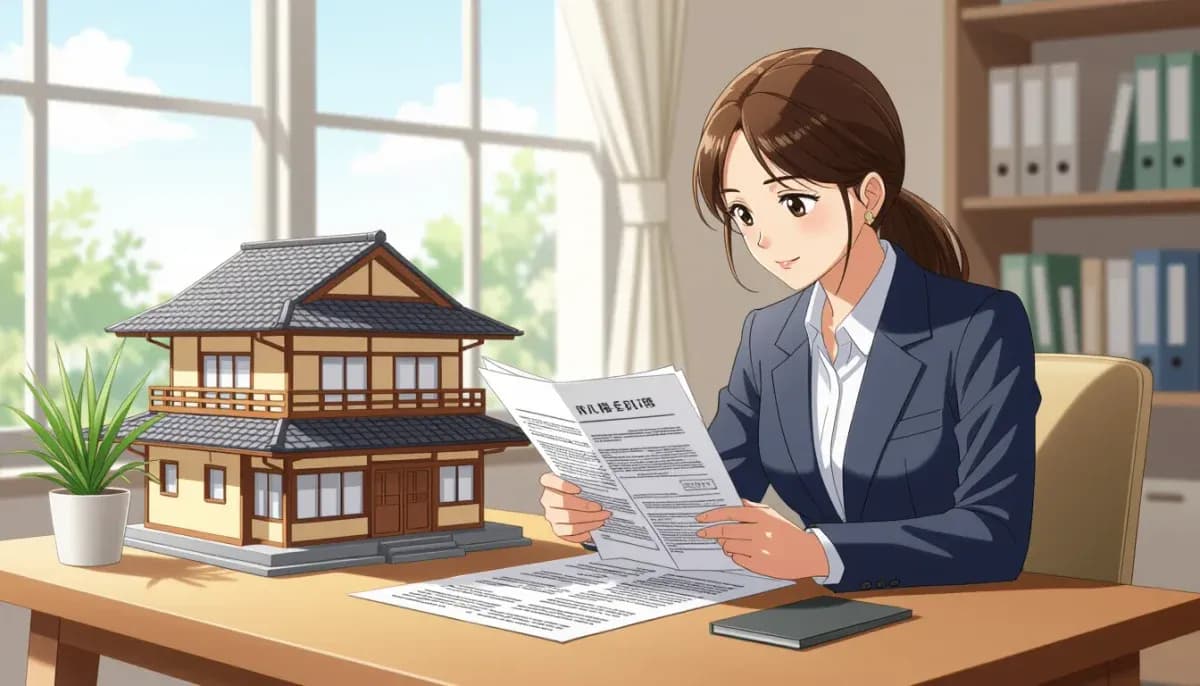
Understand Japan's Minpaku Law (Private Lodging Business Act): 180-day rule, registration requirements, foreign owner rules, condominium restrictions, and penalties. Updated 2025.
Japan Minpaku Law and Regulations Explained for Property Owners
Japan's short-term rental market has exploded in popularity over the past decade, driven by record-breaking tourism and the unique appeal of staying in a genuine Japanese home. But operating a short-term rental in Japan is not as simple as listing your property on Airbnb and waiting for bookings. The Private Lodging Business Act — known in Japanese as the Minpaku Shinpou — governs every aspect of short-term rentals, and understanding its requirements is essential before you invest a single yen.
This guide explains the Japan minpaku law in plain English, covering who can operate legally, what licenses are required, the 180-day rule, regional restrictions, and the penalties for non-compliance. Whether you are a foreign buyer considering your first Japanese investment property or an existing owner looking to monetize your home, this article gives you the regulatory foundation you need.
For broader context on owning property in Japan, see our Complete Guide to Buying Property in Japan as a Foreigner and our overview of Short-Term Rental and Airbnb opportunities in Japan.
What Is the Minpaku Law?
The Private Lodging Business Act (住宅宿泊事業法, Jūtaku Shukuhaku Jigyō Hō), commonly called the Minpaku Law, came into force on June 15, 2018. Before this date, operating a short-term rental in a private residence was a legal grey area in Japan. Many Airbnb hosts operated without formal authorization, and enforcement was inconsistent. The 2018 law ended that ambiguity by creating a nationwide regulatory framework.
The law defines minpaku as the business of allowing guests to stay in a residence (house, apartment, or portion thereof) for a fee, for a period shorter than a fixed-term lease. Key features of the framework include:
- A nationwide 180-day annual cap on operating days under the standard pathway
- A mandatory notification system with the prefectural governor
- Safety and hygiene requirements for all registered properties
- Reporting obligations to local authorities every two months
- Local government authority to impose additional restrictions beyond the national rules
The law transformed Japan's short-term rental market overnight. As of July 2025, there are 33,618 registered minpaku properties nationwide — an all-time high — reflecting both growing investor interest and improving regulatory compliance.
The Three Licensing Pathways
Not all short-term rentals in Japan fall under the same legal category. There are three distinct pathways, each with different requirements, operational limits, and costs.
| Pathway | Annual Days | Key Requirements | Best For |
|---|---|---|---|
| Standard Minpaku (住宅宿泊事業) | Up to 180 days | Notification to prefectural governor; fire safety measures; licensed manager if owner-absent | Foreign buyers, part-time operators |
| Ryokan / Simple Accommodation License (旅館業法) | Up to 365 days | Full hotel-grade permit; minimum 33 sqm guest room area; public health center approval | Full-time commercial operators |
| Special Zone Minpaku (国家戦略特区) | Up to 365 days | Only in designated national strategic zones; minimum 2-night / 3-day stay | Operators in qualifying Osaka, Chiba, Niigata districts |
For most foreign property owners, the Standard Minpaku pathway is the most practical starting point. It requires a notification (not a license application in the traditional sense) and can be completed without the complex facility standards demanded by the Ryokan Business Law.
The Special Zone Minpaku pathway was particularly popular in Osaka, but as of May 30, 2026, Osaka City and Osaka Prefecture have suspended new permit applications for this category — an important development for anyone targeting Osaka for investment. Existing permit holders are unaffected, but new entrants can no longer access the 365-day Special Zone pathway in Osaka.
For a deeper comparison of these pathways, see our article on Ryokan and Hotel License vs Minpaku in Japan, and for details on the Special Zone system, read our Special Zone Minpaku (Tokku) in Japan Explained guide.
The 180-Day Rule Explained
The most discussed — and most misunderstood — aspect of the Standard Minpaku pathway is the 180-day annual operating limit. Here is exactly how it works:
- The fiscal year runs from April 1 to March 31 (Japan's standard fiscal calendar)
- Days are counted noon-to-noon (not calendar days), based on guest check-in and check-out times
- The 180-day limit applies to the property, not the platform — operating across Airbnb, Vrbo, and Booking.com simultaneously does not give you more days
- Unused days do not roll over to the following fiscal year
In practice, 180 days means roughly six months of operation per year. For investors expecting full-year Airbnb income, this is a significant constraint.
However, local governments can further reduce this limit — and many do. Examples:
- Kyoto City: Restricts standard minpaku operation to mid-January through mid-March only (approximately 60 usable days per year in most areas)
- Tokyo 23 Wards: Many wards restrict operation to weekdays only, school holiday periods, or specific seasonal windows — effectively reducing usable days to as few as 60-100 per year depending on the ward
- Osaka City: Historically more permissive, but the 2026 Special Zone suspension reflects tightening attitudes
- Rural areas: Generally follow the national 180-day cap with fewer local restrictions
Always research the specific ward or municipality rules before purchasing a property intended for minpaku use. The national law sets a ceiling; local rules set the actual operating window. Our detailed guide on Japan's 180-Day Rule for Minpaku covers workarounds and location strategies.
Who Can Operate a Minpaku in Japan? Rules for Foreign Owners
Japan imposes no nationality-based restrictions on property ownership or minpaku registration. Foreigners can legally buy property and operate a minpaku regardless of citizenship. However, there are practical requirements that affect non-resident foreign owners specifically.
If you live in Japan (on-site owner):
- You may personally manage guest check-ins, cleaning, and communications
- Standard Minpaku notification applies
- You must still meet all fire safety and reporting requirements
If you do not live in Japan (non-resident or remote owner):
- You are legally required to appoint a licensed minpaku management company (kanri gyousha — 住宅宿泊管理業者) to handle operations
- This is not optional — the law mandates it for owner-absent properties
- The management company handles guest communications, check-ins, cleaning, safety inspections, and the bi-monthly reports to authorities
- Management fees typically range from 15% to 30% of gross revenue
Visa and residence status:
- Tourist visa holders cannot personally operate a minpaku business in Japan, even on a temporary visit
- Non-resident foreign owners who appoint a licensed management company are fully compliant with the law
- Owners residing in Japan must have an appropriate status of residence that permits business activity
For most foreign investors, working with a specialized minpaku management company in Japan is both a legal necessity and a practical choice. It removes the day-to-day operational burden and ensures compliance with Japan's detailed reporting requirements.
For additional guidance on residency and ownership rights, see Can Foreigners Buy Property in Japan? Legal Rights and our Visa and Residency Considerations for Property Buyers.
For real-world guidance on living in Japan as a foreigner, Living in Nihon provides practical expat resources, and For Work in Japan covers employment and business considerations for foreign residents.
Notification Requirements and Registration Process
The standard minpaku pathway uses a notification system rather than a license application. You are not asking for permission — you are notifying the relevant authority that you intend to operate, and you must meet all requirements before guests arrive.
Documents required for standard minpaku notification:
- Completed notification form (available from the city or ward website)
- Fire Law Conformity Certificate issued by the local fire department
- Non-bankruptcy certificate (fudobansan shomeisho)
- Written oath of eligibility (confirming you meet legal requirements)
- Full floor plan of the residence
- If using a management company: the company's registration number and agreement
Where to submit: The local public health center (hokenjo — 保健所) in the municipality where the property is located.
Timeline: Processing typically takes 2-4 weeks. You cannot accept guests until you have received your registration number. Airbnb and other platforms are required by law to verify a valid registration number before publishing your listing.
A gyousei shoshi (administrative scrivener) is strongly recommended for foreign owners unfamiliar with Japanese administrative procedures. These licensed professionals prepare and submit all paperwork on your behalf.
For a step-by-step walkthrough of the full registration process, see our Minpaku Registration Process in Japan guide.
You can also find helpful expat guides and resources at Gaijin Buy House, which covers property investment considerations for foreigners in Japan.
Condominium Rules: A Critical Warning
One of the most common mistakes made by first-time minpaku investors is purchasing a condominium without checking the management rules (kanri kisoku — 管理規則).
The majority of condominium buildings in Japan explicitly prohibit short-term rental use. This prohibition may appear in the building's management agreement, house rules, or both. Violating this prohibition can result in:
- Demands to cease operations from the building's management association
- Legal action from other owners
- Forced sale in extreme cases
Critically, condominium rules can be changed after you purchase. A three-quarter supermajority vote of all unit owners can amend the management agreement to prohibit minpaku retroactively, even if the property was being operated legally at the time of your purchase.
Rented apartments cannot be sub-let on a short-term basis under any circumstances. Sub-letting without the landlord's explicit written permission is a breach of the rental agreement and grounds for eviction.
Before purchasing any condominium for minpaku purposes:
- Request and read the full management agreement (kanri kisoku)
- Confirm there is no prohibition on short-term rentals
- Consult with a real estate lawyer to assess the risk of future rule changes
- Consider standalone houses (ikkoken-ya) or properties with explicitly minpaku-friendly management agreements
Detached houses generally face fewer internal governance restrictions, which is one reason many experienced minpaku investors in Japan prefer single-family homes. Learn more about property types in our Types of Properties Available in Japan: A Complete Guide.
Ongoing Compliance: Reporting and Safety Requirements
Registration is just the beginning. Minpaku operators in Japan face ongoing compliance obligations throughout their operating period.
Bi-monthly reporting:
- Submit usage reports to the prefectural governor by the 15th of every even month
- Reports must include: number of operating days, number of guests, total overnight stays, and nationality breakdown
Foreign guest passport verification:
- All foreign guests without Japanese addresses must have their passports photocopied and verified before check-in
- Copies must be retained for the statutory period and are subject to reporting to local health centers and police
- This is a firm legal requirement, not a recommendation
Safety requirements:
- Fire extinguishers must be installed and maintained
- Emergency exit signs must be clearly posted
- Minimum floor area: 3.3 sqm per guest
- Owner-absent properties face stricter fire safety requirements than owner-on-premise properties
Management company reporting:
- If you use a management company, they handle reporting on your behalf — but as the registered owner, you remain legally responsible for compliance
Failing to meet reporting obligations can result in fines and ultimately suspension of your registration. For more detail on what happens when things go wrong, see our guide on Minpaku Penalties and Non-Compliance Risks in Japan.
Penalties for Non-Compliance
Japan's enforcement of the Minpaku Law has grown significantly stricter since 2020, with local governments and national authorities both increasing inspection activity.
Penalties under the Minpaku Law include:
| Violation | Maximum Penalty |
|---|---|
| Operating without registration | Fine up to ¥1,000,000 (~USD 6,700) and/or up to 6 months imprisonment |
| False statements in registration documents | Fine up to ¥500,000 |
| Failure to submit bi-monthly reports | Administrative warning, then fines |
| Violating local government restrictions | Suspension of registration |
| Ignoring safety inspection findings | Suspension or revocation of registration |
Platforms including Airbnb cooperate with Japanese authorities and will delist properties found to be operating illegally. An illegal listing also exposes you to civil liability if a guest is harmed on an unregistered property.
The combination of financial penalties, possible criminal liability, and platform delisting makes compliance not just a legal obligation but a financial necessity. For more information on related costs, see our guide on Property Taxes and Annual Costs of Owning Property in Japan.
2025–2026 Regulatory Trends
Japan's minpaku regulatory landscape continues to evolve. Several important developments affect property owners and investors:
- National registration count at all-time high: 33,618 registered properties as of July 2025, showing the market's continued growth despite restrictions
- Osaka Special Zone suspension: From May 30, 2026, Osaka City and Osaka Prefecture will no longer accept new Special Zone Minpaku permit applications. Existing permit holders continue to operate legally, but new entrants cannot access the 365-day pathway in Osaka
- Local government tightening: Across Japan, municipalities are adding noise complaints and waste management rules in response to neighbor complaints, particularly in dense urban tourist districts
- Tourism demand remains strong: Approximately 3.38 million foreign tourists visited Japan in June 2025 alone (JNTO data), maintaining high demand for short-term accommodations
The overall direction is toward more granular local regulation while maintaining the national framework. Investors should expect further local restrictions in popular tourist destinations and look to rural and suburban areas for properties with more favorable regulatory conditions.
For a comprehensive look at where to invest, see our guide on Best Locations for Airbnb Investment in Japan, and for income projections, read our Japan Airbnb Income Potential and Revenue Analysis.
Key Resources for Further Research
- Minpaku in Japan: An Easy Guide for Property Owners | MailMate — comprehensive registration walkthrough
- Can I Legally Rent Out My Home in Japan? | Realestate.co.jp — condominium rules and legal details
- All About Minpaku: How Short-Term Rentals Work | Nippon Tradings — licensing type comparison
- What Is the Minpaku Law? | Old Houses Japan — penalties and enforcement
- Living in Nihon — expat resources for daily life and property in Japan
- For Work in Japan — employment and business guidance for foreign residents
- Gaijin Buy House — property investment resources for foreigners in Japan
Summary
Japan's Minpaku Law creates a workable — but demanding — framework for short-term rental operation. The standard pathway's 180-day national cap is the most significant operational constraint, and local rules in cities like Kyoto can reduce this to just 60 usable days per year. Foreign owners face no nationality-based barriers but must appoint a licensed management company if they are not resident on-site.
Condominium restrictions remain the most common trap for new investors: always verify the management agreement before purchase, and consider standalone houses for greater operational flexibility. Compliance obligations are ongoing — bi-monthly reporting, passport verification of foreign guests, and fire safety standards all require active management.
With 33,618 registered properties nationwide as of mid-2025 and millions of tourists visiting each month, Japan's minpaku market offers real opportunity — but only for operators who understand and respect the regulatory framework.
For next steps, explore our complete Starting an Airbnb Business in Japan as a Foreigner guide, and learn about the Tax Obligations for Minpaku Operators in Japan.

Originally from Vietnam, living in Japan for 16+ years. Graduated from Nagoya University, with 11 years of professional experience at Japanese and international companies. Sharing information about buying property in Japan for foreigners.
View Profile →Related Articles
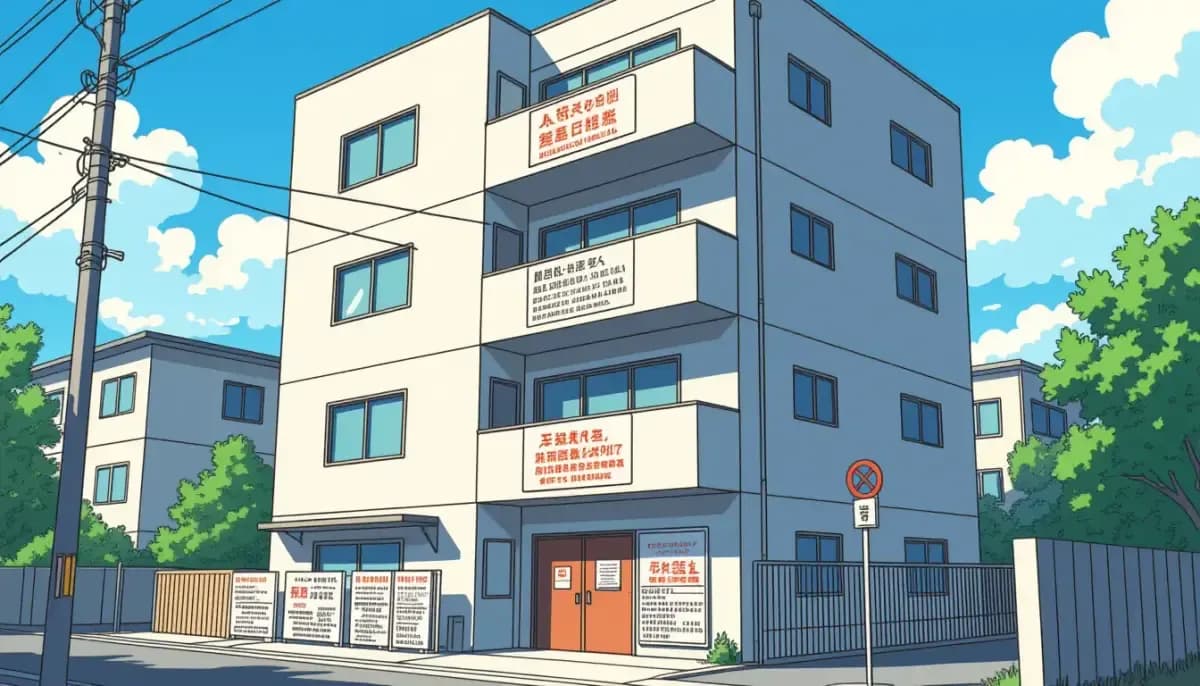
Minpaku Penalties and Non-Compliance Risks in Japan
Learn about minpaku penalties in Japan including fines up to ¥1,000,000, real enforcement cases, and how to avoid non-compliance risks as a foreign property owner.
Read more →
Minpaku Insurance and Liability Guide for Japan Property Owners
Essential insurance and liability guide for minpaku operators in Japan. Covers fire insurance, earthquake coverage, personal liability, Airbnb Host Insurance, and compliance requirements under Japan's minpaku law.
Read more →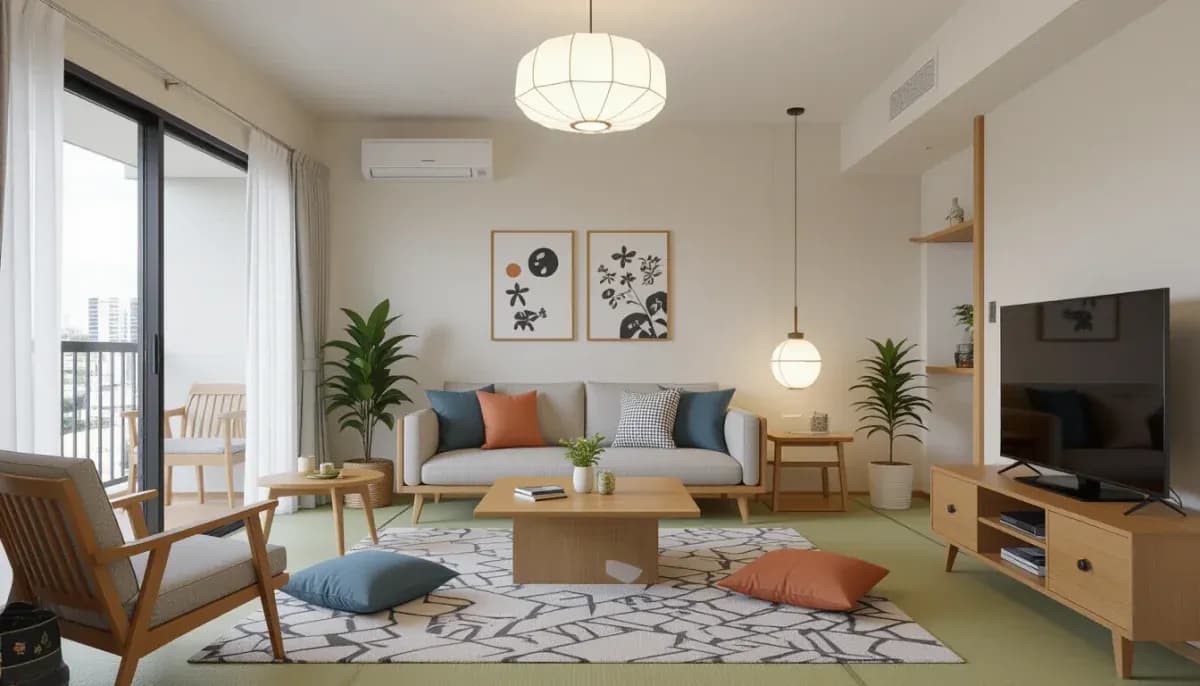
How to Set Up and Furnish a Minpaku Property in Japan
Complete guide to setting up and furnishing a minpaku short-term rental property in Japan. Covers legal requirements, mandatory furnishings, city restrictions, registration steps, and financial realities for foreign owners.
Read more →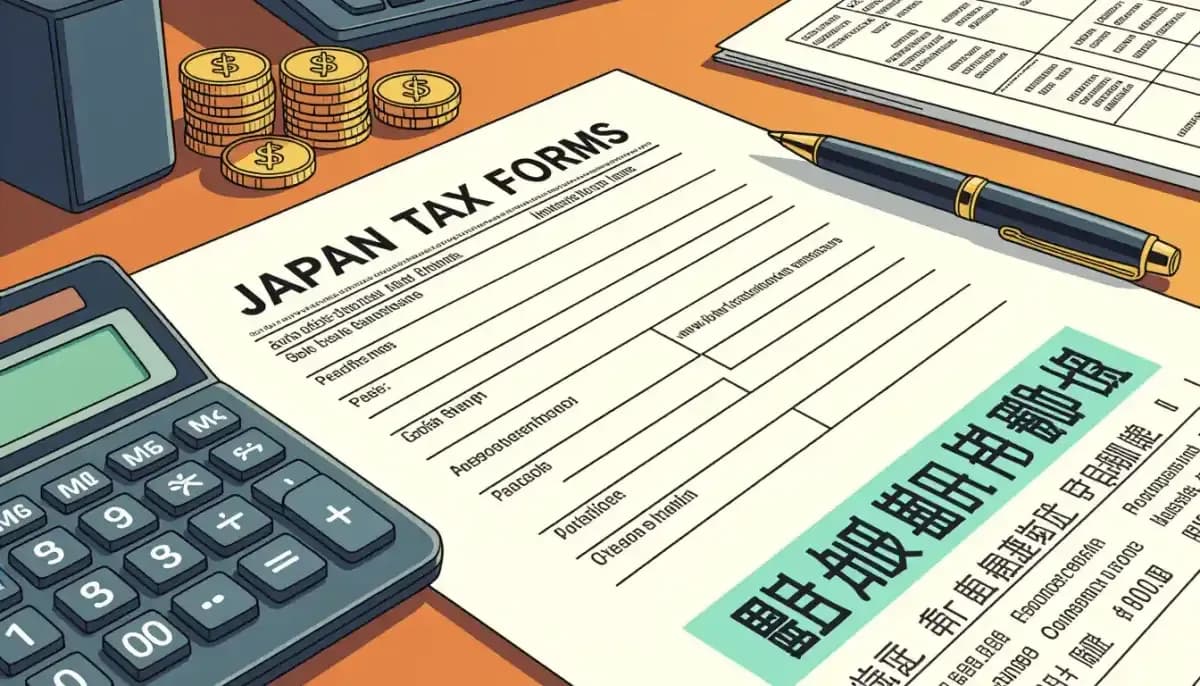
Tax Obligations for Minpaku Operators in Japan
Complete guide to tax obligations for minpaku (short-term rental) operators in Japan. Covers income tax rates, deductible expenses, non-resident rules, local taxes, and filing requirements for foreign property owners.
Read more →
Special Zone Minpaku (Tokku) in Japan Explained
Learn how Special Zone Minpaku (Tokku Minpaku) works in Japan. Covers eligible zones, certification process, stay rules, and whether foreign owners can operate year-round Airbnb properties.
Read more →
Japan Airbnb Income Potential and Revenue Analysis
How much can you earn from Airbnb in Japan? Detailed revenue analysis by city: Tokyo earns ¥6.3M/year, Osaka ¥4.4M/year. Income projections, cost breakdowns, and ROI data for foreign owners.
Read more →