
Special Zone Minpaku (Tokku) in Japan Explained

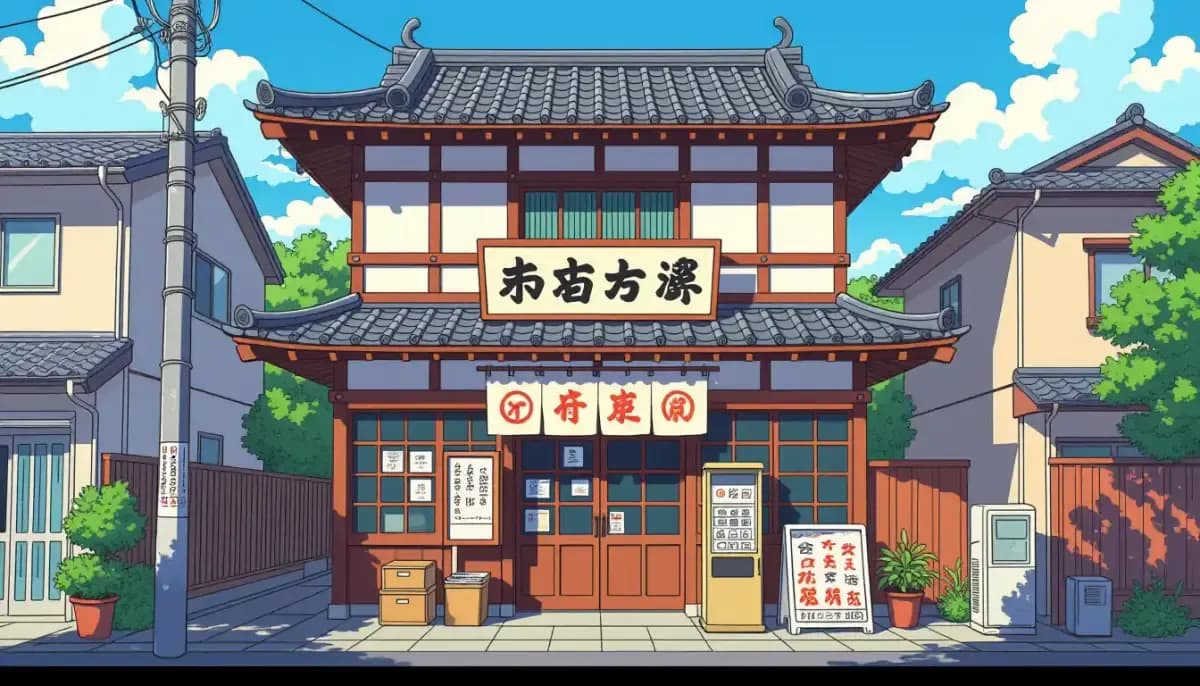
Learn how Special Zone Minpaku (Tokku Minpaku) works in Japan. Covers eligible zones, certification process, stay rules, and whether foreign owners can operate year-round Airbnb properties.
Special Zone Minpaku (Tokku) in Japan Explained
Japan's short-term rental market offers two main legal pathways: the standard minpaku framework under the 2018 Private Lodging Business Act, and the lesser-known Special Zone Minpaku system—known in Japanese as Tokku Minpaku (特区民泊). For foreign property owners considering Airbnb-style rentals in Japan, understanding the difference between these two systems can mean the difference between running a business 180 days per year and operating every single day of the year.
This guide explains everything you need to know about Special Zone Minpaku in Japan, including where it applies, how to get certified, what rules you must follow, and what the current regulatory landscape looks like as of 2025–2026.
What Is Special Zone Minpaku (Tokku Minpaku)?
Special Zone Minpaku operates under Japan's National Strategic Special Zones Act (国家戦略特別区域法), a law designed to loosen regulations in specific geographic zones to attract investment and stimulate economic activity. Unlike the standard minpaku framework, which imposes a strict 180-day annual cap on operations, Tokku Minpaku allows year-round hosting with no annual cap.
The key distinction:
| Feature | Standard Minpaku | Special Zone Minpaku (Tokku) |
|---|---|---|
| Annual operating days | Max 180 days/year | Unlimited (365 days/year) |
| Governing law | Private Lodging Business Act (2018) | National Strategic Special Zones Act |
| Applicable areas | Nationwide | Designated zones only |
| Minimum stay | No minimum | 2 nights / 3 days minimum |
| Maximum stay | No maximum | 9–10 nights (varies by municipality) |
| Minimum floor area | No specific requirement | 25 m² per room |
| Front desk requirement | Not required | Not required |
| Foreign owners allowed | Yes (with management company) | Yes (with management company) |
The trade-off is clear: you gain unlimited operating days, but you are restricted to specific zones and face stricter rules on minimum/maximum stays and property size.
Designated Special Zone Minpaku Areas in Japan
Not every National Strategic Special Zone automatically allows Tokku Minpaku—a local ordinance must be specifically enacted. As of 2025, the municipalities where Special Zone Minpaku certification is (or has been) available include:
- Ota Ward, Tokyo (one of the earliest adopters)
- Osaka City (historically the largest concentration)
- Osaka Prefecture (broader prefectural zones)
- Yao City, Osaka Prefecture
- Neyagawa City, Osaka Prefecture
- Chiba City, Chiba Prefecture
- Niigata City, Niigata Prefecture
- Kitakyushu City, Fukuoka Prefecture
Important 2025–2026 Update: Osaka City and Osaka Prefecture have suspended new Special Zone Minpaku applications due to significant community backlash, noise complaints, and concerns about foreign ownership. Neighbor complaints in Osaka reportedly quintupled between 2021 and 2024, reaching 556 formal complaints in 2024 alone. Osaka now accounts for over 90% of all Tokku Minpaku facilities nationwide, and the local governments have halted new certifications pending regulatory review. Existing licensed properties are grandfathered in and may continue operating.
For up-to-date information on which zones are currently accepting applications, check with your target municipality directly before purchasing a property.
Key Rules and Requirements for Tokku Minpaku
Stay Duration Requirements
Special Zone Minpaku imposes strict stay duration rules that distinguish it from standard minpaku:
- Minimum stay: 2 nights / 3 days — single-night bookings are prohibited
- Maximum stay: 9 to 10 nights depending on the municipality (the intent is to serve medium-term travelers, not permanent residents)
These rules reflect the policy intent: Tokku Minpaku is designed for visitors staying several days, not travelers seeking one-night accommodations like a hotel.
Property Size Requirements
Each guest room must have a minimum floor area of 25 square meters. This is significantly larger than what is typically required for standard minpaku properties. For foreign buyers, this rules out many small Tokyo studio apartments and micro-units common in Japanese cities.
Prohibited Zone Types
Even within a designated Special Zone, Tokku Minpaku certification is not available in:
- Exclusive residential zones (第一種・第二種低層住居専用地域)
- Industrial zones and quasi-industrial zones
- Urbanization-controlled areas (市街化調整区域) in Osaka City specifically
Check the zoning designation of any property you are considering before assuming it qualifies.
How to Get Certified: The Tokku Minpaku Application Process
The certification process for Special Zone Minpaku is more involved than standard minpaku registration, but it does not require a front desk or permanent on-site manager.
Step 1: Fire Prevention Equipment Installation (Approx. 1 Month)
Install all required fire safety equipment including fire alarms, extinguishers, and emergency lighting. A formal inspection by the local fire department is required. This process typically takes about one month from installation to passing inspection.
Step 2: Notify Neighboring Residents
You must personally (or through a proxy) notify all neighboring residents about your intent to operate a short-term rental. This door-to-door notification requirement is more formal than in standard minpaku and is designed to give neighbors an opportunity to raise concerns before certification is granted.
Step 3: Submit Application to Local Government
Submit your completed application to the relevant municipal office. Processing typically takes approximately 10 days. The government certification fee is approximately ¥22,000 (around USD $150), making it one of the more affordable regulatory fees in Japan's rental market.
Step 4: Comply with Ongoing Multilingual Requirements
Once certified, you are required to provide multilingual information for guests (Japanese + at least one foreign language) and ensure emergency contact services are available in foreign languages. This requirement acknowledges that most Tokku Minpaku guests are international visitors.
For a step-by-step guide to the registration process and what documents you'll need, see our Minpaku Registration Process in Japan Guide.
Can Foreign Property Owners Run Tokku Minpaku?
Yes — foreign nationals who do not reside in Japan can legally operate Special Zone Minpaku properties. However, there is a practical requirement: you must outsource day-to-day management to a licensed minpaku management company if you are not present in Japan.
The management company handles:
- Guest check-in and check-out
- Emergency response and multilingual guest support
- Cleaning and maintenance coordination
- Compliance monitoring
- Regulatory reporting
For guidance on selecting a management company, see our Minpaku Management Company Guide for Japan.
For more detail on the regulations governing all forms of minpaku in Japan, our Japan Minpaku Law and Regulations Explained article provides a comprehensive legal overview.
Tokku Minpaku vs. Standard Minpaku: Which Is Better for Investors?
| Consideration | Standard Minpaku | Tokku Minpaku |
|---|---|---|
| Annual income potential | Limited by 180-day cap | Full year potential |
| Available locations | Nationwide | 7–8 designated zones only |
| Guest flexibility | Single-night stays OK | Min. 2 nights / max. ~10 nights |
| Property size flexibility | Any size | Must be 25 m²+ per room |
| Regulatory risk | Nationwide framework | Zone-specific; some zones now suspended |
| Ideal for | Casual hosts, limited investment | Full-time rental investors in key zones |
For investors who want to operate a serious, full-time short-term rental business in Japan, Tokku Minpaku offers the most favorable operating conditions—provided you can find a qualifying property in an active zone.
For a comparison of minpaku with hotel and ryokan licenses, see Ryokan and Hotel License vs Minpaku in Japan.
Income Potential and Investment Considerations
The ability to operate 365 days per year rather than 180 days gives Tokku Minpaku a theoretical income advantage of up to 2x compared to standard minpaku, assuming similar occupancy rates. In high-demand areas like central Osaka or Tokyo's Ota Ward, well-managed properties can achieve strong occupancy rates during peak tourism seasons.
However, investors should factor in:
- Management fees: Typically 15–25% of revenue for outsourced management
- Certification and compliance costs: Initial certification, fire safety, multilingual requirements
- Zone availability risk: As seen in Osaka, favorable zone rules can change or be suspended
- Currency and tax considerations: Rental income in Japan is subject to Japanese income tax even for non-residents
For detailed revenue projections and yield analysis, see our Japan Airbnb Income Potential and Revenue Analysis.
To understand your tax obligations as a foreign minpaku operator, see Tax Obligations for Minpaku Operators in Japan.
External Resources for Further Research
For comprehensive information on living and investing in Japan as a foreigner:
- Living in Nihon — practical guides for expats and foreign residents in Japan
- For Work in Japan — career and lifestyle resources for foreigners working in Japan
- Gaijin Buy House — dedicated guides for foreigners buying property in Japan
- Japan Law Tax — Tokku Minpaku Guide — detailed Japanese law and tax analysis of the Tokku framework
- AirHost Blog — Tokku Minpaku Rules — practical operational guidance for hosts
Conclusion
Special Zone Minpaku (Tokku Minpaku) represents one of the most powerful tools available to foreign property investors in Japan who want to maximize rental income from short-term accommodation. The ability to host guests 365 days per year—compared to just 180 under the standard framework—can dramatically improve the economics of an investment property.
However, Tokku Minpaku is not without risk. The current suspension of new applications in Osaka serves as a reminder that zone-specific regulations can change quickly in response to community pressure. Foreign investors should research current zone status carefully before purchasing, use a qualified local management company, and ensure full compliance with all fire safety, multilingual service, and stay duration requirements.
For a broader introduction to the entire short-term rental regulatory landscape in Japan, start with our Short-Term Rentals and Airbnb (Minpaku) in Japan for Foreign Owners Guide.

Originally from Vietnam, living in Japan for 16+ years. Graduated from Nagoya University, with 11 years of professional experience at Japanese and international companies. Sharing information about buying property in Japan for foreigners.
View Profile →Related Articles
Minpaku Penalties and Non-Compliance Risks in Japan
Learn about minpaku penalties in Japan including fines up to ¥1,000,000, real enforcement cases, and how to avoid non-compliance risks as a foreign property owner.
Read more →
Minpaku Insurance and Liability Guide for Japan Property Owners
Essential insurance and liability guide for minpaku operators in Japan. Covers fire insurance, earthquake coverage, personal liability, Airbnb Host Insurance, and compliance requirements under Japan's minpaku law.
Read more →
How to Set Up and Furnish a Minpaku Property in Japan
Complete guide to setting up and furnishing a minpaku short-term rental property in Japan. Covers legal requirements, mandatory furnishings, city restrictions, registration steps, and financial realities for foreign owners.
Read more →
Tax Obligations for Minpaku Operators in Japan
Complete guide to tax obligations for minpaku (short-term rental) operators in Japan. Covers income tax rates, deductible expenses, non-resident rules, local taxes, and filing requirements for foreign property owners.
Read more →
Japan Airbnb Income Potential and Revenue Analysis
How much can you earn from Airbnb in Japan? Detailed revenue analysis by city: Tokyo earns ¥6.3M/year, Osaka ¥4.4M/year. Income projections, cost breakdowns, and ROI data for foreign owners.
Read more →
Ryokan and Hotel License vs Minpaku in Japan: Which to Choose?
Compare Japan's Ryokan/Hotel Business License and Minpaku Law for short-term rentals. Learn requirements, costs, operating day limits, and which license suits foreign property investors.
Read more →