
Sakae and Meieki: Central Nagoya Property Guide

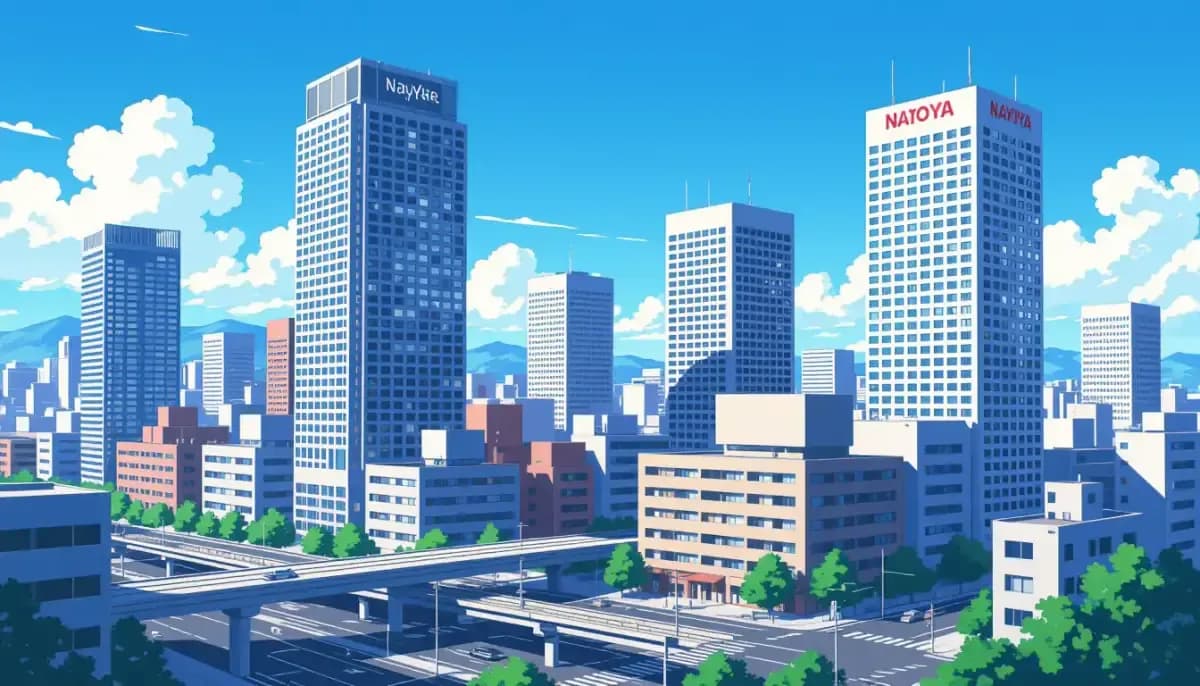
Complete guide to buying property in Sakae and Meieki, central Nagoya. Covers prices (¥600K–¥900K/m²), rental yields, investment outlook, mortgages, and buying tips for foreign buyers.
Sakae and Meieki: Central Nagoya Property Guide for Foreign Buyers
Central Nagoya offers some of Japan's most compelling urban real estate opportunities—and two districts stand out above all others: Sakae and Meieki. Whether you're a foreign investor seeking strong rental yields, a professional relocating to Aichi Prefecture, or a lifestyle buyer drawn to city-center convenience, understanding these two neighborhoods is essential before purchasing property in Nagoya. This guide breaks down everything you need to know about living, buying, and investing in Sakae and Meieki.
Understanding Sakae and Meieki: Two Different Urban Identities
Sakae and Meieki are often mentioned together as Nagoya's twin commercial centers, yet they have distinct characters that appeal to different types of buyers.
Sakae is located a few kilometers east of Nagoya Station and serves as the city's main entertainment, shopping, and nightlife hub. Think of it as Nagoya's equivalent to Tokyo's Shinjuku or Osaka's Namba. The Oasis 21 glass complex, Nagoya TV Tower, and underground shopping malls define Sakae's skyline. The area sits at the intersection of the Higashiyama and Meijo subway lines, making it one of the best-connected spots in the city.
Meieki (名駅), a portmanteau of "Nagoya Station" (名古屋駅), is the dense commercial zone directly surrounding Nagoya Station. It is Japan's third-busiest Shinkansen hub, offering direct bullet train access to Tokyo (approximately 1 hour 40 minutes) and Osaka (under 1 hour). Meieki is dominated by office towers, department stores such as Takashimaya and Meitetsu, and business hotels—yet residential demand here is consistently strong.
For a broader look at property options across the city, see our guide to best neighborhoods in Nagoya for foreign property buyers.
Property Prices in Sakae and Meieki
Both Sakae and Meieki rank among the most expensive real estate markets in Nagoya, though they remain significantly more affordable than comparable central Tokyo or Osaka addresses.
| Area | Price per m² (Used Condo) | Typical 60m² Apartment | Annual Appreciation |
|---|---|---|---|
| Sakae (Naka Ward) | ¥600,000–¥900,000 | ¥36M–¥54M | ~3% per year |
| Meieki (Nakamura Ward) | ¥600,000–¥900,000 | ¥36M–¥54M | ~4% per year |
| Nagoya Average | ¥350,000–¥500,000 | ¥21M–¥30M | ~2% per year |
| Tokyo Central | ¥1,200,000–¥2,000,000 | ¥72M–¥120M | ~3–5% per year |
| Osaka Central | ¥800,000–¥1,200,000 | ¥48M–¥72M | ~3–4% per year |
Nagoya's central property is 40–60% cheaper than Tokyo and 20–30% below Osaka levels, making it highly attractive for foreign buyers priced out of Japan's two largest cities. For a deep comparison, see our Nagoya vs Tokyo and Osaka property investment comparison.
Newer buildings (under 10 years old) in both Sakae and Meieki command prices above ¥700,000/m², while premium tower mansions can exceed ¥900,000/m². The landmark PROUD Tower Sakae, for example, has seen units transact at ¥60M–¥100M for larger layouts.
Rental Market and Investment Yields
Both districts generate robust rental demand driven by young professionals, corporate transferees, and short-term visitors.
Sakae rental rates (current estimates):
- Studio (1R/1K): ¥70,000–¥120,000/month
- 1LDK: ¥100,000–¥170,000/month
- 2LDK: ¥130,000–¥220,000/month
- Gross rental yield: approximately 3.5% for core properties
Meieki rental rates:
- Studio (1R/1K): ¥65,000–¥110,000/month
- 1LDK: ¥90,000–¥160,000/month
- 2LDK: ¥120,000–¥200,000/month
- Gross rental yield: 4–5% for long-term rentals; higher for short-term/Airbnb models
Meieki is particularly well-suited for short-term rental investment because of its direct Shinkansen access. Business travelers commuting from Tokyo or Osaka represent a reliable tenant pool. Vacancy rates in both districts remain below 5% for well-maintained properties.
For context on the broader Japanese rental investment landscape, visit Living in Nihon's property purchase and mortgage guide.
Major Development Projects and Market Outlook
Both neighborhoods are at the center of significant urban renewal, though buyers should stay informed about evolving project timelines.
Sakae: New Landmark Nagoya Tower
The New Landmark Nagoya Sakae development opened in early 2026, adding a major mixed-use tower that includes retail floors, office space, and a luxury hotel. This project has pushed rental ceilings upward in the immediate Sakae submarket and is expected to drive renewed residential interest in the surrounding blocks.
Meieki: Meitetsu Station Redevelopment (On Hold)
The headline project for Meieki was the 540-billion-yen Meitetsu Nagoya Station District Redevelopment—a 520,000 m² masterplan featuring two mixed-use skyscrapers, an integrated bus terminal, offices, and a luxury hotel. However, in December 2025, Nagoya Railroad (Meitetsu) announced the project was being put on hold due to soaring labor and construction costs.
What this means for buyers: Land prices in Meieki had already priced in some development premium. The hold may create a short-term pause in price appreciation but does not fundamentally change Meieki's status as a prime commercial and residential location. Japan's central rail hub positioning remains intact.
For the latest on Japan's housing market, read our Japan real estate market overview and trends.
How to Buy Property in Sakae or Meieki as a Foreigner
Japan imposes no nationality-based restrictions on property purchases. Foreigners can freely buy condominiums, houses, or land in Sakae and Meieki—as they can anywhere in Japan. Here is a concise buying roadmap:
- Search and shortlist: Use platforms such as At Home, SUUMO, or Real Estate Japan to identify listings in Naka Ward (Sakae) or Nakamura Ward (Meieki).
- Engage a bilingual agent: Look for agents who specialize in foreign clients. Many real estate companies near Nagoya Station have English-speaking staff.
- Receive the Important Matters Explanation (Juuyou Jikkou Setsumeisho): A legally required document detailing the property's condition, restrictions, and fees.
- Sign the sales contract and pay the deposit: Typically 5–10% of the purchase price. This is the legally binding point of no return.
- Secure financing (if needed): See the mortgage section below.
- Settle: Pay the remaining balance and transfer funds.
- Register ownership: Complete registration at the Legal Affairs Bureau. Ownership is only legally protected after this step.
The entire process typically takes 1–3 months. For a step-by-step walkthrough, see our complete home buying process guide for foreigners in Japan.
For additional guidance on navigating housing infrastructure as a foreign resident, For Work in Japan's housing guide provides helpful context on living arrangements and daily life logistics.
Financing Your Nagoya Property Purchase
Mortgages are available to foreign buyers, but eligibility varies significantly based on visa status and income documentation.
Foreigner-friendly banks for Nagoya purchases:
- SMBC Trust Bank PRESTIA – Known for English-language service and foreign client accommodation
- Suruga Bank – More flexible lending criteria for non-permanent residents
- Mizuho Bank – Competitive rates for Japan-income earners with stable employment
Typical interest rates (2026):
- Residents with stable Japan income: 0.8–1.5% variable
- Non-residents without Japan income: 1.5–3.5%+
- Fixed rates (10-year): 2.5–3.2%
Loan-to-Value: 70–90% for qualified residents; lower for non-residents. Most lenders require permanent residency or a long-term visa for favorable terms.
For a complete breakdown of mortgage options, see our mortgages and home loans for foreigners in Japan guide.
Gaijin Buy House also offers a detailed resource on foreign property ownership rights and purchasing strategies at Gaijin Buy House's foreigner property buying guide.
Closing Costs and Ongoing Ownership Expenses
Buyers should budget 6–12% of the purchase price in closing costs. Here is what to expect:
| Cost Item | Typical Amount |
|---|---|
| Real estate agent commission | ~3% + ¥60,000 |
| Stamp duty (inshi zei) | ¥10,000–¥60,000 |
| Registration license tax | 0.4–2% of assessed value |
| Real estate acquisition tax | 3–4% of assessed value (arrives later) |
| Judicial scrivener fees | ¥100,000–¥200,000 |
| Total estimated closing costs | 6–12% of purchase price |
Annual ongoing costs include:
- Fixed asset tax: ¥100,000–¥300,000/year depending on property size
- City planning tax: Approx. 0.3% of assessed value
- Condo management fees: ¥15,000–¥30,000/month
- Repair reserve fund: ¥10,000–¥20,000/month (increases as building ages)
For a full breakdown, see our guide on property taxes and annual costs of owning property in Japan and hidden costs and fees when buying property in Japan.
Lifestyle Comparison: Sakae vs. Meieki for Residents
| Factor | Sakae | Meieki |
|---|---|---|
| Character | Entertainment, dining, nightlife | Business hub, transit-focused |
| Residential density | Moderate | High |
| Green space | Hisaya Odori Park nearby | Limited |
| Commute options | Subway (Higashiyama, Meijo lines) | JR, Shinkansen, 6 subway lines |
| Best for | Young professionals, lifestyle buyers | Business travelers, investors |
| Shopping | Matsuzakaya, Parco, underground malls | Takashimaya, Meitetsu, Midland Square |
| Restaurant scene | Extensive, diverse | Corporate dining, hotel restaurants |
Sakae is the better choice for residents who want walkable nightlife and a neighborhood feel. Meieki suits investors or buyers who prioritize transit connectivity and rental income from business tenants.
For a detailed look at the types of residential properties available, see our tower mansions in Japan guide and the broader Nagoya property prices and market guide.
Key Considerations Before Buying in Central Nagoya
Before committing to a purchase in Sakae or Meieki, keep the following in mind:
- Noise and density: Both areas are active commercial zones. Confirm the building's soundproofing rating and check proximity to entertainment venues.
- Earthquake safety: Ensure any property you consider meets post-1981 earthquake resistance standards (shin-taishin kijun). Nagoya sits in a region with seismic activity.
- Building age and repair fund: Older condos (pre-1990s) may have accumulated deferred maintenance. Request the repair reserve fund balance and long-term maintenance plan.
- Nationality disclosure rules: From 2026, properties in designated areas require ownership notification. Review Japan's updated disclosure regulations with your agent.
- Rental regulations: Short-term rentals (minpaku) are subject to local regulations. Confirm zoning and licensing requirements before assuming Airbnb-style income.
For more on legal rights and restrictions, see can foreigners buy property in Japan: legal rights and restrictions.
Also read: Bamboo Routes' comprehensive analysis of Nagoya's hottest real estate areas in 2025 and their detailed guide for foreigners buying property in Nagoya.
Is Sakae or Meieki Right for You?
Choose Sakae if:
- You value walkable entertainment and restaurant options over transit speed
- You're buying a primary residence and want neighborhood character
- You're investing for long-term appreciation and tenant stability
Choose Meieki if:
- Rental yield and short-term rental income are your priorities
- You travel frequently and want direct Shinkansen access
- You're a business professional who needs proximity to Nagoya Station's corporate ecosystem
Both neighborhoods represent the premium end of Nagoya's property market—but they remain accessible relative to Tokyo or Osaka. With prices at ¥600,000–¥900,000/m², full foreign ownership rights, and a growing city economy anchored by Toyota and the broader Chubu manufacturing belt, central Nagoya continues to attract sophisticated international buyers.
For a complete overview of purchasing in the wider region, read our buying property in Nagoya and Chubu region guide for foreigners.

Originally from Vietnam, living in Japan for 16+ years. Graduated from Nagoya University, with 11 years of professional experience at Japanese and international companies. Sharing information about buying property in Japan for foreigners.
View Profile →Related Articles
Chubu Region New Development and Infrastructure Projects
Explore Chubu region's major infrastructure projects including the maglev Chuo Shinkansen, Meitetsu Nagoya Station redevelopment, and smart city initiatives. Essential guide for foreign property buyers in Nagoya and the Chubu region.
Read more →
Toyota City and Industrial Area Property Near Nagoya
Complete guide to buying property in Toyota City and industrial areas near Nagoya. Prices, zoning rules, mortgages, and tips for foreign buyers in Aichi Prefecture.
Read more →
Nagoya Rental Property Investment Guide for Foreigners
A complete guide to investing in Nagoya rental property as a foreigner: yields 4-8%, neighborhoods, taxes, mortgages, and property management tips for 2025.
Read more →
Chubu Region Rural Property: Affordable Options for Foreigners
Discover affordable rural property options in Japan's Chubu region. Complete guide for foreigners on buying homes in Nagano, Gifu, Toyama, and Shizuoka — including prices, akiya banks, and the purchase process.
Read more →
Gifu and Takayama Property Guide for Foreign Buyers
Complete guide to buying property in Gifu and Takayama as a foreigner. Covers legal rights, market prices, akiya/kominka opportunities, buying process, and costs for international buyers.
Read more →
Karuizawa Resort Property Investment Guide for Foreigners
Complete guide to buying resort property in Karuizawa as a foreigner: market overview, price ranges by area, buying process, annual costs, rental income potential, and legal considerations.
Read more →