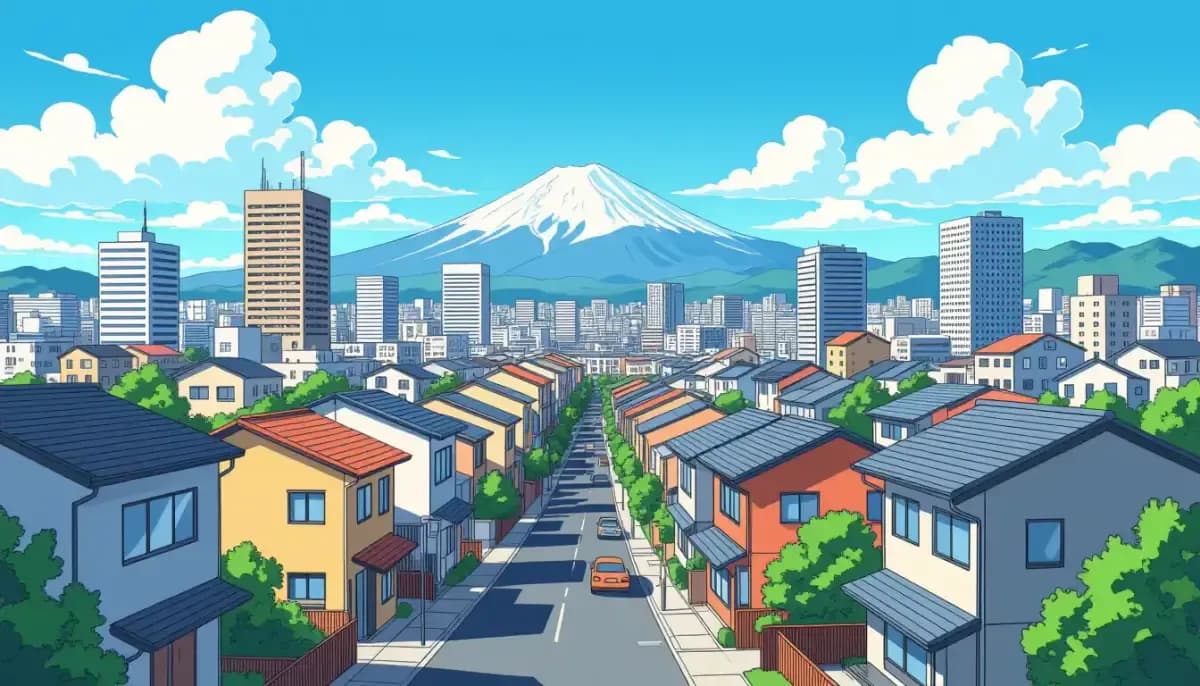
Buying Property in Nagoya and Chubu Region as a Foreigner: Complete Guide
Nagoya is Japan's fourth-largest city and the beating heart of the Chubu region — a place where automotive giants, world-class infrastructure, and affordable real estate converge in ways that few other Japanese cities can match. For foreigners looking to plant roots or build a property portfolio in Japan without paying Tokyo or Osaka premiums, Nagoya and its surrounding Chubu prefectures offer a compelling case. This guide walks you through everything you need to know about buying property in Nagoya as a foreigner: the legal framework, the best neighborhoods, how to finance your purchase, costs to expect, and the practical steps to close a deal successfully.
Can Foreigners Buy Property in Nagoya? Legal Rights Explained
Japan places virtually no nationality-based restrictions on foreign property ownership. Whether you are a tourist, a working professional on a work visa, or a non-resident based overseas, you can legally purchase condominiums, single-family houses, or land in Nagoya and throughout the Chubu region. You do not need permanent residency, a guarantor, or special government permits to complete a purchase.
The one practical caveat is financing. Securing a Japanese mortgage without residency is harder than buying outright, but it is absolutely achievable — more on that in the financing section below.
Ownership becomes legally protected only after registration at the Legal Affairs Bureau (法務局). This step is critical and should never be skipped. You will need a registered seal (hanko) or, for non-residents, an officially certified signature and apostille to complete the registration. Once registered, your title is unambiguous and fully enforceable under Japanese law.
One important misconception to address: buying property in Japan does not grant you any right to live in Japan. You still need an appropriate visa to reside here. If you want to understand the visa angle, read our guide on Visa and Residency Considerations for Property Buyers in Japan.
For a full breakdown of foreigner property rights across all of Japan, see Can Foreigners Buy Property in Japan? Legal Rights and Restrictions.
Why Nagoya? The Chubu Advantage for Foreign Buyers
Nagoya is the capital of Aichi Prefecture and sits at the geographic center of Japan's main island, Honshu. The city and surrounding Chubu region offer several advantages that make it particularly attractive for foreign buyers:
Affordability vs. Other Major Cities
Property prices in Nagoya are 40–60% lower than Tokyo and 20–30% below Osaka. Central Nagoya condominiums in premium districts like Sakae, Nakamura, and Meieki currently range from ¥550,000 to ¥950,000 per square meter, compared to ¥1,200,000–¥2,000,000+ in central Tokyo. Suburban and outer ward properties typically sell for ¥350,000 to ¥600,000 per square meter.
For buyers seeking rental income, central Nagoya delivers gross rental yields of 4–6% for modern condominiums — competitive with Tokyo while requiring significantly less capital outlay.
Strong Economic Fundamentals
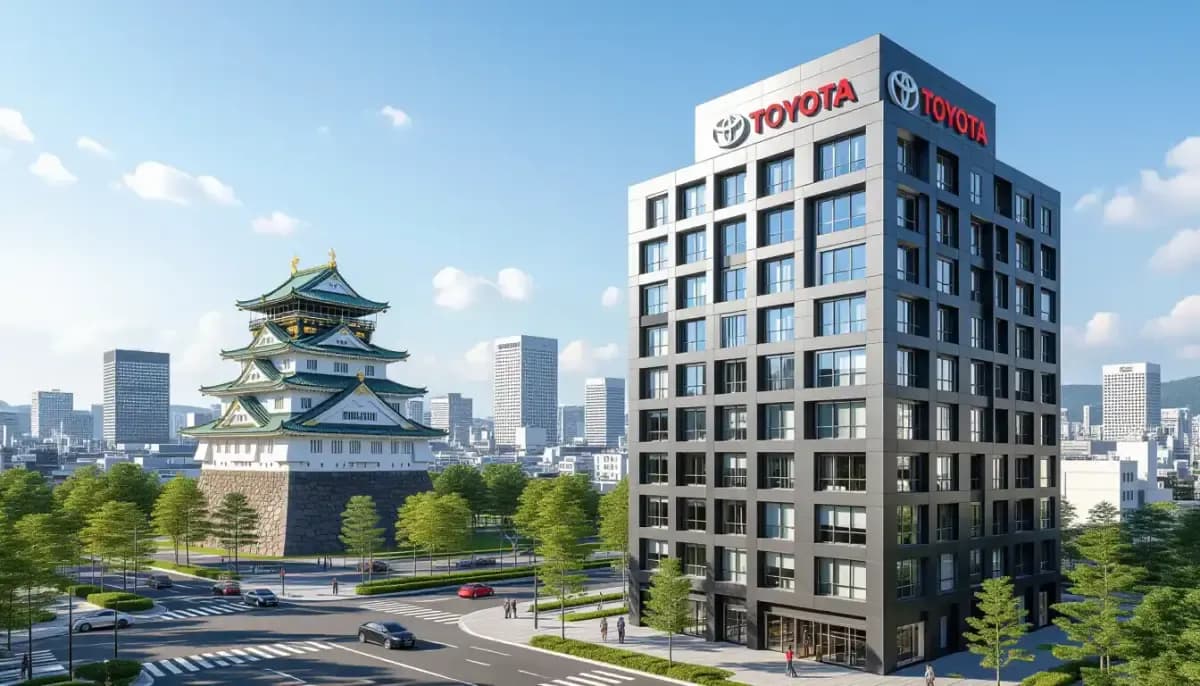
Nagoya's economy is anchored by the global automotive sector. Toyota's headquarters, along with its network of tier-1 and tier-2 suppliers, creates one of Japan's most stable employment markets. This industrial backbone supports:
- Consistent demand for housing from domestic and expat workers
- Steady population inflows from rural Chubu prefectures
- Resilient rental markets even during national economic slowdowns
The upcoming Linear Chuo Shinkansen (Maglev) project will connect Nagoya to Tokyo in approximately 40 minutes, dramatically increasing Nagoya's appeal as a residential and investment market. Properties near Nagoya Station have already seen 5–10% price increases tied to this announcement.
Infrastructure and Quality of Life
Nagoya Subway, JR, and Meitetsu rail networks connect the city comprehensively. Nagoya International School serves the expat community, and the city's bilingual services for foreign residents are among the best outside Tokyo. In 2025, Nagoya consistently ranks among Japan's top 5 cities for liveability and infrastructure quality.
Best Neighborhoods in Nagoya for Foreign Buyers
Different parts of Nagoya suit different buyer profiles. Here is a breakdown of the key areas:
Naka Ward (中区) — Sakae and Fushimi
This is the prime central zone, equivalent to Shinjuku in Tokyo or Namba in Osaka. Sakae and Fushimi attract the highest concentration of foreign residents and investors. Expect:
- Modern high-rise condominiums with 24-hour security
- Walking distance to international restaurants, department stores, and cultural venues
- Strong rental demand from young professionals and corporate expats
Price range: ¥50M–¥100M for a 60–80 sqm condo
Nakamura Ward (中村区) — Around Nagoya Station
The Nagoya Station (Meieki) district is undergoing a ¥540 billion redevelopment that is transforming this area into a world-class transit hub. For investors, proximity to Nagoya Station offers long-term appreciation tied directly to the Linear Shinkansen project.
- High-rise tower condos ideal for rental investment
- Easy access to Shinkansen for Tokyo/Osaka business travel
- Active gentrification driving 5–15% appreciation in recent years
Chikusa Ward (千種区) — Imaike and Hoshigaoka
A quieter residential area popular with families and academics (Nagoya University is located here). Imaike has a cosmopolitan cafe culture and arts scene that attracts creative professionals.
- Mix of older single-family homes and modern condos
- Lower prices than Naka Ward; strong local community feel
- Good access to green spaces and parks
Suburbs and Chubu Region
Beyond Nagoya city proper, Aichi Prefecture and the broader Chubu region offer further options:
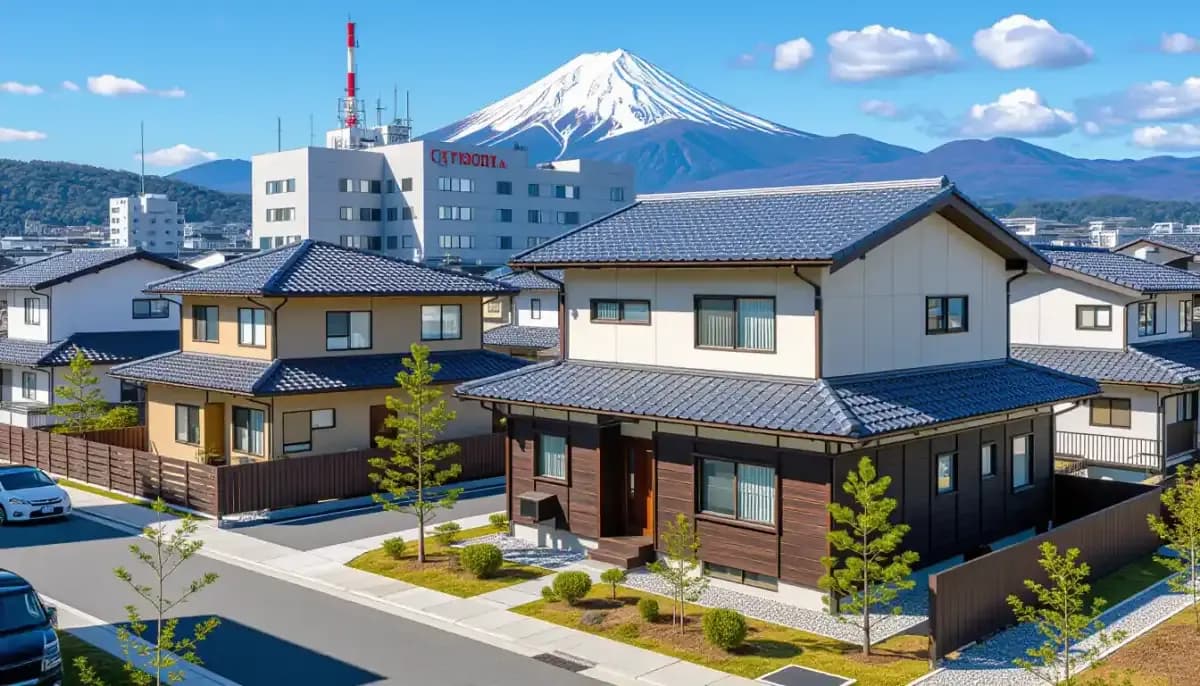
- Toyota City (豊田市): Corporate housing demand from automotive industry workers; more affordable land prices
- Gifu: Budget-friendly with scenic riverside settings; rising interest from digital nomads
- Mie Prefecture (Ise, Toba): Coastal properties ideal for vacation homes; lower price points
Property Types Available in Nagoya
| Property Type | Typical Price Range | Best For |
|---|
| New-build condominium (central) | ¥50M–¥90M | Investors, city professionals |
| Used condominium (central) | ¥20M–¥50M | First-time buyers, value seekers |
| Suburban single-family home | ¥25M–¥60M | Families, long-term residents |
| Toyota City / suburban condo | ¥15M–¥35M | Rental yield investors |
| Chubu countryside property | ¥2M–¥15M | Akiya hunters, lifestyle buyers |
| Commercial / mixed-use | ¥50M+ | Business investors |
The used condominium (中古マンション) market dominates central Nagoya. In Q4 2025, 868 resale condo transactions were recorded, with an average price of approximately ¥29 million. New-build supply in prime central zones remains limited, which continues to support price appreciation in the resale market.
Properties typically trade at 94–97% of asking price, with 70–80% of transactions closing below list — meaning negotiation is both expected and productive.
Financing: Mortgages for Foreigners in Nagoya
Securing a mortgage as a foreigner in Japan depends heavily on your residency status. Here is a practical breakdown:
With Permanent Residency (PR)
Holders of permanent residency have access to the full range of Japanese mortgage products, including low variable rates of 0.4–1.4% through major banks like MUFG, Mizuho, and regional Nagoya banks. Loan-to-value ratios of 80–90% are standard.
Without Permanent Residency
Options are more limited but exist. Key institutions offering mortgages to non-PR foreigners include:
- Aeon Bank: Requires 3+ years of residency in Japan
- Suruga Bank: Requires 1+ year residency and ¥2M+ annual income
- Tokyo Star Bank: Requires 3+ years and ¥5M+ annual income
- SMBC Trust Bank PRESTIA: English-language service; variable terms
Without PR, expect:
- Down payment: 30%+ of purchase price
- Interest rates: 1.5–3.5%+
- Stricter income documentation requirements
Non-Resident (Overseas) Buyers
Most non-resident foreign buyers purchase with cash or secure financing in their home country (home equity loans, investment portfolio loans). This is the most straightforward approach. Japanese banks rarely lend to buyers with zero Japan residency history.
For a comprehensive look at all mortgage options, see our dedicated guide: Mortgages and Home Loans for Foreigners in Japan.
For more details on mortgage document requirements and approval strategies, see this detailed guide at Gaijin Buy House: Foreigner Mortgage Application Documents.
Costs of Buying Property in Nagoya
Understanding the full cost picture is essential. In Japan, transaction costs are significant and should be built into your budget from day one.
One-Time Purchase Costs
| Cost Item | Amount |
|---|
| Real estate agent commission | ~3% of purchase price + ¥60,000 + consumption tax |
| Stamp duty | ¥10,000–¥480,000 (based on price) |
| Registration & license tax | 0.4–2% of assessed value |
| Judicial scrivener (司法書士) fees | ¥100,000–¥200,000 |
| Property acquisition tax | ~3–4% of assessed value (one-time) |
| Total transaction costs | 6–12% of purchase price |
Annual Ongoing Costs
- Fixed asset tax (固定資産税): Approximately 1.4% of assessed value annually — typically ¥100,000–¥300,000 per year for a standard Nagoya condo
- Urban planning tax (都市計画税): Up to 0.3% of assessed value
- Condominium management fees: ¥10,000–¥30,000 per month depending on building
- Building repair reserve fund: ¥5,000–¥20,000 per month
For a detailed breakdown of all fees, see Hidden Costs and Fees When Buying Property in Japan and Property Taxes and Annual Costs of Owning Property in Japan.
The Buying Process: Step-by-Step
The typical purchase timeline in Nagoya is 1–3 months from offer to final registration. Here is what to expect:
Step 1: Engage a Bilingual Real Estate Agent
A bilingual agent experienced with foreign buyers is your most valuable asset in this process. They will navigate the Japanese-language paperwork, liaise with sellers and their agents, and ensure your interests are protected. Look for agents registered with the All Japan Real Estate Association (全宅連).
Step 2: Property Search and Due Diligence
Once you identify a property, verify:
- Title certificate (登記事項証明書) from the Legal Affairs Bureau — confirms ownership history and any liens
- Zoning classification via Nagoya City's official planning maps
- Condominium building health: review minutes of owners' meetings, repair reserve fund balance, and any outstanding assessments
- Earthquake resistance certification: verify the property meets post-1981 earthquake resistance standards (新耐震基準)
Review 10–20 years of ownership history and confirm no liens and the seller's mortgage discharge at closing.
Step 3: Make an Offer and Sign the Purchase Agreement
Offers are typically submitted in writing through your agent. Once accepted, you will sign a Purchase and Sale Agreement (売買契約書) and pay a deposit (手付金) of typically 5–10% of the purchase price. A licensed real estate transaction specialist (宅地建物取引士) must read the Important Matters Explanation (重要事項説明書) to you before signing.
Step 4: Secure Financing (if applicable)
If you are using a mortgage, this is when the bank's appraisal and approval process occurs. Build in extra time if applying as a non-PR foreigner.
Step 5: Final Payment and Registration
On the closing date, the balance is transferred, and ownership is registered at the Legal Affairs Bureau via your judicial scrivener. You receive the keys.
For the complete national-level process guide, see Step-by-Step Home Buying Process in Japan for Foreigners.
Rental Income and Investment Returns
If you are buying Nagoya property as an investment, here are the key tax and yield considerations:
Rental Yields:
- Central Nagoya modern condos: 4–6% gross
- Suburban single-family rentals: 5–8% gross
- Short-term / Airbnb (where permitted): 8–12% gross but subject to 180-night/year limits under the Minpaku Law
Tax on Rental Income:
- Japan residents: Taxed as ordinary income (15–55% depending on total income)
- Non-residents: 20.42% withholding tax on gross rental income applies. You must appoint a tax representative (納税管理人) in Japan
Capital Gains Tax:
- Properties held under 5 years: 30% capital gains tax (short-term)
- Properties held 5 years or more: 15% capital gains tax (long-term)
Nagoya's real estate market saw residential land prices grow 2.8% in 2024, above the national average, driven by the Linear Shinkansen anticipation and the Nagoya Station redevelopment. The three major metro areas including Nagoya saw a combined 4.3% year-on-year land price increase as of January 2025.
Practical Tips for Foreign Buyers in Nagoya
- Open a Japanese bank account early. This is the biggest practical barrier for non-residents. Japan Post Bank and SBI Shinsei Bank are more accessible to foreigners than major city banks.
- Hire a judicial scrivener (司法書士). These licensed professionals handle all registration paperwork and are essential for a legally clean transfer.
- Check earthquake resistance standards. Buildings built after 1981 comply with the revised Seismic Building Code. Anything older should be assessed by a structural engineer before purchase.
- Understand the Akiya opportunity. Aichi Prefecture, like much of rural Japan, has a growing stock of vacant homes (空き家) available at very low prices. Some municipalities offer subsidies for foreign buyers willing to renovate and occupy. This can represent extraordinary value if you are willing to accept the renovation challenge.
- Factor in the Nagoya expat community. Nagoya hosts a well-established international community with bilingual support services, international schools, and corporate relocation networks. This makes settling in as a foreign resident smoother than in smaller Japanese cities.
For broader context on the Japanese property market and how Nagoya fits into the national picture, see Japan Real Estate Market Overview and Trends for Foreign Investors.
Nagoya vs. Other Japanese Cities: Quick Comparison
| Factor | Nagoya | Tokyo | Osaka | Fukuoka |
|---|
| Central condo price/sqm | ¥550K–¥950K | ¥1.2M–¥2M+ | ¥700K–¥1.2M | ¥400K–¥700K |
| Gross rental yield (central) | 4–6% | 3–4% | 4–5% | 5–7% |
| Foreign buyer restrictions | None | None | None | None |
| English support availability | Good | Excellent | Good | Moderate |
| Shinkansen access | Yes (+ Maglev) | Yes | Yes | Yes |
| International airport | NGO (Centrair) | NRT, HND | KIX | FUK |
| Property market growth (2024) | +2.8% land prices | +5%+ | +4%+ | +4%+ |
Further Resources
For more comprehensive guides on Japan property buying, explore these trusted resources:
Conclusion
Nagoya and the Chubu region represent one of Japan's best-value real estate markets for foreign buyers. You have full legal rights to buy, prices are substantially below Tokyo levels, rental yields are competitive, and the city's long-term economic trajectory — backed by the automotive industry, the Maglev project, and the Nagoya Station redevelopment — points to continued appreciation.
The process is manageable when you build the right team: a bilingual real estate agent, a judicial scrivener, and (if needed) a tax advisor familiar with non-resident rules. Whether you are buying a central Nagoya condo for rental income, a family home in Chikusa Ward, or exploring akiya bargains in rural Aichi, the Chubu market rewards well-prepared foreign buyers.
Start by reviewing our Complete Guide to Buying Property in Japan as a Foreigner for the full national overview, then return to this guide as your Nagoya-specific reference.