
Nagoya Rental Property Investment Guide for Foreigners

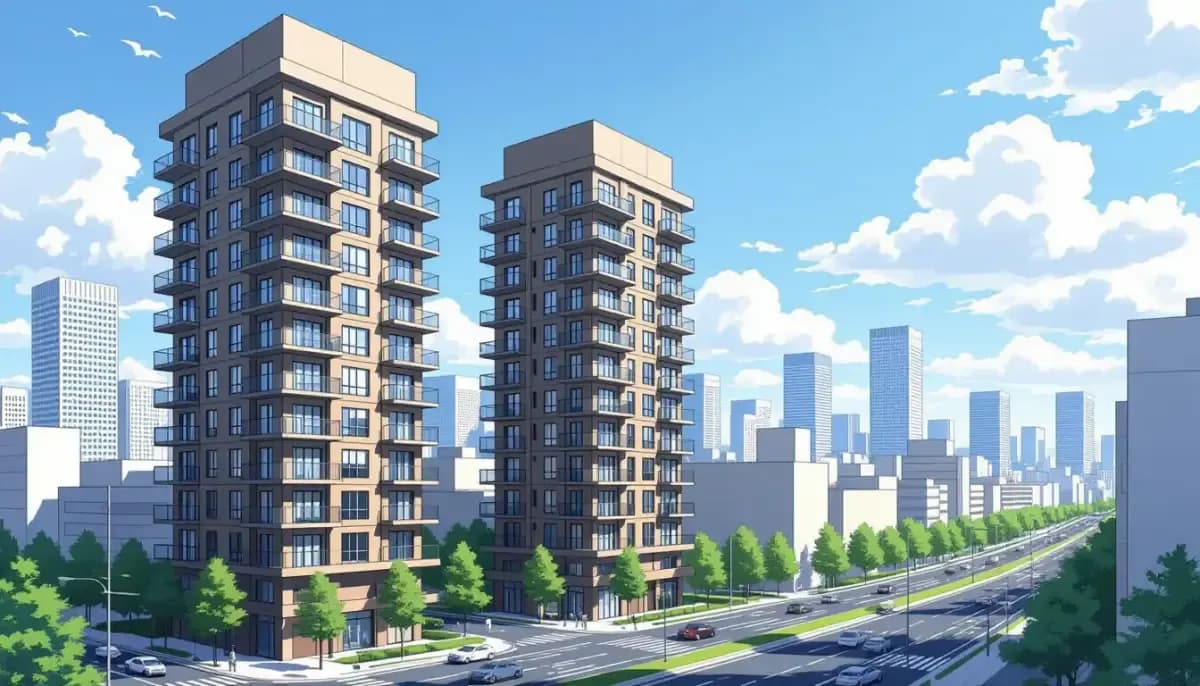
A complete guide to investing in Nagoya rental property as a foreigner: yields 4-8%, neighborhoods, taxes, mortgages, and property management tips for 2025.
Nagoya Rental Property Investment Guide for Foreigners
Nagoya is quietly becoming one of Japan's most compelling destinations for foreign rental property investors. With property prices 40–60% below Tokyo levels, gross rental yields of 4–8%, and a robust economy anchored by Toyota and the automotive industry, Nagoya offers a rare combination of affordability, stability, and growth potential. This guide walks you through everything you need to know about investing in Nagoya rental property as a foreigner — from picking the right neighborhood to managing taxes and financing.
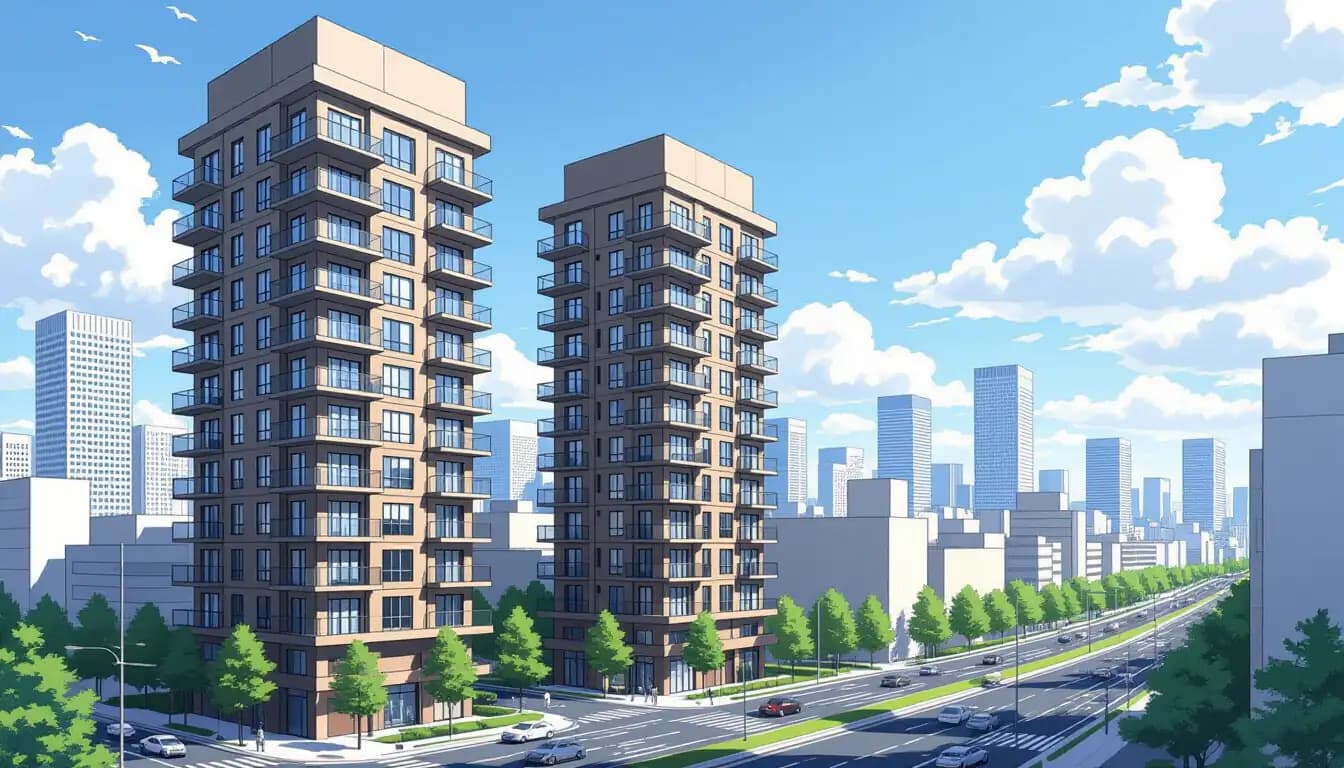
Why Nagoya? The Investment Case for Foreign Buyers
Nagoya consistently ranks among Japan's top three cities by GDP, and its economy is arguably more resilient than Tokyo's due to its deep roots in manufacturing and exports. The Toyota group alone accounts for a significant portion of regional employment, and the Chubu region has diversified into aerospace, robotics, and advanced manufacturing.
For property investors, the key numbers are compelling:
- Average resale condo price: ~29 million yen (Chubu REINS, Q4 2025)
- Price per sqm in central areas: 550,000–950,000 yen
- Price-to-income ratio: 3.5–4.5x annual household income (vs. Tokyo's 10x+)
- Asking rents rose: 5.52% year-on-year in Q2 2025
- Annual land price growth: ~2.8% in 2024
Nagoya is also 20–30% cheaper than Osaka, meaning your capital stretches further while still accessing a major urban center with 2.3 million residents and excellent infrastructure.
For a broader comparison of Japanese cities, see our guide on Nagoya vs Tokyo and Osaka: Property Investment Comparison.
Can Foreigners Buy Rental Property in Nagoya?
Yes — Japan imposes no nationality-based restrictions on property ownership. As a foreigner, you can purchase condominiums, detached houses, and land in Nagoya regardless of your visa status. You do not need permanent residency, a work visa, or even physical presence in Japan to complete a purchase.
This open policy extends to rental operations: you may legally rent out your property as soon as you own it, subject to standard tenancy laws and local building regulations.
Key legal points for foreign investors:
- Ownership registration: Title is recorded at the Legal Affairs Bureau (法務局). Verify ownership and check for liens before purchase.
- No foreign ownership quota: Japan has no cap on foreign-owned property.
- Reporting requirements: Starting April 2026, Japan is expanding reporting requirements for foreign property buyers — consult a licensed real estate agent or tax accountant for the latest rules.
- Zoning: Confirm zoning via Nagoya City's official planning maps before committing to a purchase.
For more on the legal framework, read our complete guide: Can Foreigners Buy Property in Japan? Legal Rights.
Best Neighborhoods for Rental Investment in Nagoya
Not all Nagoya neighborhoods offer equal rental demand or yield potential. Here is a breakdown of the key investment zones:
| Neighborhood | Ward | Avg. Yield | Best For | Notes |
|---|---|---|---|---|
| Nagoya Station (Meieki) | Nakamura-ku | 4–5% | Young professionals, expats | High liquidity, strong demand |
| Sakae / Fushimi | Naka-ku | 4–5% | Office workers, creatives | Gentrifying; 5–15% price growth |
| Chikusa / Imaike | Chikusa-ku | 4.5–5.5% | Students, young couples | Near universities, stable demand |
| Nagoya Port Area | Minato-ku | 6–8% | Blue-collar workers | Higher yield, longer vacancy risk |
| Eastern Suburbs (Yagoto, Tenpaku) | Tenpaku-ku | 5–7% | Families, long-term tenants | Quieter, good schools |
| Hongo / Midori-ku | Midori-ku | 6–8% | Budget investors | Lower prices, slower appreciation |
Nakamura-ku (Nagoya Station area) and Naka-ku (Sakae/Fushimi) offer the most liquid markets with the strongest long-term capital appreciation prospects. Chikusa-ku is popular with university students and young professionals due to its proximity to Nagoya University.
For detailed neighborhood profiles, see our guide to Best Neighborhoods in Nagoya for Foreign Property Buyers.
Rental Yields and Financial Returns
Gross rental yields in Nagoya typically range from 4–6% for modern central condominiums, rising to 6–8% for older buildings and suburban locations. The average gross yield was 4.12% in Q2 2024, though prime locations with strong tenant demand can outperform this significantly.
Net Yield Calculation Example
Assume you purchase a 25 million yen condominium in Chikusa-ku:
- Monthly rent: ~85,000 yen (~1,020,000 yen/year)
- Gross yield: ~4.1%
- Annual costs: Property tax 120,000 yen + management fee 24,000 yen + maintenance 50,000 yen = ~194,000 yen
- Net rental income: ~826,000 yen/year
- Net yield: ~3.3%
After tax (20.42% withholding for non-residents), net cash income is approximately 660,000 yen/year on a 25 million yen investment — roughly 2.6% net cash return. This improves significantly if you qualify for deductions through a Japanese tax filing (which requires a tax accountant).
Capital Appreciation Outlook
The Nagoya Station Redevelopment project — a 540 billion yen overhaul targeting first-phase completion around 2033 — is expected to drive 5–10% initial price increases in surrounding areas, with an additional 5–15% appreciation as completion approaches. The Chuo Shinkansen (Maglev) line, though delayed from its original 2027 target, remains a significant long-term catalyst for both prices and rental demand.
12-month outlook: expect 0–3% price growth for well-located properties; older stock in weaker locations may see 2–5% softening.
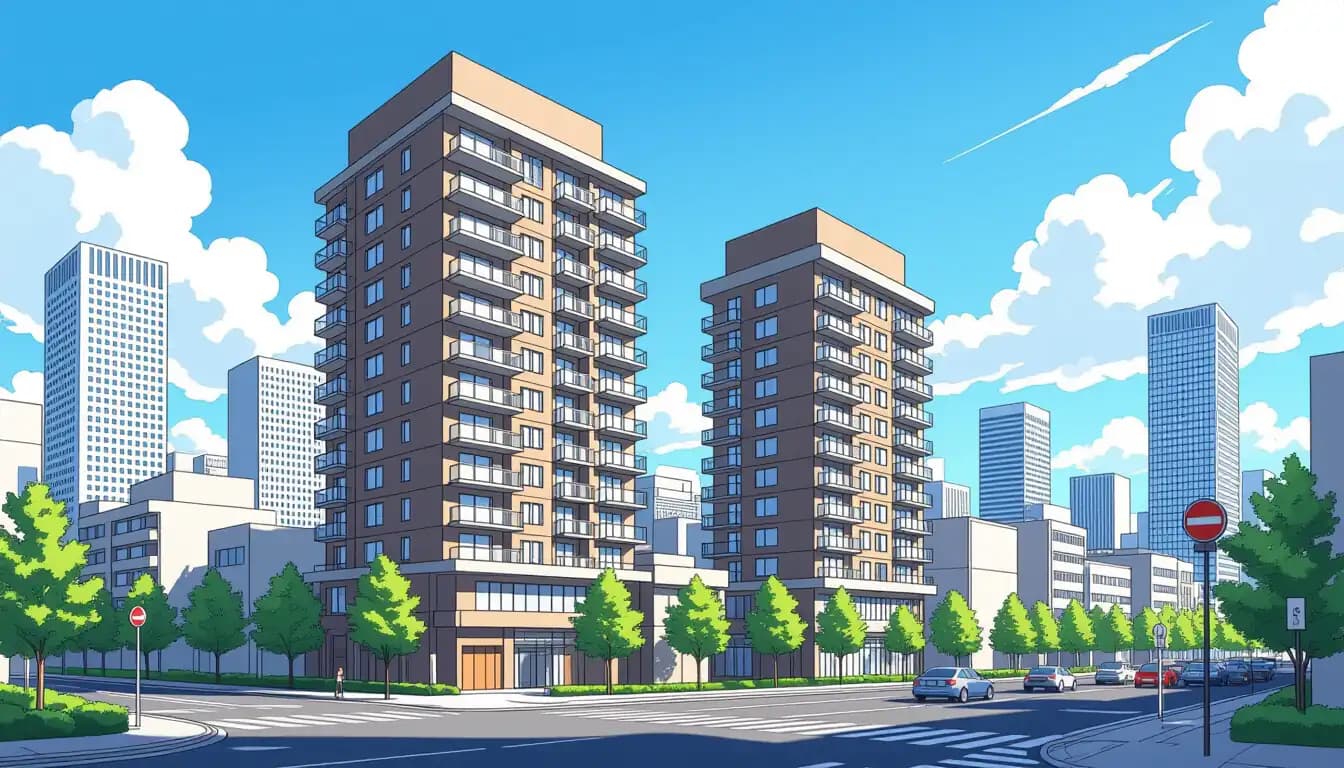
Financing: Mortgages for Foreign Investors
Securing a mortgage in Japan as a non-resident foreigner is more challenging than for residents, but options exist.
Mortgage rates for foreigners (as of 2025):
- Non-resident foreign buyers: 1.5%–3.5%
- Residents with stable Japanese income: 0.4%–1.4% (variable)
Lenders offering English-language services:
- SMBC Trust Bank PRESTIA — dedicated foreigner mortgage product, English support
- Suruga Bank — known for lending to foreigners with non-standard income profiles
- Some regional banks in Aichi Prefecture — may consider applications with Japan-sourced income
Typical loan conditions for non-residents:
- Loan-to-value (LTV): 70–90% for residents; 50–70% for non-residents
- Down payment required: 20–30% (or more for non-residents)
- Proof of income, credit history, and employment documentation required
If a Japanese mortgage proves difficult, many foreign investors purchase with cash or use financing from their home country. For a detailed breakdown of loan options, see our complete guide: Mortgages and Home Loans for Foreigners in Japan.
For additional guidance on financing options for foreigners in Japan, Living in Nihon offers practical guides on financial services and banking for expats. For in-depth Nagoya market data, Bamboo Routes publishes quarterly analysis on Nagoya real estate trends.
Taxes and Costs for Foreign Rental Property Owners
Understanding the full cost structure is essential before committing to an investment.
Purchase Costs
| Cost | Amount |
|---|---|
| Real estate agent commission | ~3% of price + 60,000 yen + tax |
| Registration and license tax | 0.4%–2% of assessed value |
| Stamp duty | 10,000–480,000 yen (varies) |
| Judicial scrivener fee | 100,000–150,000 yen |
| Total closing costs | 6%–12% of purchase price |
Annual Holding Costs
- Fixed asset tax (固定資産税): ~1.4% of assessed value (typically 100,000–300,000 yen/year)
- City planning tax: ~0.3% of assessed value (urban areas)
- Condo management fee: 10,000–30,000 yen/month
- Repair reserve fund: 5,000–20,000 yen/month
Rental Income Tax
- Non-residents: 20.42% withholding tax on gross rental income (when managed by an agent)
- If individual tenant rents for personal use, they withhold the tax and remit it
- Filing a Japanese tax return can reduce effective tax rate by claiming allowable deductions
- Capital gains tax: 30.63% for non-residents on property held less than 5 years; 15.315% for 5+ years
For a comprehensive breakdown, see our guide on Property Taxes and Annual Costs of Owning Property in Japan.
For Work in Japan also covers housing and financial infrastructure for foreigners living and working in Japan.
Property Management: Renting Out Your Nagoya Property
Most foreign investors use a local property management company (管理会社) to handle day-to-day operations. This is especially important if you are not based in Japan.
What a property management company handles:
- Finding and screening tenants
- Collecting rent and remitting to you
- Handling maintenance requests and repairs
- Withholding and remitting rental income tax for non-residents
- Managing lease renewals and evictions
Management fees typically run 5–10% of monthly rent. For a property renting at 80,000 yen/month, expect to pay 4,000–8,000 yen/month in management fees.
Short-term rentals (Airbnb/minpaku): This is possible in Nagoya but heavily regulated. Properties must be registered under the Minpaku Law (民泊新法), and many condominiums prohibit it outright in their bylaws. For compliant units, prime locations achieve 60–75% occupancy, but setup costs and ongoing compliance add complexity.
For full guidance on the purchase and ownership process, see our Step-by-Step Home Buying Process in Japan for Foreigners.
Gaijin Buy House provides focused resources specifically for foreigners navigating Japan's real estate market.
Due Diligence Checklist for Nagoya Rental Investment
Before committing to a purchase, complete the following checks:
- Ownership verification: Pull the registry certificate (登記簿謄本) from the Legal Affairs Bureau to confirm the seller's title and check for liens or encumbrances.
- Building inspection report: Request the 重要事項説明書 (Important Matters Explanation) from the listing agent — required by law for all transactions.
- Repair reserve fund balance: For condominiums, check the adequacy of the building's repair reserve fund (修繕積立金). Underfunded buildings may face special assessments.
- Zoning and land use: Confirm the property's zoning designation via Nagoya City's planning maps.
- Rental market analysis: Research actual rent levels and vacancy rates in the specific sub-market using data from real estate portals (SUUMO, HOME'S, athome).
- Management company reputation: Check reviews and ask for references from other foreign investors.
- Tax planning: Consult a bilingual tax accountant before purchase to structure ownership optimally.
For more on due diligence and legal procedures, see our guide: Legal Procedures and Documentation for Japan Property Purchase.
Conclusion: Is Nagoya Rental Property Right for You?
Nagoya offers a compelling investment proposition for foreign buyers: lower entry costs than Tokyo or Osaka, solid rental yields of 4–8%, genuine long-term growth catalysts (the Nagoya Station redevelopment and Maglev line), and a stable, export-driven economy. The challenges — complex tax rules for non-residents, limited English-language mortgage options, and stricter property management requirements — are real but manageable with the right local team.
If you are willing to invest time in due diligence and partner with experienced local professionals, Nagoya's rental market can deliver attractive risk-adjusted returns compared to other major Japanese cities. The best opportunities are currently in central Nakamura-ku and Naka-ku for capital appreciation, and in Chikusa-ku and the eastern suburbs for yield-focused strategies.
For the complete picture on buying property in the Nagoya and Chubu region, see our pillar guide: Buying Property in Nagoya and Chubu Region as a Foreigner.

Originally from Vietnam, living in Japan for 16+ years. Graduated from Nagoya University, with 11 years of professional experience at Japanese and international companies. Sharing information about buying property in Japan for foreigners.
View Profile →Related Articles

Chubu Region New Development and Infrastructure Projects
Explore Chubu region's major infrastructure projects including the maglev Chuo Shinkansen, Meitetsu Nagoya Station redevelopment, and smart city initiatives. Essential guide for foreign property buyers in Nagoya and the Chubu region.
Read more →
Toyota City and Industrial Area Property Near Nagoya
Complete guide to buying property in Toyota City and industrial areas near Nagoya. Prices, zoning rules, mortgages, and tips for foreign buyers in Aichi Prefecture.
Read more →
Chubu Region Rural Property: Affordable Options for Foreigners
Discover affordable rural property options in Japan's Chubu region. Complete guide for foreigners on buying homes in Nagano, Gifu, Toyama, and Shizuoka — including prices, akiya banks, and the purchase process.
Read more →
Gifu and Takayama Property Guide for Foreign Buyers
Complete guide to buying property in Gifu and Takayama as a foreigner. Covers legal rights, market prices, akiya/kominka opportunities, buying process, and costs for international buyers.
Read more →
Karuizawa Resort Property Investment Guide for Foreigners
Complete guide to buying resort property in Karuizawa as a foreigner: market overview, price ranges by area, buying process, annual costs, rental income potential, and legal considerations.
Read more →
Nagano Mountain and Resort Property Guide for Foreigners
Complete guide to buying mountain and resort property in Nagano as a foreigner. Covers Hakuba, Karuizawa, Nozawa Onsen — prices, legal rules, taxes, and rental income potential.
Read more →