
Nagoya Property Prices and Market Guide

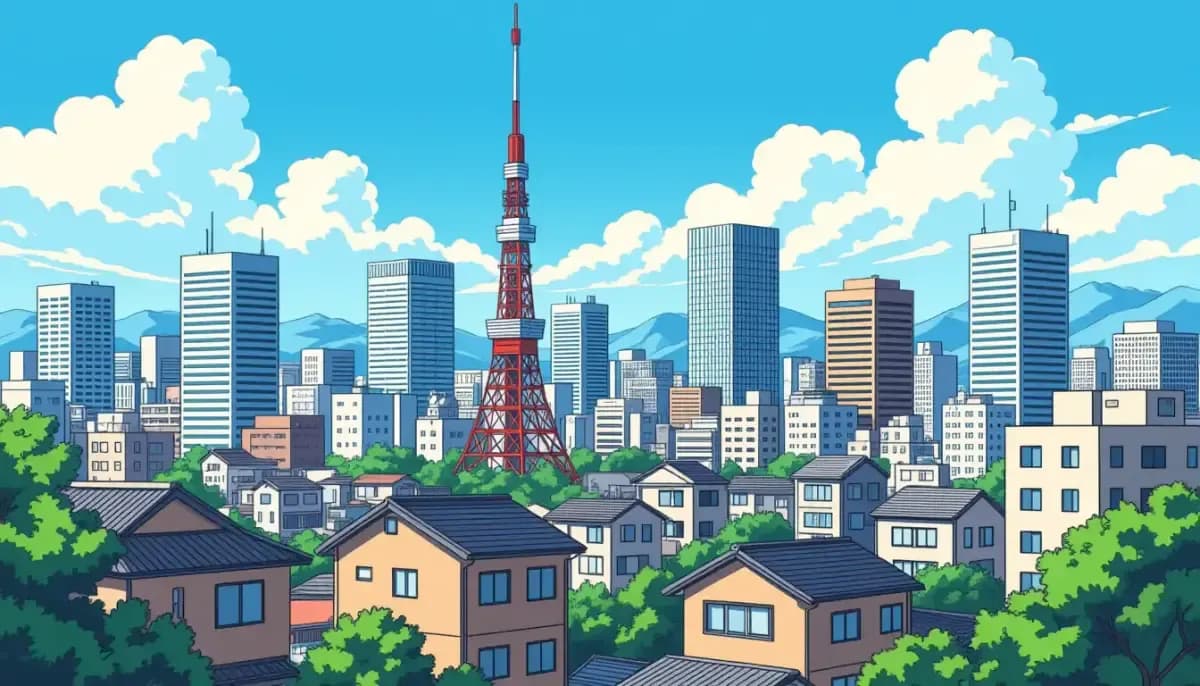
Complete guide to Nagoya property prices for foreigners: current prices by neighborhood, market trends, mortgage options, closing costs, rental yields, and step-by-step buying process.
Nagoya Property Prices and Market Guide for Foreign Buyers
Nagoya, Japan's fourth-largest city, has quietly become one of the most attractive real estate markets for foreign buyers seeking value, stability, and strong returns. With property prices significantly lower than Tokyo or Osaka, a booming manufacturing economy anchored by Toyota, Honda, and Mitsubishi, and a growing expat community, the Nagoya property market deserves serious attention from international investors and residents alike. This comprehensive guide breaks down current prices, neighborhood trends, legal considerations, and everything you need to know to buy property in Nagoya as a foreigner.
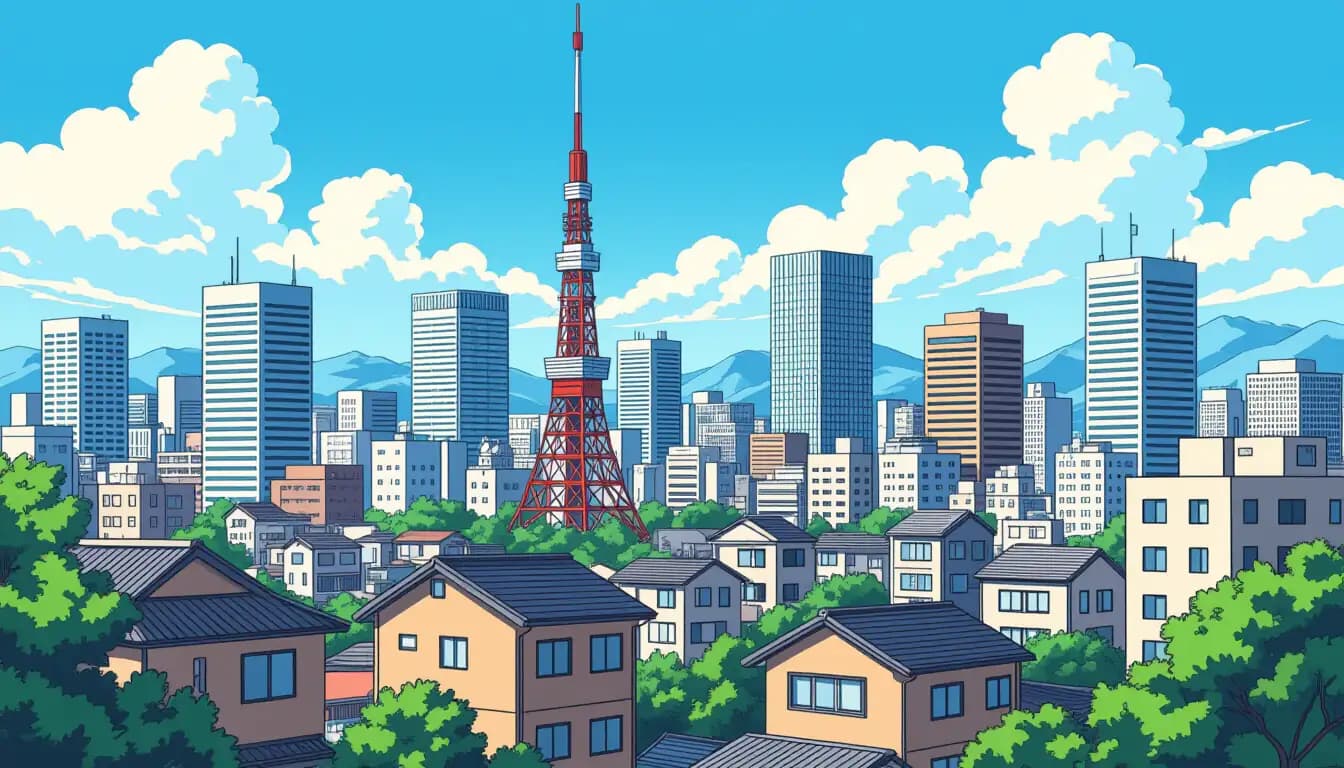
Nagoya Property Price Overview: What to Expect in 2025
Nagoya offers substantially more affordable real estate compared to Japan's major metros while delivering solid appreciation and rental yields. Here's a snapshot of current market pricing:
| Property Type | Price Range (JPY) | Price per sqm | Notes |
|---|---|---|---|
| Resale Condominium (central) | ¥15M – ¥45M | ¥550,000 – ¥950,000 | Average ~¥29M |
| New-Build Condominium (central) | ¥50M – ¥70M | ¥700,000 – ¥1,200,000 | Limited supply in center |
| Detached House (suburban) | ¥25M – ¥55M | ¥200,000 – ¥400,000 | Family-sized, near transit |
| Starter Apartment | ¥10M – ¥20M | ¥400,000 – ¥600,000 | Ideal for first-time buyers |
| Luxury/High-floor Unit | ¥60M+ | ¥1,000,000+ | Nagoya Station area |
Residential land prices in the Greater Nagoya Area grew 2.8% in 2024 and the three major metro areas (Tokyo, Osaka, Nagoya) collectively saw a 4.3% year-on-year increase as of January 2025. Well-located properties are appreciating steadily, making this an opportune time to enter the market.
For context on how Nagoya compares to Japan-wide trends, see our Japan Real Estate Market Overview and Trends guide.
Best Neighborhoods in Nagoya for Property Investment
Nagoya's ward system creates distinct real estate micro-markets. Understanding neighborhood dynamics is essential to identifying the right property at the right price.
Naka-ku (Central Ward): Sakae and Hisaya-Odori
The Sakae and Hisaya-Odori areas in Naka-ku sit at the heart of Nagoya's entertainment and business district. Properties here command premium pricing but have seen 5–15% appreciation over the past two to three years. Resale condos typically list in the ¥30M–¥55M range. This area suits buyers prioritizing walkability, nightlife access, and long-term capital appreciation.
Nakamura-ku: Nagoya Station District
The area surrounding Nagoya Station (Meieki) is the most dynamic zone in the city. Meieki rental yields average an impressive 4.12%, outperforming other Nagoya districts. The Nagoya Station District Redevelopment project, with its first phase completing around 2033, is expected to further boost values here. Central condos range from ¥40M to ¥70M.
Chikusa-ku: Imaike and the University Belt
Imaike in Chikusa-ku is another gentrifying neighborhood with strong appreciation prospects. Proximity to Nagoya University and several hospitals creates consistent rental demand. Entry-level condos start around ¥15M, with family-sized units in the ¥25M–¥40M range.
Kanayama Area (Naka-ku/Atsuta-ku border)
Kanayama's excellent transport connectivity—served by the Meijo, Meiko, and Meitetsu lines—makes it attractive for both owner-occupiers and rental investors. Prices remain more accessible than Sakae, with resale condos typically listed between ¥18M and ¥35M.
Suburban Wards: Moriyama-ku, Midori-ku, Meito-ku
For detached house buyers, the suburban wards offer spacious family homes at ¥25M–¥45M. These areas are popular with foreign families employed at Toyota and other manufacturers, offering good schools, parks, and quieter residential environments.
Can Foreigners Buy Property in Nagoya? Legal Framework
Good news: there are no nationality-based restrictions on foreigners purchasing standard residential property in Nagoya. You do not need permanent residency, a specific visa type, or physical presence in Japan to complete a purchase. Foreign buyers have the same ownership rights as Japanese citizens for condominiums, detached houses, and land plots.
Minor restrictions apply to agricultural land and properties near sensitive military installations—these rarely affect urban residential buyers in Nagoya.
Key legal steps for foreign buyers:
- Title Registration – Ownership is only legally protected once registered at the Legal Affairs Bureau (Hōmukyoku). Always verify the registration certificate before finalizing any deal.
- Zoning Verification – Check permitted land uses through Nagoya City's official planning maps to confirm residential or mixed-use designation.
- Lien Checks – Confirm no unresolved liens, mortgages, or encumbrances exist on the property before signing.
- Judicial Scrivener (Shiho-shoshi) – This licensed professional handles title transfer registration on your behalf.
For a full breakdown of legal procedures, see our Legal Procedures and Documentation for Japan Property Purchase guide.

Financing Your Nagoya Property Purchase
Securing a Japanese mortgage as a foreigner is achievable but requires preparation. Here's what to expect:
Mortgage Options for Foreigners
| Lender Type | Rate Range | Max LTV | Eligibility Notes |
|---|---|---|---|
| Major Japanese Banks | 0.8% – 1.5% variable | 80% | Permanent residents preferred |
| SMBC Trust Bank PRESTIA | 1.0% – 2.0% | 70–80% | English service, foreign-friendly |
| Suruga Bank | 1.5% – 3.5% | 70% | Non-resident borrowers accepted |
| International Banks | 2.0% – 4.0% | 70% | Arrange before arriving |
| Cash Purchase | N/A | 100% | Fastest, most flexible option |
Non-residents without local income typically face variable rates of 1.5% to 3.5%. Permanent residents with stable Japanese employment can access rates starting around 0.8%. Financing is available at 70–80% loan-to-value through foreigner-friendly banks.
For comprehensive mortgage guidance, visit Mortgages and Home Loans for Foreigners in Japan. You can also find additional resources at Living in Nihon's Japan Property and Mortgage Guide and For Work in Japan's housing resources.
Total Costs of Buying Property in Nagoya
Purchase price is just the beginning. Budget carefully for these additional expenses:
Upfront Closing Costs (6–12% of Purchase Price)
- Broker commission: ~3% of purchase price plus ¥60,000 (consumption tax applies)
- Registration tax (Toroku-menkyozei): 0.4% for land, 2% for buildings
- Real estate acquisition tax: 3% of assessed value (one-time, paid months after purchase)
- Stamp duty: ¥10,000–¥60,000 depending on contract amount
- Judicial scrivener fees: ¥100,000–¥300,000
- Building inspection: ¥50,000–¥150,000 (recommended for used properties)
Annual Ongoing Costs
- Property tax (Kotei Shisanzei): ¥100,000–¥300,000 per year for owner-occupied homes
- City planning tax: Additional ~0.3% of assessed value in urban areas
- Condominium management fees: ¥15,000–¥50,000/month for apartments
- Building repair reserve fund: ¥5,000–¥20,000/month for condos
For a complete breakdown, see our guide on Hidden Costs and Fees When Buying Property in Japan and Property Taxes and Annual Costs of Owning Property in Japan.
Nagoya Property as an Investment: Rental Yields and Returns
Nagoya's rental market has been strengthening. Key investment metrics:
- Meieki (Nagoya Station area) rental yields: 4.12% average
- City-wide rental index: grew 5.52% year-on-year in Q2 2025
- Vacancy risk: 48.8% of Nagoya residents rent (above Japan's national average of 35%), creating strong tenant demand
- Market liquidity: Well-priced resale condos typically sell within 75–120 days; houses within 90–150 days
- Transaction volume: 868 resale condo transactions in Nagoya City in Q4 2025 alone
- Negotiation room: Properties typically sell at 94–97% of asking price
Tax Considerations for Rental Income
Non-resident landlords face a 20.42% withholding tax on gross rent. An exception applies when individual tenants rent purely for personal residence. Resident landlords are taxed on net rental income at progressive income tax rates. Consult a certified tax accountant (zeirishi) familiar with foreign ownership before investing.
Nagoya Market Outlook: 3–5 Year Forecast
Nagoya's real estate fundamentals remain solid for the medium term:
- Well-located properties: Expected appreciation of 0–3% annually
- Older/poorly-positioned stock: Potential decline of 2–5%
- Key catalyst: The Nagoya Station District Redevelopment (first phase ~2033) is expected to dramatically increase values in Meieki and surrounding areas
- New construction starts: Declined 9.55% in early 2025, reducing future supply and supporting existing property values
- Price-to-income ratio: 3.5–4.5x local average salary (¥4–5M/year), suggesting moderate affordability versus Tokyo's far higher multiples
For investors with a 5+ year horizon, Nagoya offers a compelling combination of reasonable entry prices, stable yields, and medium-term appreciation drivers that few other Japanese cities can match.
For broader context on Japan's regional markets, explore Gaijin Buy House's Japan Regional Cities Property Guide and the Bamboo Routes Nagoya property guide for up-to-date listings and market commentary.
Step-by-Step: How to Buy Property in Nagoya as a Foreigner
- Define your budget – Include 6–12% for closing costs on top of the purchase price
- Get pre-approved for financing (if not paying cash) – Contact SMBC PRESTIA or Suruga Bank early
- Engage a bilingual real estate agent – Use platforms like realestate.co.jp, wagaya-japan.com, or Japan-Property.jp
- Search and view properties – Focus on target neighborhoods; bring an inspection checklist
- Make an offer – Expect to negotiate 3–6% below asking price on resale properties
- Sign the Purchase Agreement – After due diligence; paid a deposit (usually 10%)
- Complete final registration – Via a judicial scrivener at the Legal Affairs Bureau
- Take possession – Typical timeline: 1–3 months from offer to keys
For the complete process, see our Step-by-Step Home Buying Process in Japan for Foreigners guide. You can also find more detail at the All Japan Relocation Nagoya Housing Guide.
For area-specific buying advice, see our Buying Property in Nagoya and Chubu Region as a Foreigner guide.
Conclusion: Is Nagoya Property Worth Buying?
For foreigners seeking value in Japan's real estate market, Nagoya stands out as a practical and rewarding choice. With prices well below Tokyo, strong rental yields, a diversified industrial economy, and a transparent legal framework for foreign ownership, the city offers genuine opportunities for both home buyers and investors.
The key is acting with clear due diligence: verify titles at the Legal Affairs Bureau, budget realistically for total acquisition costs, and engage professionals who understand the needs of international buyers. Whether you're looking for a primary residence near Toyota's global headquarters or a rental investment property near Nagoya Station, the market has options at multiple price points.
Start your search with our Complete Guide to Buying Property in Japan as a Foreigner to understand the full landscape before diving into Nagoya-specific opportunities.

Originally from Vietnam, living in Japan for 16+ years. Graduated from Nagoya University, with 11 years of professional experience at Japanese and international companies. Sharing information about buying property in Japan for foreigners.
View Profile →Related Articles

Chubu Region New Development and Infrastructure Projects
Explore Chubu region's major infrastructure projects including the maglev Chuo Shinkansen, Meitetsu Nagoya Station redevelopment, and smart city initiatives. Essential guide for foreign property buyers in Nagoya and the Chubu region.
Read more →
Toyota City and Industrial Area Property Near Nagoya
Complete guide to buying property in Toyota City and industrial areas near Nagoya. Prices, zoning rules, mortgages, and tips for foreign buyers in Aichi Prefecture.
Read more →
Nagoya Rental Property Investment Guide for Foreigners
A complete guide to investing in Nagoya rental property as a foreigner: yields 4-8%, neighborhoods, taxes, mortgages, and property management tips for 2025.
Read more →
Chubu Region Rural Property: Affordable Options for Foreigners
Discover affordable rural property options in Japan's Chubu region. Complete guide for foreigners on buying homes in Nagano, Gifu, Toyama, and Shizuoka — including prices, akiya banks, and the purchase process.
Read more →
Gifu and Takayama Property Guide for Foreign Buyers
Complete guide to buying property in Gifu and Takayama as a foreigner. Covers legal rights, market prices, akiya/kominka opportunities, buying process, and costs for international buyers.
Read more →
Karuizawa Resort Property Investment Guide for Foreigners
Complete guide to buying resort property in Karuizawa as a foreigner: market overview, price ranges by area, buying process, annual costs, rental income potential, and legal considerations.
Read more →