
Parking and Bicycle Storage in Japan Condominiums

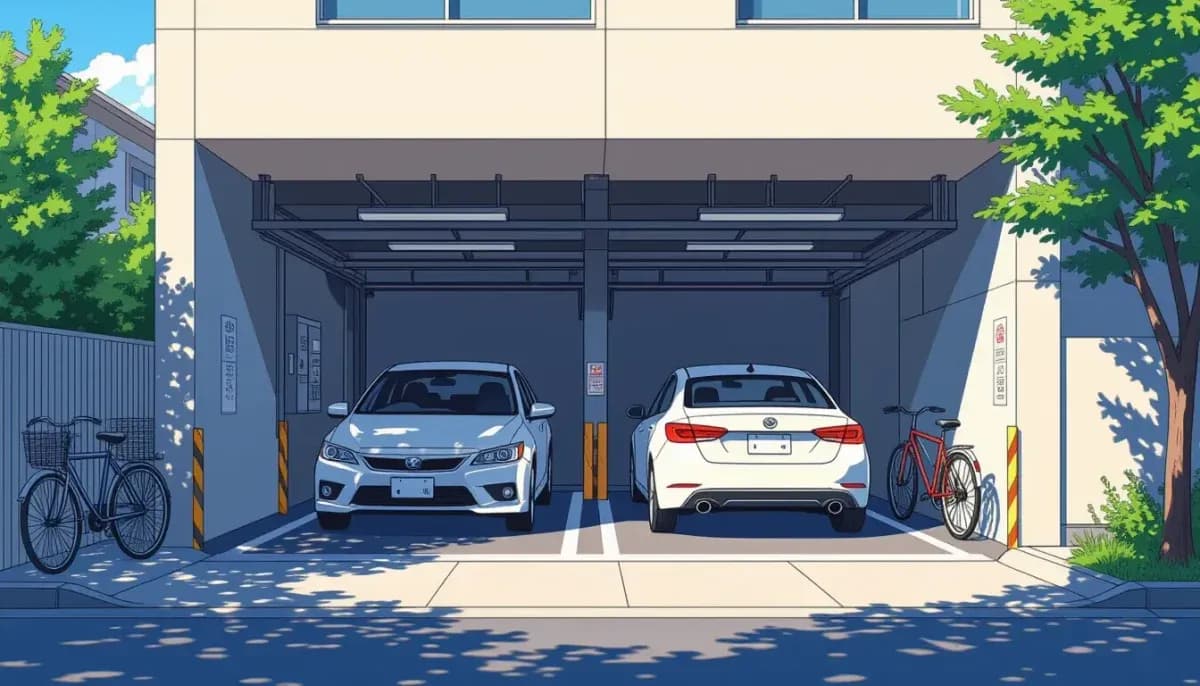
Learn everything about parking and bicycle storage in Japanese condominiums: types, fees, HOA rules, and tips for foreign buyers navigating Japan's condo market.
Parking and Bicycle Storage in Japan Condominiums: A Complete Guide for Foreigners
Buying a condominium in Japan is an exciting milestone, but understanding the parking and bicycle storage situation is often an overlooked — yet critically important — part of the decision. Japan has unique rules, systems, and costs around parking and cycling infrastructure that can surprise foreign buyers. This guide explains everything you need to know about parking and bicycle storage when purchasing or renting a condominium in Japan.
Whether you plan to own a car, ride a bicycle to the station, or simply want to know what to expect from building amenities, this guide covers all the essential details for foreigners navigating Japan's condominium market.
Types of Parking Available in Japanese Condominiums
Japanese condominiums typically offer one of three types of parking systems, each with its own advantages and limitations. Understanding which type your building uses is essential for everyday convenience.
1. Flat Parking Lots (平置き駐車場)
Flat parking lots are ground-level, open parking spaces. These are the simplest and most convenient type — you simply drive in and park. Flat lots are rare in central Tokyo and other dense urban areas due to land cost constraints, but are more common in suburban areas and smaller cities. They have low maintenance costs and no vehicle size restrictions.
2. Multi-Story Covered Parking (自走式立体駐車場)
Multi-story parking garages allow residents to drive their own vehicle up ramps to an assigned level. These provide some weather protection and can accommodate more vehicles per square meter than flat lots, but accessing the space requires driving through the structure. Vehicle height and weight limits may apply.
3. Mechanical Tower Parking (機械式駐車場)
Mechanical parking systems are the most common in high-density urban condominiums, especially in Tokyo. These automated systems use hydraulics or rotating carousels to stack vehicles vertically. Benefits include:
- Highly space-efficient (multiple cars stacked in a small footprint)
- Better protection from theft and weather
- Access via remote control or key card
Downsides include:
- Strict vehicle size limits (height, width, weight)
- Slower access (often 3–5 minutes per retrieval)
- High maintenance and repair costs passed to residents through HOA fees
According to Japan's Ministry of Land, Infrastructure, Transport and Tourism, mechanical parking maintenance costs approximately ¥14,000 per space per month — a significant ongoing expense.
Parking Fees in Japanese Condominiums
Parking fees in Japan vary dramatically depending on the location and building type. There are two ownership models: renting a space from the building's homeowners association (HOA), or buying the space outright.
Most condo residents rent their parking spaces from the building's management, paying a monthly fee on top of regular HOA fees. This fee goes toward covering maintenance, repair reserve funds, and eventual replacement of the parking system.
| Location | Monthly Parking Fee (In-Building) |
|---|---|
| Tokyo 23 Wards (central areas) | ¥30,000–¥80,000+ |
| Tokyo 23 Wards (average) | ¥30,000–¥50,000 |
| Greater Tokyo suburbs | ¥10,000–¥25,000 |
| Osaka, Nagoya (central) | ¥15,000–¥40,000 |
| National average (external lots) | ~¥8,300/month |
| Rural/suburban areas | ¥5,000–¥15,000 |
Important note: Parking spaces in condominiums are legally classified as common use areas (共用部分), not private property — even if a specific space is designated exclusively for your use. This means:
- You cannot sublease your parking spot to someone outside the building without HOA approval
- The building management has authority over all parking policies
- If the building decides to discontinue parking due to vacancies or costs, residents may lose access
Data from the realestate.co.jp resource center shows that the percentage of new Tokyo condo buildings offering parking peaked at 77.3% in 2007 but had dropped to just 42.2% by 2017 — a clear trend as developers prioritize density over parking in urban areas.
Declining Parking Availability: What Foreign Buyers Must Know
If you are planning to buy a condominium in Japan and own a car, it is essential to research parking availability carefully. The trend in urban Japan is clear: fewer new condominium buildings are being constructed with parking.
This matters because:
- No legal requirement for parking: Unlike some countries, Japanese law does not require condominium developments to include any parking spaces at all.
- Vacancy problems: When many residents don't own cars (increasingly common among younger Japanese), parking revenue dips, and buildings may face financial pressure to decommission the parking system.
- Mechanical system replacements: Aging mechanical systems require expensive overhauls every 20–30 years, and if the repair fund is insufficient, residents face special assessments.
- Size restrictions: Many mechanical systems were built to accommodate older, smaller Japanese cars. Foreign buyers who prefer larger SUVs or international car models may find their vehicle doesn't fit.
Before purchasing a unit in a building with mechanical parking, always ask:
- What is the current parking vacancy rate?
- What is the maintenance reserve fund balance for the parking system?
- What are the vehicle size limits (height, width, weight, length)?
For more guidance on condominium costs and HOA management, see our guide on Property Taxes and Annual Costs of Owning Property in Japan.
Bicycle Storage in Japanese Condominiums
In Japan, cycling is a major part of daily life. Many residents ride bicycles to train stations, supermarkets, and schools. Understanding bicycle storage rules is just as important as understanding car parking — perhaps more so, since most Japanese households own at least one bicycle.
Designated bicycle parking (駐輪場, chuurinjou) is a standard feature in most Japanese condominium buildings. These areas are typically:
- Located on the ground floor or in a basement area
- Divided into assigned spaces per unit
- Covered or semi-covered to protect against rain
- Locked or gated for security
Key bicycle storage rules in Japanese condominiums:
- Each unit is typically allocated a fixed number of bicycle spaces (often 1–2 per unit)
- Bicycles cannot be stored inside your unit or on balconies without permission
- Electric bicycles (e-bikes) require special consideration due to battery charging
- Motorcycles and mopeds are NOT permitted in bicycle parking areas and must use designated motorcycle spaces
- Abandoned bicycles are periodically cleared by building management
Bicycle parking fees vary by building. Some buildings include bicycle parking in the monthly HOA fee, while others charge a small additional monthly fee (typically ¥500–¥2,000/month per bicycle space).
If you bring a larger cargo bicycle, electric bicycle with wide wheelbase, or multiple bicycles per household, check with the building's management office about available space and any size restrictions before purchasing.
For an overview of how building management works, see our article on Types of Properties Available in Japan: A Complete Guide.
Motorcycle and Scooter Parking in Condominiums
Motorcycles and scooters are extremely popular in Japan, particularly in dense urban areas where full-size car ownership is expensive. However, dedicated motorcycle parking in condominiums is not always available.
When motorcycle parking is provided, it is typically:
- Located in a separate, designated area from cars and bicycles
- Available on a first-come, first-served basis or lottery system
- Charged at a monthly rate of ¥3,000–¥10,000 depending on the building and location
If your condo building does not offer motorcycle parking, you will need to arrange external parking nearby, which can be scarce and expensive in central urban areas.
Rules, Regulations, and HOA Authority Over Parking
All parking and bicycle storage in Japanese condominiums is governed by two key documents:
- Building Bylaws (管理規約, kanri kiyaku): The foundational rules governing the entire condominium community, including ownership of common areas like parking.
- Usage Guidelines (使用細則, shiyou saisoku): Detailed rules about how common areas, including parking and bicycle storage, may be used.
As explained in the realestate.co.jp guide on common vs. private areas, parking spaces — even those exclusively designated for a specific unit — are classified as common areas. This gives the HOA broad authority to set and enforce rules.
Common HOA parking rules include:
- Vehicle must be roadworthy and properly registered
- Hazardous materials (fuel, large gas canisters) may not be stored in the parking space
- Parking space may only be used for vehicle storage, not general storage
- Subletting your parking space to outsiders requires HOA approval and may be prohibited entirely
- Parking space assignments can be changed by building management if vacancies or structural needs require it
Violating parking rules can result in fines, loss of parking privileges, or even formal legal action from the HOA.
For more information on navigating the legal side of Japanese property ownership, see our Legal Procedures and Documentation for Japan Property Purchase guide.
Tips for Foreign Buyers: What to Check Before You Buy
For foreigners buying a condominium in Japan, parking and bicycle storage might seem like minor details — but they can significantly affect daily life and long-term costs. Here is a practical checklist to review before signing any purchase agreement:
Car Parking Checklist:
- [ ] Is parking available in the building? (Not all buildings have it)
- [ ] Is it mechanical, multi-story, or flat? What are the vehicle size limits?
- [ ] What is the monthly parking fee?
- [ ] What is the current parking vacancy rate? (High vacancy = future financial risk)
- [ ] What is the maintenance reserve fund balance for the parking system?
- [ ] Can you purchase the space outright, or is it rental only?
Bicycle Storage Checklist:
- [ ] How many bicycle spaces are allocated per unit?
- [ ] Is there an additional monthly fee for bicycle parking?
- [ ] Are e-bike charging facilities available?
- [ ] Is there space for larger bikes or cargo bikes?
- [ ] Are there rules about storing bicycles on balconies or inside units?
Additional Resources:
For expats navigating Japan's cycling culture and parking rules, the GaijinPot guide to bicycle parking kanji is a helpful reference — particularly for understanding signs like 駐輪禁止 (no bicycle parking) and 駐輪場 (official bicycle parking area).
For broader guidance on living in Japan and navigating urban life as a foreigner, visit Living in Nihon — a comprehensive resource for expats in Japan. Working foreigners can also find useful practical advice at For Work in Japan. And for everything related to buying property as a foreigner, Gaijin Buy House is an excellent dedicated resource.
Frequently Asked Questions About Parking in Japanese Condominiums
Q: Do I need to have a parking space to buy a condominium in Japan? A: No. Parking is typically optional and purchased or rented separately from the unit itself. Many condo buyers in urban Japan do not own cars and simply skip parking.
Q: Can I sell my parking space separately from my condo unit? A: Generally, no. Parking spaces in Japanese condominiums are common areas managed by the HOA. Even if you purchased a parking space outright, it is typically tied to ownership of a unit in the building and cannot be sold to someone outside.
Q: What happens if my car doesn't fit in the mechanical parking system? A: Your vehicle will simply not be able to use that parking space. Always verify vehicle height, width, weight, and length limits before purchasing a unit with a mechanical parking system.
Q: Are there any buildings that prohibit car ownership? A: Some newer condominium buildings in central Tokyo are built entirely without parking and effectively assume residents will not own cars. This is becoming more common as car ownership declines among younger Japanese households.
Q: How do I find parking near my condo if the building doesn't have it? A: Monthly contract parking lots (月極駐車場, tsukigime chushajou) are widely available throughout Japan. Search using apps like Times Parking, D-Parking, or NPC24H. Costs vary significantly by location.
Conclusion
Understanding parking and bicycle storage is a practical but essential part of buying a condominium in Japan. The rules are quite different from what foreigners may be used to at home — from mechanical parking towers to strict HOA governance and the declining availability of parking in new urban buildings.
Before purchasing, investigate the parking situation carefully: what type of system exists, what it costs, what the vacancy rate is, and whether your vehicle will actually fit. Similarly, confirm bicycle storage allocations and any associated fees, especially if you plan to commute by bike.
For more on the full condominium buying process in Japan, explore our Complete Guide to Buying Property in Japan as a Foreigner and our article on Hidden Costs and Fees When Buying Property in Japan.

Originally from Vietnam, living in Japan for 16+ years. Graduated from Nagoya University, with 11 years of professional experience at Japanese and international companies. Sharing information about buying property in Japan for foreigners.
View Profile →Related Articles
Japan Condo Resale Value: Key Factors That Affect Price
Discover the key factors that affect Japan condo resale value — from station proximity and building age to management quality and market timing. Essential guide for foreign buyers.
Read more →
Luxury and Branded Condominiums in Japan
Complete guide to buying luxury and branded condominiums in Japan as a foreigner. Covers Aman Residences, Ritz-Carlton, tower mansions, prices, costs, and investment potential in Tokyo and beyond.
Read more →
Rental Rules and Regulations for Japan Condominiums
Complete guide to Japan condominium rental rules for foreigners: lease agreements, deposits (shikikin/reikin), house rules, noise policies, pet restrictions, subletting laws, move-out obligations, and tenant rights explained.
Read more →
Japan Condo Building Inspection: What to Check Before Buying
Complete guide to condo building inspections in Japan for foreign buyers. Learn inspection types, costs (¥40,000–¥150,000), seismic standards, and critical documents to review before signing.
Read more →
Earthquake Safety Concerns in Older Japan Condominiums
Buying an older condo in Japan? Learn about the critical 1981 seismic code, risks of pre-1981 buildings, retrofitting options, and how to protect yourself as a foreign buyer.
Read more →
Japan Condo Common Facilities and Amenities Guide
Discover what common facilities to expect in Japanese condominiums — from auto-lock entrances and parcel lockers to gyms and concierge services. Learn about management fees, what to inspect, and what foreign buyers should know before purchasing.
Read more →