
Repair Reserve Fund (Shuuzen Tsumitate) in Japan Condos Explained

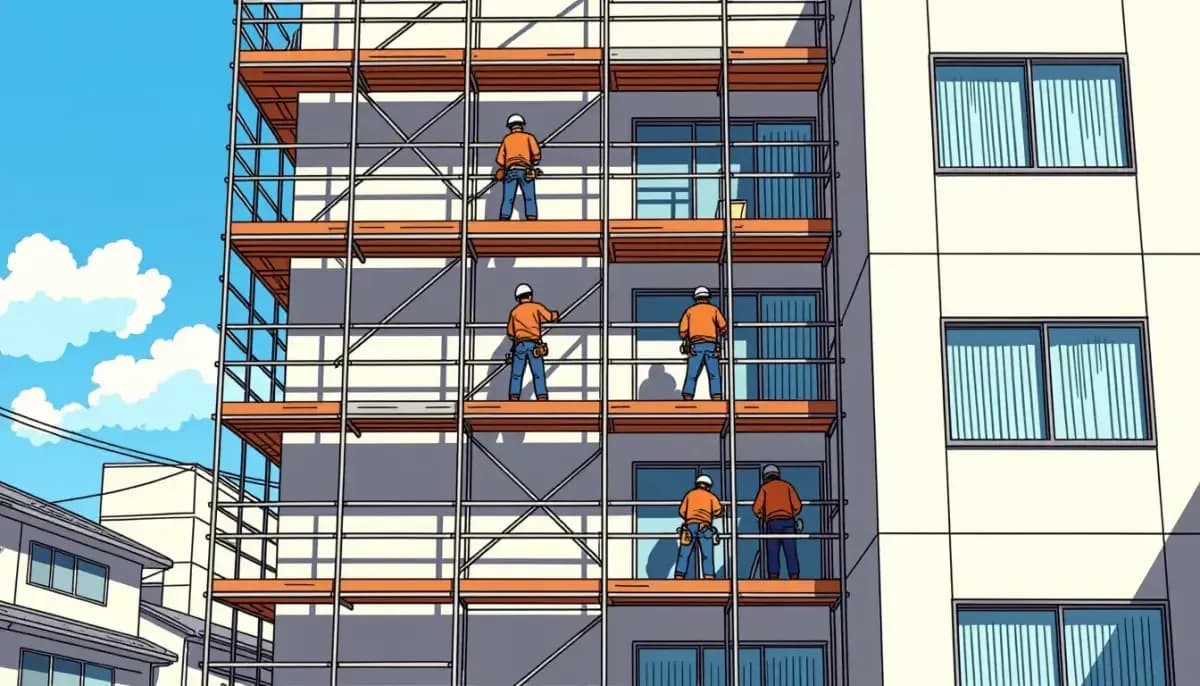
Everything foreign buyers need to know about Japan's condo repair reserve fund (shuuzen tsumitatekin): costs, red flags, due diligence tips, and tax treatment explained.
Repair Reserve Fund (Shuuzen Tsumitate) in Japan Condos Explained
If you're buying a condominium (manshon) in Japan, you'll encounter two recurring monthly fees beyond your mortgage: the management fee (kanri-hi) and the repair reserve fund (shuuzen tsumitatekin, 修繕積立金). The repair reserve fund is often misunderstood by foreign buyers, yet it can significantly affect your long-term ownership costs. This guide explains everything you need to know about shuuzen tsumitate before you buy.
What Is the Repair Reserve Fund (修繕積立金)?
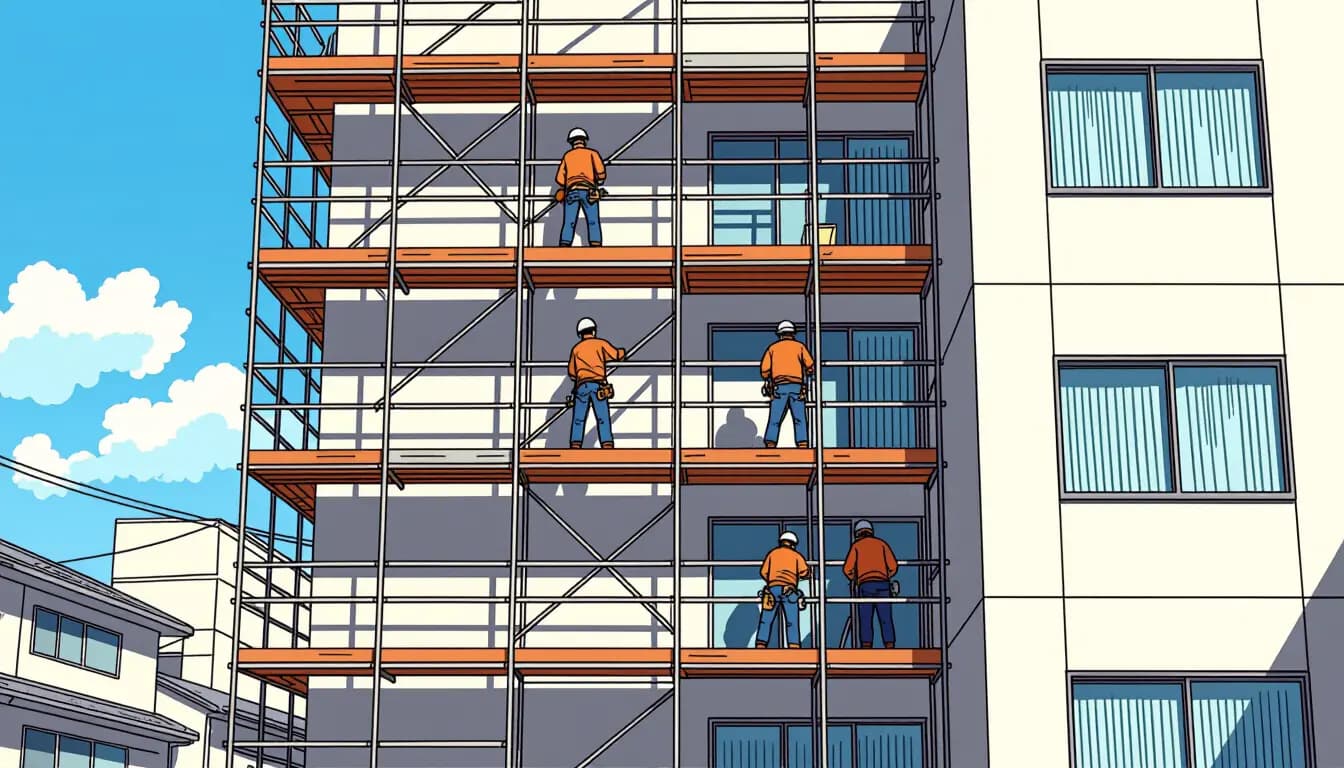
The shuuzen tsumitatekin (修繕積立金), literally translated as "repair savings fund," is a mandatory monthly contribution paid by every unit owner in a Japanese condominium building. Unlike the management fee (kanri-hi) that covers day-to-day operations such as cleaning and security, the repair reserve fund is set aside for major future repairs and renovations of the building's common areas.
This fund is managed collectively by the building's management association (kanri kumiai), a body comprised of all unit owners. Payments go into a shared account, and the association votes on how funds are spent when major work is needed.
Payment is not optional. Under Japan's Act on Building Unit Ownership (区分所有法), failure to pay repair reserve fees can ultimately result in legal action and foreclosure. New owners who purchase a unit where the previous owner had unpaid fees inherit that debt automatically — a critical due diligence point for any buyer.
What Does the Fund Cover?
The repair reserve fund pays for large-scale work on the building's common areas and structural elements — not individual unit interiors. Typical expenditures include:
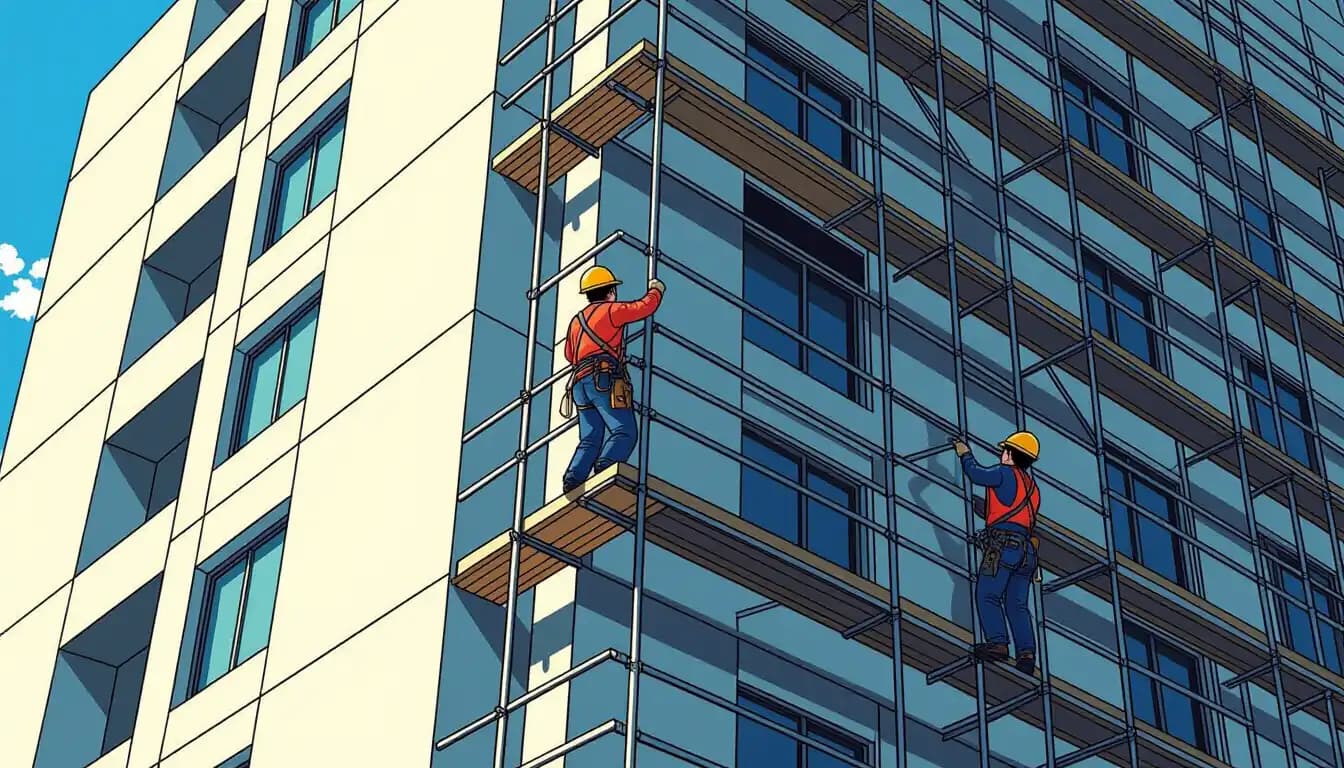
- Exterior wall repairs and repainting — the most common major expense
- Roof and rooftop waterproofing repairs and replacement
- Water supply and plumbing system upgrades
- Elevator replacement (a major expense at the ~30-year mark)
- Earthquake retrofitting for older buildings
- Parking facilities maintenance and renovation
- Lobby and common corridor renovations
- HVAC and electrical systems in common areas
The Ministry of Land, Infrastructure, Transport and Tourism (MLIT) mandates that all manshon buildings develop a long-term repair plan (choki shuuryou keikaku) covering at least 20–30 years. These plans must be revised every 3–5 years as repair costs change.
How Much Does It Cost?
Repair reserve fund contributions vary widely based on building age, size, and location. Here are the key benchmarks:
| Metric | Amount |
|---|---|
| Average monthly fee (national) | ¥17,830 (~$120 USD) |
| Ministry of Land guideline range | ¥165–¥245 per sqm/month |
| Common benchmark rate | ¥149 per sqm/month |
| Typical range (60㎡ unit) | ¥5,000–¥20,000/month |
| Average management fee (kanri-hi) | ¥10,661/month |
| Combined monthly total (avg) | ~¥28,491/month |
Important trend: Fees have risen significantly over time. For a standard 60㎡ unit, the average repair reserve fee increased from ¥5,373/month in 2014 to ¥7,243/month in 2023 — a 35% increase in just nine years. For new buildings in Greater Tokyo and Osaka, fees in 2024 hit record highs, roughly 50% higher than a decade ago.
The calculation formula used by most buildings is:
Monthly amount = (Reserve per sqm × Unit floor area) + (Mechanical parking cost × Lots ÷ Total units)
For a 70㎡ unit at ¥200/sqm, that's ¥14,000/month just for the reserve fund — before management fees.
Repair Cycles and Long-Term Planning
Understanding repair cycles helps you assess whether a building's reserve fund is adequate. The MLIT provides standard guidelines for major repair intervals:
| Component | Repair Cycle |
|---|---|
| Iron part painting | Every 4–6 years |
| Exterior painting | Every 12 years |
| Roof/floor waterproofing | Every 12 years |
| HVAC and lighting | Every 15 years |
| Firefighting equipment | Every 20 years |
| Outdoor facilities | Every 24 years |
| Elevator replacement | Every 30 years |
Buildings that haven't undergone major renovations in 10–15 years are approaching a significant repair cycle — meaning large assessments or special levies may be imminent. Always ask about renovation history.
Red Flags: When Reserve Funds Are Underfunded
Japan is facing a growing crisis with underfunded condo reserves. According to a 2023 survey, approximately 37% of condo management associations already had reserve fund shortfalls. The Japan Housing Finance Agency's condo renovation loan program reached a record ¥25.7 billion in fiscal 2024 — triple the amount from a decade earlier — as associations increasingly borrow to cover repair costs their reserves can't meet.
Warning signs to watch for:
- The "step-up" method (dankai houshiki): Some buildings start with very low initial fees that increase in steps over time. If the building was built before 2008 using this method, you may be buying into a steep fee hike.
- Low reserve balance relative to building age: Request the current balance and compare it to the building's long-term repair plan. An older building with a thin reserve is a major risk.
- High delinquency rates: If many unit owners aren't paying, the association is accumulating a structural deficit.
- No recent large-scale renovation: A 20-year-old building with no exterior work done should have substantial savings — if it doesn't, ask why.
- Upcoming special assessments: Temporary special levies (rinjichoshuu) are sometimes imposed when reserves fall short. These can be ¥500,000 to several million yen per unit.
For more on hidden costs in Japan real estate, see our guide on Hidden Costs and Fees When Buying Property in Japan.
How to Evaluate a Building Before Buying
When doing due diligence on a Japanese condo, request and review the following documents:
- Management rules (kanri kisoku) — sets the monthly fee amounts and payment obligations
- Long-term repair plan (choki shuuryou keikaku) — shows what repairs are planned and when
- Current reserve fund balance — available from the management association
- Annual general meeting (AGM) minutes — required by law to be held at least once per year; reveals disputes, delinquencies, and planned work
- 5–10 years of fee history — shows whether the building has been gradually raising fees (healthy) or keeping them artificially low (risky)
- Unpaid fee ledger for the specific unit — confirm the seller has no outstanding debt, or negotiate accordingly
Your real estate agent (fudosan) and judicial scrivener (shiho shoshi) can help obtain these documents. For more on the legal process, see Legal Procedures and Documentation for Japan Property Purchase.
Tax Treatment for Investors
If you purchase a condo as a rental investment property, the tax treatment differs between the two main fees:
| Fee Type | Tax Treatment |
|---|---|
| Management fee (kanri-hi) | Fully deductible as a rental expense in the year paid |
| Repair reserve fund (shuuzen tsumitate) | Not deductible when contributed — only deductible when the association actually spends it on repairs |
This asymmetry matters for cash-flow planning. Even if you're paying ¥10,000/month into the reserve fund, you can't deduct that amount until the money is actually used for repairs — which could be years later. Work with a tax accountant (zeirishi) familiar with real estate investment to optimize your structure.
For non-resident foreign owners, it's also possible to arrange proxy payment services where both the management fee and reserve fund contributions are automatically deducted from rental income, simplifying administration.
Comparing New vs. Old Buildings
Reserve fund dynamics differ significantly between new and older buildings:
| Factor | New Building | Older Building (20+ years) |
|---|---|---|
| Initial reserve fee | Often low (step-up method) | Higher, reflecting actual cost |
| Reserve balance | Low — just starting to accumulate | Should be substantial |
| Near-term major repairs | Unlikely | High probability |
| Fee trajectory | Will increase | May stabilize or spike |
| Risk | Future fee hikes | Immediate repair costs |
For new construction, always check whether the developer used the "uniform method" (kinitto houshiki, a consistent rate from day one) or the "step-up method." The uniform method is safer for buyers — it means fees are set at a sustainable level from the start. Many newer buildings now use the uniform method due to regulatory pressure, but it's not universal.
The Bottom Line for Foreign Buyers
The repair reserve fund is a critical but often overlooked factor in the true cost of Japanese condo ownership. Here's a quick summary of what to keep in mind:
- Budget ¥5,000–¥20,000/month depending on unit size and building
- You inherit unpaid fees from the previous owner — always verify the balance is zero
- Check the reserve fund balance relative to the building's long-term plan before buying
- Avoid buildings with artificially low fees — these are likely to spike dramatically
- 37% of associations are underfunded — this is not a rare edge case
- Rising costs are the norm — fees have increased 35% in the past decade and will likely continue
For a complete picture of ongoing ownership costs, see our guide on Property Taxes and Annual Costs of Owning Property in Japan.
For broader context on buying a condo in Japan as a foreigner, visit Living in Nihon for expat lifestyle guidance, Gaijin Buy House for foreign buyer-focused real estate advice, and For Work in Japan if you're relocating for work and considering purchasing property.
For detailed data on repair reserve fund fees, Real Estate Japan's explainer is an excellent resource. REthink Tokyo's analysis provides further data on how management and reserve fees have evolved over time. Patience Realty's report covers the growing crisis of underfunded reserves in detail.
Understanding the repair reserve fund before you sign is one of the most important things you can do to protect yourself as a foreign condo buyer in Japan. It's not just a monthly expense — it's a window into the financial health of the entire building.

Originally from Vietnam, living in Japan for 16+ years. Graduated from Nagoya University, with 11 years of professional experience at Japanese and international companies. Sharing information about buying property in Japan for foreigners.
View Profile →Related Articles
Japan Condo Resale Value: Key Factors That Affect Price
Discover the key factors that affect Japan condo resale value — from station proximity and building age to management quality and market timing. Essential guide for foreign buyers.
Read more →
Luxury and Branded Condominiums in Japan
Complete guide to buying luxury and branded condominiums in Japan as a foreigner. Covers Aman Residences, Ritz-Carlton, tower mansions, prices, costs, and investment potential in Tokyo and beyond.
Read more →
Rental Rules and Regulations for Japan Condominiums
Complete guide to Japan condominium rental rules for foreigners: lease agreements, deposits (shikikin/reikin), house rules, noise policies, pet restrictions, subletting laws, move-out obligations, and tenant rights explained.
Read more →
Japan Condo Building Inspection: What to Check Before Buying
Complete guide to condo building inspections in Japan for foreign buyers. Learn inspection types, costs (¥40,000–¥150,000), seismic standards, and critical documents to review before signing.
Read more →
Earthquake Safety Concerns in Older Japan Condominiums
Buying an older condo in Japan? Learn about the critical 1981 seismic code, risks of pre-1981 buildings, retrofitting options, and how to protect yourself as a foreign buyer.
Read more →
Japan Condo Common Facilities and Amenities Guide
Discover what common facilities to expect in Japanese condominiums — from auto-lock entrances and parcel lockers to gyms and concierge services. Learn about management fees, what to inspect, and what foreign buyers should know before purchasing.
Read more →