
Understanding Condo Maintenance Fees (Kanri Hi) in Japan

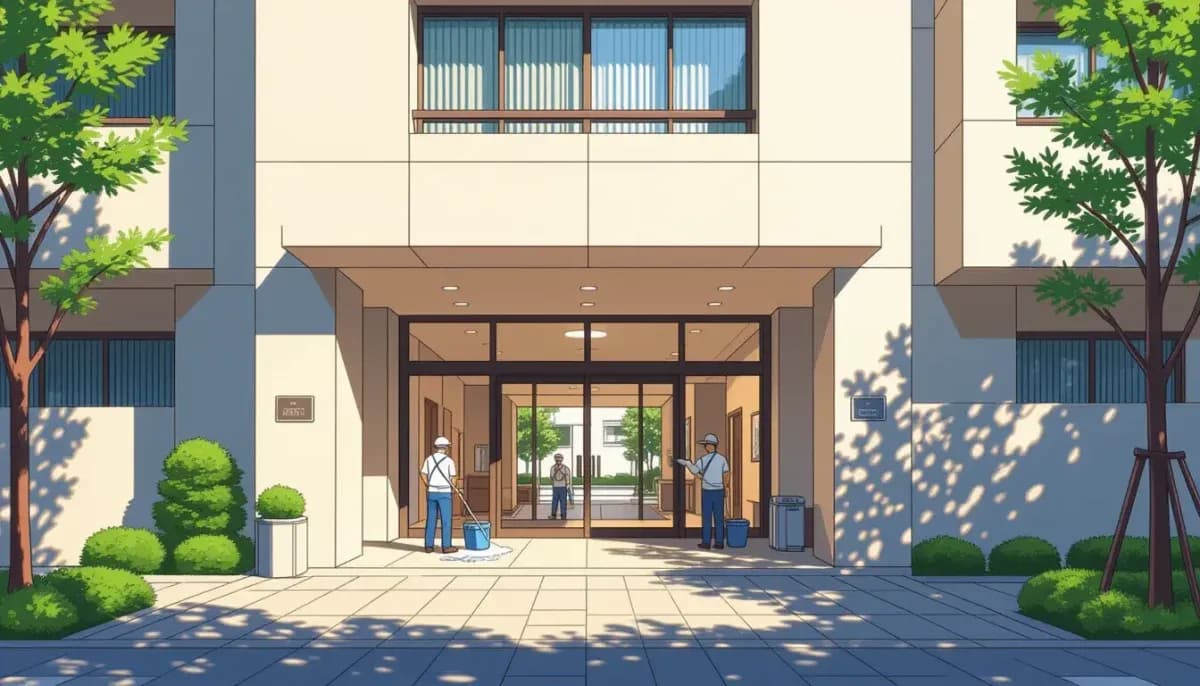
Everything foreigners need to know about Japan condo maintenance fees (kanri hi) and repair reserve funds (shuzen tsumitatekin): costs, averages, foreigner challenges, and due diligence tips.
Understanding Condo Maintenance Fees (Kanri Hi) in Japan
Buying a condominium in Japan comes with more than just a purchase price. Every month, condo owners pay mandatory fees that cover building upkeep and long-term repair savings. For foreigners buying property in Japan, understanding these ongoing costs is essential before signing any contract. This guide explains everything you need to know about Japan's condo maintenance fees — commonly known as kanri hi — and the related repair reserve fund (shuzen tsumitatekin).
Whether you are buying in Tokyo, Osaka, or anywhere else in Japan, these fees apply to virtually all mansion-style condominium buildings and will directly affect your total cost of ownership. Read on to make an informed decision.
What Is Kanri Hi (管理費)?
Kanri hi (管理費), literally "management fee," is a mandatory monthly fee collected from all unit owners in a Japanese condominium building. Unlike many countries where HOA fees are optional or tied to specific amenities, in Japan these fees are legally required for all registered condo owners under the Building Unit Ownership Act (区分所有法, Kubun Shoyu Ho).
The kanri hi covers the day-to-day expenses of operating the common areas and shared facilities, including:
- Cleaning services — regular cleaning of hallways, lobbies, staircases, and parking areas
- Elevator maintenance — regular inspection and servicing contracts for all elevators
- Garbage disposal — waste collection and management for common garbage areas
- Landscaping — maintenance of gardens, trees, and exterior green areas
- Lighting — electricity costs for common area lighting, emergency lights, and signage
- Fire safety equipment — regular inspection of sprinklers, fire extinguishers, and alarms
- Insurance — fire and liability insurance premiums for the building's common areas
- Management company fees — payment to the professional property management company (kanri gaisha) that oversees day-to-day operations
It is important to note that kanri hi only covers routine operational costs. Major repairs and long-term building renovation are funded separately through the repair reserve fund described below.
For more background on the full cost picture of owning property in Japan, see our guide on Hidden Costs and Fees When Buying Property in Japan.
What Is Shuzen Tsumitatekin (修繕積立金)?
The repair reserve fund (修繕積立金, shuzen tsumitatekin) is the second mandatory monthly fee paid by all condo unit owners. While kanri hi covers day-to-day management, the repair reserve fund is a savings pool designated for major future building renovation work.
Japanese law requires every condominium building's management association to maintain this fund. Non-payment can result in legal action, and in serious cases, unpaid balances can lead to property foreclosure. This fund is typically used for:
- Exterior wall repainting and waterproofing — typically every 10–15 years
- Roof repairs and waterproofing — required every 10–20 years
- Elevator full overhaul or replacement — every 20–30 years
- Water tank inspection and replacement — required periodically
- Plumbing and drainage system overhaul — every 20–30 years
- Parking equipment replacement
- Earthquake retrofitting — especially for pre-1981 buildings
The fee is determined by the building's long-term repair plan (長期修繕計画, choki shuzen keikaku), a mandatory document that projects expected repair costs over a 30-year horizon. A professionally maintained long-term repair plan is a strong positive indicator of a well-managed building.
Importantly, unpaid repair reserve fund fees transfer to new owners upon resale. Before buying any second-hand condo in Japan, always request and verify the outstanding balance of both the kanri hi and shuzen tsumitatekin accounts.
How Much Do These Fees Cost?
Condo maintenance fees in Japan vary significantly by building size, age, location, and amenities. Here is a breakdown of typical ranges and national averages:
| Fee Type | National Average | Tokyo Average | Typical Range |
|---|---|---|---|
| Kanri Hi (Management) | ¥10,661/month | ¥12,831/month | ¥5,000–¥30,000/month |
| Shuzen Tsumitatekin (Repair Reserve) | ¥17,830/month | ¥14,000+/month | ¥5,000–¥30,000/month |
| Combined Total | ¥28,491/month | ¥24,738/month (FY2023) | ¥18,000–¥50,000+/month |
| Per sqm (Management) | ¥217/sqm/month | ¥201/sqm/month | ¥165–¥245/sqm/month |
Sources: Ministry of Land, Infrastructure and Tourism; East Japan REINS FY2023 survey; realestate.co.jp
To put this in practical terms:
- A 60 sqm Tokyo condo might pay approximately ¥18,000–¥24,000/month in combined fees
- A 70 sqm condo at the national average would pay approximately ¥15,190/month for kanri hi alone
- A 80 sqm unit at the national average would pay approximately ¥17,360/month for kanri hi alone
Combined condo fees have risen significantly over time — from approximately ¥22,395/month in 2010 to ¥28,748/month in 2025 for a typical 60 sqm Tokyo unit, a rise of about ¥6,000/month over 15 years.
For buildings that are 15 years or older in Tokyo, repair reserve fund fees alone often exceed ¥14,000/month on average, reflecting the larger reserves needed as major renovation work approaches.
For a comprehensive overview of all property ownership costs in Japan, see our article on Property Taxes and Annual Costs of Owning Property in Japan.
What Foreigners Need to Know: Special Considerations
Japan's condo fee system works well for domestic residents, but foreign buyers face some unique challenges that can catch them off guard.
Payment Through Japanese Bank Accounts
Building management associations in Japan cannot process payments from foreign bank accounts. All kanri hi and shuzen tsumitatekin payments must be made from a Japanese domestic bank account via automatic bank transfer (口座振替, koza furikae).
For foreigners living overseas or those who have not yet obtained a Japanese bank account, this creates a practical challenge. The most common solution is to hire a Japanese property management company as a payment proxy. This company will:
- Maintain a Japanese bank account for fee deductions
- Forward kanri hi and shuzen tsumitatekin payments to the building management association on your behalf
- Handle Japanese-language correspondence with the kanri kumiai
- Represent your interests at building management meetings
This proxy management service typically adds ¥3,000–¥10,000/month to your costs. Factor this into your budget when calculating the full cost of overseas condo ownership in Japan.
Joining the Kanri Kumiai (管理組合)
All condo owners are automatically members of the building's management association (管理組合, kanri kumiai). This is not optional — it is a legal requirement under Japan's Sectional Ownership Law. The kanri kumiai meets periodically to make collective decisions about building management, including fee adjustments, major repair approvals, and management company contracts.
For foreign owners, participation can be challenging due to language barriers, as meetings and documents are conducted entirely in Japanese. If you cannot attend, you can submit a proxy vote (委任状, inin-jo). Consider hiring a bilingual property manager who can represent your interests at these meetings.
Red Flags: Low Initial Fees
One issue that affects foreign buyers unfamiliar with Japan's real estate practices is the artificially low repair reserve fund at new buildings. Some developers deliberately set initial shuzen tsumitatekin fees very low — sometimes as low as ¥2,000–¥3,000/month — to make new condos appear more affordable. These fees then rise substantially as the building ages and major repairs approach.
When evaluating a new condo, always review:
- The long-term repair plan (choki shuzen keikaku) to understand projected fee increases
- The current balance of the repair reserve fund account
- Whether major renovation work is scheduled soon
For more guidance on due diligence when buying in Japan, see Step-by-Step Home Buying Process in Japan for Foreigners.
Kanri Hi vs. Shuzen Tsumitatekin: Key Differences
Understanding the distinction between these two fees is critical for budgeting accurately and assessing building quality.
| Feature | Kanri Hi (管理費) | Shuzen Tsumitatekin (修繕積立金) |
|---|---|---|
| Purpose | Day-to-day operations | Long-term major repairs |
| Payment frequency | Monthly | Monthly |
| Legal requirement | Yes (Sectional Ownership Law) | Yes (required by regulation) |
| Manages | Common area cleaning, elevators, insurance | Roof, exterior walls, elevators, plumbing |
| Managed by | Management company (kanri gaisha) | Building management association |
| Transfer on sale | Unpaid balance transfers to buyer | Accumulated fund stays with building |
| Red flag | Unusually high (over-managed) | Unusually low (under-funded) |
Comparing Condo Fees Across Major Japanese Cities
Condo fees in Japan vary by location, reflecting different land values, building standards, and local management practices.
| City/Region | Avg. Management Fee | Avg. Reserve Fund | Combined Estimate |
|---|---|---|---|
| Tokyo (23 Wards) | ¥12,000–¥15,000/month | ¥14,000–¥20,000/month | ¥26,000–¥35,000/month |
| Yokohama | ¥10,000–¥13,000/month | ¥12,000–¥18,000/month | ¥22,000–¥31,000/month |
| Osaka | ¥9,000–¥12,000/month | ¥10,000–¥15,000/month | ¥19,000–¥27,000/month |
| Nagoya | ¥8,000–¥11,000/month | ¥9,000–¥13,000/month | ¥17,000–¥24,000/month |
| Fukuoka | ¥7,000–¥10,000/month | ¥8,000–¥12,000/month | ¥15,000–¥22,000/month |
| Sapporo | ¥6,000–¥9,000/month | ¥7,000–¥11,000/month | ¥13,000–¥20,000/month |
Note: These are approximate ranges for standard condominiums. High-rise luxury buildings with concierge services, pools, or extensive common facilities can have significantly higher fees.
If you are considering buying in specific cities, see our region-specific guides: Buying Property in Tokyo as a Foreigner, Buying Property in Osaka as a Foreigner, and Buying Property in Yokohama and Kanagawa as a Foreigner.
How to Evaluate Condo Fees Before Buying
Due diligence on condo fees is one of the most important steps in the Japanese property buying process. Here is a practical checklist to follow before making any offer:
1. Request the monthly fee breakdown Ask for the current monthly kanri hi and shuzen tsumitatekin amounts in writing. Verify these against the listing price, as some listings exclude these costs.
2. Review the repair reserve fund balance Request the current balance of the shuzen tsumitatekin account. A healthy building should have a substantial reserve. A very low balance relative to the building's age is a warning sign.
3. Check the long-term repair plan The choki shuzen keikaku is a mandatory planning document. Review it to understand scheduled repairs and whether fee increases are planned. If no plan exists or it has not been updated recently, this is a red flag.
4. Research the management company Larger, reputable management companies (Nomura Real Estate, Mitsui Fudosan, Sumitomo Realty) generally provide more reliable service and financial oversight than small local operators.
5. Verify the kanri kumiai's financial health Request the latest financial statements from the management association. These should show the reserve fund balance, recent expenditures, and upcoming planned works.
6. Check for outstanding unpaid fees Confirm that previous owners have no outstanding kanri hi or shuzen tsumitatekin debts. Any unpaid balance legally transfers to you as the new owner.
For comprehensive guidance on the full purchasing process, see Legal Procedures and Documentation for Japan Property Purchase.
Condo Fees vs. Detached House: Which Is Right for You?
One of the key financial differences between buying a Japanese condominium (mansion) and a detached house (ikkodate) is that detached houses typically do not require kanri hi or shuzen tsumitatekin payments. Homeowners of detached properties are entirely responsible for their own maintenance costs — which can be higher or lower depending on how diligently they maintain the property.
For foreign buyers, condominiums can be preferable because:
- Professional management handles all common area maintenance
- Legal protections under the Sectional Ownership Law provide strong owner rights
- Tokyo and Osaka condos in central locations tend to hold value well
- Easier to rent out or manage remotely as an overseas investor
However, the ongoing monthly fees are a significant consideration. For a 70 sqm Tokyo condo, paying ¥28,000/month in combined fees over 20 years amounts to approximately ¥6.7 million in fees alone — equivalent to a substantial portion of the purchase price.
For an overview of property types in Japan and their pros and cons, see Types of Properties Available in Japan: A Complete Guide.
Useful Resources for Foreign Condo Buyers
For more information on condo fees and property ownership in Japan, these resources provide reliable English-language guidance:
- Building Management Fees in Japan - Real Estate Japan — comprehensive explanation of kanri hi and repair reserve funds
- Repair Reserve Fund Fees Explained - Real Estate Japan — detailed breakdown of shuzen tsumitatekin
- Condo Management Fees - Rethink Tokyo — Tokyo-focused analysis of fee trends
- Living in Nihon - Japan Living Guide — practical guides for foreigners living in Japan
- For Work in Japan — resources for expats working and living in Japan
- Gaijin Buy House — dedicated resource for foreigners buying property in Japan
Conclusion
Condo maintenance fees — kanri hi and shuzen tsumitatekin — are a fundamental and unavoidable part of owning a Japanese condominium. For a typical 70–80 sqm unit in a major Japanese city, budget for ¥20,000–¥35,000/month in combined fees on top of your mortgage payments.
For foreign buyers, the key additional challenges are:
- Payment must be through a Japanese bank account — consider using a property management proxy service
- Joining the kanri kumiai is mandatory — language support is important for participation
- Due diligence on fund balances and long-term repair plans is critical before any purchase
Understanding these fees before you buy will help you accurately calculate your total cost of ownership and avoid unexpected financial surprises. For a comprehensive overview of all costs involved in buying property in Japan as a foreigner, start with our Complete Guide to Buying Property in Japan as a Foreigner.

Originally from Vietnam, living in Japan for 16+ years. Graduated from Nagoya University, with 11 years of professional experience at Japanese and international companies. Sharing information about buying property in Japan for foreigners.
View Profile →Related Articles
Japan Condo Resale Value: Key Factors That Affect Price
Discover the key factors that affect Japan condo resale value — from station proximity and building age to management quality and market timing. Essential guide for foreign buyers.
Read more →
Luxury and Branded Condominiums in Japan
Complete guide to buying luxury and branded condominiums in Japan as a foreigner. Covers Aman Residences, Ritz-Carlton, tower mansions, prices, costs, and investment potential in Tokyo and beyond.
Read more →
Rental Rules and Regulations for Japan Condominiums
Complete guide to Japan condominium rental rules for foreigners: lease agreements, deposits (shikikin/reikin), house rules, noise policies, pet restrictions, subletting laws, move-out obligations, and tenant rights explained.
Read more →
Japan Condo Building Inspection: What to Check Before Buying
Complete guide to condo building inspections in Japan for foreign buyers. Learn inspection types, costs (¥40,000–¥150,000), seismic standards, and critical documents to review before signing.
Read more →
Earthquake Safety Concerns in Older Japan Condominiums
Buying an older condo in Japan? Learn about the critical 1981 seismic code, risks of pre-1981 buildings, retrofitting options, and how to protect yourself as a foreign buyer.
Read more →
Japan Condo Common Facilities and Amenities Guide
Discover what common facilities to expect in Japanese condominiums — from auto-lock entrances and parcel lockers to gyms and concierge services. Learn about management fees, what to inspect, and what foreign buyers should know before purchasing.
Read more →