
Japan Condo Common Facilities and Amenities Guide

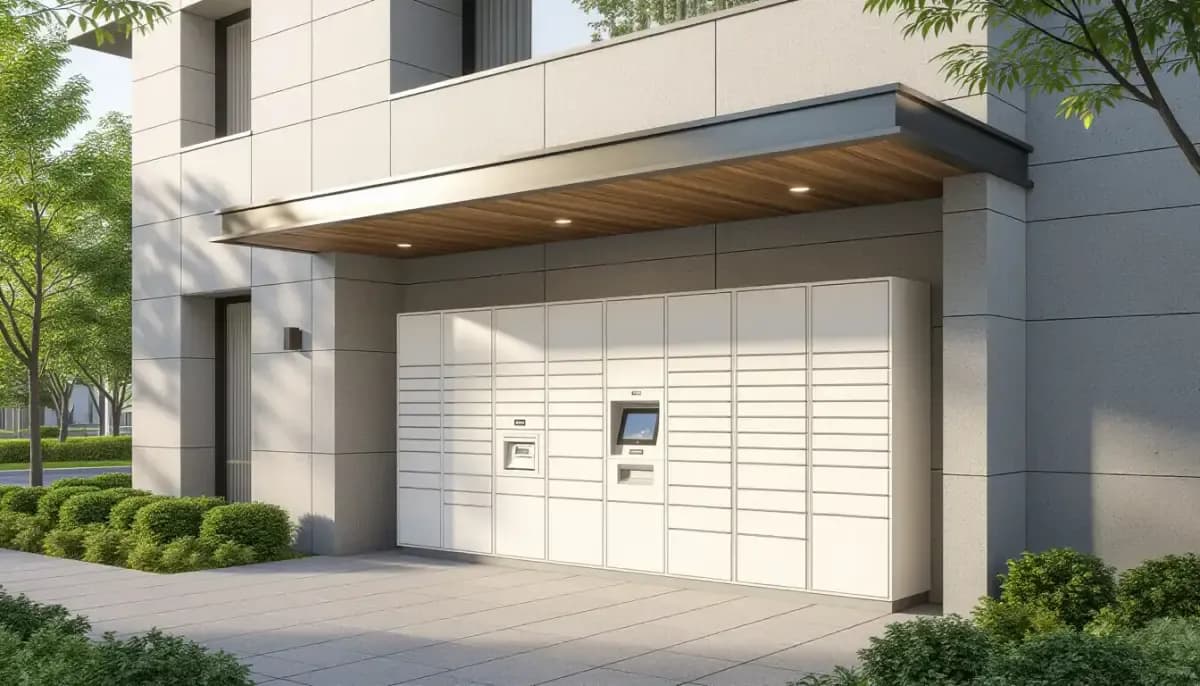
Discover what common facilities to expect in Japanese condominiums — from auto-lock entrances and parcel lockers to gyms and concierge services. Learn about management fees, what to inspect, and what foreign buyers should know before purchasing.
Japan Condo Common Facilities and Amenities Guide
When buying a condominium (マンション, manshon) in Japan, the unit itself is only part of the picture. Common facilities — shared spaces and infrastructure maintained collectively by all residents — play a major role in daily comfort, security, and even the long-term value of your investment. For foreign buyers navigating Japan's property market, understanding what to expect from condo common areas can prevent surprises and help you compare properties more effectively.
This guide covers the full spectrum of common facilities found in Japanese condominiums, from basic essentials in standard buildings to premium amenities in luxury tower mansions, along with what they cost and what to watch out for.
What Are Common Facilities in a Japanese Condo?
Common facilities (共用部分, kyōyō bubun) refer to all areas and infrastructure shared by residents of a condominium building. Unlike your private unit, these spaces are collectively owned by all unit holders and maintained through monthly management fees.
In Japan, common facilities are broadly categorized as:
- Structural common areas: Entrance halls, corridors, stairwells, elevators, rooftop
- Functional common areas: Bicycle parking, garbage rooms, delivery lockers, mail areas
- Amenity spaces: Fitness rooms, lounges, guest suites, rooftop gardens (varies by building)
The quality and extent of these facilities differ significantly between standard mansions and luxury tower mansions — and they directly affect your monthly management fees.
For a broader overview of buying condos in Japan, see our guide to Buying a Condominium (Mansion) in Japan as a Foreigner.
Essential Common Facilities in Standard Japanese Condos
Nearly all modern mansions in Japan include a set of baseline facilities considered standard across the market. If a building lacks any of these, it may be older or poorly managed.
Auto-Lock Entrance (オートロック)
The auto-lock entrance is perhaps the most commonly advertised feature of modern Japanese condos. It requires residents to use a key fob, IC card, or smartphone app to enter, while visitors must call through an intercom system connected to individual units.
Benefits include:
- Prevents unauthorized access
- Video intercom allows visual verification of visitors
- Some newer systems integrate with smartphones for remote unlocking
Auto-lock has become so standard that its absence is a red flag for building quality and security.
Elevators
Any building above three or four stories should have at least one elevator. In taller buildings, there are typically multiple elevators to reduce wait times. Elevator maintenance is covered by management fees and is legally required at regular intervals.
When evaluating a building, check:
- Age and condition of elevators
- Availability during power outages (some have emergency backup power)
- Elevator capacity relative to number of units
Bicycle Parking (駐輪場)
Japan is a cycling-friendly country, and virtually all condominiums provide designated bicycle parking. This is typically located in a covered area near the building entrance or in the basement.
In high-demand urban buildings, bicycle parking slots may require registration and sometimes a small monthly fee. Check how many slots are available per unit and whether there is a waiting list.
Parcel Lockers (宅配ボックス)
With the rise of online shopping in Japan, parcel lockers have become a near-essential feature. These automated lockers allow delivery companies to leave packages when residents are away. Residents receive a code or notification to retrieve their parcel at their convenience.
Key rules to know:
- Parcel lockers are temporary storage only — typically 2-3 days maximum
- Occupying a locker too long is a violation of building rules
- Newer buildings use IC card authentication for access
Garbage Collection Area (ゴミ置き場)
Waste management is taken very seriously in Japan, with strict sorting rules for burnable, non-burnable, plastic, glass, and cardboard waste. Every condo has a designated garbage area with clearly labeled bins.
- Collection schedules vary by municipality
- Improper disposal can result in warnings from the management association
- Some premium buildings have 24-hour garbage disposal (a notable convenience)
Mailboxes
Individual mailboxes are located in the entrance area. In newer buildings, these are combined with a parcel locker system. Mailboxes typically have a secure lock accessible only by the unit owner.
Mid-Grade Condo Facilities
Beyond the basics, many mid-range condominiums in Japan — particularly those built after 2000 — offer additional shared spaces that improve the quality of daily life.
Shared Storage Lockers (トランクルーム)
Many buildings offer optional trunk room storage units (small lockers or rooms) that residents can rent for storing seasonal items, sports equipment, or large luggage. These are particularly valuable in Japan where unit storage is often limited.
Costs: Typically ¥2,000–¥8,000 per month as a separate add-on fee.
Parking Spaces (駐車場)
Car parking in Japanese condo buildings is usually managed separately from the unit itself. Many buildings use mechanical multi-tiered parking systems (機械式駐車場) to maximize space.
Important points:
- Parking spaces are often rented, not owned — check if the building has enough slots for all units
- Monthly fees typically range from ¥10,000–¥30,000 in urban areas
- Not all buildings offer car parking, especially in central Tokyo
Lobby and Entrance Hall
Mid-grade and above buildings often have a well-maintained lobby with:
- Seating area for waiting guests
- Display information boards for building announcements
- Notice board for management association updates
- Some have a building manager's desk or interphone system
Security Cameras (防犯カメラ)
CCTV coverage of common areas — entrance, parking areas, elevators, and corridors — is standard in buildings from the 2000s onwards and nearly universal in newer constructions. Camera footage is managed by the building management company.
Premium and Luxury Condo Facilities
Tower mansions and high-grade condominiums in Japan's major cities offer a range of lifestyle amenities that rival luxury hotels. These facilities are a major draw but also significantly increase monthly management fees.
24-Hour Concierge / Front Desk Service
A staffed reception desk (コンシェルジュ) operating around the clock is a hallmark of luxury condominiums. Services typically include:
- Package reception and delivery coordination
- Taxi and reservation bookings
- Building information and visitor management
- Key management and temporary guest passes
Buildings with full concierge services tend to have management fees at the higher end of the range.
Fitness Center (フィットネスルーム)
Many tower mansions and premium buildings include a residents-only fitness room with basic gym equipment — treadmills, stationary bikes, free weights, and stretching areas. Access is typically included in the management fee or available for a small per-visit fee.
In very high-end buildings, fitness centers may include:
- Swimming pools
- Sauna or spa facilities
- Yoga/studio rooms
- Golf simulators
Guest Rooms (ゲストルーム)
Rather than building large units with extra bedrooms (expensive in Japanese real estate), many condos offer shared guest rooms that residents can book in advance for visiting friends or family. These are typically furnished like a hotel room and priced at ¥3,000–¥8,000 per night.
Sky Lounge and Rooftop Garden (スカイラウンジ / ルーフガーデン)
Many high-rise buildings feature panoramic sky lounges with city views, available for residents to book for private events or use as a social space. Rooftop gardens offer outdoor green space — a premium in Japanese urban environments.
Co-Working / Study Rooms
Increasingly common in newer condominiums built post-2020, dedicated work-from-home and study spaces provide a quiet environment away from the private unit. These may include high-speed internet, private booths, and meeting rooms.
Common Facilities by Building Type
The table below summarizes what to expect from each category of Japanese condominium:
| Facility | Standard Mansion | Mid-Grade Mansion | Tower Mansion / Luxury |
|---|---|---|---|
| Auto-lock entrance | ✅ | ✅ | ✅ + Smart key |
| Elevators | ✅ | ✅ | ✅ Multiple |
| Bicycle parking | ✅ | ✅ | ✅ |
| Parcel lockers | ✅ | ✅ | ✅ Advanced |
| Garbage room | ✅ | ✅ 24hr | ✅ 24hr |
| Security cameras | ✅ | ✅ | ✅ Full coverage |
| Concierge / front desk | ❌ | Partial | ✅ 24hr |
| Fitness center | ❌ | Sometimes | ✅ |
| Guest rooms | ❌ | Sometimes | ✅ |
| Sky lounge | ❌ | ❌ | ✅ |
| Pool / spa | ❌ | ❌ | Some |
| Co-working space | ❌ | Sometimes | ✅ |
| Storage lockers | Sometimes | ✅ | ✅ |
Management Fees: What You Pay for Common Facilities
All common facilities are funded through two monthly charges that every condo owner pays:
1. Management Fee (管理費, kanrihi)
Covers day-to-day operating costs:
- Cleaning of common areas (hallways, entrance, elevators)
- Elevator maintenance and inspections
- Utility costs for common areas (lighting, heating)
- Building manager or concierge salary
- Security system maintenance
Typical range in Tokyo: ¥10,000–¥30,000/month
Buildings with extensive amenities (concierge, gym, pool) will be at the high end or above this range.
2. Repair Reserve Fund (修繕積立金, shuuzen tsumitatekin)
A separate fund saved over time to pay for major future repairs:
- Exterior wall repainting
- Waterproofing
- Elevator replacement
- Common area renovations
Typical range: ¥5,000–¥20,000/month, though older buildings or those with deferred maintenance may require higher contributions or special assessments.
Combined average: Around ¥30,000/month for a standard unit, though this varies widely.
For a full breakdown of property costs, see our guide to Property Taxes and Annual Costs of Owning Property in Japan and Hidden Costs and Fees When Buying Property in Japan.
What Foreign Buyers Should Know About Condo Facilities
If you are buying a condo in Japan as a foreigner, there are specific considerations related to common facilities and management:
Building Management Association (管理組合)
Every condo in Japan is governed by a homeowners' association called the kanri kumiai. All unit owners — including foreigners — are automatically members. This association:
- Votes on repairs, rule changes, and management contracts
- Sets and adjusts management fees and reserve fund contributions
- Manages disputes between residents
As a foreign owner, you have full voting rights. If you are overseas, you can designate a proxy to vote on your behalf.
Important: Japanese building management associations typically cannot process payments from foreign bank accounts. If you own a condo remotely, you will need to either open a Japanese bank account or hire a local property manager to handle payments. Learn more about Property Management for Overseas Owners in Japan.
Rules About Common Areas
Japanese condos have detailed building rules (管理規約, kanri kiyaku) that govern use of common facilities. Common rules include:
- No modifications to common areas (including balconies, which are technically common property)
- Noise restrictions (typically 10 PM – 8 AM)
- Rules on pet ownership and their use of elevators
- Parcel locker time limits
- Guest parking policies
Always request a copy of the kanri kiyaku before purchasing. Your real estate agent should be able to obtain this.
Checking the Reserve Fund Balance
One of the most important due diligence steps when buying a used condo in Japan is checking the balance of the repair reserve fund. A low balance relative to the building's age and condition indicates future financial risk — either a special assessment (一時金, ichijikan) or deferred maintenance.
Ask the seller or your agent for:
- Current repair reserve fund balance
- Long-term repair plan (長期修繕計画, chōki shūzen keikaku)
- History of special assessments
For more on the buying process, see Step-by-Step Home Buying Process in Japan for Foreigners.
How Facilities Affect Property Value
Common facilities are not just about convenience — they directly impact resale value and rental attractiveness.
Higher-value factors:
- Auto-lock entrance (near-essential for resale)
- Concierge service (strong premium in luxury market)
- 24-hour garbage disposal (highly sought after)
- Parcel lockers (increasingly expected)
- Proximity to station + good facilities = premium pricing
Lower-value or negative factors:
- Aging mechanical parking systems (expensive to maintain, buyers may avoid)
- Low repair reserve fund balance
- Outdated security systems
- Buildings without elevators (accessibility concerns)
Evaluating Common Facilities Before Purchase
When viewing a condo in Japan, take time to walk through all common areas with the following checklist:
Cleanliness check:
- Is the entrance lobby well-maintained?
- Are corridors clean and well-lit?
- Is the garbage area organized?
Condition check:
- How old are the elevators? When were they last serviced?
- Is the auto-lock system modern or outdated?
- Are there any visible signs of water damage or mold in common areas?
Management check:
- Is there a building manager or concierge on-site?
- Are notice boards up to date with recent announcements?
- Does the building have a visible long-term repair plan posted?
A well-managed building with clean, functional common areas is a strong indicator of an organized management association — and lower risk for future special assessments.
For expert guidance on navigating the purchase process, Working with Japanese Real Estate Agents as a Foreigner explains how bilingual agents can help you evaluate these factors.
Additional Resources
For more context on condo living in Japan:
- Living in Nihon — comprehensive lifestyle guides for foreigners in Japan
- For Work in Japan — resources for expats working and living in Japan
- Gaijin Buy House: Used Condo Price Negotiation Tips — practical advice on evaluating and negotiating used condos
- Real Estate Japan: Building Management Fees Explained — detailed breakdown of management fee structures
- Tokyo Relocation Guide: What Is a Mansion? — overview of mansion types and amenities
Conclusion
Japan's condominium market offers a wide spectrum of common facilities — from the basics of auto-lock security and bicycle parking to luxury amenities like 24-hour concierge services, fitness centers, and sky lounges. Understanding what facilities are included, what they cost through monthly management fees, and what condition they are in is essential to making a sound property purchase decision.
For foreign buyers especially, checking the repair reserve fund balance and understanding the building management association's rules can mean the difference between a smooth ownership experience and costly surprises. Take time to evaluate common facilities carefully — they are as important as the unit itself.
Explore more in our Complete Guide to Buying Property in Japan as a Foreigner and our guide on Types of Properties Available in Japan.

Originally from Vietnam, living in Japan for 16+ years. Graduated from Nagoya University, with 11 years of professional experience at Japanese and international companies. Sharing information about buying property in Japan for foreigners.
View Profile →Related Articles
Japan Condo Resale Value: Key Factors That Affect Price
Discover the key factors that affect Japan condo resale value — from station proximity and building age to management quality and market timing. Essential guide for foreign buyers.
Read more →
Luxury and Branded Condominiums in Japan
Complete guide to buying luxury and branded condominiums in Japan as a foreigner. Covers Aman Residences, Ritz-Carlton, tower mansions, prices, costs, and investment potential in Tokyo and beyond.
Read more →
Rental Rules and Regulations for Japan Condominiums
Complete guide to Japan condominium rental rules for foreigners: lease agreements, deposits (shikikin/reikin), house rules, noise policies, pet restrictions, subletting laws, move-out obligations, and tenant rights explained.
Read more →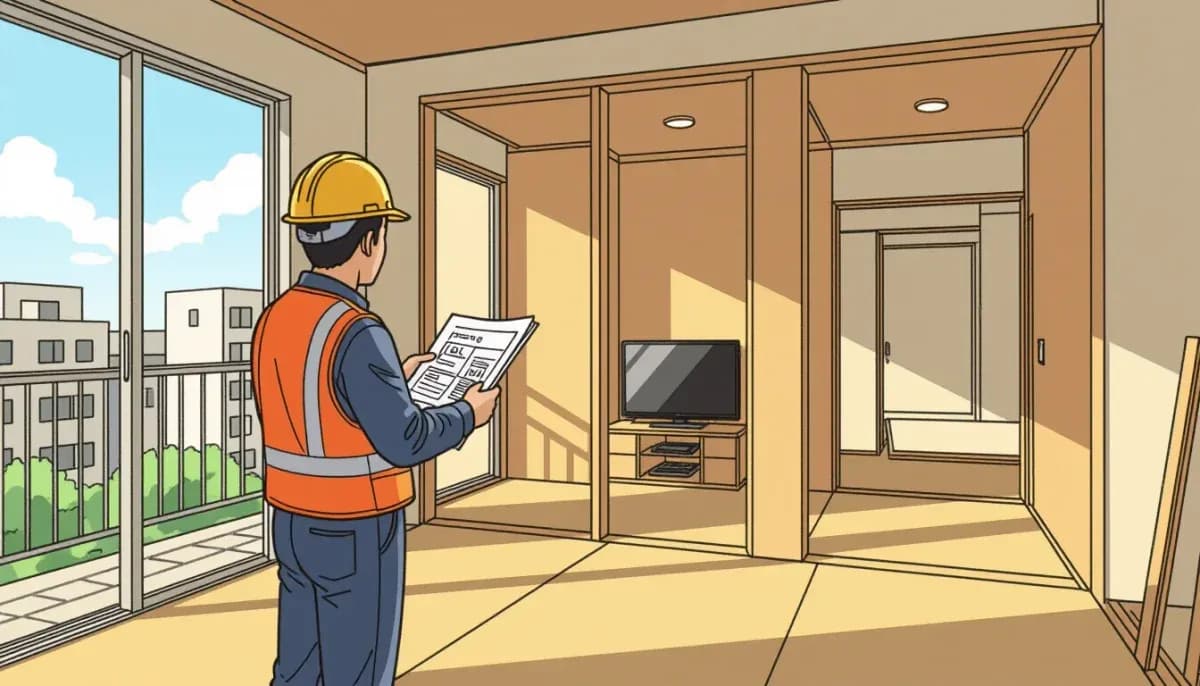
Japan Condo Building Inspection: What to Check Before Buying
Complete guide to condo building inspections in Japan for foreign buyers. Learn inspection types, costs (¥40,000–¥150,000), seismic standards, and critical documents to review before signing.
Read more →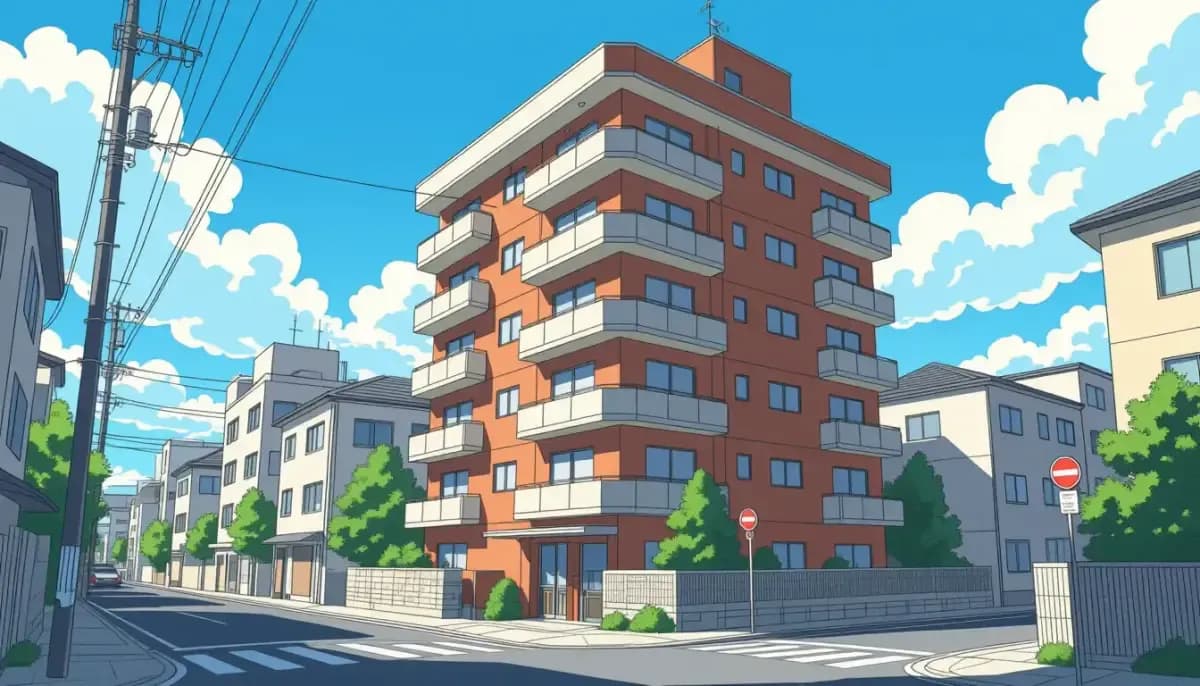
Earthquake Safety Concerns in Older Japan Condominiums
Buying an older condo in Japan? Learn about the critical 1981 seismic code, risks of pre-1981 buildings, retrofitting options, and how to protect yourself as a foreign buyer.
Read more →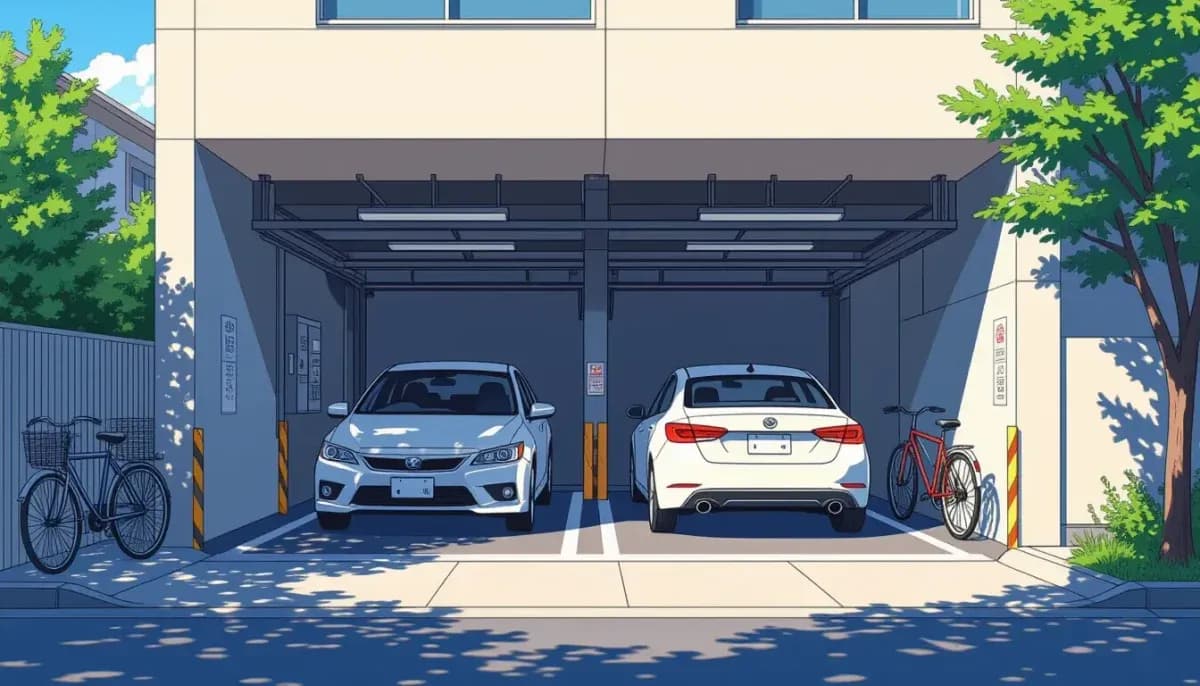
Parking and Bicycle Storage in Japan Condominiums
Learn everything about parking and bicycle storage in Japanese condominiums: types, fees, HOA rules, and tips for foreign buyers navigating Japan's condo market.
Read more →