
Cost Comparison: New Build vs Used Property in Japan

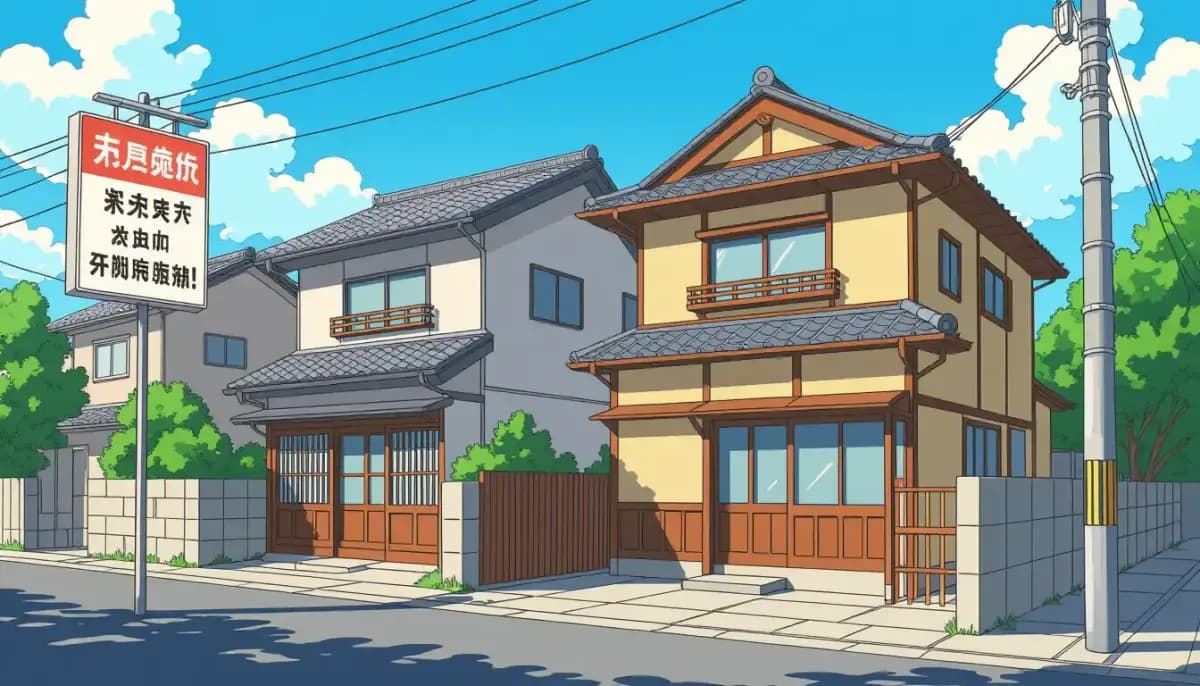
Compare the true costs of new build vs used property in Japan. Includes prices, transaction fees, renovation costs, depreciation, warranties, and mortgage tips for foreigners.
Cost Comparison: New Build vs Used Property in Japan
Deciding between a brand-new home and a pre-owned property is one of the most significant financial choices you will make when buying real estate in Japan. For foreigners navigating an unfamiliar market, understanding the true cost difference between shinchiku (新築, new construction) and chuko (中古, used/resale) properties is essential — not just the sticker price, but everything that follows. This guide breaks down the numbers, hidden fees, long-term costs, and key trade-offs so you can make a confident, informed decision.
New Build vs Used Property: Price Comparison at a Glance
The most obvious difference is the upfront purchase price. New properties carry a significant premium over used ones, and the gap is wide enough to change your entire budget strategy.
According to 2023 market data, average prices across Japan look like this:
| Property Type | New Build | Used/Resale | Savings on Used |
|---|---|---|---|
| Custom-built house + land | ¥49,000,000 ($327,000) | ¥25,000,000 ($167,000) | ~49% cheaper |
| Pre-built detached house | ¥36,000,000 ($240,000) | ¥25,000,000 ($167,000) | ~31% cheaper |
| Condominium/Apartment | ¥52,000,000 ($347,000) | ¥30,000,000 ($200,000) | ~42% cheaper |
In the Greater Tokyo area, prices are even more pronounced:
| Property Type | New Build (Tokyo) | Used (Tokyo) |
|---|---|---|
| Custom-built house + land | ¥56,000,000 ($373,000) | ¥31,000,000 ($207,000) |
| Condominium | ¥70,000,000+ | ¥35,000,000–¥45,000,000 |
On paper, used properties look like the obvious winner on price. But the full picture requires examining additional costs, depreciation, financing conditions, and long-term maintenance realities.
For a broader context on the Japanese market, see our Japan Real Estate Market Overview and Trends.
Transaction Costs: Where New and Used Properties Diverge
Beyond the purchase price, both new and used properties come with a set of transaction costs — and this is where the comparison becomes more nuanced.
New Build Transaction Costs
One of the often-overlooked advantages of new builds is that no real estate agent commission is required. You buy directly from the developer, which saves approximately 3% + ¥60,000 + consumption tax. On a ¥50 million property, that's roughly ¥1.7 million in savings on the transaction alone.
Typical costs when buying a new build in Japan:
- Stamp duty (印紙税): ¥10,000–¥60,000 depending on contract value
- Registration fees: ~2% of the property's assessed value
- Real estate acquisition tax (不動産取得税): 3% of assessed value (new builds often qualify for reductions)
- Mortgage arrangement fees: ¥500,000–¥1,000,000
- Fire and earthquake insurance: ¥100,000–¥300,000
- Condo management reserve (if applicable): ¥200,000–¥500,000 upfront
Total transaction costs: approximately 5–8% of the purchase price.
Used Property Transaction Costs
Used properties require a real estate agent commission paid by the buyer: calculated as 3% of the purchase price + ¥60,000 + 10% consumption tax. On a ¥25 million used home, this comes to approximately ¥900,000.
Other used property costs include:
- Stamp duty: Same as new builds
- Registration fees: ~2% of assessed value (often higher than new build assessed values)
- Real estate acquisition tax: 3% of assessed value
- Inspection fees (建物調査): ¥50,000–¥100,000 (strongly recommended)
- Fire and earthquake insurance: Similar to new builds
- Renovation costs: ¥3,500,000–¥20,000,000+ depending on condition
Total transaction costs for used properties: approximately 7–12% of the purchase price, potentially much higher if renovation is needed.
As a general rule, budget 10% of the property price for additional fees regardless of whether you buy new or used. For a detailed breakdown, see our guide on Hidden Costs and Fees When Buying Property in Japan.
Depreciation and Long-Term Value: Japan's Unique System
Japan's approach to property depreciation is radically different from Western markets and is critical to understand before buying.
How Japan Values Buildings
In Japan, the land value and building value are assessed separately. Land typically holds or appreciates in desirable locations — but buildings depreciate on a strict schedule:
- Wooden structures (木造): Assessed useful life of 22–30 years; value approaches zero after this period
- Reinforced concrete (RC) condominiums: Assessed useful life of 47–70 years; much slower depreciation
- Steel-frame structures: Typically 34 years useful life
This means a 30-year-old wooden house in a prime Tokyo suburb may be priced almost entirely based on the land value, with the building contributing nearly nothing to the assessed price. This creates both a challenge and an opportunity.
New Build Depreciation Shock
New homes experience their sharpest depreciation immediately after purchase. A brand-new home can lose 10–20% of its value the moment you move in, simply because it transitions from "new" to "used" in the market's eyes. This depreciation shock means new builds can be poor short-term investments — ideal if you plan to live in the property for decades, but costly if you need to sell within 5–10 years.
Used Property Depreciation Advantage
Older properties have already absorbed most of their depreciation. A 20-year-old house priced at ¥15–20 million in a suburban area represents the land value plus a modest building premium. The downside risk on further depreciation is lower, though renovation costs may offset this advantage.
For more on navigating Japan's property types and their valuation, visit Types of Properties Available in Japan: A Complete Guide.
Warranties and Condition: New Build vs Used Property
Warranties represent one of the clearest advantages of new construction in Japan.
New Build Warranty Protection
Under Japan's Housing Quality Assurance Act (住宅品質確保促進法), all new residential construction must include:
- 10-year mandatory warranty covering structural defects, foundation issues, roof waterproofing, and water intrusion
- Coverage for pillars, beams, floors, walls, and exterior weatherproofing
- Legal obligation on the developer/builder — not optional
This 10-year protection is substantial in a country where earthquakes are frequent. Knowing that your foundation and structural elements are covered gives peace of mind that no used property can match.
Used Property Warranty Realities
Used homes come with far more limited protections:
- Minimum 3-month warranty on known defects (required by law)
- Many properties are sold as-is (現状渡し), especially in private sales and akiya (abandoned homes)
- Hidden structural issues, aging plumbing, outdated wiring, and asbestos in pre-2006 homes are real concerns
- A professional home inspection (インスペクション) is highly recommended before purchasing any used property — budget ¥50,000–¥100,000
For guidance on the inspection process and legal documentation, see Legal Procedures and Documentation for Japan Property Purchase.
To learn more about new construction purchases from a foreigner's perspective, Gaijin Buy House's guide on buying new construction property in Japan provides detailed practical information.
Renovation Costs: The True Price of Used Properties
Used properties in Japan often require significant investment beyond the purchase price. This is especially true for older homes where building codes, insulation standards, and earthquake resistance requirements have changed substantially since construction.
Renovation Cost Categories
| Renovation Type | Estimated Cost |
|---|---|
| Cosmetic refresh (paint, flooring, fixtures) | ¥1,000,000–¥3,000,000 |
| Kitchen/bathroom remodel | ¥2,000,000–¥5,000,000 |
| Full interior renovation | ¥5,000,000–¥15,000,000 |
| Earthquake retrofitting (耐震補強) | ¥1,500,000–¥5,000,000 |
| Akiya full renovation | ¥3,500,000–¥20,000,000+ |
| Demolition and rebuild | ¥10,000,000–¥30,000,000+ |
Properties built before 1981 (the year Japan updated its earthquake resistance standards) may require seismic retrofitting to qualify for certain mortgage products and to ensure safety. This is a non-negotiable cost for older wooden structures in earthquake-prone areas.
One important note: if you're buying an older akiya (空き家, vacant/abandoned property), demolition costs for structures deemed beyond repair can exceed ¥1,000,000 — sometimes the seller is expected to cover this, but in a buyer's market for rural akiya, this may fall to the new owner.
For a deeper dive into the rural property opportunity, see Rural and Countryside Properties in Japan for Foreigners.
Financing: How Property Type Affects Your Mortgage Options
Your choice between new and used affects not just the price but your ability to get a mortgage as a foreigner.
New Builds and Mortgage Accessibility
New builds from established developers are generally easier to finance:
- Banks view new builds as lower-risk collateral
- Japanese government housing loan programs (フラット35) favor new construction with energy efficiency certifications
- Less documentation required since the building's condition is guaranteed
Used Property Financing Considerations
Used properties — especially older wooden homes — face additional scrutiny:
- Banks may limit loan amounts based on the remaining assessed building life, not just the land value
- A 35-year-old wooden house may receive only a land-value mortgage, meaning a lower loan ceiling
- Akiya and rural properties may be ineligible for standard bank financing altogether
Foreigner-Specific Requirements
Regardless of new or used, foreigners in Japan face specific mortgage conditions:
- Permanent residents: Access to most major banks at competitive rates (~0.7% variable, ~1.9% for 35-year fixed)
- Non-residents/non-PR: Generally require 30%+ down payment, 3+ years Japan employment history, and often a Japanese co-signer
- International fund transfers take 2–3 weeks to process — plan accordingly
See our comprehensive guide on Mortgages and Home Loans for Foreigners in Japan for full details on financing options.
Living in Nihon's guide on buying property and mortgages in Japan for foreigners is another valuable resource on navigating Japanese home financing.
Annual Running Costs: Ongoing Comparison
Beyond the purchase, annual costs differ between new and used properties.
| Annual Cost | New Build | Used Property |
|---|---|---|
| Fixed Asset Tax (固定資産税) | 1.4% of assessed value | 1.4% of assessed value |
| City Planning Tax (都市計画税) | 0.3% of assessed value | 0.3% of assessed value |
| Maintenance/repairs | Low (first 10 years) | Higher — budget ¥100,000–¥500,000/year |
| Condo management fees | ¥10,000–¥30,000/month | ¥10,000–¥30,000/month |
| Condo repair reserve fund | ¥5,000–¥20,000/month | ¥5,000–¥20,000/month (may have deficit) |
| Energy costs | Lower (modern insulation) | Higher (older construction) |
New builds benefit from modern insulation standards, energy-efficient heating and cooling systems, and double-glazed windows — meaningful cost savings in Japan's climate extremes.
For a full breakdown of ongoing ownership costs, see Property Taxes and Annual Costs of Owning Property in Japan.
Who Should Buy New vs Used: Decision Framework
The "right" choice depends heavily on your personal situation, budget, and goals.
Choose a new build if:
- You want warranty protection and minimal early maintenance costs
- You plan to live in the property for 20+ years
- Financing is easier with your current visa/residency status
- You value modern amenities, energy efficiency, and current earthquake standards
- You're buying in a competitive urban market where condition matters
Choose a used property if:
- Budget is the primary constraint and you want more square meters per yen
- You're comfortable managing renovation projects (or hiring contractors)
- You're targeting a specific location where new builds are unavailable or prohibitively expensive
- You're interested in akiya programs for rural living at very low entry prices
- You have permanent residency and strong mortgage access for more flexible financing
The hybrid approach — used property + full renovation — is increasingly popular among foreign buyers in Japan. Purchasing a structurally sound 15–25-year-old condominium and renovating the interior can deliver near-new quality at a 30–40% discount versus buying new.
For information on where to buy and how location affects this decision, explore Buying Property in Tokyo as a Foreigner and Buying Property in Osaka as a Foreigner.
Additional external resources worth reviewing: MailMate's guide to house prices in Japan provides current average price data, and Real Estate Japan's analysis of resale value explains Japan's unique depreciation dynamics in detail.
For work-related considerations when relocating to Japan, For Work in Japan offers guidance on settling into Japanese professional and residential life.
Conclusion
The cost comparison between new builds and used properties in Japan is not simply a matter of purchase price. New builds command a 30–50% premium but deliver warranty protection, modern standards, and simpler transactions. Used properties offer substantial savings but require careful due diligence on condition, renovation budgets, and financing limitations.
For foreigners buying property in Japan, the decision often comes down to three factors: how long you plan to stay, what your visa/residency status means for your mortgage options, and how much renovation work you're willing to take on. Understanding Japan's depreciation system — and pricing land and building value separately — is the key to making a truly informed comparison.
Start your journey with our Complete Guide to Buying Property in Japan as a Foreigner for a full overview of the process from search to settlement.

Originally from Vietnam, living in Japan for 16+ years. Graduated from Nagoya University, with 11 years of professional experience at Japanese and international companies. Sharing information about buying property in Japan for foreigners.
View Profile →Related Articles
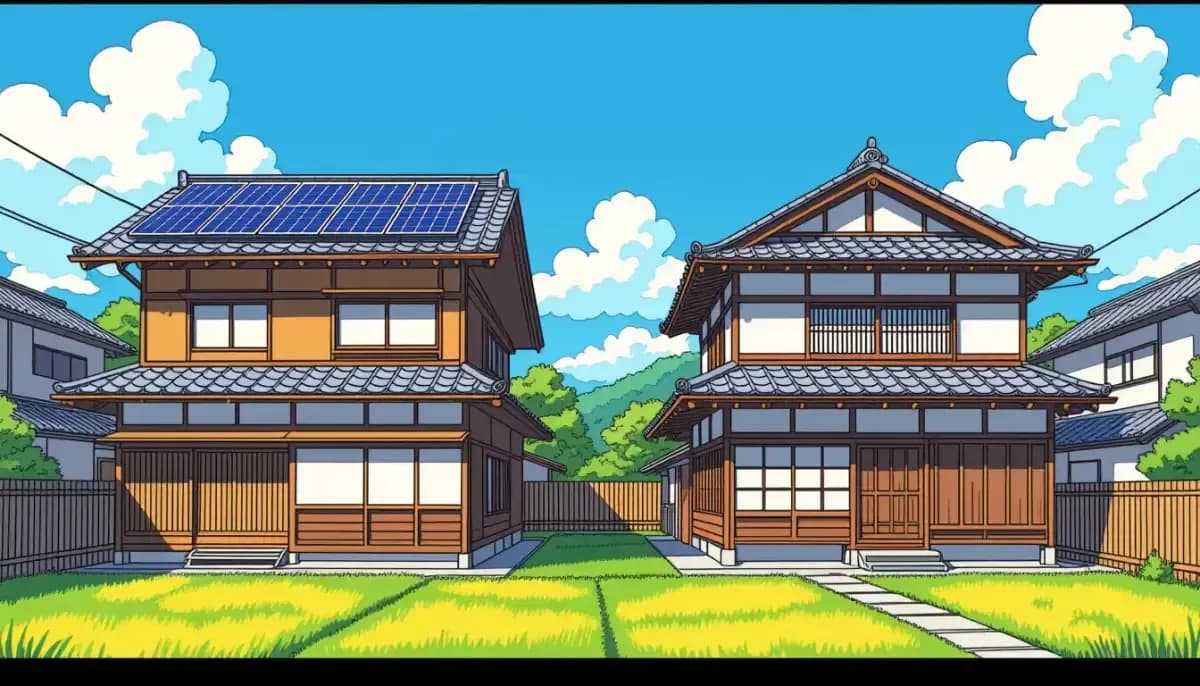
Energy Efficiency: New Homes vs Old Homes in Japan
Compare energy efficiency in new vs old homes in Japan. Learn about insulation grades, ZEH standards, utility costs, subsidies up to ¥2 million, and how to evaluate any property's energy performance as a foreign buyer.
Read more →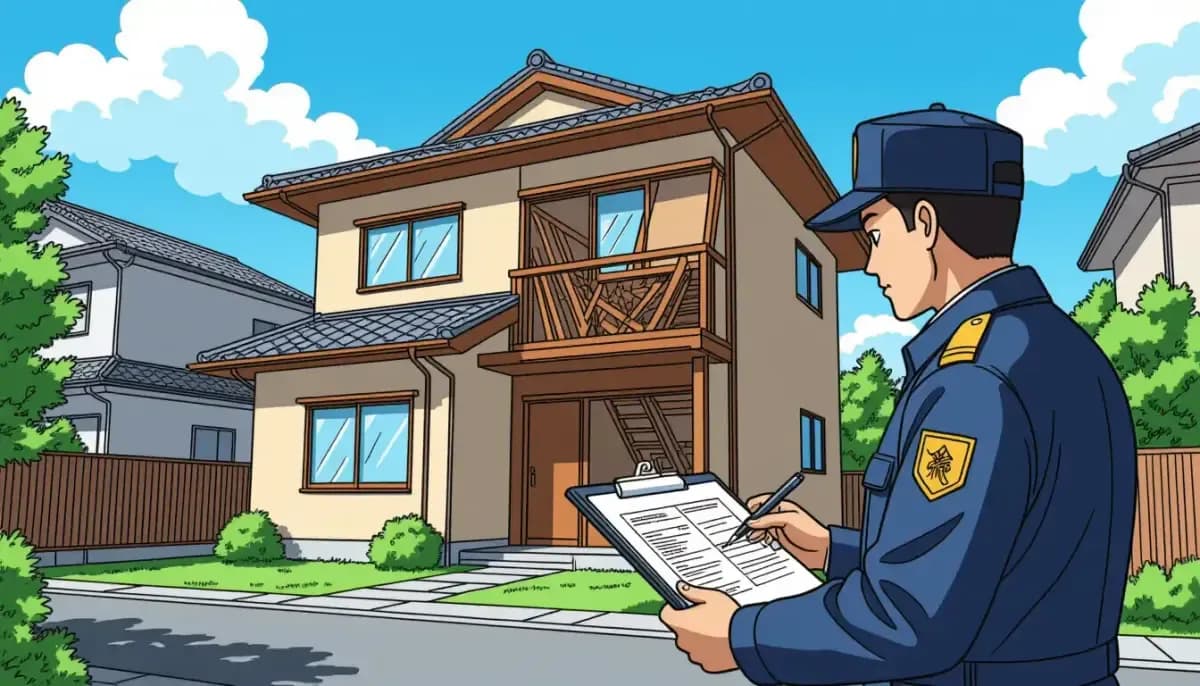
Hidden Problems in Used Properties: What to Check Before Buying
Discover the 4 types of hidden defects in Japanese used properties — physical, psychological, environmental, and legal. Complete inspection checklist, repair costs, and legal protections for foreign buyers.
Read more →
How to Choose a Developer for New Construction in Japan
Learn how to choose the right developer for new construction in Japan as a foreigner. Compare House Makers, local builders, and condo developers with tips on warranties, language support, and red flags.
Read more →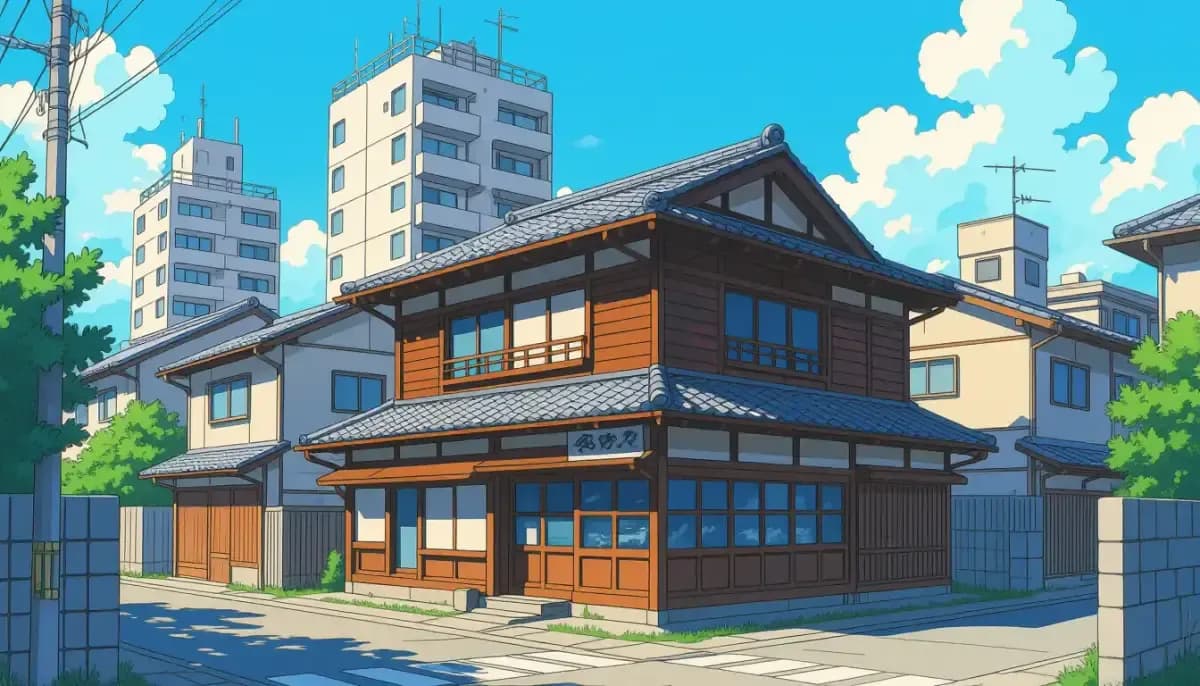
How Property Age Affects Resale Value in Japan
Learn how building age impacts resale value in Japan — statutory depreciation schedules, the critical 1981 seismic code, land vs. building value, and strategies for foreign buyers to maximize returns.
Read more →
How to Negotiate the Price of Used Property in Japan
How to negotiate used property prices in Japan as a foreigner. Covers discount ranges, cultural etiquette, offer strategies, and tips to get the best deal.
Read more →
Buying Off-Plan Property in Japan: Risks and Precautions
A comprehensive guide for foreigners on the financial, legal, construction, and market risks of buying off-plan property in Japan, with a due diligence checklist to protect your investment.
Read more →