
Machiya Renovation for Modern Living: Kyoto and Beyond

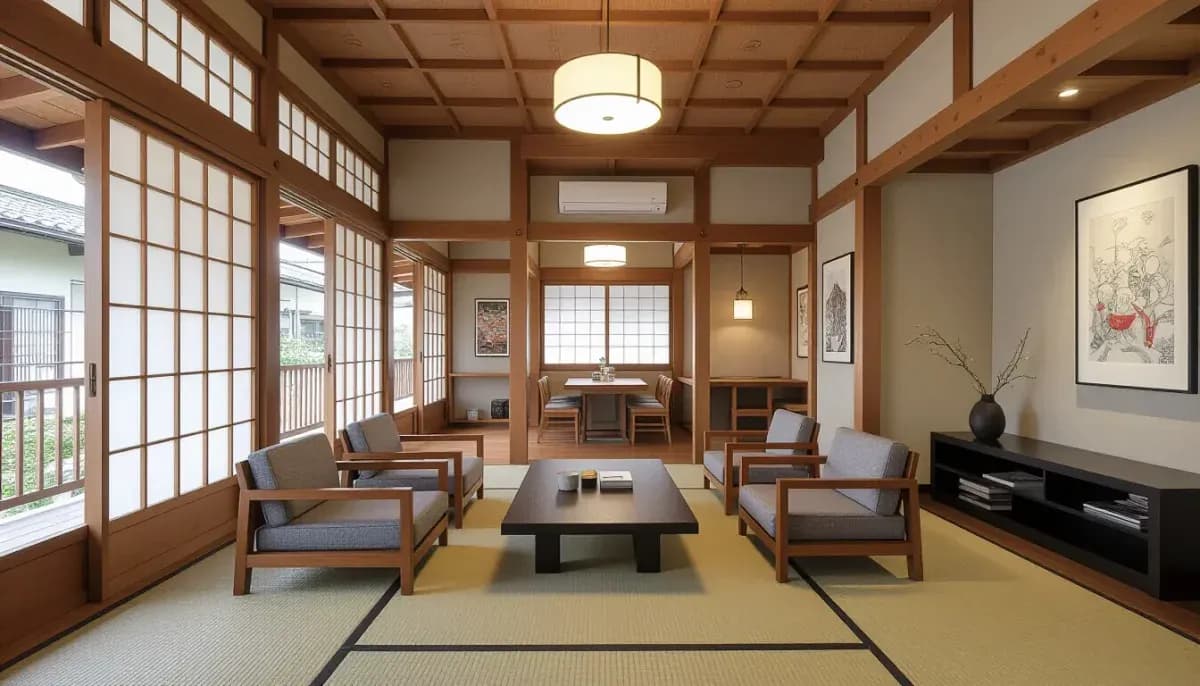
Complete guide to machiya renovation for modern living in Kyoto and beyond. Learn costs, regulations, seismic safety, finding contractors, and how foreigners can buy and renovate traditional Japanese townhouses.
Machiya Renovation for Modern Living: Kyoto and Beyond
Kyoto's narrow wooden townhouses — known as machiya — are among Japan's most distinctive architectural treasures. For foreigners dreaming of authentic Japanese living, renovating a machiya offers a rare chance to inhabit history while enjoying contemporary comforts. Yet these century-old structures come with unique challenges: aging timber, seismic concerns, legal restrictions, and spiraling renovation costs. This guide walks you through everything you need to know about machiya renovation for modern living, from understanding the architecture to navigating costs, regulations, and the renovation process itself.
Approximately 800 machiya are demolished in Kyoto every year. Between 1993 and 2003 alone, over 13% of the city's machiya disappeared. But the tide is turning — a growing movement of preservation-minded buyers, architects, and municipalities is saving these buildings by adapting them for modern life. Whether you want a family home, a short-term rental guesthouse, or a cafe-gallery hybrid, a renovated machiya can deliver an unmatched lifestyle.
What Is a Machiya and Why Does It Matter?
A machiya (町家) is a traditional Japanese wooden townhouse, typically built during the Edo and Meiji periods (roughly 1600–1912) and continuing through the early Showa era. The word literally means "town house," and machiya were the commercial and residential backbone of Japan's urban merchant districts.
The defining characteristic of a machiya is its "eel's bed" (unagino nedoko) layout: an extremely narrow street frontage — often just 3 to 5 meters wide — combined with a very deep lot stretching 20 to 40 meters back. This shape evolved from Edo-era tax laws that assessed property by street frontage width. The narrow facade minimized taxes while maximizing interior space.
Machiya are constructed almost entirely from wood, with clay walls (tsuchikabe), tile roofs, and traditional joinery that uses no nails. They typically include a ground-floor commercial space (mise-no-ma), living quarters behind and above, an interior courtyard (tsuboniwa), and a back garden. Large wooden lattice screens (koshi) on the facade provide privacy while allowing airflow and light.
Kyoto's machiya were placed on the World Monuments Watch list in 2010 and 2012, and a restored Shijo-cho machiya received the UNESCO 2018 Award of Excellence for Asia-Pacific Cultural Heritage Preservation. Beyond Kyoto, well-preserved machiya communities exist in Kanazawa, Osaka's Namba and Shinmachi districts, Nishio (Aichi), and parts of central Tokyo — though Tokyo's Edo-era machiya population is now fewer than 2% of the original stock.
Understanding the Legal Framework Before You Buy
Machiya renovation in Japan sits at the intersection of property law, historic preservation law, and the Building Standards Law (Kenchiku Kijun Ho). Understanding these rules is essential before you sign any contracts.
Building Standards Law and "Existing Non-Conforming" Status
Most machiya predate the 1950 Building Standards Law and do not meet current structural codes. They are classified as kizon futenpo — existing non-conforming buildings. This status has critical implications for renovation:
- Minor repairs and maintenance do not trigger mandatory compliance upgrades. You can replace roof tiles, repair up to 50% of roof rafters, repaint clay walls, repair bamboo wall substrates (under 50% of wall area), replace up to 50% of structural columns and beams, and install or modify staircases — all without triggering full code compliance.
- Large-scale structural replacement (over 50% of the main structure) triggers mandatory upgrades to meet current seismic and fire codes, which can add millions of yen to your budget.
Kyoto's Machiya Preservation Ordinance
Kyoto enacted a dedicated "Machiya Ordinance" that defines machiya as wooden houses built before 1950 using traditional construction techniques. Under this ordinance:
- Owners must give one year's advance notice before demolition, giving preservation groups time to intervene or find alternative buyers.
- Properties in designated scenic and historic districts (rekishiteki fūkei) face additional restrictions on facade modifications.
- Some areas require maintaining traditional exterior appearances even when modernizing interiors.
Subsidies and Financial Support
Both national and local governments offer financial incentives for machiya renovation. Kanazawa city, for example, offers subsidies up to ¥15,000,000 JPY for repairs in Important Traditional Architecture Preservation Areas (Jūyō Dentōteki Kenzobutsu Gunho). Kyoto, Osaka, and other cities have their own programs. Check with the local municipal office (shiyakusho) before finalizing renovation plans, as available subsidies can meaningfully offset costs.
For foreigners, the good news is clear: there are no legal restrictions on foreigners owning property in Japan. No citizenship, visa, or residency status is required to purchase real estate. However, financing through a Japanese mortgage may require proof of income and residency — see our guide on Mortgages and Home Loans for Foreigners in Japan for details.
Renovation Costs: What to Really Expect
Budgeting for machiya renovation is notoriously difficult, because these buildings frequently conceal serious problems beneath their beautiful exteriors. Here's a realistic breakdown:
| Renovation Scope | Estimated Cost (JPY) | Notes |
|---|---|---|
| Basic cosmetic refresh | ¥3M – ¥8M | Paint, fixtures, kitchen update |
| Moderate renovation | ¥8M – ¥18M | Bathroom, electrical, partial structure |
| Full renovation (livable) | ¥15M – ¥30M | New plumbing, seismic work, all rooms |
| Complete restoration | ¥30M – ¥60M | Museum-quality, traditional materials |
| New machiya construction | ~¥50M | Replicated from scratch by master carpenters |
| Hidden damage escalation | +¥5M – ¥15M | Rot, termites, foundation issues |
A common real-world scenario: a buyer budgets ¥10 million for renovation, then discovers extensive rot in the foundation posts, termite damage in the floor joists, and a deteriorated clay wall requiring complete rebuilding. The final bill climbs to ¥18–25 million. This is not unusual — it is the norm for machiya over 80 years old.
Cost-saving strategies:
- Hire a direct master carpenter (daiku) rather than a general contractor — this can save 20–40% on labor costs, though it requires more hands-on coordination and some Japanese language ability.
- Phase the renovation over several years, prioritizing structural and moisture issues first.
- Preserve original materials where possible — replacing traditional clay walls with modern drywall is cheaper short-term but destroys character and resale value.
- Apply for municipal subsidies before work begins — many programs require advance approval.
For broader renovation cost context in Japan, this 2026–2027 renovation cost guide covers machiya alongside akiya and condominium renovations.
Key Renovation Challenges and How to Handle Them
1. Seismic Safety
This is the single most important technical challenge in machiya renovation. Machiya were built using traditional flexible timber joinery that can absorb earthquake energy, but their interior walls — those seemingly removable partitions — are often critical earthquake-resisting components.
Many buyers and contractors make the mistake of removing interior walls to create open-plan layouts without properly compensating for the lost structural resistance. Yamada Architecture's renovation guide specifically flags this as the number one structural risk: removing load-bearing or shear walls without engineering review can compromise the entire building's seismic performance.
Best practice: Commission a structural engineering assessment (kōzō keisan) before any wall removal. Design seismic retrofitting as an integrated part of the renovation, not an afterthought. Modern steel bracing and plywood shear panels can be concealed within traditional-looking walls.
2. Moisture and Rot
Machiya's clay walls, wooden floors, and lack of modern waterproofing make them vulnerable to moisture intrusion. Ground-floor posts sitting on stone foundations without moisture barriers are particularly susceptible. Always commission a thorough inspection focusing on:
- Post bases and floor joists for rot and termite damage
- Roof structure for water infiltration
- Clay wall condition and bamboo substrate integrity
- Bathroom and kitchen drainage
3. Insulation and Thermal Comfort
Traditional machiya have almost no insulation. Kyoto's climate — hot and humid in summer, cold in winter — means that without upgrades, energy bills will be high and comfort low. Modern renovation typically adds:
- Floor insulation (rigid foam board under new flooring)
- Roof and ceiling insulation (spray foam or batts in the roof space)
- Window improvements (interior secondary glazing to preserve traditional exterior appearance)
- The traditional tsuboniwa (interior courtyard) can serve as a natural ventilation stack if properly designed
4. Plumbing and Electrical
Most machiya require complete replacement of plumbing and electrical systems. Galvanized steel pipes (common before the 1970s) will have corroded; old aluminum or knob-and-tube wiring is a fire hazard. Budget for full replacement as a baseline, not an optional upgrade.
Finding the Right Architect and Contractor
The machiya renovation ecosystem has matured significantly since Kohei Nishimura of Hachise Co., Ltd. pioneered the commercial machiya renovation market starting in 1999. Today, several specialist firms operate in Kyoto and other machiya-rich cities:
- Hachise Co., Ltd. — Kyoto's leading machiya renovator, offers both renovated properties for sale and renovation services
- AIC Kyoto — Architectural firm specializing in machiya with an extensive portfolio
- Koryoya — Specialist in traditional Japanese houses for foreigners, with FAQ resources in English
For foreigners, working with firms that have English-language capability is strongly recommended. The renovation process involves numerous technical decisions about traditional materials, structural approaches, and municipal applications where clear communication is essential.
Heritage Homes Japan documents the renovation journey of a Kyoto machiya in detail, providing a realistic picture of the timeline and decision points involved.
Machiya Beyond Kyoto: Other Cities Worth Exploring
While Kyoto's machiya are the most celebrated, other cities offer compelling alternatives — often at lower purchase prices and with less regulatory complexity.
| City | Machiya Character | Price Range | Notes |
|---|---|---|---|
| Kyoto | Classic kyo-machiya, highest preservation | ¥20M – ¥80M+ | Strictest regulations, best support ecosystem |
| Kanazawa | Well-preserved merchant districts | ¥10M – ¥40M | Strong subsidies, less international competition |
| Osaka | Urban machiya, commercial areas | ¥15M – ¥50M | Good for guesthouse/cafe conversion |
| Nagoya | Nishio and surrounding areas | ¥8M – ¥30M | Less tourism pressure, growing interest |
| Nara | Near UNESCO sites | ¥12M – ¥45M | Strict preservation rules in core areas |
Kanazawa deserves special mention: the city's Higashi Chaya and Kazuemachi geisha districts contain among the best-preserved machiya streetscapes in Japan outside Kyoto, and the city's preservation subsidies are among Japan's most generous. See our guide on Buying Property in Hokkaido as a Foreigner and Buying Property in Nagoya and Chubu Region for regional property purchasing context.
Modern Uses for Renovated Machiya
A renovated machiya's flexible, layered spaces make it well-suited to a range of contemporary uses:
Private Residence: The most common use. Traditional tatami rooms, wooden beams, and interior courtyard create a living environment impossible to replicate in modern construction. Monthly rental for a pre-renovated machiya in Kyoto typically runs ¥120,000–¥300,000.
Guesthouse / Minpaku: Short-term rental (Airbnb-style) machiya are in enormous demand in Kyoto. A well-renovated property can generate ¥500,000–¥1,500,000/month in peak seasons. Note that minpaku licensing requires compliance with the 2018 Home Sharing Law (Jūtaku Kankogyōhō).
Cafe or Restaurant: The ground-floor mise-no-ma commercial space was literally designed for retail — many successful Kyoto cafes, galleries, and restaurants occupy renovated machiya.
Gallery or Cultural Space: International organizations and foundations have recognized the cultural value of machiya as venues for art and cultural exchange.
For a comprehensive overview of the property buying process, visit Living in Nihon for expat living insights, For Work in Japan for working and living context, and Gaijin Buy House for foreigner-focused real estate guidance.
Step-by-Step: The Machiya Renovation Process
- Find and inspect the property — Use specialist agents or platforms like Koryoya. Commission a thorough inspection (kantei) by a certified inspector and a structural assessment.
- Confirm legal status — Verify the building's conformity status, any preservation designations, and demolition history. Check with the ward office (kuyakusho) for any encumbrances.
- Assemble your team — Architect (preferably machiya-specialist), structural engineer, contractor or master carpenter, and a bilingual legal representative if needed.
- Design phase — Develop renovation plans that balance modern needs with preservation. Submit to the municipality for any required permits and subsidy applications.
- Construction phase — Typically 6–18 months for full renovation. Expect surprises and budget a 20–30% contingency.
- Inspections and sign-off — Final building inspection, utility connections, and registration of any changes with the Legal Affairs Bureau.
For full context on the legal and documentation aspects of Japanese property purchases, see our guide on Legal Procedures and Documentation for Japan Property Purchase and our overview of Hidden Costs and Fees When Buying Property in Japan.
Is Machiya Renovation Right for You?
Machiya renovation is not for everyone. It requires patience, significant capital, risk tolerance for unexpected discoveries, and often some Japanese language ability or a trusted bilingual partner. But for those willing to take it on, the reward is extraordinary: a home that embodies centuries of Japanese craft and culture, adapted for the way you want to live today.
The World Monuments Fund describes machiya as "irreplaceable examples of urban heritage." The preservation movement has shown that these buildings can survive and thrive in the modern city — but only if enough people choose to invest in them. As a foreign buyer, you bring not just capital but fresh perspectives on how these spaces can serve contemporary life, contributing to the preservation of something genuinely irreplaceable.
For more on buying traditional properties in Japan as a foreigner, explore our guides on Rural and Countryside Properties in Japan for Foreigners and Types of Properties Available in Japan. For the full purchase process overview, see Step-by-Step Home Buying Process in Japan for Foreigners.
Additional resources:

Originally from Vietnam, living in Japan for 16+ years. Graduated from Nagoya University, with 11 years of professional experience at Japanese and international companies. Sharing information about buying property in Japan for foreigners.
View Profile →Related Articles
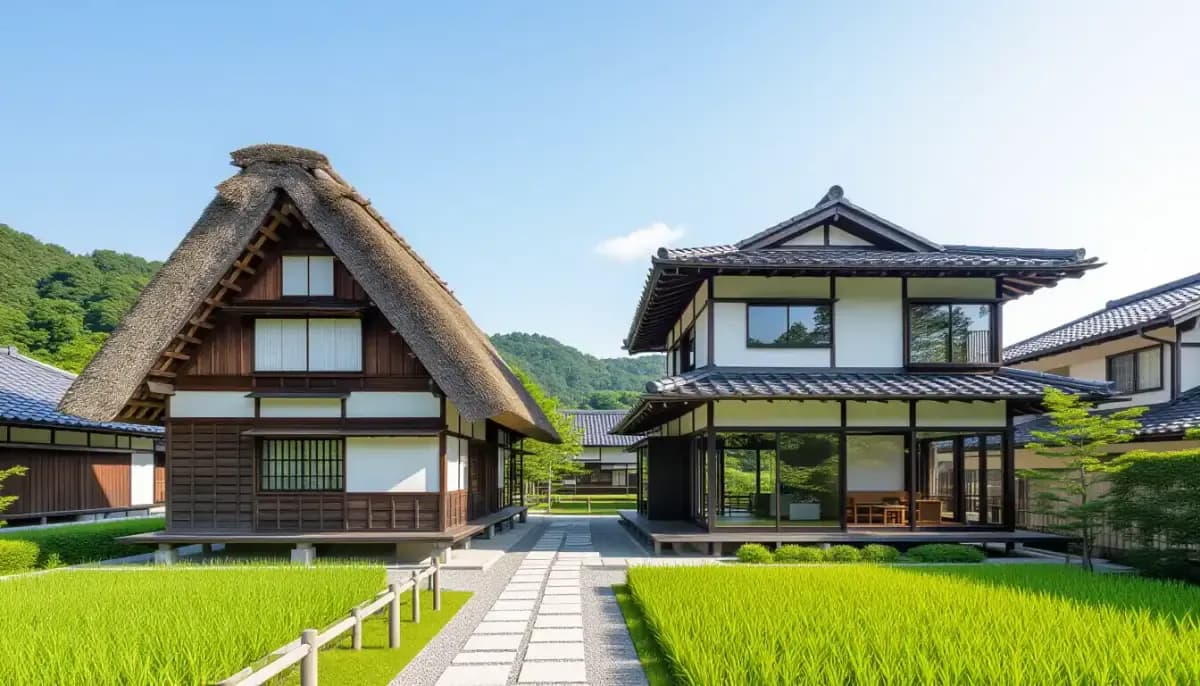
Traditional vs Modern House in Japan: Lifestyle Comparison
Compare traditional Japanese houses (kominka, machiya) vs modern homes for foreign buyers. Costs, comfort, cultural experience, and practical buying advice for expats in Japan.
Read more →
Kominka Structural Assessment and Safety Guide Before Buying
Complete guide to kominka structural assessment before buying in Japan. Covers 12-point inspection checklist, seismic safety standards, termite risks, inspection costs, and critical red flags to help foreign buyers make informed decisions.
Read more →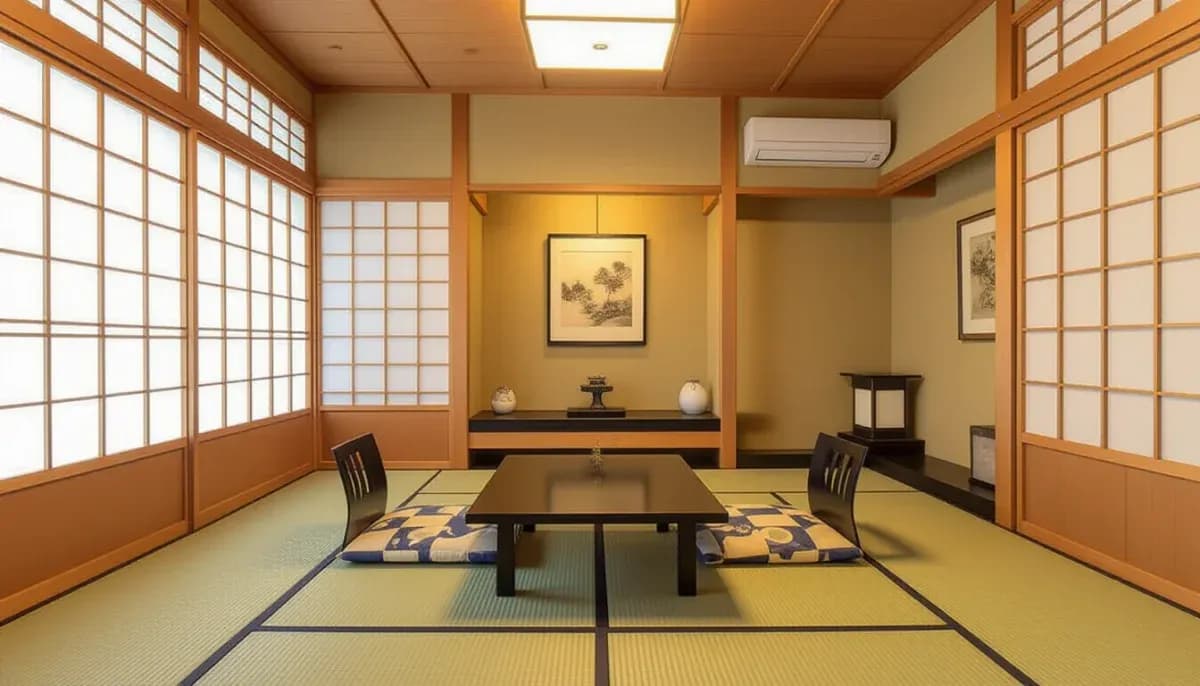
Traditional Japanese House Interior Design and Decoration Ideas
Discover traditional Japanese house interior design ideas: tatami rooms, shoji screens, tokonoma alcoves, and low furniture. A practical guide for foreigners decorating a Japanese home.
Read more →
Where to Find Kominka for Sale in Japan: Resources and Platforms
Discover the best platforms and resources to find kominka for sale in Japan. From KORYOYA to akiya banks, this guide covers every tool foreigners need to buy a traditional Japanese farmhouse.
Read more →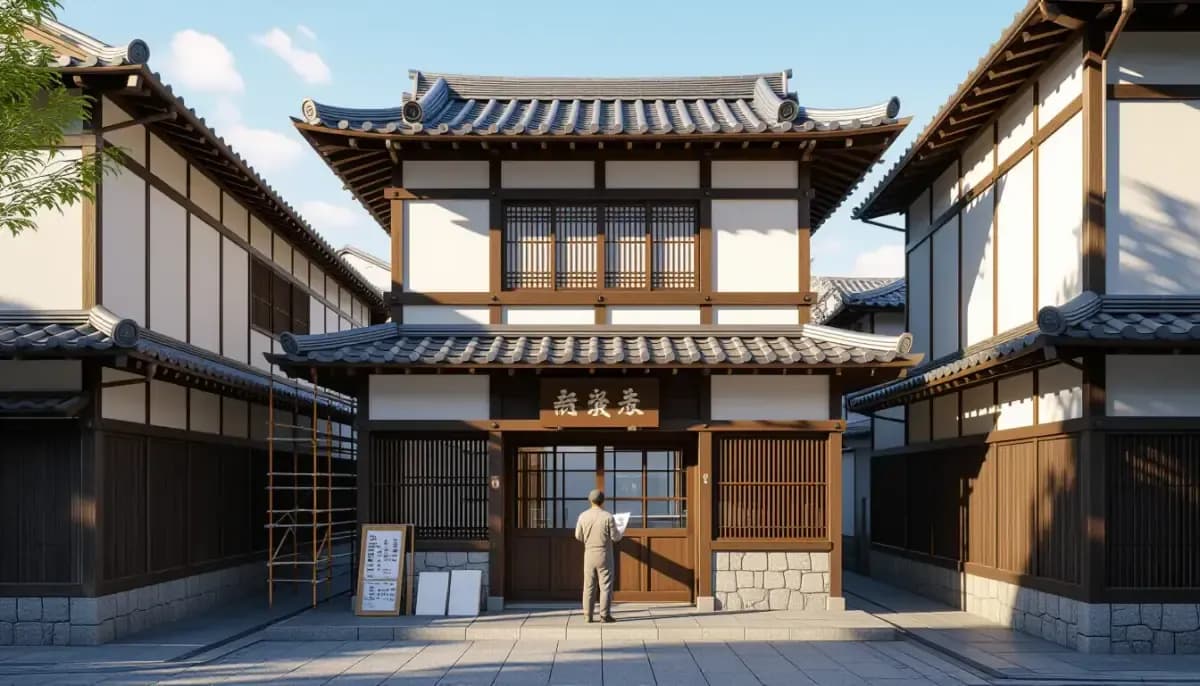
Cultural Preservation Rules for Kominka and Machiya Owners
A complete guide to Japan's cultural preservation rules for kominka and machiya owners: designation tiers, renovation approval requirements, Kyoto's Machiya Ordinance, the 2023 Vacant Home Law, and practical steps for foreign property owners.
Read more →
Heating and Insulation Challenges in Traditional Japanese Houses
Traditional Japanese houses are notoriously cold in winter due to poor insulation and design for summer ventilation. Learn why, and how to fix it as a foreign buyer or renter with practical renovation tips and budget guides.
Read more →