
What Is a Kominka? Guide to Japan's Traditional Farmhouses

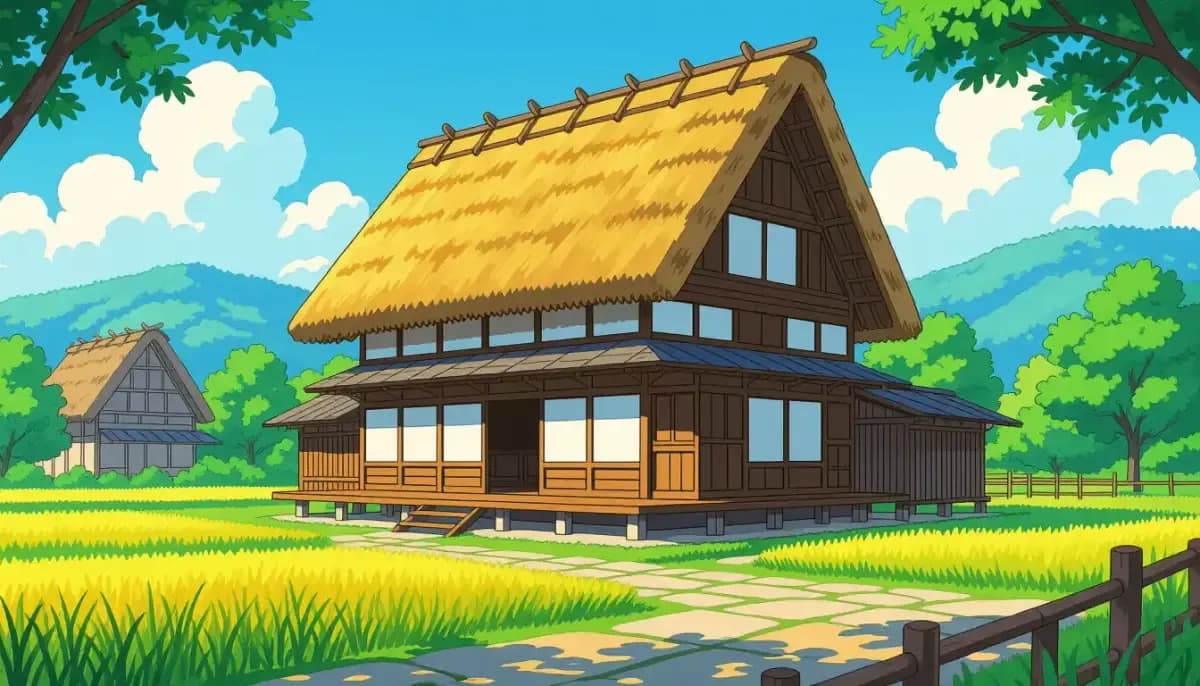
Discover what a kominka is, its architectural features, costs, and how foreigners can buy and renovate these traditional Japanese farmhouses. Complete guide for expats.
What Is a Kominka? Complete Guide to Japan's Traditional Farmhouses
Japan's countryside hides a treasure that more foreigners are discovering every year: the kominka (古民家). These ancient farmhouses, some standing for centuries, offer a rare chance to own a piece of living Japanese history — often at a fraction of the cost of a modern home. But what exactly is a kominka, and is buying one a realistic dream for a foreigner? This guide answers every question you need to know.
What Does "Kominka" Mean?
The word kominka (古民家) literally translates to "old folk house" or "old private dwelling" — combining ko (古, old/ancient), min (民, people/folk), and ka (家, house). In practice, the term refers to traditional Japanese houses typically built before World War II, with many dating back to the Edo Period (1603–1868) or even earlier.
The word is broad and covers several styles of traditional Japanese architecture:
| Type | Japanese | Description |
|---|---|---|
| Noka | 農家 | Rural farmhouse, often with large thatched roof |
| Machiya | 町屋 | Urban townhouse, typically a narrow shopfront dwelling |
| Minka | 民家 | General folk house (kominka is a subset) |
| Gasshō-zukuri | 合掌造り | Steeply pitched thatched-roof farmhouse (Shirakawa-go style) |
| Samurai residence | 武家屋敷 | Former warrior-class dwelling |
When most people — especially foreigners — say "kominka," they're picturing a rural noka: a sprawling farmhouse with thick thatched or tiled roofs, dark timber beams, earthen floors, and a large central hearth. This guide focuses primarily on that classic rural farmhouse type.
Architectural Features of a Traditional Kominka
A kominka is far more than just an old building. It represents centuries of refined Japanese craftsmanship and an intimate relationship with the natural environment. Here are the defining architectural features:
Structural Timber and Joinery
Kominka are built entirely from wood, using advanced traditional joinery techniques where beams and posts interlock without a single nail. The timber used — often Japanese cypress (hinoki, 檜), zelkova (keyaki, 欅), or pine — is frequently irreplaceable today. These beams darken and strengthen with age, developing a deep patina that modern construction cannot replicate.
The Earthen Floor (Doma)
At the entrance of most rural kominka is the doma (土間), a packed-earth or stone-floored area that traditionally served as a workspace for farming tools, cooking, and animal keeping. Many buyers today convert this space into a modern kitchen, studio, or café.
Irori (Sunken Hearth)
The irori (囲炉裏) — a square pit cut into the wooden floor — was the heart of traditional farmhouse life. Used for heating, cooking, and smoking food, an irori also helped preserve the wooden ceiling by coating beams in protective soot. Many restored kominka keep the irori as a dramatic design centerpiece.
Tatami Rooms and Sliding Doors
The living spaces feature tatami (畺) mat flooring, separated by fusuma (opaque sliding panels) or shoji (translucent paper-and-wood screens). This modular layout means interior spaces can be opened up or divided as needed — a surprisingly flexible floor plan.
Roofing
The most dramatic element of a rural kominka is often its roof. Kayabuki (茅葺き) — thick thatched roofing using miscanthus grass — creates a heavy, sculpted crown that provides natural insulation. Some regions use heavy clay kawara tiles instead. Either way, kominka roofs require specialist maintenance and are a significant cost factor in renovation.
How Many Kominka Exist in Japan?
Japan's rural depopulation crisis has created a paradox: traditional farmhouses are disappearing faster than they can be preserved, yet there are more vacant ones available than ever before.
- ~120,000 traditional kominka have survived to the present day
- ~210,000 vacant kominka have been identified by the Development Bank of Japan (DBJ)
- Kyoto Prefecture alone had approximately 9,700 vacant kominka as of 2022
- Japan's total vacant housing stock exceeds 8 million properties nationwide
The DBJ has projected that renovating and revitalizing kominka could stimulate local economies by 1.8 trillion yen and attract significant foreign tourism spending. This has prompted national and prefectural governments to offer subsidies and support programs for buyers willing to take on restoration projects.
For more context on Japan's broader rural property market, see our guide to Rural and Countryside Properties in Japan for Foreign Buyers.
Where Are the Most Famous Kominka Regions?
While kominka exist in every prefecture, certain regions are particularly celebrated for their concentration of preserved traditional architecture:
| Region | Prefecture | Famous For |
|---|---|---|
| Shirakawa-go | Gifu | UNESCO World Heritage gasshō-zukuri farmhouses |
| Hida Takayama | Gifu | Preserved Edo-era merchant town and rural farmhouses |
| Kayabuki no Sato | Kyoto | Picturesque thatched-roof village in Miyama |
| Iya Valley | Tokushima | Remote mountain village with ancient vine bridges |
| Kurashiki Bikan | Okayama | Historic merchant district with white-walled warehouses |
| Noto Peninsula | Ishikawa | Coastal kominka, popular post-earthquake revitalization area |
| Tsumago & Magome | Nagano | Post towns on the historic Nakasendo trail |
Each region has distinct architectural styles and renovation ecosystems. Shirakawa-go's gasshō-zukuri are protected UNESCO sites and generally cannot be purchased; however, the surrounding countryside is full of buyable farmhouses in similar styles.
Can Foreigners Buy a Kominka in Japan?
Yes — and this is one of the most foreigner-friendly aspects of Japanese property law. Foreigners have essentially the same property rights as Japanese citizens when it comes to purchasing real estate, including kominka. There are no nationality-based restrictions on buying private residential property.
Key points for foreign buyers:
- No residency requirement — you do not need to live in Japan or hold a visa to purchase property
- No foreign investment approval needed for standard residential purchases
- As of April 2024: Foreign buyers without a Japanese address must designate a domestic "contact person" (国内連絡先) for official communications
- Farmland rules: If a kominka comes with attached agricultural land (田畑), special permits are required from the local Agricultural Committee — this can be a significant hurdle
For a full breakdown of foreigner property rights, see Can Foreigners Buy Property in Japan? Legal Rights and Restrictions.
The Mortgage Challenge
The biggest practical barrier for foreign buyers is financing. Most Japanese banks require permanent residency (永住権) or a Japanese citizen spouse as a condition for mortgage approval. As a result, the majority of foreign kominka buyers pay cash.
This actually works in buyers' favor — kominka prices are low enough that all-cash purchases are achievable, and sellers often prefer the simplicity of a cash deal. For more on financing options, see our guide on Mortgages and Home Loans for Foreigners in Japan.
How Much Does a Kominka Cost?
Kominka prices vary enormously based on location, condition, size, and what's included with the property:
| Scenario | Price Range (JPY) | Price Range (USD approx.) |
|---|---|---|
| Akiya bank / near-free listing | ¥0 – ¥500,000 | $0 – $3,300 |
| Basic rural kominka (needs full renovation) | ¥2M – ¥8M | $13,000 – $53,000 |
| Move-in ready / partially renovated | ¥10M – ¥25M | $66,000 – $165,000 |
| Fully renovated / premium location | ¥30M – ¥80M+ | $200,000 – $530,000+ |
| Full renovation cost (per sqm) | ~¥275,000/sqm | ~$1,830/sqm |
Investment returns can be significant. One documented example near Mt. Fuji: a kominka purchased for ¥5–6 million, renovated for approximately ¥5 million, was resold for ¥15–18 million — a 50–80% gross return. Kyoto machiya (urban townhouses) converted to guesthouses have generated rental income of ~¥8 million per year.
The Hidden Costs and Fees When Buying Property in Japan guide covers the transaction costs you should budget for beyond the purchase price.
What Does Kominka Renovation Involve?
Buying a kominka almost always means taking on a renovation project. Here's what to expect:
Structural Assessment
Before anything else, hire a kominka inspector (古民家鑑定士) — a certified specialist in traditional Japanese construction. Most kominka predate Japan's 1981 updated earthquake resistance standards, and while their flexible traditional structure (柔構造) has natural seismic resilience, a professional assessment is essential.
Key issues to check:
- Termite (シロアリ) damage — extremely common in old timber
- Foundation settling and rot in ground-contact posts
- Roof condition (thatched roofs need replacement every 20–40 years)
- Plumbing and electrical systems (often entirely absent or obsolete)
Insulation and Comfort
Traditional kominka were not designed for modern heating comfort. The large, drafty spaces that look atmospheric in summer can be brutally cold in winter. Modern renovations typically add:
- Under-floor insulation
- Double-glazed window replacements
- Ceiling insulation above the tatami rooms
- Wood stoves or pellet heaters (these complement the aesthetic beautifully)
Preserving the Irreplaceable
The most important renovation principle: preserve the original timber. The aged hinoki beams, darkened irori ceiling boards, and hand-crafted joinery are the soul of a kominka — and they cannot be reproduced. Good renovation wraps modern comforts around these irreplaceable elements rather than replacing them.
For specialist kominka real estate listings and renovation support, KORYOYA is one of Japan's most respected agencies working with foreign buyers.
Kominka as Investment or Business Opportunity
Beyond personal use as a residence, many buyers develop kominka into income-generating properties:
- Boutique guesthouses and ryokan — kominka make exceptional accommodations
- Cafés and restaurants — the atmosphere is unmatched
- Art galleries and studios — large doma floors and high ceilings work well
- Remote work retreats — growing market post-COVID
- Short-term vacation rentals (Airbnb, etc.)
The DBJ estimates that approximately 7,400 renovated kominka are needed to meet potential foreign tourist demand — suggesting significant market opportunity for early movers.
For guidance on the broader property buying process, the Step-by-Step Home Buying Process in Japan for Foreigners covers the full transaction timeline.
Resources for Foreign Kominka Buyers
Finding and buying a kominka requires navigating specialist channels that differ from standard real estate transactions:
- KORYOYA — English-language specialist in kominka sales for foreign buyers
- Kominka Bank (Kominka Matching) — online platform connecting kominka sellers with buyers
- Heritage Homes Japan — detailed English guidance on traditional Japanese property types
- Inaka Lifestyle — community and resources for rural Japan living
- Living in Nihon — expat living guides for Japan
- For Work in Japan — resources for foreigners building a life in Japan
- Gaijin Buy House — foreign buyer-focused property resources
Is Buying a Kominka Right for You?
A kominka is not for everyone. It's a commitment — of money, time, and patience — that rewards those who approach it with realistic expectations and genuine appreciation for Japanese heritage.
You might be a great kominka buyer if you:
- Want a large, distinctive home for significantly less than urban prices
- Are comfortable with a long-term renovation project
- Value authenticity and connection to Japanese cultural history
- Have cash available (or can access financing independently)
- Are open to rural or semi-rural living
You should think carefully if you:
- Need urban convenience or reliable public transport
- Require immediate move-in condition
- Are relying on Japanese bank financing
- Have a tight renovation budget with no contingency
For a complete picture of what property ownership in Japan involves, start with our Complete Guide to Buying Property in Japan as a Foreigner.
Final Thoughts
A kominka is more than a house — it's a living document of Japanese craft, community, and history. For the right buyer, purchasing and restoring one of these ancient farmhouses is among the most rewarding property decisions available anywhere in the world. Japan's combination of low rural property prices, foreigner-friendly ownership laws, and extraordinary architectural heritage creates an opportunity that is genuinely unique.
The 210,000+ vacant kominka waiting across Japan's countryside won't be available forever. Rural depopulation continues, and every year some of these irreplaceable structures are demolished. For those considering the leap, there has never been a better time to explore what kominka ownership could mean for you.
For further reading on buying property in Japan as a foreigner, explore the Japan Real Estate Market Overview and Trends and our regional guides to buying in Kyoto — a city with one of Japan's highest concentrations of buyable traditional properties.

Originally from Vietnam, living in Japan for 16+ years. Graduated from Nagoya University, with 11 years of professional experience at Japanese and international companies. Sharing information about buying property in Japan for foreigners.
View Profile →Related Articles
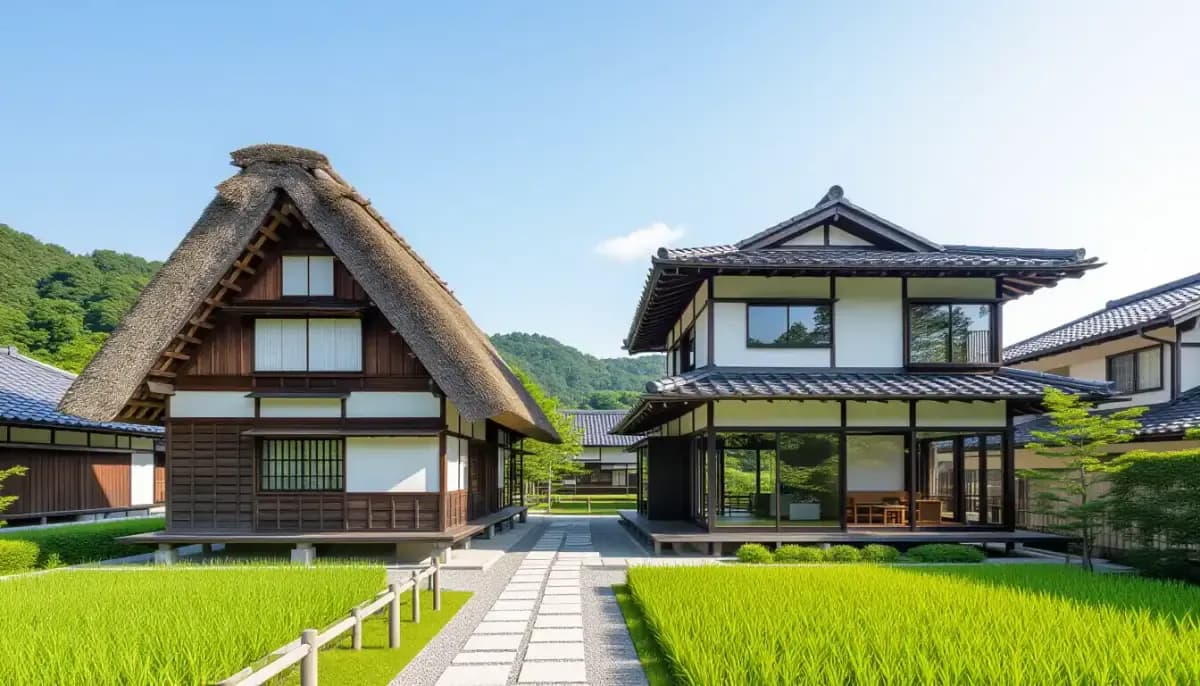
Traditional vs Modern House in Japan: Lifestyle Comparison
Compare traditional Japanese houses (kominka, machiya) vs modern homes for foreign buyers. Costs, comfort, cultural experience, and practical buying advice for expats in Japan.
Read more →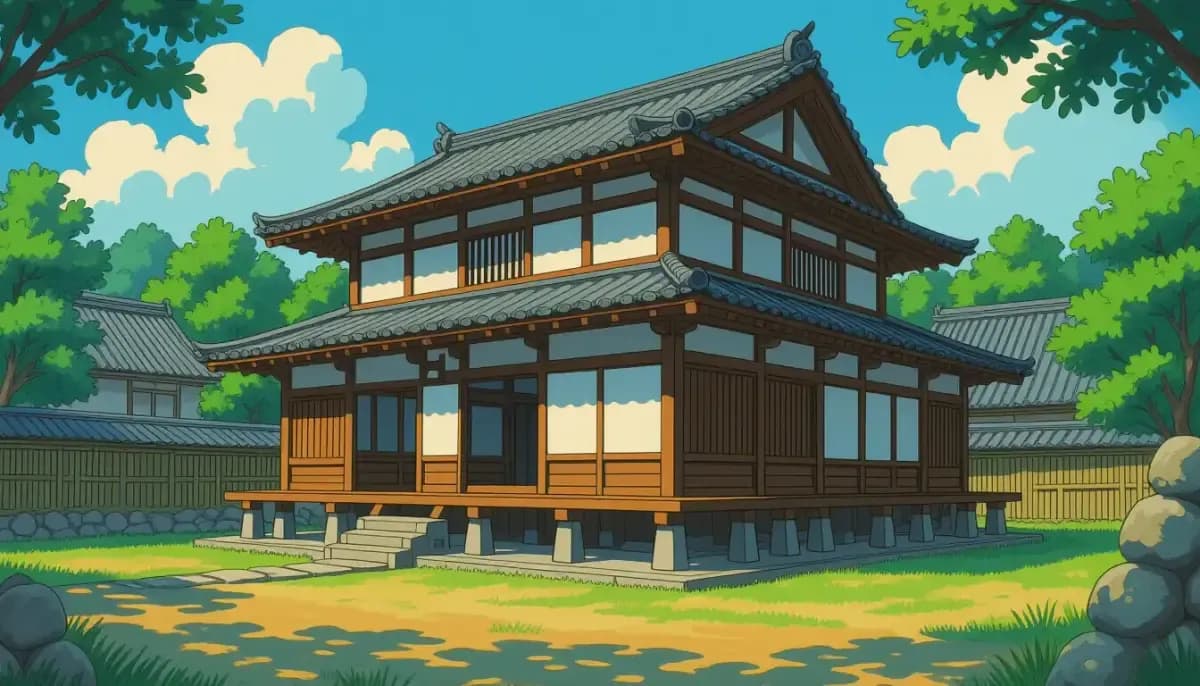
Kominka Structural Assessment and Safety Guide Before Buying
Complete guide to kominka structural assessment before buying in Japan. Covers 12-point inspection checklist, seismic safety standards, termite risks, inspection costs, and critical red flags to help foreign buyers make informed decisions.
Read more →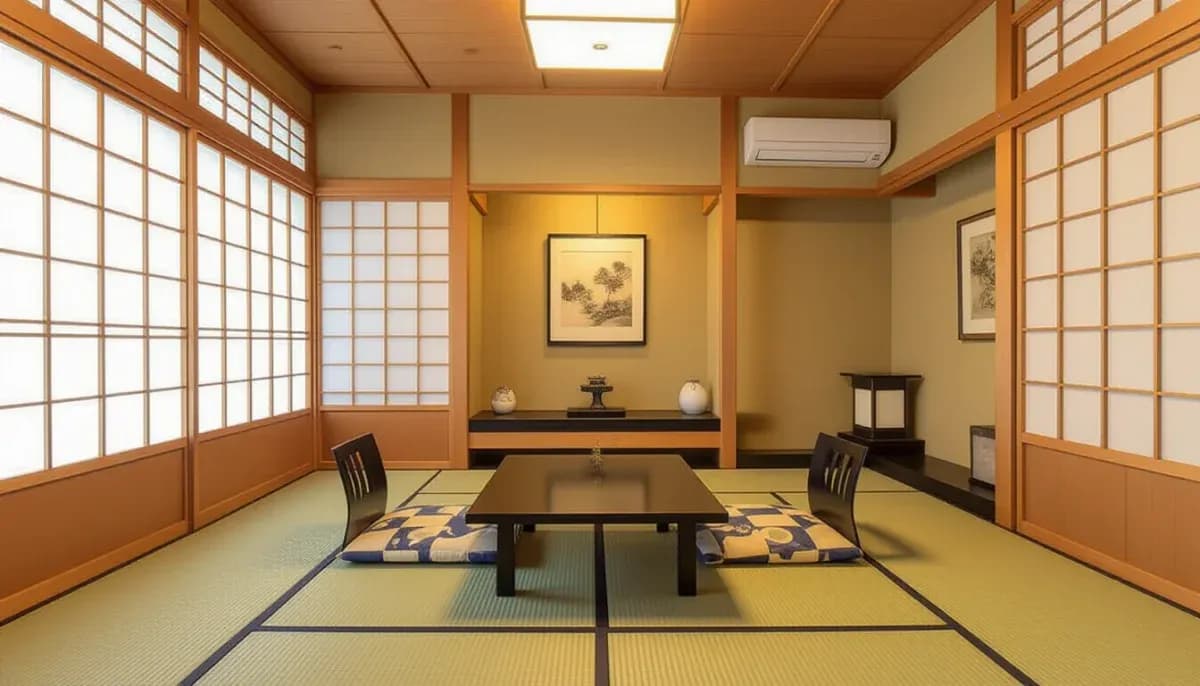
Traditional Japanese House Interior Design and Decoration Ideas
Discover traditional Japanese house interior design ideas: tatami rooms, shoji screens, tokonoma alcoves, and low furniture. A practical guide for foreigners decorating a Japanese home.
Read more →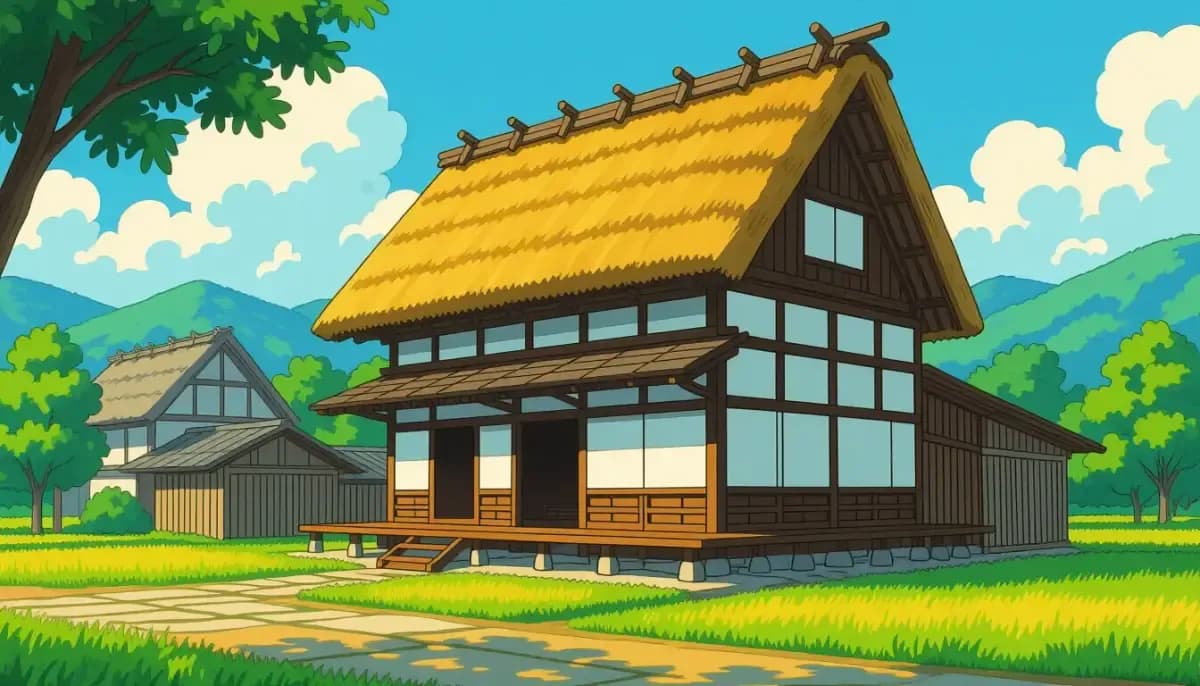
Where to Find Kominka for Sale in Japan: Resources and Platforms
Discover the best platforms and resources to find kominka for sale in Japan. From KORYOYA to akiya banks, this guide covers every tool foreigners need to buy a traditional Japanese farmhouse.
Read more →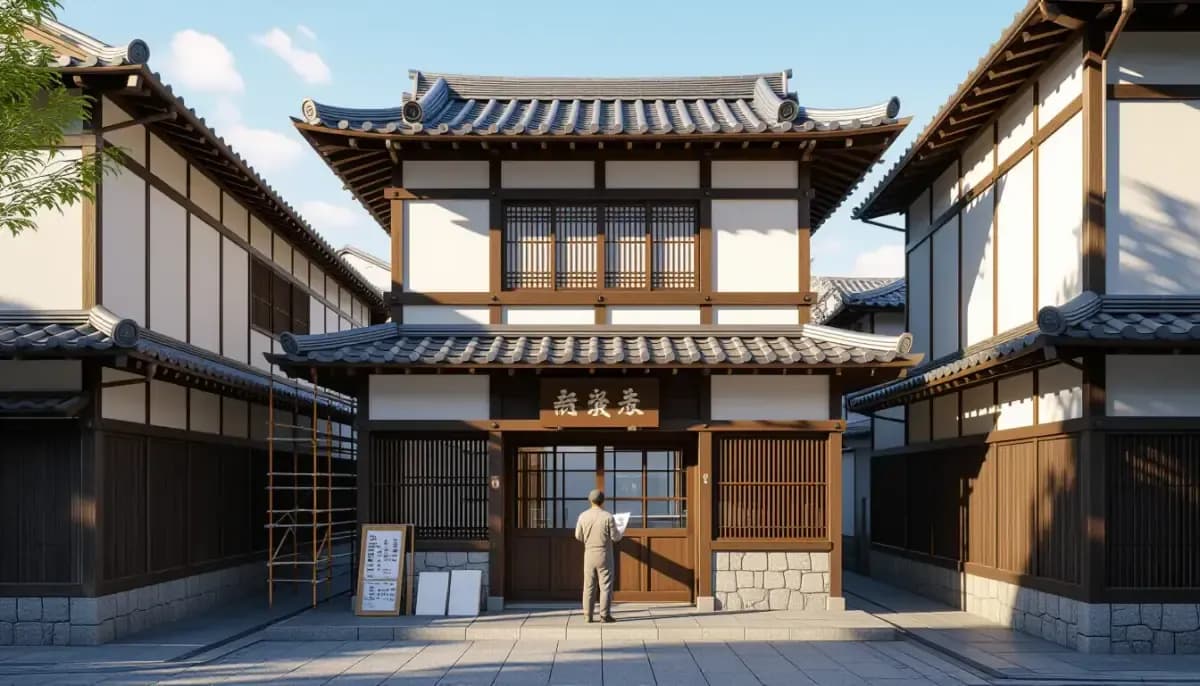
Cultural Preservation Rules for Kominka and Machiya Owners
A complete guide to Japan's cultural preservation rules for kominka and machiya owners: designation tiers, renovation approval requirements, Kyoto's Machiya Ordinance, the 2023 Vacant Home Law, and practical steps for foreign property owners.
Read more →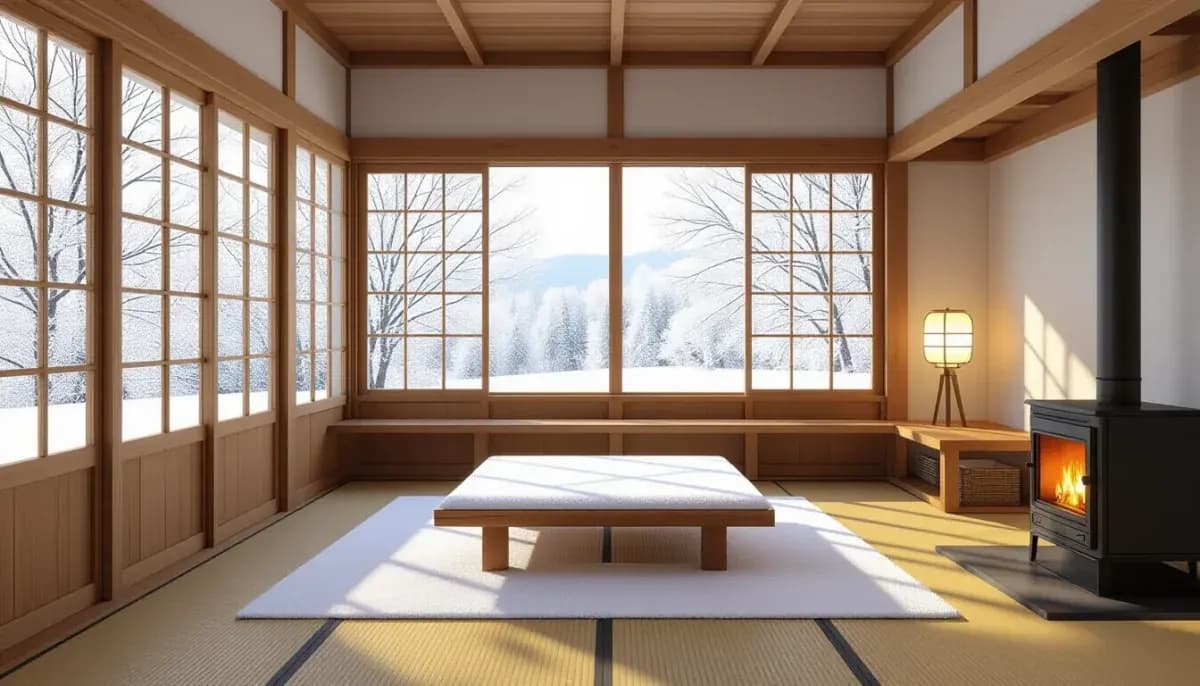
Heating and Insulation Challenges in Traditional Japanese Houses
Traditional Japanese houses are notoriously cold in winter due to poor insulation and design for summer ventilation. Learn why, and how to fix it as a foreign buyer or renter with practical renovation tips and budget guides.
Read more →