
What Is a Machiya? Guide to Japan's Traditional Townhouses

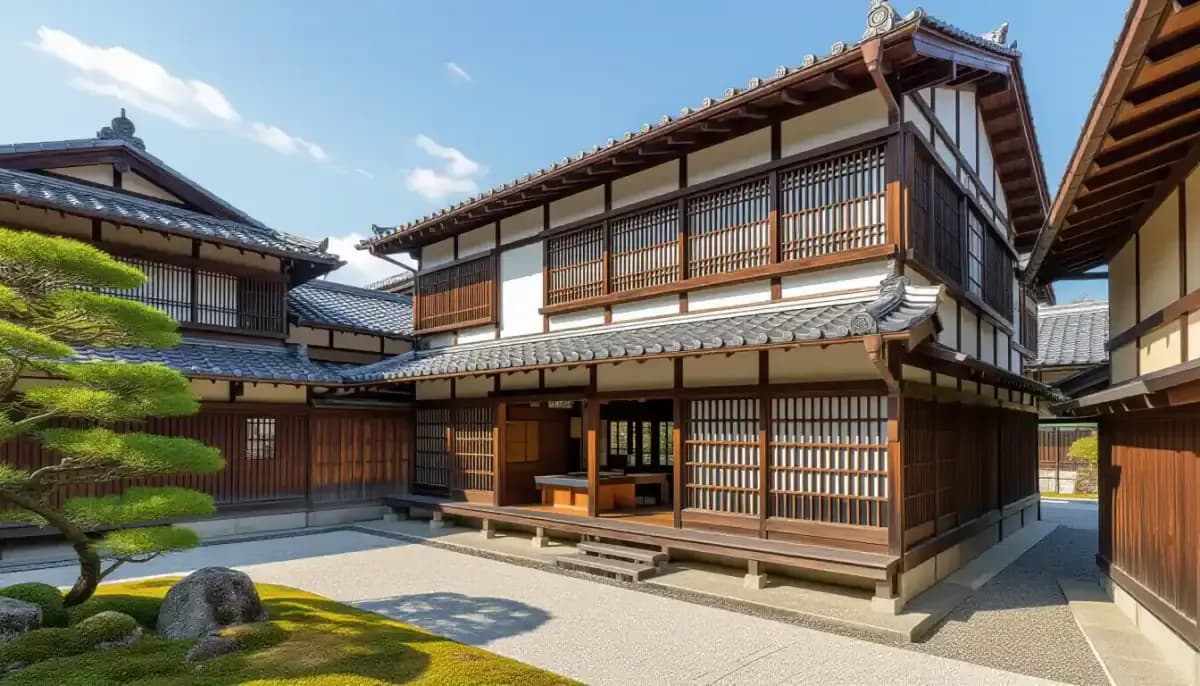
Discover Japan's iconic machiya townhouses: their 1,000-year history, unique architecture, and how foreigners can rent or buy these traditional wooden homes in Kyoto and beyond.
What Is a Machiya? Guide to Japan's Traditional Townhouses
If you've wandered through the old neighborhoods of Kyoto, Kanazawa, or Takayama, you've likely come face to face with Japan's most iconic form of urban architecture: the machiya. These narrow, wooden townhouses are the living memory of Japan's merchant past — and today they're attracting growing interest from foreigners looking to live, invest in, or simply understand Japanese culture more deeply.
This guide covers everything you need to know about machiya: their history, architectural features, where to find them, what it's like to live in one, and how foreigners can rent or buy them.
What Is a Machiya?
A machiya (町家) is a traditional Japanese wooden townhouse that served the dual purpose of home and shop. The word literally combines machi (town) and ya (house or shop). These structures were built and occupied primarily by merchants, craftspeople, and artisans during the Edo period (1603–1868) and continued to be constructed through the early Showa era.
In Kyoto — the city most synonymous with machiya culture — any wooden structure built before 1950 is officially classified as a machiya under regulations established after Japan's new Building Standards Act that year.
Machiya are defined by several key characteristics:
- A narrow street-facing facade (typically just 5–6 meters wide)
- A long, deep interior extending 20 meters or more into the lot
- A ground-floor commercial space (called misenoma) fronting the street
- Residential rooms behind and above the shop
- One or more interior courtyard gardens (tsubo-niwa) for light and ventilation
The narrow layout earned them a famous nickname: unagi no nedoko — "the eel's sleeping place."
The History of Machiya: From Merchant Homes to Cultural Icons
Machiya history stretches back over a thousand years. The earliest townhouse structures appeared during the Heian Period (794–1185 AD) when Kyoto (then called Heiankyō) served as Japan's imperial capital. However, the distinctive machiya form that survives today was shaped primarily by the Edo period's economic and political environment.
One of the most interesting historical facts about machiya design is its connection to taxation. During the Edo period, property taxes were calculated based on a building's street-facing width. This incentivized merchants to build narrow frontages while maximizing depth — giving rise to the characteristic "eel bed" proportions that define machiya to this day.
Most surviving machiya were constructed between the late Edo period and the early Showa period (roughly the 1850s–1940s). Kyoto's machiya are particularly well-preserved because the city was largely spared from the Allied bombing campaigns that devastated other major Japanese cities during World War II.
For more on the Kyoto real estate market and what to look for when buying property there, see our Buying Property in Kyoto as a Foreigner guide.
Machiya Architecture: Key Features Explained
The Exterior
The typical machiya presents a narrow wooden facade to the street, often featuring:
- Koshi (latticed wooden screens) over the windows and shopfront, providing privacy while allowing light and airflow
- Kawara (baked clay roof tiles) in traditional grey or black
- Noren (fabric dividers hanging in the entryway) indicating the business inside
- Earthen plaster walls (nurigome) mixed with bamboo and clay for fire resistance
- Shared walls with neighboring buildings, creating continuous streetscapes
The Interior Layout
Step inside a machiya and the narrow exterior gives way to a surprisingly spacious and layered interior:
| Space | Japanese Name | Function |
|---|---|---|
| Shop area | Misenoma | Retail or business space facing street |
| Earth floor passage | Tōriniwa | Corridor running the length of the house |
| Main room | Zashiki | Formal tatami reception room |
| Courtyard garden | Tsubo-niwa | Light, air, and aesthetic focal point |
| Kitchen | Daidokoro | Traditional cooking space |
| Storage | Kura | Fireproof storehouse (in larger machiya) |
The tōriniwa — a packed-earth corridor running from the front door to the back of the house — is one of the machiya's most distinctive features, serving as a working passage where goods could be moved without entering the residential rooms.
Building Materials and Techniques
Traditional machiya are built using traditional Japanese wooden joinery (kumiki) — an ancient technique that assembles structural components without nails. This allows the structure to flex during earthquakes rather than crack, a critical feature in Japan's seismically active environment.
Key materials include:
- Hinoki cypress and sugi cedar for structural timber
- Bamboo lath as reinforcement within earthen walls
- Washi paper stretched over wooden frames for shoji screens
- Tatami (woven rush grass mats) for flooring in residential rooms
Where to Find Machiya in Japan
While machiya were once common throughout Japanese cities, rapid urbanization and demolition have significantly reduced their numbers. Here are the best places to find well-preserved examples:
| City/Region | Machiya Character | Best Neighborhoods |
|---|---|---|
| Kyoto | The heartland of machiya culture; thousands remain | Gion, Nishijin, Fushimi |
| Kanazawa | Edo-period merchant districts largely intact | Higashi Chaya, Kazuemachi |
| Takayama | Mountain town with well-preserved merchant street | Sanmachi-suji |
| Kurashiki | Bikan Historical Quarter with whitewashed machiya | Bikan Quarter |
| Nishiwaki / Tamba | Rural Hyogo machiya for buyers seeking affordability | Various |
| Osaka | Scattered examples; mostly in older neighborhoods | Sumiyoshi, Tennoji |
Kyoto remains the most accessible city for experiencing machiya life, with hundreds now converted into guesthouses, restaurants, and rental accommodations. For foreigners interested in the Kyoto property market specifically, our Buying Property in Kyoto as a Foreigner guide provides detailed area-by-area advice.
The Machiya Preservation Crisis
Despite their status as irreplaceable cultural heritage, machiya are disappearing at an alarming rate.
Kyoto City surveys paint a stark picture:
- Kyoto is estimated to have approximately 40,000 machiya remaining
- Around 5,800 of these are vacant
- Approximately 800 machiya are demolished every year — equivalent to 2.2 per day
- Around 80% of Kyoto's original machiya stock has already been lost
- Less than 3% of demolished machiya are replaced with buildings that respect the original scale and character
As reported by Japan Property Central, the demolition rate shows little sign of slowing. The reasons are largely economic: machiya are expensive to maintain, don't meet modern building codes without costly renovation, and the land they sit on is valuable for modern development.
In response, Kyoto City has implemented a Machiya Preservation Plan offering financial incentives — including subsidies and low-interest loans — to property owners who agree to restore and maintain machiya according to heritage guidelines.
To learn more about buying older properties in Japan as a foreigner, including renovation options and available subsidies, visit Living in Nihon's housing guide.
Living in a Machiya: What to Expect
The Appeal
There's a reason machiya rentals and sales attract so much attention from foreign residents and investors: they offer something modern Japanese apartments simply cannot.
- Authentic Japanese aesthetic — tatami rooms, shoji screens, wooden beams, and the peaceful tsubo-niwa courtyard
- Spacious layouts — far more floor space than equivalently priced apartments
- Cultural immersion — living in a centuries-old structure connects you to Japanese history in a tangible way
- Increasingly affordable — many machiya are priced below comparable modern homes, especially outside major cities
The Challenges
Living in a machiya is genuinely rewarding, but it comes with real challenges that potential renters and buyers need to understand:
Temperature extremes: Traditional machiya have virtually no insulation. In summer, the wooden structure traps heat; in winter, cold air permeates everything. Many renovated machiya now include floor heating and air conditioning, but always verify this before signing a contract.
Seismic compliance: Older machiya may not meet Japan's current earthquake resistance standards (most recently updated in 1981 and 2000). A structural assessment (kōzō keisan) is advisable before purchase.
Maintenance costs: Wood requires ongoing care. Expect regular expenses for roof maintenance, pest control (particularly for termites), and structural upkeep. The traditional joinery, while elegant, requires specialist craftspeople to repair.
Parking: Most urban machiya predate the automobile era and have no private parking. Street parking permits or nearby parking lots are typically required.
No modern amenities as standard: Older machiya may lack modern kitchens, bathrooms, or reliable insulation unless previously renovated. Always inspect in detail.
For a comprehensive overview of living infrastructure considerations as a foreigner in Japan, see For Work in Japan's housing guide.
Renting a Machiya as a Foreigner
Renting a machiya is significantly more accessible than buying one. There are no special legal restrictions on foreigners renting machiya in Japan — the same standard requirements apply as for any rental:
- Valid Japanese visa
- Resident registration (juminhyo)
- A guarantor (hoshonin) or enrollment in a guarantor company (hoshō gaisha)
- Standard rental documents and initial fees (deposit, key money, agency fee)
Typical machiya rental costs in Kyoto:
| Size | Monthly Rent | Notes |
|---|---|---|
| Small (40–60 sqm) | ¥80,000–¥130,000 | Often unrenovated; may need work |
| Medium (60–100 sqm) | ¥130,000–¥200,000 | Usually partially renovated |
| Large (100 sqm+) | ¥200,000–¥350,000+ | Often fully renovated with modern amenities |
Specialist agencies and platforms focusing on traditional properties — rather than general rental sites — are your best resource. Many offer English-language support for foreign residents.
For broader guidance on renting in Japan as a foreigner, including how to find a guarantor and navigate lease agreements, our Complete Guide to Buying Property in Japan as a Foreigner covers the full picture.
Buying a Machiya as a Foreigner
Foreigners can legally purchase machiya in Japan with no restrictions on ownership — Japan places no nationality-based limitations on real estate ownership. You'll need:
- A personal seal (hanko) or signature-based equivalent
- A Japanese bank account
- Funds for the purchase plus additional costs (typically 6–10% of purchase price)
- A registered real estate agent (fudōsan)
Typical machiya purchase prices:
| Location | Price Range | Notes |
|---|---|---|
| Rural towns (Hyogo, Shiga) | ¥2.5M–¥10M | Often require significant renovation |
| Mid-sized cities | ¥10M–¥30M | Mix of renovated/unrenovated |
| Kyoto central | ¥20M–¥80M+ | Premium prices; some already renovated |
According to listings on specialist site KORYOYA, which focuses exclusively on traditional properties, prices range from approximately ¥2.5 million to ¥79.8 million, with most properties clustering between ¥8M and ¥35M.
Renovation costs are a critical consideration. A full renovation of an unrenovated machiya — including seismic reinforcement, insulation, modern plumbing and electrical, and kitchen/bathroom upgrades — can run from ¥5M for a modest project to ¥30M+ for a full heritage-quality restoration. Always budget for renovation costs when assessing total purchase cost.
For guidance on mortgages, legal procedures, and the full purchase process in Japan, see our Step-by-Step Home Buying Process in Japan for Foreigners and our Mortgages and Home Loans for Foreigners guides.
Also, our guide on Rural and Countryside Properties in Japan covers the akiya (vacant home) programs that sometimes include machiya, with subsidized prices and renovation grants available from local governments.
More information on traditional housing rental options is available from specialist platform E-Housing.
Machiya vs. Kominka: What's the Difference?
Foreigners new to Japan sometimes confuse machiya with kominka (古民家), another type of traditional Japanese building. Here's how they differ:
| Feature | Machiya | Kominka |
|---|---|---|
| Setting | Urban / town | Rural / village |
| Primary purpose | Merchant home + shop | Farmhouse |
| Typical age | Edo–early Showa | Edo–Meiji |
| Layout | Narrow and deep | Wide, open floor plan |
| Roof style | Clay tiles | Thatched (kayabuki) or heavy tiles |
| Price | Higher (urban land value) | Often lower; many in akiya programs |
| Renovation difficulty | Moderate | Often higher (larger structure) |
Both offer authentic traditional living experiences, but they suit different lifestyles and budgets. For foreigners interested in deeply rural living with more land and a larger structure, kominka may offer better value; for those wanting city access with traditional character, machiya is the choice.
For guidance on buying property in Japan as a foreigner — whether modern or traditional — visit Gaijin Buy House's renovation guide.
Frequently Asked Questions About Machiya
Can foreigners buy a machiya in Japan? Yes. Japan places no nationality-based restrictions on real estate ownership. Foreigners can buy machiya with the same rights as Japanese citizens, though you'll need to navigate the purchase process in Japanese (or with a bilingual agent).
Are machiya good investments? Machiya in Kyoto and other tourist-heavy cities have shown appreciation, particularly renovated examples used as short-term rentals (Airbnb/minpaku). However, unrenovated machiya carry significant renovation risk. Consult our Japan Real Estate Market Overview for investment context.
How do I find machiya for rent or sale? Specialist platforms like KORYOYA, Akiya Mart, and local Kyoto real estate agencies are the best sources. General real estate sites like Suumo or At Home list some traditional properties but not comprehensively.
Is it expensive to maintain a machiya? Yes, more so than a modern home. Expect higher costs for specialist tradespeople, wood treatment, and roof maintenance. Budget ¥300,000–¥800,000 per year for routine upkeep of a typical machiya.
What is a tsubo-niwa? A tsubo-niwa is the small interior courtyard garden found in many machiya. Typically just a few square meters, it serves as a source of natural light, ventilation, and aesthetic focal point. Many feature stone lanterns, moss, bamboo, or a small water feature.
Conclusion
The machiya represents one of Japan's most fascinating intersections of architecture, history, and daily life. These centuries-old wooden townhouses were shaped by taxation policies, merchant culture, and ingenious space management — and today they offer foreigners a rare chance to live inside Japanese history.
Whether you're considering renting a renovated Kyoto machiya for a cultural experience, or buying an unrenovated property as a long-term investment, understanding what machiya are and what they demand of their occupants is the essential first step.
Japan's stock of authentic machiya is declining year by year. In many ways, foreign interest and investment is becoming part of what saves them.
Want to explore buying traditional Japanese property? Start with our Complete Guide to Buying Property in Japan as a Foreigner, or learn about Types of Properties Available in Japan to compare your options.

Originally from Vietnam, living in Japan for 16+ years. Graduated from Nagoya University, with 11 years of professional experience at Japanese and international companies. Sharing information about buying property in Japan for foreigners.
View Profile →Related Articles
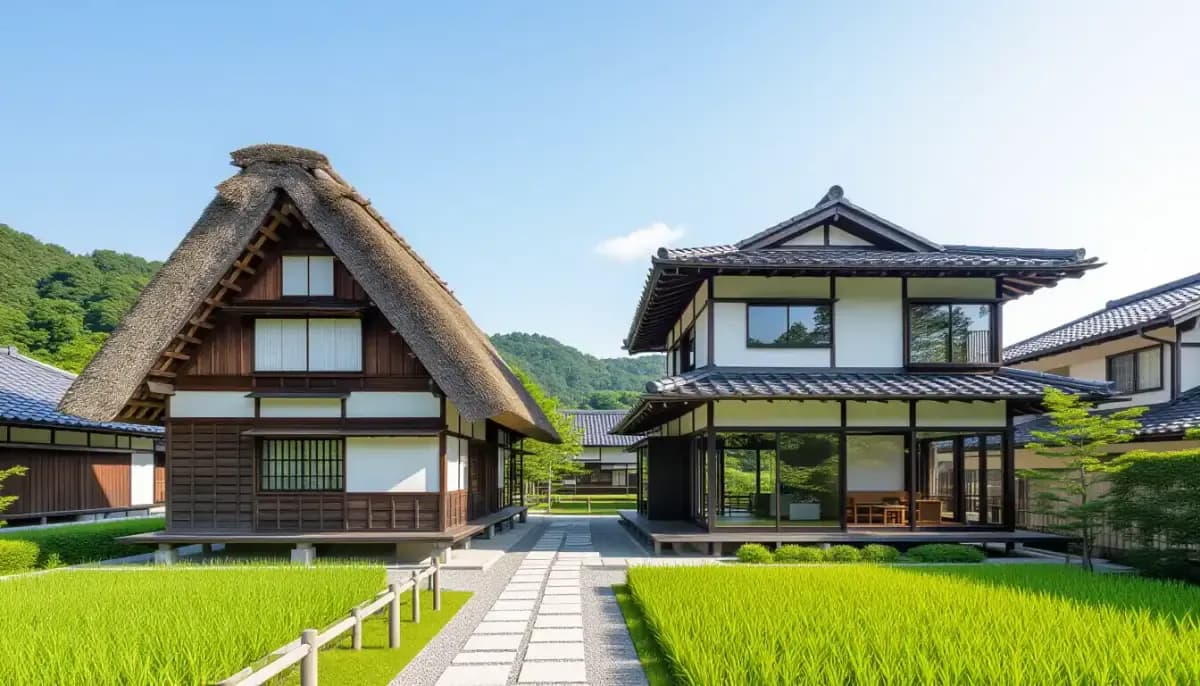
Traditional vs Modern House in Japan: Lifestyle Comparison
Compare traditional Japanese houses (kominka, machiya) vs modern homes for foreign buyers. Costs, comfort, cultural experience, and practical buying advice for expats in Japan.
Read more →
Kominka Structural Assessment and Safety Guide Before Buying
Complete guide to kominka structural assessment before buying in Japan. Covers 12-point inspection checklist, seismic safety standards, termite risks, inspection costs, and critical red flags to help foreign buyers make informed decisions.
Read more →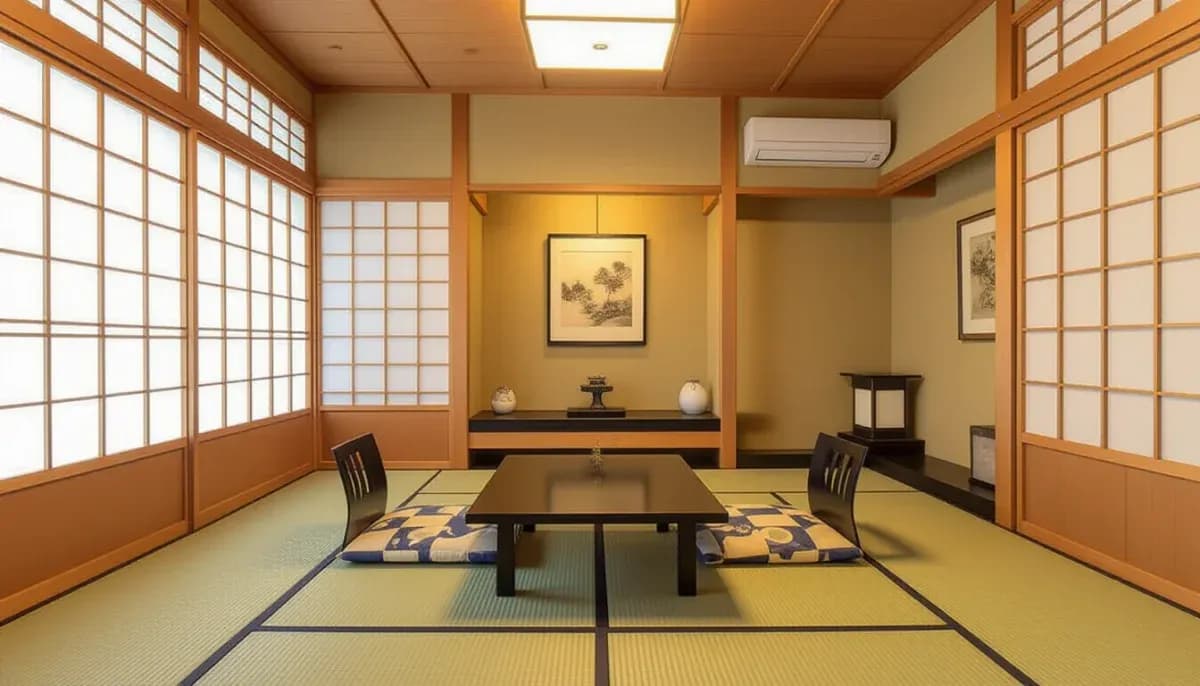
Traditional Japanese House Interior Design and Decoration Ideas
Discover traditional Japanese house interior design ideas: tatami rooms, shoji screens, tokonoma alcoves, and low furniture. A practical guide for foreigners decorating a Japanese home.
Read more →
Where to Find Kominka for Sale in Japan: Resources and Platforms
Discover the best platforms and resources to find kominka for sale in Japan. From KORYOYA to akiya banks, this guide covers every tool foreigners need to buy a traditional Japanese farmhouse.
Read more →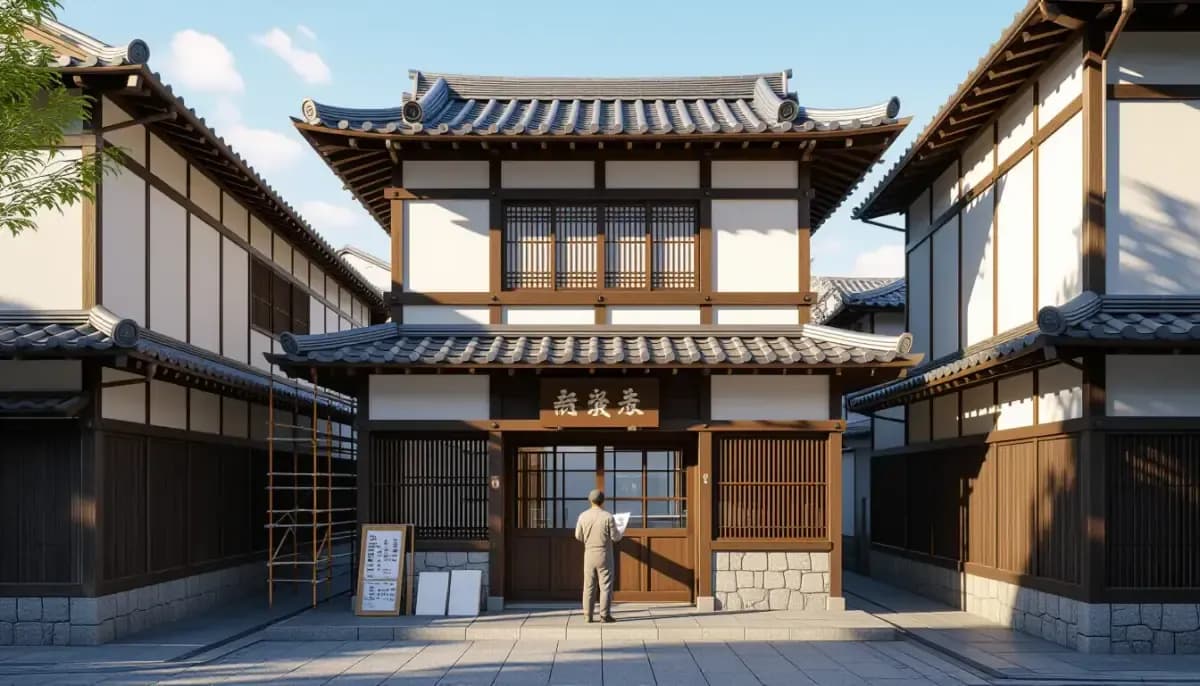
Cultural Preservation Rules for Kominka and Machiya Owners
A complete guide to Japan's cultural preservation rules for kominka and machiya owners: designation tiers, renovation approval requirements, Kyoto's Machiya Ordinance, the 2023 Vacant Home Law, and practical steps for foreign property owners.
Read more →
Heating and Insulation Challenges in Traditional Japanese Houses
Traditional Japanese houses are notoriously cold in winter due to poor insulation and design for summer ventilation. Learn why, and how to fix it as a foreign buyer or renter with practical renovation tips and budget guides.
Read more →