
Energy Efficiency Renovation Upgrades for Japan Homes

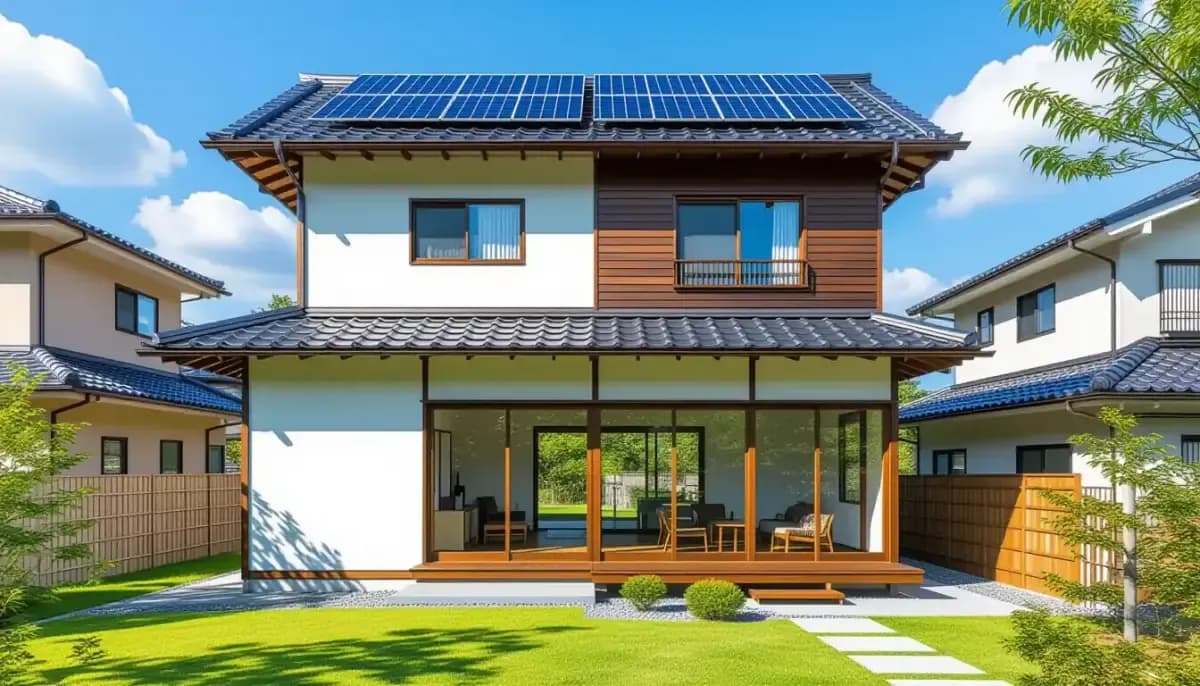
Complete guide to energy efficiency renovation upgrades for Japan homes. Covers insulation, solar panels, ZEH standards, government subsidies up to ¥2 million, and practical tips for foreign homeowners.
Energy Efficiency Renovation Upgrades for Japan Homes
If you own a home in Japan — whether a newly purchased akiya, a Tokyo apartment, or a suburban detached house — upgrading its energy efficiency is one of the smartest investments you can make. Japanese homes, particularly those built before 2000, are notorious for poor insulation, drafty windows, and outdated heating systems that drive energy bills through the roof. The good news: Japan now offers a generous ecosystem of government subsidies, ZEH certification programs, and modern green technology options that make energy-efficient renovation more accessible and financially rewarding than ever.
This guide walks foreign homeowners through the most impactful energy efficiency upgrades, Japan's latest energy conservation standards, available subsidies, and practical steps for getting started.
Why Energy Efficiency Matters for Japan Homeowners
Japan's residential sector accounts for approximately 30% of the country's total energy consumption. The government has set ambitious targets: by 2030, all new homes must meet ZEH (Zero Energy House) standards. Starting April 2025, compliance with Thermal Insulation Performance Grade 4 and Primary Energy Consumption Grade 4 became mandatory for all newly built homes.
For existing homeowners, this regulatory shift has major implications:
- Property values: Energy-efficient homes command higher resale prices. Non-compliant newly built homes now lose eligibility for housing loan tax deductions — a signal to buyers that energy performance is a core value indicator.
- Running costs: Poorly insulated Japanese homes lose enormous amounts of heat in winter and trap heat in summer, forcing air conditioners and heaters to work overtime.
- Future-proofing: By 2030, ZEH standards (Thermal Insulation Performance Grade 5, Building Energy Index Grade 6) will become the new baseline. Renovating now puts you ahead of the curve.
For foreigners who have purchased property in Japan, these upgrades represent both a quality-of-life improvement and a sound financial decision. Learn more about the home buying process at our complete guide to buying property in Japan.
Japan's Energy Efficiency Standards Explained
Understanding the Japanese standards framework helps you set the right renovation targets.
| Standard Level | Thermal Insulation Grade | Primary Energy Grade | Applicable Since |
|---|---|---|---|
| Basic (Grade 4) | Grade 4 | Grade 4 | Mandatory from April 2025 |
| ZEH Ready | Grade 5 | Grade 5 | Recommended now |
| Full ZEH | Grade 6+ | Grade 6 (BEI ≤ 0) | Required by 2030 |
| Near ZEH | Grade 6 | BEI ≤ 0.1 | Subsidy target tier |
BEI (Building Energy Index) measures annual energy consumption from air conditioning, ventilation, lighting, and water heating. A BEI of 1.0 means the home meets baseline standards; ZEH requires reaching 0.0 or close to it through a combination of efficiency improvements and renewable energy generation.
ZEH (ネット・ゼロ・エネルギー・ハウス) has four core requirements:
- Enhanced insulation across exterior walls, roofs, and floors
- 20%+ reduction in primary energy consumption via high-efficiency equipment
- Renewable energy installation (typically solar panels)
- Net zero achievement — combining the above to reach 100% offset of standard energy consumption
Even if you are not targeting full ZEH certification, understanding this framework helps prioritize which upgrades deliver the most impact.
Top 6 Energy Efficiency Upgrades for Japan Homes
1. Insulation Upgrades (断熱リノベーション)
This is typically the single highest-impact upgrade for older Japanese homes. Many properties built before 2000 have minimal or no insulation in walls, floors, or ceilings. The result: rooms that are baking hot in summer and freezing in winter.
What to upgrade:
- Exterior walls: inject blown-in insulation or install rigid foam panels
- Roof/ceiling: add cellulose, recycled cotton, or rockwool batts
- Floors: install insulation boards under floor joists
- Foundation perimeter: seal crawl spaces to prevent cold air infiltration
Cost and subsidies: The Japanese government's Housing Energy Efficiency Campaign provides up to ¥2 million for qualifying thermal insulation renovation (断熱リノベーション). Local governments often add additional subsidies of 10–80% of renovation costs depending on municipality.
Eco-friendly insulation materials such as sheep's wool, cork, or recycled denim are growing in popularity and may qualify for additional green renovation support.
2. Window and Door Replacement
Replacing single-pane aluminum-framed windows with double or triple-glazed units is frequently described as "the single biggest change you can make to improve energy efficiency" in a Japanese home. Old aluminum frames conduct heat and cold directly, creating cold spots and condensation throughout winter.
Options:
- Double-glazed uPVC frames: best performance-to-cost ratio
- Triple-glazed windows: highest performance, ideal for cold climates like Tohoku or Hokkaido
- Interior window inserts (内窓): a lower-cost option where a second window panel is added inside the existing frame — this is popular in Japan for its relatively simple installation and strong performance gains
Advanced Window Renovation 2024 Support Project subsidizes window/door replacements that meet ZEH standards, covering part of material and installation costs.
3. Heat Pump Systems
Heat pumps are 3–4 times more energy efficient than conventional resistance heaters. They extract heat from the air (or ground) to warm your home in winter and reverse the cycle for cooling in summer.
Japan's eko-cute (エコキュート) heat pump water heaters are particularly popular and widely subsidized. These systems heat water at night using cheaper off-peak electricity and store it for daytime use, reducing water heating costs by 60–70% compared to gas systems.
For whole-house heating and cooling, air-source heat pump systems (sometimes called "all-electric" systems) paired with proper insulation can dramatically cut energy use while maintaining comfort year-round.
4. Solar Panel Installation
Japan offers strong government subsidies for residential solar panel (太陽光発電) installation, making it one of the most financially attractive options for foreign homeowners. A typical 4–6 kW rooftop system covers 60–80% of a household's electricity needs.
Key benefits:
- Reduce monthly electricity bills to near zero
- Sell surplus power back to the grid through the Feed-in Tariff (FIT) program
- Battery storage systems (paired with solar) provide emergency power security — important in earthquake-prone Japan
- Solar installations are a required component of ZEH certification
Subsidies are available through METI and local government programs. Some municipalities cover 30–50% of installation costs.
5. Ventilation System Upgrades
Japanese homes built after 2003 are required to have 24-hour mechanical ventilation systems (第三種換気) due to sick building syndrome concerns from off-gassing building materials. However, many older systems are inefficient and waste energy by constantly exhausting conditioned air.
Upgrading to a heat recovery ventilation (HRV) system captures 70–90% of the heat (or coolness) from outgoing air and transfers it to incoming fresh air. This is particularly valuable in cold climates and in well-insulated homes where maintaining indoor air quality without wasting conditioned air is critical.
6. Smart Home Energy Management
Smart thermostats, energy monitoring systems, and automated controls can reduce energy consumption by 10–20% with minimal upfront investment. Japan's growing smart home ecosystem (covered in detail in our smart home technology renovation guide) includes:
- HEMS (Home Energy Management Systems): Monitor real-time consumption by circuit
- Smart thermostats: Programmable control of floor heating, air conditioning, and hot water
- LED lighting with motion sensors: Eliminate wasted lighting in unoccupied rooms
- Smart power strips: Eliminate standby power draw from electronics
Government Subsidies and Financial Incentives
Japan has dramatically expanded its support for residential energy efficiency in recent years. The 2026 Home Energy Conservation Campaign, a collaboration between the Ministry of Environment, METI, and the Ministry of Land, Infrastructure, Transport and Tourism, allocated a supplementary budget of 378 billion yen for fiscal year 2025 alone.
| Program | What's Covered | Maximum Subsidy |
|---|---|---|
| Housing Energy Efficiency Campaign | Insulation, windows, heat pumps, water heaters | Up to ¥2,000,000 |
| Advanced Window Renovation Support | Window/door replacements meeting ZEH standards | ¥500,000–¥1,000,000 |
| ZEH Detached House Support | Solar panels, high-performance insulation, efficient equipment | Per-project basis |
| Local Government Programs | Varies by municipality | 10–80% of costs |
| Housing Loan Tax Deduction | 0.7% of outstanding mortgage balance annually | Up to 13 years |
| Real Estate Acquisition Tax Reduction | Reduced rate for compliant renovations | Varies |
Eligibility notes:
- Programs are administered by local governments and/or METI
- Some programs can be stacked (combined), which is important to confirm with your renovation contractor
- Applications typically require documentation before work begins — confirm eligibility before signing contracts
- Non-Japanese speakers should seek a bilingual renovation specialist or administrative scrivener (行政書士) for subsidy applications
For broader context on renovation costs and financing, see our guides on Japan home renovation costs and renovation financing and loan options.
Practical Tips for Foreign Homeowners
Getting energy efficiency renovations done in Japan as a foreigner involves navigating language barriers, unfamiliar contractor relationships, and subsidy paperwork. Here are the key practical considerations:
1. Find a bilingual renovation contractor Not all contractors are familiar with energy efficiency subsidies. Seek out firms that specialize in ZEH renovations or 断熱リノベーション. Our guide to finding renovation contractors in Japan covers how to vet and hire the right team.
2. Get a home energy audit first Before committing to any specific upgrade, have a certified energy auditor (省エネルギー診断士) assess your home. This identifies where heat is being lost, which upgrades deliver the best ROI, and which combination of upgrades qualifies you for subsidy programs.
3. Understand permit requirements Some structural renovations — including certain insulation and window replacement work — may require building permits. Review our renovation permit and building code requirements guide before starting any work.
4. Consider water efficiency upgrades too Low-flow faucets and showerheads can reduce water consumption by up to 50%. Rainwater harvesting systems capitalize on Japan's abundant rainfall. These are relatively low-cost upgrades that complement the larger energy efficiency work.
5. Combine with other renovation work Energy efficiency upgrades are most cost-effective when combined with other planned renovations. If you are already doing a kitchen renovation or bathroom modernization, this is the ideal time to also upgrade insulation and windows in those rooms.
Resources and Further Reading
For comprehensive guidance on renovating Japanese properties as a foreigner, the following resources provide valuable English-language information:
- Living in Nihon — Japan Real Estate Guide: Covers the full spectrum of purchasing and owning property in Japan as a foreigner.
- Gaijin Buy House — Used Property and Renovation Guide for Foreigners: Practical renovation guidance specifically written for foreign owners navigating Japan's contractor and subsidy systems.
- For Work in Japan — Housing and Living Infrastructure Guide: Covers housing infrastructure for foreign residents in Japan.
- Old Houses Japan — Grants and Subsidies Guide 2025: Detailed breakdown of available government grants for renovating older Japanese properties.
- Nippon Tradings — Sustainable Home Renovation: Practical guide to eco-friendly renovation approaches for Japanese homes.
Conclusion
Energy efficiency renovations are no longer optional for Japan homeowners — they are becoming mandatory for new builds and increasingly important for property values across all homes. For foreign owners, the combination of generous government subsidies, available English-language support resources, and the genuine quality-of-life improvements from a well-insulated, efficiently heated home makes these upgrades well worth pursuing.
Start with a home energy audit, identify which upgrades qualify for subsidy stacking, and work with a renovation contractor experienced in ZEH and 断熱リノベーション projects. The investment typically pays back within 5–8 years — and makes your Japanese home dramatically more comfortable in both winter and summer.
For earthquake preparedness considerations that often overlap with structural renovation work, see our guide on earthquake retrofit and reinforcement for older Japan homes.

Originally from Vietnam, living in Japan for 16+ years. Graduated from Nagoya University, with 11 years of professional experience at Japanese and international companies. Sharing information about buying property in Japan for foreigners.
View Profile →Related Articles
Renovation Financing and Loan Options in Japan
Complete guide to renovation loan options in Japan for foreign property owners. Covers reform loans, combined purchase loans, Flat 35, government subsidies, and eligibility requirements for expats.
Read more →
Smart Home Technology Renovation in Japan
Complete guide to smart home technology renovation in Japan for foreign property owners. Covers devices, costs, PSE certification, electrical rules, and top brands like Panasonic, Google, and Amazon Alexa.
Read more →
Barrier-Free and Accessibility Renovation in Japan
Complete guide to barrier-free accessibility renovation in Japan for foreign homeowners. Learn about kaigo hoken subsidies up to ¥200,000, common modifications, 2025 building code changes, and how to qualify as a foreigner.
Read more →
DIY Home Improvement in Japan: Guide for Foreign Homeowners
Complete guide to DIY home improvement in Japan for foreign homeowners. Learn what projects you can do yourself, home center tips, renovation costs, government subsidies, and step-by-step project guides.
Read more →
Japan Renovation Timeline: How Long Do Projects Take?
Complete guide to Japan renovation timelines for foreign homeowners. Learn how long each phase takes—from planning and permits to construction and move-in—including 2025 building code changes.
Read more →
Renovating a Traditional Japanese House for Modern Living
Complete guide to renovating traditional Japanese houses (kominka, machiya, akiya) for modern living. Costs, subsidies, contractors, permits, and design tips for foreign owners in Japan.
Read more →