
DIY Home Improvement in Japan: Guide for Foreign Homeowners

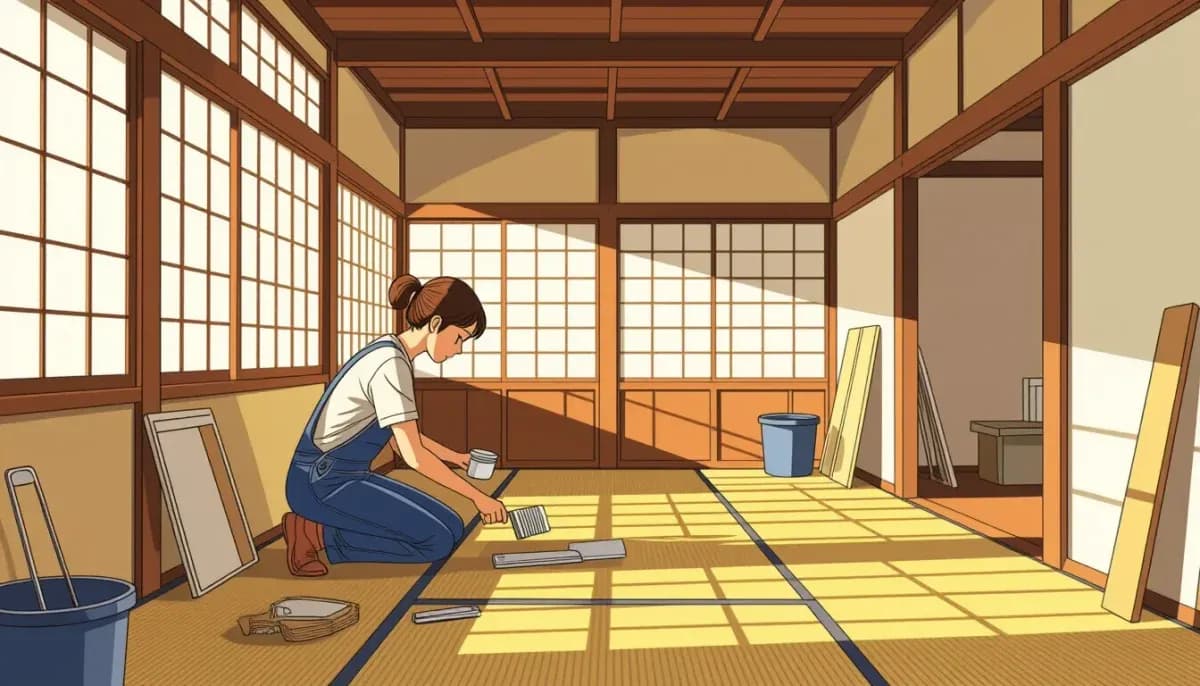
Complete guide to DIY home improvement in Japan for foreign homeowners. Learn what projects you can do yourself, home center tips, renovation costs, government subsidies, and step-by-step project guides.
DIY Home Improvement in Japan: Guide for Foreign Homeowners
As a foreign homeowner in Japan, taking on DIY home improvement projects can be both rewarding and challenging. Whether you've purchased an akiya (vacant house), a traditional kominka, or a modern detached property, understanding the unique rules, materials, and cultural context of Japanese home renovation is essential. This guide walks you through everything you need to know — from shopping at Japanese home centers to navigating building permits and tackling weekend projects safely.
Understanding the Japanese DIY Landscape
Japan has a thriving DIY culture centered around its nationwide chain of "home centers" (ホームセンター, hōmu sentā). These are massive hardware and home improvement stores that stock everything from lumber and paint to plumbing fittings, power tools, and garden supplies. For foreign homeowners, these stores are your best friend — and learning to navigate them is the first step toward successful home improvement projects.
The Japanese DIY market is substantial. In 2024, Cainz held approximately 21% of the market share, making it the most popular home center chain in the country. Other major retailers include Kohnan (with over 500 stores, especially strong in Kansai), Shimachu, and Komeri. Most large home centers are well-stocked with bilingual product labels in major categories, and staff can often help locate specific items using a smartphone translation app.
What makes DIY in Japan distinctive is the cultural preference for precision and neatness. Japanese construction standards are high, and home improvement projects are expected to meet similar quality benchmarks. This means taking your time, using the right tools, and following manufacturer instructions carefully — habits that ultimately lead to better results.
For a comprehensive introduction to housing in Japan, the team at Living in Nihon offers extensive guides for foreigners navigating Japanese residential life.
What You Can and Cannot Do Yourself
One of the most important things to understand as a foreign DIY homeowner in Japan is which projects require licensed professionals. Japanese building regulations are strict, and certain types of work must be performed by certified contractors. Attempting regulated work without a license is illegal and can affect your property's insurance coverage and resale value.
Work That Requires Licensed Professionals
- Electrical wiring and panel work: Any work involving the main circuit panel, rewiring rooms, or adding new circuits must be done by a licensed electrician (denkō)
- Gas line installation and modification: Gas appliances and piping must be handled by certified gas workers
- Structural modifications: Removing or modifying load-bearing walls requires a structural engineer and building permit
- Roofing on pitched roofs: While minor repairs may be possible, significant roof work typically requires professionals
- Septic and sewage systems: Connection and modification of waste systems requires licensing
- Seismic reinforcement: Any work to improve earthquake resistance requires engineering oversight
Excellent DIY Projects for Foreign Homeowners
- Interior painting and wallpaper replacement
- Flooring installation (laminate, vinyl, tatami replacement)
- Cabinet installation and kitchen organization
- Bathroom fixture replacement (faucets, showerheads, toilet seats)
- Window draft-proofing and insulation improvements
- Garden landscaping and outdoor decking
- Interior wall patching and repair
- Installing shelving and storage solutions
- Smart home device installation (lights, thermostats, locks)
For more about home renovation and remodeling in Japan, including when to hire contractors versus doing it yourself, check our detailed companion guide.
Japanese Building Materials and Quirks
Japanese homes have several distinctive characteristics that affect your DIY approach:
Walls and Wallpaper
Unlike Western homes where painted walls are the norm, Japanese homes predominantly use vinyl wallpaper (壁紙, kabegami). This is applied over a smooth base and can be peeled off and replaced relatively easily. If you want to paint your walls, you first need to remove the existing vinyl wallpaper and then prepare the surface properly — this is more labor-intensive than simply painting over existing paint.
Home centers sell a wide variety of replacement wallpaper, and many stores offer cutting services. Budget around ¥500–¥2,000 per roll for standard wallpaper, with premium options costing more. Always buy 10–15% extra to account for pattern matching and mistakes.
Tatami and Flooring
Traditional Japanese rooms feature tatami mats (畳, tatami) made from woven rush grass. Tatami needs periodic replacement (typically every 5–10 years) and can be ordered through home centers or specialist tatami shops. A standard 6-tatami room replacement costs approximately ¥60,000–¥120,000.
Many foreign homeowners choose to convert tatami rooms to Western-style flooring. This is a DIY-friendly project: you can lay laminate or engineered wood flooring directly over the existing tatami room subfloor, though you may need to level the surface first.
Insulation and Sealing
Many older Japanese homes, particularly those built before 2000, have poor insulation by modern standards. Cold winters and hot, humid summers make this a priority improvement. DIY insulation options include:
- Draft-sealing tape for windows and doors
- Interior insulation panels (sold at home centers)
- Secondary glazing film for windows
- Floor insulation batting (easy to install under floorboards with access panels)
Earthquake Considerations
Japan is one of the world's most seismically active countries. Any renovation or improvement should keep earthquake safety in mind. This means securing tall furniture to walls (L-brackets are available at every home center), using flexible sealants rather than rigid ones where possible, and never removing walls without understanding the structural layout. Learn more in our guide to natural disaster preparedness for homeowners in Japan.
Home Centers: Your Essential Shopping Guide
Here is a breakdown of the major home center chains and what to expect:
| Store | Regions | Strengths | Foreign-Friendly |
|---|---|---|---|
| Cainz | Nationwide (280+ stores) | Wide product range, own-brand tools, lumber | Good English app/website |
| Kohnan | Nationwide (500+ stores) | Competitive prices, large Kansai presence | Moderate |
| Shimachu | Kanto-focused | Furniture + DIY combo | Good |
| Komeri | Rural areas, nationwide | Agricultural + DIY, competitive | Moderate |
| Viva Home | Kanto | Large format, pro-grade tools | Good |
| Super Viva Home | Kanto | Biggest stores, full lumber yard | Good |
| Cainz Home | Suburban | Same as Cainz + lifestyle products | Good |
Pro tips for shopping at Japanese home centers:
- Download the store app before your visit — most have product location search
- Bring measurements in metric (Japan uses metric exclusively)
- Use Google Lens or a translation app to read product labels
- Ask staff for カタログ (katarogu — product catalog) for larger purchases
- Many stores offer free lumber cutting service (カット, katto) for an additional fee of ¥50–¥100 per cut
For more shopping guidance, the Japan Living Guide's home center page offers a detailed overview of options in Tokyo and beyond.
Renovation Costs: What to Budget
Planning your budget carefully is essential. Japanese renovation costs can vary dramatically depending on the scope of work, property age, and location. According to renovation specialists and real estate resources, here are typical ranges:
| Project Type | Estimated Cost |
|---|---|
| Light cosmetic renovation (painting, wallpaper, fixtures) | ¥500,000 – ¥2,000,000 |
| Mid-range renovation (kitchen, bathroom, flooring) | ¥3,500,000 – ¥8,000,000 |
| Full interior renovation | ¥6,000,000 – ¥15,000,000 |
| Structural/seismic reinforcement | ¥250,000 – ¥2,000,000 |
| Skeleton renovation (gut and rebuild interior) | ¥10,000,000 – ¥25,000,000 |
| Insulation improvement | ¥200,000 – ¥1,200,000 |
A critical planning rule: budget for 130–150% of your initial estimate. Cost overruns of 20–30% are common in Japanese renovations due to hidden structural issues, material price fluctuations, and regulatory requirements discovered mid-project.
For detailed cost breakdowns on akiya renovations specifically, Old Houses Japan's 2025 cost guide is an excellent resource.
Government Subsidies and Support Programs
One of the best-kept secrets for foreign homeowners doing renovations in Japan is the availability of government subsidy programs. Many municipalities offer financial assistance to encourage home improvement, especially for:
- Earthquake resistance upgrades (耐震改修, taishin kaishū)
- Energy efficiency improvements (省エネ改修, shōene kaishū)
- Barrier-free accessibility modifications
- Cultural heritage preservation for traditional kominka and machiya properties
Subsidies can cover 10–80% of eligible project costs depending on the municipality and type of work. To access these programs:
- Visit your local city or ward office (市役所/区役所)
- Ask about the 住宅改修補助金 (jūtaku kaishū hojokin — housing improvement subsidy)
- Submit an application before starting work (retroactive applications are usually not accepted)
- Have a licensed contractor provide a detailed estimate
Some prefectures also offer low-interest renovation loans through affiliated financial institutions. Check with Living in Nihon for guidance on navigating local government services as a foreign resident.
The For Work in Japan housing infrastructure guide is another valuable resource for understanding housing-related services and systems available to foreign residents.
Step-by-Step: Common DIY Projects Explained
Project 1: Replacing Wallpaper
Skill level: Beginner–Intermediate Estimated cost: ¥15,000–¥50,000 per room Time: 1–2 days per room
- Score the existing wallpaper with a scoring tool
- Apply warm water or wallpaper remover solution
- Peel off carefully to avoid damaging the backing
- Fill any holes with joint compound and sand smooth
- Apply wallpaper paste to the wall or the wallpaper back (check manufacturer instructions)
- Hang new wallpaper top-to-bottom, smoothing out bubbles
Project 2: Installing Laminate Flooring
Skill level: Beginner Estimated cost: ¥20,000–¥80,000 per room (materials) Time: 1–2 days per room
- Remove existing flooring or prepare the subfloor
- Install underlayment (防音シート, bōon shīto — soundproofing mat, which is often required in condominiums)
- Measure and cut planks to fit, starting from the longest wall
- Click planks together, leaving a 10mm expansion gap at walls
- Install baseboards/trim to cover expansion gaps
- Note: Japanese condominiums (mansion) have strict flooring regulations — check your management rules before starting
Project 3: Smart Home Upgrades
Skill level: Beginner Estimated cost: ¥5,000–¥30,000 per device Time: 1–4 hours
Japan's smart home ecosystem is growing rapidly. Plug-and-play devices that require no wiring modifications are perfect DIY projects:
- Smart light bulbs (Philips Hue and Panasonic both have Japan-compatible options)
- Smart power strips and plugs
- Video doorbells (compatible with Japan's 100V power system)
- Smart thermostats for air conditioning units
- Security cameras
Practical Tips for Foreign DIY Homeowners
Language resources:
- Download the CASIO Japanese-English dictionary app for technical terms
- The ゆっくり話してください (yukkuri hanashite kudasai — "please speak slowly") phrase will help when asking store staff for help
- Most home centers have at least one staff member who can communicate via smartphone translation
Finding help and community:
- Japan expat forums and Facebook groups (search "DIY Japan expats") often have members willing to share knowledge
- Some areas have Tool Libraries or community workshop spaces (工作室)
- Gaijin Buy House offers resources for foreigners navigating Japanese property, including renovation guidance at Gaijin Buy House
Insurance considerations: Before undertaking any significant work, review your property insurance policy. Unauthorized structural modifications can void coverage. For a complete overview, see our guide to insurance for property owners in Japan.
When buying a property for renovation: If you're planning to purchase a property specifically to renovate, our guide to akiya houses in Japan and traditional Japanese kominka and machiya properties will help you understand what you're getting into before you sign.
For detailed renovation guidance tailored to foreign buyers, MailMate's house renovation guide is an excellent starting point.
Getting Started: Your First DIY Project Checklist
Ready to begin? Here's a simple checklist to set yourself up for success:
- [ ] Identify the project scope — cosmetic only, or structural?
- [ ] Check building regulations — does your project require permits or licensed contractors?
- [ ] Check condominium rules — if you own a mansion, verify what modifications are allowed
- [ ] Measure everything in metric — twice
- [ ] Locate your nearest home center — find a Cainz, Kohnan, or Shimachu near you
- [ ] Apply for subsidies before starting — never after
- [ ] Set a budget at 130% of your estimate
- [ ] Document before and after — useful for insurance and resale
- [ ] Notify your neighbors — a culturally important step in Japan, especially for noisy work
DIY home improvement in Japan is entirely achievable for foreigners. With the right preparation, a visit to your local home center, and an understanding of what requires professional help, you can make meaningful, lasting improvements to your property — and potentially significantly increase its value in the process.
For more on the home buying journey in Japan, explore our complete guide to buying property in Japan as a foreigner and our overview of setting up your new home after moving to Japan.

Originally from Vietnam, living in Japan for 16+ years. Graduated from Nagoya University, with 11 years of professional experience at Japanese and international companies. Sharing information about buying property in Japan for foreigners.
View Profile →Related Articles
Renovation Financing and Loan Options in Japan
Complete guide to renovation loan options in Japan for foreign property owners. Covers reform loans, combined purchase loans, Flat 35, government subsidies, and eligibility requirements for expats.
Read more →
Smart Home Technology Renovation in Japan
Complete guide to smart home technology renovation in Japan for foreign property owners. Covers devices, costs, PSE certification, electrical rules, and top brands like Panasonic, Google, and Amazon Alexa.
Read more →
Barrier-Free and Accessibility Renovation in Japan
Complete guide to barrier-free accessibility renovation in Japan for foreign homeowners. Learn about kaigo hoken subsidies up to ¥200,000, common modifications, 2025 building code changes, and how to qualify as a foreigner.
Read more →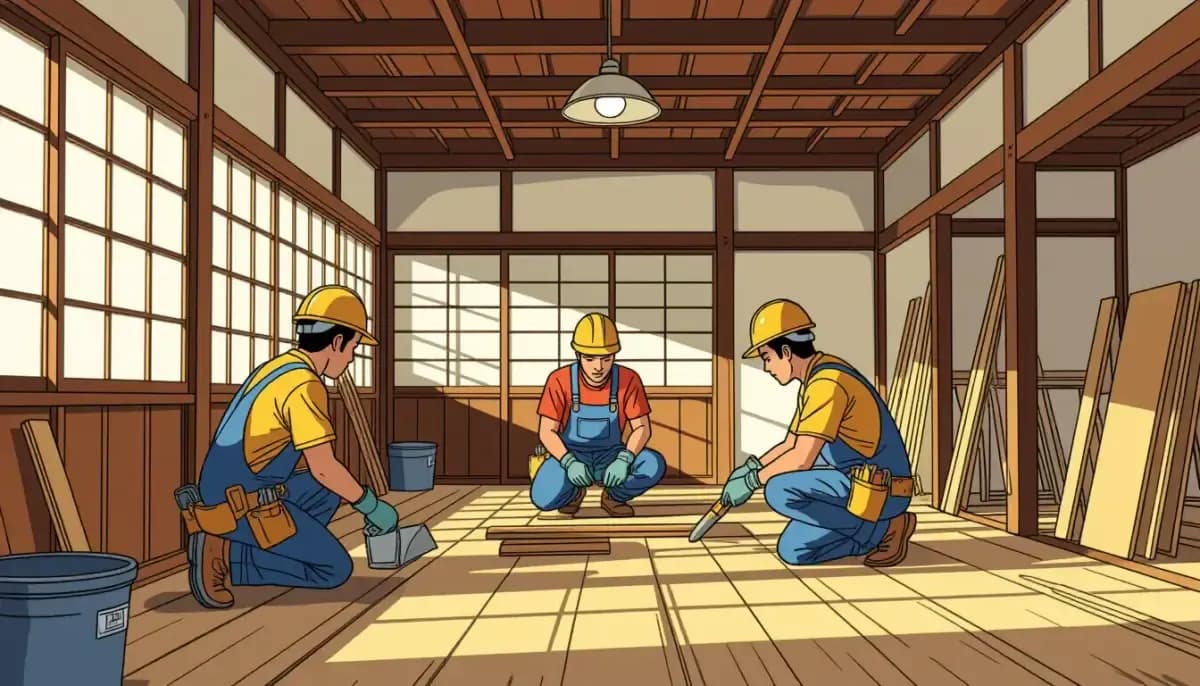
Japan Renovation Timeline: How Long Do Projects Take?
Complete guide to Japan renovation timelines for foreign homeowners. Learn how long each phase takes—from planning and permits to construction and move-in—including 2025 building code changes.
Read more →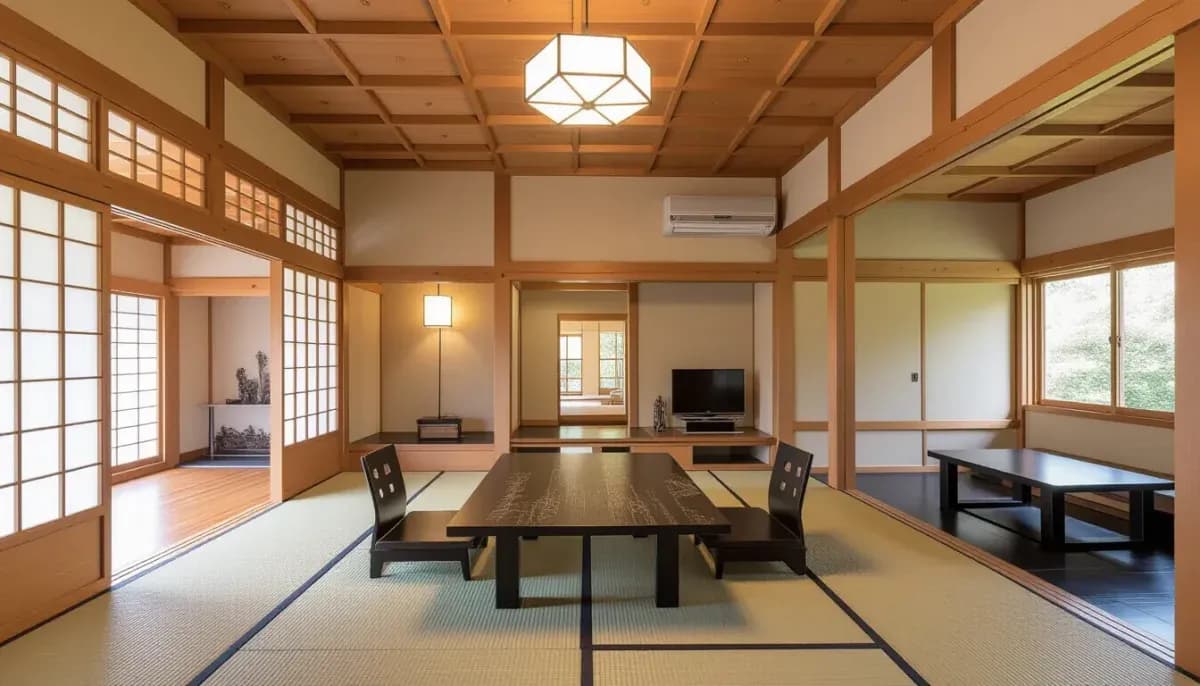
Renovating a Traditional Japanese House for Modern Living
Complete guide to renovating traditional Japanese houses (kominka, machiya, akiya) for modern living. Costs, subsidies, contractors, permits, and design tips for foreign owners in Japan.
Read more →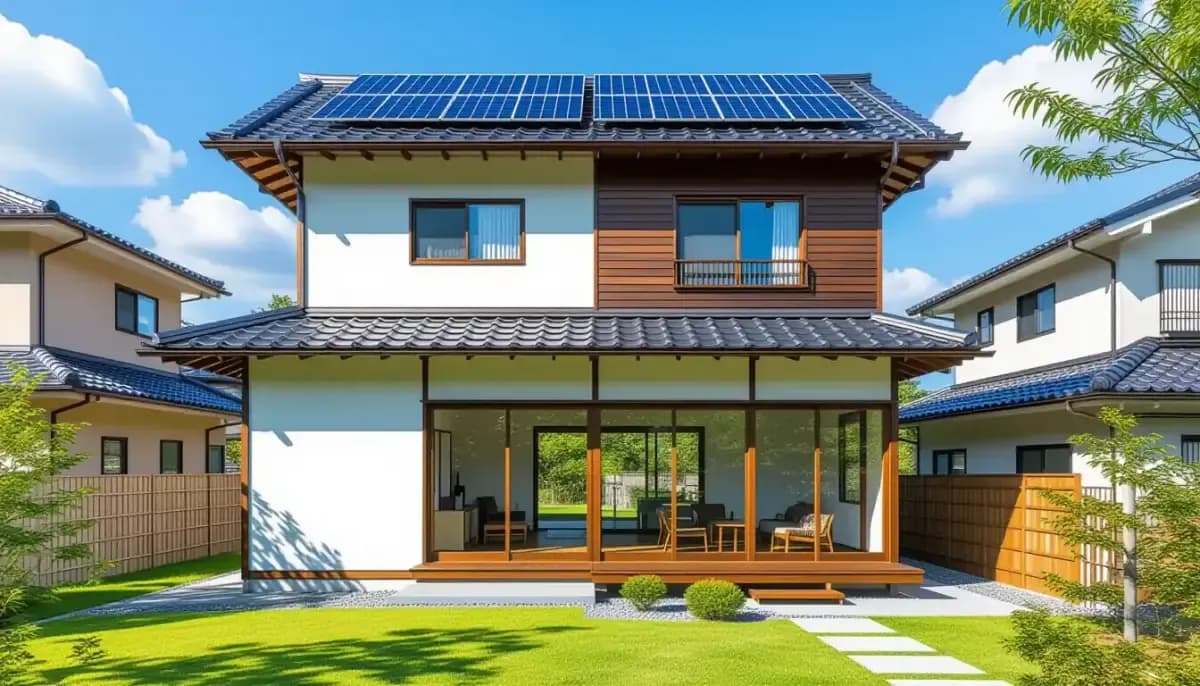
Energy Efficiency Renovation Upgrades for Japan Homes
Complete guide to energy efficiency renovation upgrades for Japan homes. Covers insulation, solar panels, ZEH standards, government subsidies up to ¥2 million, and practical tips for foreign homeowners.
Read more →