
Smart Home Technology Renovation in Japan

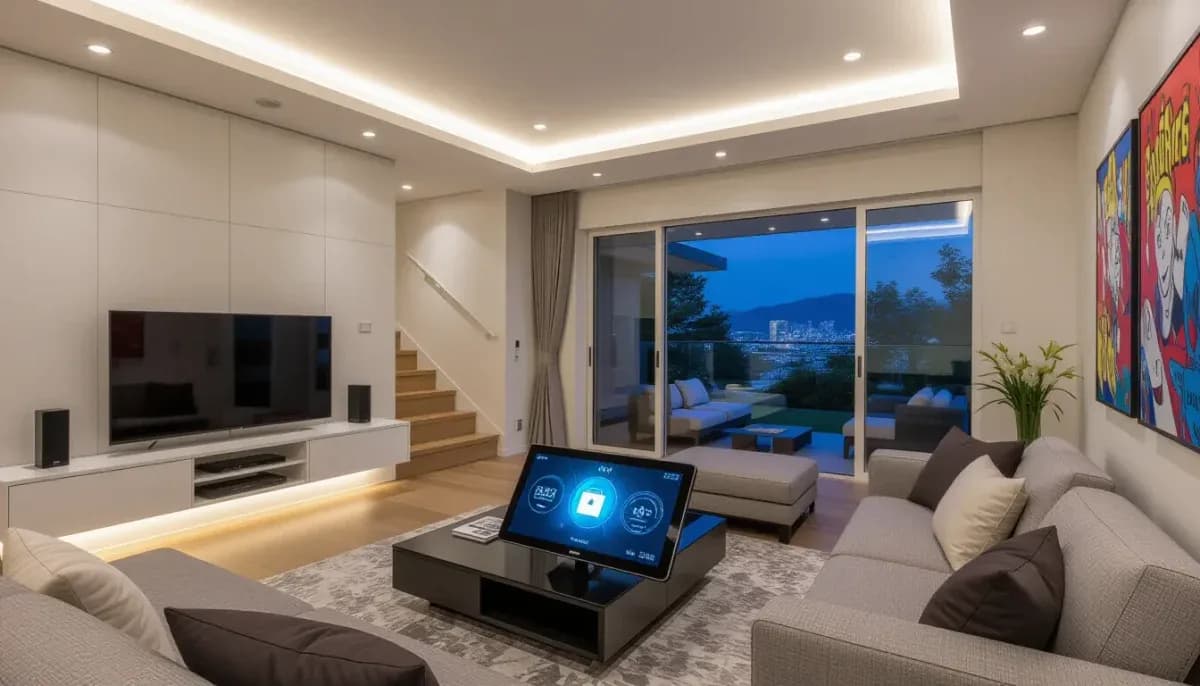
Complete guide to smart home technology renovation in Japan for foreign property owners. Covers devices, costs, PSE certification, electrical rules, and top brands like Panasonic, Google, and Amazon Alexa.
Smart Home Technology Renovation in Japan: A Complete Guide for Foreign Homeowners
Japan is one of the most tech-forward countries in the world, and its smart home sector is expanding rapidly. For foreign homeowners renovating a property in Japan, integrating smart home technology can dramatically improve comfort, energy efficiency, security, and daily convenience. However, navigating Japan's unique ecosystem of devices, regulations, and installation requirements takes some planning. This guide covers everything you need to know about incorporating smart home technology into your Japan renovation project.
Why Smart Home Technology Makes Sense for Japan Properties
Japan's smart home market is booming. The market was valued at USD 8.1 billion in 2024 and is projected to reach USD 22.6 billion by 2033, growing at a compound annual growth rate of 10.80%. Household penetration stands at 77.2% in 2025 and is forecast to approach 99% by 2029 — meaning smart home devices will soon be virtually universal in Japanese homes.
There are several reasons why smart home upgrades are particularly well-suited to Japan:
- Aging population: Japan's over-65 population reached 36.2 million in 2025. Smart home devices offering fall detection, automated lighting, and voice control help elderly residents live independently and safely.
- Energy efficiency: Japan's increasingly strict energy regulations make smart thermostats, lighting, and insulation monitoring systems economically attractive.
- Earthquake preparedness: Automated gas shut-off sensors triggered by seismic activity can prevent fires and gas leaks — a feature uniquely valuable in Japan.
- High property values in urban areas: Smart upgrades can significantly increase a property's resale and rental value in cities like Tokyo and Osaka.
- Remote ownership: Many foreign buyers own investment or vacation properties in Japan. Smart home technology enables remote monitoring and management from overseas.
If you're planning a broader renovation, be sure to read our guide on home renovation and remodeling in Japan for foreign owners for a comprehensive overview of the process.
Smart Home Device Categories and What to Install First
Not all smart home upgrades are equally valuable. The best starting points for Japanese homes depend on the property type, location, and your goals.
| Category | Recommended Devices | Approximate Cost (JPY) | Priority |
|---|---|---|---|
| Voice Assistants | Amazon Echo, Google Nest, LINE Clova | ¥5,000–¥20,000 | High |
| Smart Lighting | Philips Hue, Panasonic Smart Lighting, NEC | ¥8,000–¥50,000/room | High |
| Smart Security | Panasonic HomeHawk, Arlo, Ring (import) | ¥20,000–¥80,000 | High |
| Smart Locks | EPIC, Panasonic, Miwa, Samsung SmartThings | ¥30,000–¥80,000 | High |
| Smart Thermostats | Ecobee (import), Daikin Smart AC | ¥15,000–¥40,000 | Medium |
| Gas Shut-Off Sensors | Yamatake, Hochiki, Rinnai Smart Systems | ¥10,000–¥30,000 | High (earthquake safety) |
| Smart Appliances | Panasonic, Sony, Sharp, Mitsubishi Electric | ¥50,000–¥500,000+ | Medium |
| Smart Intercom | Panasonic Video Door Phone, Aiphone | ¥30,000–¥120,000 | Medium |
Voice Assistants: Starting with a Hub
The most accessible entry point is a voice assistant that acts as a hub for your other devices. In Japan, the most widely supported options are:
- Amazon Alexa (Amazon Echo devices): Strong Japanese language support, wide third-party device compatibility
- Google Home/Nest: Seamless Android integration, excellent Japanese language processing
- LINE Clova: Developed specifically for the Japanese market, deeply integrated with the LINE messaging platform
For foreigners managing properties remotely, Google Home and Amazon Alexa offer the broadest international support and English-language interfaces, making them easier to configure and troubleshoot from abroad.
Navigating Japan's Electrical Certification Requirements
One of the most important — and often surprising — challenges for foreigners installing smart home devices in Japan is electrical certification. Japan uses the PSE (Product Safety Electrical Appliance and Material) mark system, which certifies that electrical products meet Japanese safety standards.
Key rules to understand:
- Most electricians in Japan will refuse to install imported smart switches or electrical devices that lack PSE certification, even if the devices are safe by international standards.
- Installing uncertified electrical devices without a licensed electrician can void your home insurance and create liability issues in case of fire or damage.
- The safest approach is to purchase devices sold through official Japanese retailers (Amazon Japan, Yodobashi Camera, Bic Camera, Kakaku.com) as these are PSE-certified.
What Requires a Licensed Electrician?
In Japan, any work involving the home's main electrical wiring, circuit breakers, or permanent fixture wiring (such as hardwired smart switches replacing existing wall switches) must be performed by a licensed electrician (denkikouji-shi).
Plug-in devices, USB-powered gadgets, and battery-operated smart sensors can typically be self-installed without any license.
For guidance on renovation permits and building codes, see our renovation permit and building code requirements guide.
Japan's 2025 Renovation Laws and Smart Home Upgrades
Starting April 2025, Japan's updated Building Standards Act introduced stricter renovation requirements:
- 50% structural threshold: Renovations affecting more than 50% of principal structural components (walls, foundations, frameworks) now require detailed permits and compliance with updated earthquake safety and energy efficiency standards.
- Energy efficiency mandates: Major renovations must comply with Thermal Insulation Performance Grade 4 and Primary Energy Consumption Grade 4 standards.
- Documentation requirements: All significant renovation work must be thoroughly documented and registered with local authorities.
The good news for most smart home upgrades is that installing devices like smart locks, cameras, voice assistants, and smart lighting does not typically fall under these permit requirements, as these are cosmetic or plug-in additions rather than structural changes. However, installing new wiring, upgrading electrical panels, or modifying HVAC systems may require permits depending on scope.
If you are undertaking a major renovation alongside your smart home upgrade, understanding these regulations is critical. Our Japan home renovation cost guide covers budgeting for comprehensive renovation projects.
Energy Efficiency Smart Home Upgrades
Energy efficiency is increasingly important in Japan due to rising electricity costs and government incentives for eco-friendly homes. Smart home upgrades can play a significant role here.
Smart HVAC and Air Conditioning
Japanese homes almost universally use split-type air conditioners (ductless mini-split systems). Many modern Daikin, Mitsubishi Electric, and Panasonic units come with Wi-Fi adapters that allow remote control via smartphone apps. If your unit doesn't have this capability, aftermarket Wi-Fi adapters are available for many brands.
Smart AC control allows you to:
- Pre-cool or pre-heat the home before arrival
- Monitor energy consumption in real time
- Set schedules to avoid peak electricity pricing
- Integrate with voice assistants for hands-free control
Smart Lighting and Solar Integration
Japan's municipalities increasingly subsidize solar panel installation and battery storage systems for homes. A smart home energy management system (HEMS — Home Energy Management System) can automatically route solar energy to priority devices, charge home batteries during off-peak hours, and reduce grid dependency.
Major domestic HEMS providers include Panasonic, Sharp, and Daikin, all of which integrate with popular smart home platforms.
For a broader view of energy upgrades, see our guide on energy efficiency renovation upgrades for Japan homes.
Smart Security Systems for Foreign Property Owners
Security is a major concern for foreign owners who spend extended periods outside Japan. Smart security systems offer peace of mind through remote monitoring.
Recommended Security Approaches
- IP cameras with cloud storage: Brands like Panasonic HomeHawk, Arlo, and Hikvision offer Japanese-market versions with cloud storage options. Check that your chosen product supports Japanese regulatory compliance for data storage.
- Smart door locks: Japanese smart locks from brands like EPIC (Miwa licensed), Panasonic, and Goal allow keyless entry via smartphone, PIN code, or NFC card. Some models integrate with intercom systems. These are particularly useful for rental properties where you need to manage tenant access remotely.
- Motion sensors and alert systems: Most smart security hubs (Amazon Alexa Guard, Google Nest Aware) support motion-triggered alerts that notify you via smartphone when unusual activity is detected.
- Smart intercom with video: Japanese video intercom systems (a.k.a. TV door phones) from Panasonic and Aiphone are widely available and can integrate with smartphone apps to allow you to see and speak with visitors remotely.
For investment properties, these tools complement your overall property management technology strategy.
Japanese Domestic Brands vs. International Smart Home Products
When building your smart home ecosystem in Japan, you'll face a choice between international brands (Google, Amazon, Philips, Ring) and domestic Japanese brands (Panasonic, Sony, Sharp, Mitsubishi Electric, TOTO). Each approach has trade-offs.
| Factor | International Brands | Domestic Japanese Brands |
|---|---|---|
| Setup language | English interface available | Japanese primary, limited English |
| PSE certification | Usually certified if sold in Japan | Always certified |
| Ecosystem integration | Google/Amazon/Apple HomeKit | Japan-specific platforms |
| Price | Moderate to high | Moderate to very high |
| Repair/support in Japan | Limited local support | Full domestic support network |
| Resale appeal | Good for expat buyers | Good for Japanese buyers |
For most foreign owners, a hybrid approach works best: use international voice assistants (Amazon Echo, Google Nest) as the hub, and pair them with PSE-certified Japanese smart devices for lighting, appliances, and security.
DIY Installation vs. Professional Smart Home Integrators
DIY smart home deployments are the dominant approach in Japan, commanding 62.47% of the market in 2025. For plug-in and battery-operated devices, self-installation is straightforward even without Japanese language fluency, as most major apps support English.
However, for complex multi-room systems or any work involving electrical wiring, hiring a professional smart home integrator is advisable.
Professional Installation Services:
- Smart Homes Japan specializes in design, installation, and integration of smart home systems for residential properties in Japan, with English-language service available.
- Large electronics retailers like Yodobashi Camera and Bic Camera offer professional installation services for home theater and smart appliance setups.
When to DIY:
- Adding smart bulbs and plug adapters
- Setting up voice assistants and streaming devices
- Installing battery-powered smart door locks (exterior locks may still require a locksmith)
- Configuring smart sensors and alarms
When to hire a professional:
- Replacing wall switches with smart switches (requires wiring)
- Installing whole-home HEMS energy management systems
- Integrating solar panels and battery storage with smart controls
- Setting up commercial-grade security systems
Costs and Budgeting for Smart Home Renovation in Japan
The total cost of a smart home renovation depends heavily on scope. Here's a practical budget framework:
| Scope | What's Included | Estimated Budget |
|---|---|---|
| Basic Starter Package | Voice assistant, smart lighting (2–3 rooms), smart lock, 1–2 cameras | ¥80,000–¥200,000 |
| Mid-Range Setup | Above + smart intercom, smart appliances, motion sensors, HEMS display | ¥300,000–¥700,000 |
| Full Smart Home | Whole-home automation, solar HEMS integration, premium security system, smart HVAC | ¥1,000,000–¥3,000,000+ |
Professional installation typically adds 30–50% to device costs. For renovation financing options that can cover smart home upgrades as part of a larger project, see our guide on renovation financing and loan options in Japan.
Government subsidies may be available for energy-efficient upgrades. Japan's ZEH (Zero Energy House) program and local municipality subsidies often apply to HEMS, insulation, and solar-related smart home investments.
Resources for Further Research
Smart home technology in Japan is evolving rapidly. Here are trusted resources to stay current:
- Living in Nihon: Technology & Digital Life Guide for Foreigners — Comprehensive guide to navigating Japan's technology landscape as a foreign resident
- For Work in Japan: Housing & Living Infrastructure Guide — Practical housing guidance for foreigners living and working in Japan
- Gaijin Buy House: Used Property and Renovation Guide — Expert advice on buying and renovating used properties in Japan as a foreigner
- First Step Japan: Smart Homes in Japan — Overview of how smart technology is transforming Japanese homes
- Smart Homes Japan — Professional smart home installation services in Japan
Conclusion
Integrating smart home technology into your Japan renovation is one of the most impactful upgrades you can make as a foreign property owner. Whether your goal is energy savings, remote management, security, or simply modern convenience, Japan's mature and rapidly growing smart home ecosystem offers excellent options at every price point.
The key steps are: prioritize PSE-certified devices, use international voice assistant hubs for English-language ease of use, hire a licensed electrician for any wiring work, and take advantage of government energy efficiency subsidies where available.
For a complete roadmap of your renovation project, start with our home renovation and remodeling guide for foreign owners in Japan and explore our full renovation cost breakdown to plan your budget effectively.

Originally from Vietnam, living in Japan for 16+ years. Graduated from Nagoya University, with 11 years of professional experience at Japanese and international companies. Sharing information about buying property in Japan for foreigners.
View Profile →Related Articles
Renovation Financing and Loan Options in Japan
Complete guide to renovation loan options in Japan for foreign property owners. Covers reform loans, combined purchase loans, Flat 35, government subsidies, and eligibility requirements for expats.
Read more →
Barrier-Free and Accessibility Renovation in Japan
Complete guide to barrier-free accessibility renovation in Japan for foreign homeowners. Learn about kaigo hoken subsidies up to ¥200,000, common modifications, 2025 building code changes, and how to qualify as a foreigner.
Read more →
DIY Home Improvement in Japan: Guide for Foreign Homeowners
Complete guide to DIY home improvement in Japan for foreign homeowners. Learn what projects you can do yourself, home center tips, renovation costs, government subsidies, and step-by-step project guides.
Read more →
Japan Renovation Timeline: How Long Do Projects Take?
Complete guide to Japan renovation timelines for foreign homeowners. Learn how long each phase takes—from planning and permits to construction and move-in—including 2025 building code changes.
Read more →
Renovating a Traditional Japanese House for Modern Living
Complete guide to renovating traditional Japanese houses (kominka, machiya, akiya) for modern living. Costs, subsidies, contractors, permits, and design tips for foreign owners in Japan.
Read more →
Energy Efficiency Renovation Upgrades for Japan Homes
Complete guide to energy efficiency renovation upgrades for Japan homes. Covers insulation, solar panels, ZEH standards, government subsidies up to ¥2 million, and practical tips for foreign homeowners.
Read more →