
Japan New Construction Home Warranty and Guarantee Guide

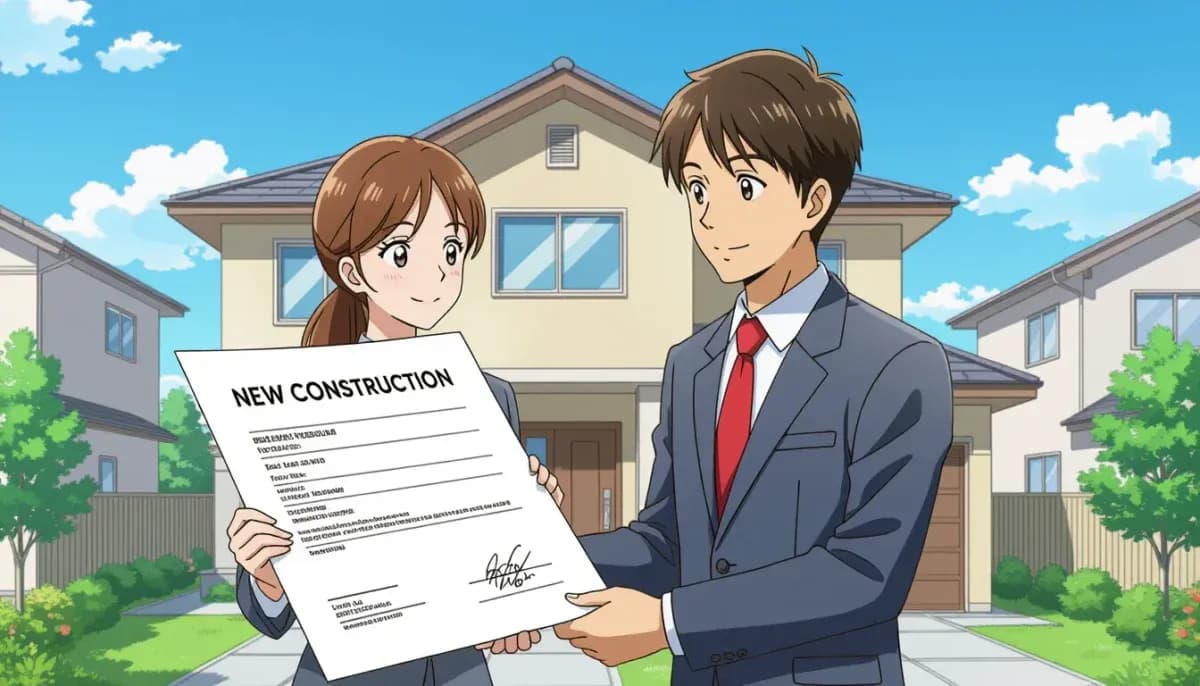
Complete guide to Japan's new construction home warranty system for foreigners. Learn about the 10-year defect liability law, builder after-service programs, Long-Term Quality Housing certification, and how to keep your warranty valid as a foreign buyer.
Japan New Construction Home Warranty and Guarantee Guide for Foreign Buyers
Buying a brand-new home in Japan comes with a powerful set of legal protections that many foreign buyers don't fully understand — or even know exist. Japan's new construction warranty system is among the most structured in Asia, combining mandatory statutory protections with voluntary builder guarantees that can extend decades into the future. This guide explains every layer of warranty coverage you receive when buying a shinchiku (新築, new construction) property in Japan, what it covers, how to use it, and what you need to do as a foreign buyer to keep those protections active.
The Legal Foundation: Japan's 10-Year Mandatory Defect Liability
The cornerstone of Japan's new construction protection system is the Housing Quality Assurance Promotion Law (住宅品質確保促進法, commonly called 品確法 or Hinkakulaw), enacted in 2000. This law mandates that every seller or builder of a new residential property provide a 10-year defect liability period from the date of delivery, covering:
- Structural elements: foundations, pillars, beams, floor slabs, roof panels, and load-bearing walls
- Waterproofing: roofs, exterior walls, windows, and drainage pipes
This is not optional — it is a legal minimum that applies to every new home sold in Japan, regardless of the builder, the price point, or the nationality of the buyer. As a foreign purchaser, you are fully protected under this law on exactly the same terms as any Japanese buyer.
What the 10-year warranty does not cover is equally important to understand: interior finishes (wallpaper, flooring, paint), appliances, and most plumbing and electrical systems fall outside the statutory scope. These are typically handled by shorter builder after-service warranties, which we'll cover in a later section.
The 2009 Enforcement Law: Protection Against Builder Insolvency
A critical concern for any buyer is: what happens if the builder goes bankrupt before I can make a warranty claim? Japan addressed this with the Housing Defect Warranty Enforcement Law (住宅瑕疵担保履行法), which came into force in October 2009. Under this law, developers and builders are legally required to either:
- Purchase defect liability insurance from a government-approved insurer, or
- Make a cash deposit with the Legal Affairs Bureau
This means that even if your builder collapses financially, you retain the ability to make warranty claims against the insurance fund or the deposited cash. This protection is automatic — you don't need to arrange it yourself. Always confirm at closing that your builder has fulfilled this obligation by providing the relevant insurance certificate or deposit documentation.
The 2020 Civil Code Reform: Expanded Buyer Rights
Japan's 2020 Civil Code reform significantly strengthened buyer protections by replacing the old "hidden defect liability" (瑕疵担保責任) system with a new contract non-conformity liability (契約不適合責任) framework. The change matters because the new system gives you four distinct remedies when your home doesn't conform to what was promised in the contract:
| Remedy | Description | When to Use |
|---|---|---|
| Completion Request | Demand the seller repair defects or replace defective components | First step in most cases |
| Price Reduction | Proportional reduction in purchase price | When repairs are refused or incomplete |
| Damages | Compensation for financial losses caused by the defect | When defects cause additional costs |
| Contract Termination | Full rescission of the purchase | For severe defects making the property unusable |
Key deadlines to remember:
- You must notify the seller within 1 year of discovering a defect
- The final enforcement limit is 5 years from discovery or 10 years from delivery, whichever comes first
The shift to contract non-conformity liability also means defects are evaluated against what was contractually promised — not just against some abstract "hidden" standard. Keep all sales contracts, specifications documents, and any marketing materials that describe the property's features, as these form the basis of any claim.
For a deeper look at how defect liability intersects with the buying process, see our guide to Legal Procedures and Documentation for Japan Property Purchase.
Builder After-Service Warranties: Going Beyond the Legal Minimum
Japan's major builders typically offer voluntary after-service programs that significantly exceed the statutory 10-year requirement. These programs include scheduled inspections, maintenance work, and extended warranty coverage — sometimes for decades.
Extended Warranty Programs by Major Builder
| Builder | Initial Extended Term | Maximum Extension |
|---|---|---|
| Sekisui House (積水ハウス) | 30 years | Indefinite with maintenance |
| Daiwa House (大和ハウス) | 30 years | 60 years |
| Hebel House (ヘーベルハウス) | 30 years | 60 years |
| Sumitomo Forestry (住友林業) | 30 years | 60 years |
| Mitsui Home (三井ホーム) | 20 years | Extended with paid inspections |
These extended warranties are conditional. To maintain coverage beyond the initial statutory period, you must:
- Participate in scheduled inspections (typically at 3–6 months, 1 year, 2 years, 5 years, and 10 years)
- Agree to recommended maintenance work identified during inspections
- Pay inspection and maintenance fees as required
The most critical window for foreign buyers is the 2-year mark. Interior finish warranties — covering wallpaper, fixtures, flooring, and similar elements — typically expire at the 2-year point. If you miss the 2-year inspection and fail to report interior defects, you lose the right to have them repaired under warranty. Put this date in your calendar immediately after closing.
For a comprehensive overview of what it means to own new construction in Japan, see our complete guide to buying new construction in Japan and the step-by-step home buying process.
![Japan new construction house with warranty inspection checklist and documents]
The Housing Defect Warranty Insurance System
Japan's government-approved warranty insurance system is the financial backbone behind the 10-year statutory warranty. Five major insurers are licensed to provide this coverage:
- Mamori Sumai (まもりすまい保険)
- Anshin Housing Guarantee (あんしん住宅瑕疵保険)
- JIO (住宅瑕疵担保責任保険)
- House G-Men (ハウスジーメン)
- House Plus (ハウスプラス住宅保証)
What Warranty Insurance Covers
Beyond just repair costs, warranty insurance typically covers:
- Defect repair costs for covered structural and waterproofing elements
- Damage compensation paid to buyers
- Defect investigation and diagnostic fees
- Temporary housing costs during major repairs
- Legal proceedings costs related to warranty disputes
- Insolvency protection — claims proceed even if the builder has gone bankrupt
When you purchase a new home, ask your real estate agent or builder to provide the warranty insurance certificate (保険付保証明書). This document specifies which insurer covers your home, the policy number, and the coverage period. File this in a safe location alongside your property deed.
For more details, Gaijin Buy House has an in-depth explanation of Japan's housing defect warranty insurance system specifically written for foreign property buyers.
Housing Performance Indication System (住宅性能表示制度)
Established in 2000 alongside the Housing Quality Assurance Law, the Housing Performance Indication System (住宅性能表示制度) is a voluntary certification program that evaluates new homes across 10 performance domains with 33 measurable items — 4 of which are mandatory for participating homes.
As of fiscal 2024, approximately 34.2% of new builds participate in this system at the design phase. While voluntary, participation provides buyers with standardized, objective performance data that makes comparison between properties much easier.
Key Performance Domains
| Domain | Items Evaluated | Why It Matters |
|---|---|---|
| Earthquake Resistance | Structural grade (1–3) | Grade 3 = 50% earthquake insurance discount |
| Fire Resistance | Fire-spread prevention rating | Affects insurance costs |
| Durability/Longevity | Structural deterioration prevention | Indicates long-term maintenance needs |
| Thermal Insulation | Energy efficiency grade | Affects heating/cooling costs |
| Sound Insulation | Airborne and impact noise | Quality of life, especially in urban areas |
| Air Quality | Formaldehyde/chemical concentration | Health and safety |
Earthquake resistance grades are particularly important for foreign buyers:
- Grade 1: Meets minimum building code (1× base resistance)
- Grade 2: 1.25× base resistance — required for Long-Term Quality Housing certification
- Grade 3: 1.5× base resistance — maximum grade, qualifies for 50% earthquake insurance discount
The cost of obtaining a Housing Performance Indication certificate runs approximately ¥100,000–¥200,000 for the combined design and construction evaluation. Many builders include this in their standard package; confirm with your builder whether it's included.
![Japan housing performance certificate document showing earthquake resistance grade and energy efficiency ratings]
Long-Term Quality Housing Certification (長期優良住宅)
The Long-Term Quality Housing (長期優良住宅, Choki Yuryo Jutaku) certification represents the highest voluntary standard in Japanese residential construction. As of 2024, approximately 39.3% of new detached homes in Japan are built to this standard — a remarkably high adoption rate that reflects both builder incentives and significant buyer tax benefits.
Certification Requirements
To qualify, a home must meet all 8 of the following criteria:
- Earthquake resistance: Grade 2 or higher (1.25× standard)
- Deterioration prevention: Grade 3 (structure usable approximately 100 years)
- Maintenance planning: Clear long-term maintenance and inspection plan
- Energy efficiency: Grade 5 or higher (Grade 6 for new applications from 2025)
- Barrier-free adaptability: Design allows future modification for aging in place
- Disaster risk resilience: Flood/landslide risk assessment
- Minimum floor area: 75 m² for detached homes; 55 m² for condominiums
- Environment/location: Site is appropriate for long-term habitation
Tax and Financial Benefits
Long-Term Quality Housing certification unlocks substantial financial advantages:
| Benefit | Standard Home | Long-Term Quality Housing |
|---|---|---|
| Mortgage deduction period | 13 years | 13 years |
| Mortgage deduction borrowing limit | ¥30M (¥40M child-rearing) | ¥45M (¥50M child-rearing) |
| Property acquisition tax deduction | ¥1.2M | ¥1.3M |
| Flat 35 rate reduction | Standard | -0.25% for 10 years |
| Earthquake insurance discount | Grade-dependent | Up to 50% |
| Child-rearing housing subsidy | ¥600,000 (eligible) | ¥1,000,000 |
Construction costs for Long-Term Quality Housing are approximately 1.2–1.3× those of a standard new home. However, when you factor in the mortgage deduction increases, Flat 35 rate reductions, lower insurance premiums, and reduced long-term maintenance costs due to superior build quality, the economics often favor certification for buyers planning to hold the property long-term.
See our guide to mortgages and home loans for foreigners in Japan for more on how Long-Term Quality Housing certification affects your financing options.
Practical Guide for Foreign Buyers: Keeping Your Warranty Valid
Foreign buyers face specific practical challenges in maintaining warranty coverage. Here's what you need to do:
At Closing
- [ ] Obtain and file the warranty insurance certificate (保険付保証明書)
- [ ] Obtain and file the after-service manual from your builder
- [ ] Confirm inspection schedule dates (3–6 months, 1 year, 2 years, etc.)
- [ ] Translate key warranty documents or have an interpreter assist at closing
- [ ] Note the 2-year interior finish deadline in your calendar
During the Warranty Period
- Schedule inspections proactively: Do not wait for the builder to contact you. Missed inspections can void extended warranty coverage.
- Extended absences: If you travel outside Japan for extended periods, notify your builder in writing before you leave. Most builders require someone present or accessible during inspection windows.
- Document defects immediately: Photograph and describe any issue as soon as you notice it. The 1-year notification clock starts from the date of discovery, not from when you decide to report it.
- Use interpreters for technical discussions: Warranty inspections involve technical Japanese vocabulary. Having a qualified interpreter ensures you understand what's being inspected and what the builder's findings are.
Language Resources and Support
Major builders including Sekisui House, Daiwa House, and Sumitomo Forestry maintain customer service departments that may have English-speaking staff for initial contact. For detailed technical matters, professional real estate interpreters are strongly recommended.
Japan's dispute resolution system is accessible to foreigners:
- Housing Dispute Review Board (住宅紛争審査会): Designated mediation under 品確法, approximately ¥10,000 per case
- National Consumer Affairs Center (国民生活センター): Free initial consultation
- Housing Reform/Dispute Support Center: Specialist guidance for construction defect disputes
For a comparison of new vs. used property and how warranty coverage factors into that decision, Living in Nihon offers a useful overview of new vs. used property considerations in Japan.
Understanding Fire and Earthquake Insurance
Separate from construction warranties, as a homeowner in Japan you'll need to arrange your own property insurance. The two main types are:
Fire Insurance (火災保険):
- Annual cost: approximately ¥10,000–¥20,000 for a standard new construction home
- Covers: fire, water damage, theft, wind/storm damage (varies by policy)
- Required by most mortgage lenders
Earthquake Insurance (地震保険):
- Annual cost: ¥7,300–¥27,500 depending on region and structure type
- Tokyo/Kanagawa wood-frame home: approximately ¥27,500/year
- Hokkaido/Tohoku: approximately ¥7,300/year
- Coverage cap: 30–50% of fire insurance amount; building maximum ¥50M, contents maximum ¥10M
- Discounts: Grade 2 earthquake resistance = 30% discount; Grade 3 = 50% discount; Long-Term Quality Housing with Grade 3 = maximum discount
Earthquake insurance in Japan is not a full replacement policy — it's designed to provide emergency funds to begin rebuilding, not to fully restore your property. Consider this when evaluating coverage amounts.
For complete information on annual ownership costs including insurance, see our guide to property taxes and annual costs of owning property in Japan.
Additional Resources for Foreign Buyers
For foreigners navigating Japan's new construction warranty landscape, the following external resources provide valuable supplementary information:
- Gaijin Buy House — After-Service & Warranty System Guide: Comprehensive breakdown of Japan's after-service system specifically written for foreign property buyers
- Gaijin Buy House — Housing Defect Warranty Insurance: Detailed guide to the insurance system backing your 10-year warranty
- Gaijin Buy House — Defect Liability and Contract Non-Conformity: Legal guide to the 2020 reform and your rights as a buyer
- For Work in Japan — Living and Working Resources: General guidance for foreigners settling in Japan
Conclusion
Japan's new construction warranty system is genuinely robust — the mandatory 10-year statutory defect liability, backed by insolvency-proof insurance requirements, means you have real legal recourse if structural problems emerge. The 2020 Civil Code reform further strengthened your position by expanding the remedies available to you.
As a foreign buyer, you enjoy exactly the same protections as Japanese buyers. The main challenges are practical: understanding what the warranty covers, keeping track of inspection deadlines, and navigating Japanese-language documentation. With the right preparation — obtaining and filing your warranty insurance certificate, calendaring your 2-year interior inspection deadline, and using professional interpretation services for technical meetings — you can fully leverage these protections.
For the next steps in your new construction purchase journey, see our guides on hidden costs and fees when buying property in Japan and the complete guide to buying property in Japan as a foreigner.

Originally from Vietnam, living in Japan for 16+ years. Graduated from Nagoya University, with 11 years of professional experience at Japanese and international companies. Sharing information about buying property in Japan for foreigners.
View Profile →Related Articles
Energy Efficiency: New Homes vs Old Homes in Japan
Compare energy efficiency in new vs old homes in Japan. Learn about insulation grades, ZEH standards, utility costs, subsidies up to ¥2 million, and how to evaluate any property's energy performance as a foreign buyer.
Read more →
Hidden Problems in Used Properties: What to Check Before Buying
Discover the 4 types of hidden defects in Japanese used properties — physical, psychological, environmental, and legal. Complete inspection checklist, repair costs, and legal protections for foreign buyers.
Read more →
How to Choose a Developer for New Construction in Japan
Learn how to choose the right developer for new construction in Japan as a foreigner. Compare House Makers, local builders, and condo developers with tips on warranties, language support, and red flags.
Read more →
How Property Age Affects Resale Value in Japan
Learn how building age impacts resale value in Japan — statutory depreciation schedules, the critical 1981 seismic code, land vs. building value, and strategies for foreign buyers to maximize returns.
Read more →
How to Negotiate the Price of Used Property in Japan
How to negotiate used property prices in Japan as a foreigner. Covers discount ranges, cultural etiquette, offer strategies, and tips to get the best deal.
Read more →
Buying Off-Plan Property in Japan: Risks and Precautions
A comprehensive guide for foreigners on the financial, legal, construction, and market risks of buying off-plan property in Japan, with a due diligence checklist to protect your investment.
Read more →