
Ryokan and Hotel License vs Minpaku in Japan: Which to Choose?

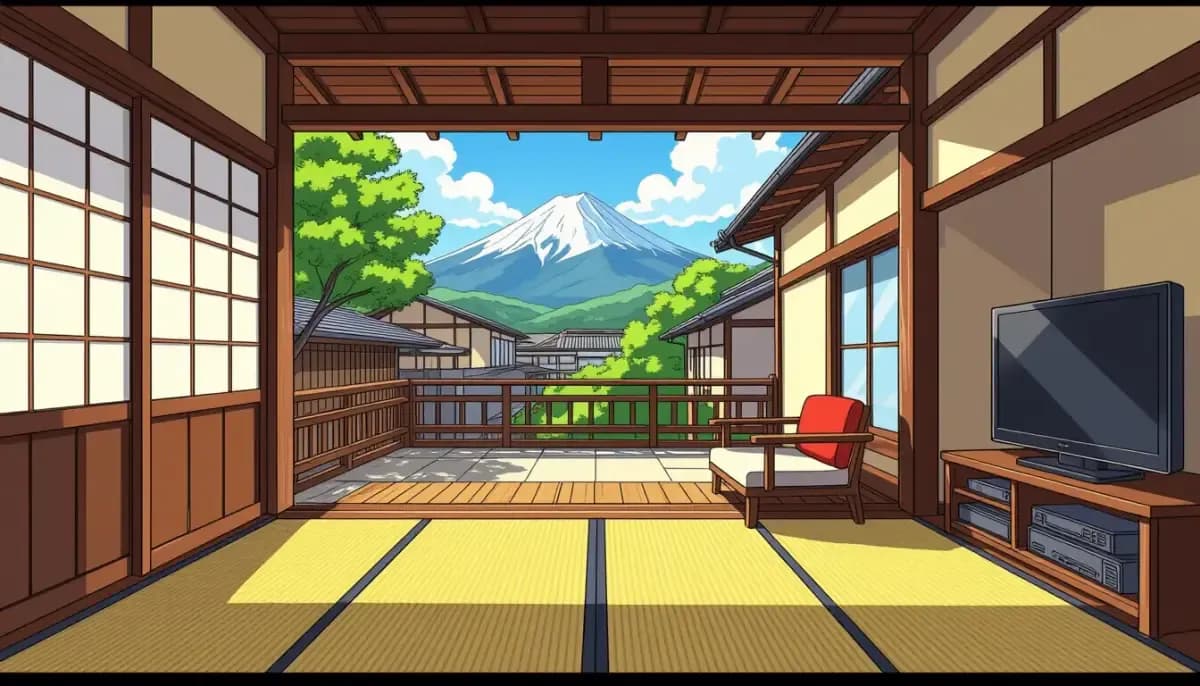
Compare Japan's Ryokan/Hotel Business License and Minpaku Law for short-term rentals. Learn requirements, costs, operating day limits, and which license suits foreign property investors.
Ryokan and Hotel License vs Minpaku in Japan: Which to Choose?
If you own — or are considering buying — property in Japan and want to generate income through short-term rentals, you face a critical decision early on: should you operate under a Ryokan/Hotel Business License or register under the Minpaku (Private Lodging) Law? Both frameworks are legal, but they come with fundamentally different requirements, operational limits, and business models.
This guide breaks down everything you need to know about Japan's three main accommodation licensing paths, helping you choose the right one for your goals, property type, and lifestyle.
Understanding Japan's Three Licensing Frameworks
Japan regulates short-term accommodation through distinct legal frameworks, each designed for different types of operators. Understanding the difference is essential before you invest in a property or start accepting guests.
1. Ryokan Business License (旅館業法 — Hotel Business Act)
The Ryokan Business License (Ryokan Gyouhou) is Japan's original framework for commercial lodging, covering traditional inns (ryokan), hotels, and similar establishments. It allows year-round, unrestricted operation — 365 days annually with no cap on operating days.
To obtain this license, your property must:
- Be located in commercial, quasi-commercial, or semi-industrial zoning (not residential)
- Meet building code requirements as a hotel or ryokan structure
- Pass fire safety inspections (extinguishers, alarms, evacuation systems)
- Have a front desk or smart check-in alternative (amended in 2018)
- Receive approval from fire, city planning, and tourism departments
This path suits operators who want maximum revenue potential and plan to run accommodation as a full-time commercial business.
2. Minpaku Law (民泊新法 — Private Lodging Business Act 2018)
The Minpaku Law, introduced in June 2018, created a formal framework for private short-term rentals — essentially Japan's answer to the global rise of platforms like Airbnb. It is simpler to enter than the Ryokan Business License but comes with a significant constraint: a maximum of 180 operating days per year.
Key requirements under Minpaku Law:
- Notify (register with) your local government health office (Hokenjo)
- Display your registration number on listings
- Provide minimum 3.3 m² of floor space per guest
- Ensure basic kitchen, bathroom, and laundry facilities
- Pass a fire safety inspection appropriate to property size
- If the owner is absent, appoint a licensed Minpaku administrator (property management company)
3. Special Zone Minpaku (特区民泊 — Tokku Minpaku)
Special Zone Minpaku operates in designated National Strategic Special Zones. It historically allowed year-round operation without the 180-day cap, with minimum stay requirements of 2–9 nights. However, as of October 2025, Osaka City — which previously accounted for ~90% of national special zone minpaku registrations — suspended new applications due to high complaint volumes. Tokyo's Ota Ward remains the primary active zone.
Key Differences: Ryokan License vs Minpaku at a Glance
| Feature | Ryokan/Hotel License | Minpaku (Standard) | Special Zone Minpaku |
|---|---|---|---|
| Annual operating days | 365 (unlimited) | 180 days maximum | 365 (if zone active) |
| Zoning requirement | Commercial zones only | Residential zones OK | Designated zones only |
| Application difficulty | High | Low–Medium | Medium |
| Front desk required | Yes (or smart alternative) | No | No |
| Space per guest | Varies by regulation | 3.3 m² minimum | 25 m² minimum |
| Approval bodies | Fire, City, Tourism dept | Local health office | Local government |
| Revenue potential | Highest (year-round) | Moderate (half year) | High (if available) |
| Best for | Full commercial operation | Part-time rental | Long-stay tourists |
Which License Should You Choose?
Choose Minpaku Law if:
- You plan to use the property personally for part of the year (180 days personal + 180 days rental = full year)
- You want the simplest, fastest path to legally renting your property
- Your property is in a residential zone (most Tokyo and Osaka apartments fall here)
- You're testing the short-term rental market before committing to a full commercial operation
- You are a foreign investor living abroad — you can operate legally with a licensed Minpaku administrator handling day-to-day management
The 180-day cap sounds restrictive, but if you price well and target peak seasons (cherry blossom, autumn foliage, summer festivals, New Year), you can generate strong returns within that window. With Japan's tourism boom and average daily rates (ADR) up 22% since 2022 thanks to the weak yen, smart operators are maximizing the 180 days effectively.
Choose Ryokan/Hotel Business License if:
- You want to operate year-round with no seasonal cap
- You plan a commercial-scale operation — multiple rooms, dedicated staff, a professional hospitality product
- Your property is in (or can be rezoned to) a commercial zone
- You are targeting the luxury segment and want the credibility of a fully licensed hotel or ryokan
- You plan to scale into a full hospitality business and need maximum operational flexibility
The Ryokan license has higher barriers — more departments to satisfy, stricter building code requirements, and more complex ongoing compliance — but it unlocks the full potential of Japan's booming inbound tourism market.
What About Foreign Owners Specifically?
Foreigners can legally operate under either framework. The key consideration is physical presence. Under Minpaku Law, if you (the owner) are not residing on-site, you must appoint a registered Minpaku administrator company to manage the property. This is mandatory — not optional. Fortunately, Japan has a growing ecosystem of licensed property management companies that specialize in exactly this role.
For more details on managing property from overseas, see our guide on property management for overseas owners in Japan.
Costs and Financial Reality
Understanding the financial picture is essential before choosing your licensing path.
Minpaku Operating Costs (Osaka Example)
Assume a ¥18 million property in Osaka operated under Minpaku Law:
- 150 annual operating days at ¥8,000/night average → ¥1.2 million gross revenue
- Cleaning fees, management company fees (15–20%), utilities: approximately ¥400,000–500,000
- Net yield: approximately 1.5–1.7% annually
This is lower than a standard long-term rental yield but does not account for personal use value or capital appreciation.
Ryokan License Costs
Initial setup under a Ryokan Business License typically requires:
- Building renovations to meet commercial building code: ¥1–5 million+
- Fire safety upgrades: ¥200,000–600,000
- Application and permit fees: ¥50,000–200,000 depending on prefecture
- Ongoing compliance costs: Regular inspections, staff training, etc.
The higher upfront cost is offset by unlimited operating days and the ability to price at premium hospitality rates year-round.
Tax Obligations for Both Frameworks
Both license types are subject to:
- Income tax on rental earnings (Japan's progressive rates apply)
- Consumption tax (10%) if annual revenue exceeds ¥10 million
- Fixed asset tax and city planning tax on the property itself
- Accommodation tax: ¥100–¥200 per person per night in Tokyo (applies to registered minpaku properties)
For a full breakdown of ownership costs, see Property Taxes and Annual Costs of Owning Property in Japan.
Legal Risks of Operating Without a License
This cannot be overstated: operating accommodation without the correct license in Japan is illegal and carries serious penalties.
Under Japan's Hotel Business Act, unauthorized operation is punishable by:
- Imprisonment of up to 6 months, or
- A fine of up to 1 million yen (approx. USD 6,600), or
- Both
Local governments have been increasing enforcement, particularly in tourist-heavy areas like Kyoto, Tokyo, and Osaka. Before accepting any paying guests, ensure your registration or license is fully in place.
Step-by-Step: Getting Your Minpaku Registration
For most foreign investors, Minpaku Law is the practical starting point. Here's a simplified overview of the registration process:
- Verify zoning: Confirm your property's zoning allows minpaku (check with local ward office)
- Check condominium rules: If you own a condo/mansion, get owner association (kanri kumiai) approval — many prohibit minpaku
- Prepare documents: ID/passport, residence certificate or corporate registration, floor plans, building ownership proof
- Appoint a management company (if owner-absent): Choose a licensed Minpaku administrator
- Fire safety inspection: Pass inspection by local fire department
- Submit notification: File with your local health office (Hokenjo)
- Receive registration number: Display on all listings within 10 days of notification
- Launch listings: List on Airbnb, Booking.com, or other platforms with registration number displayed
The entire process typically takes 1–3 months depending on your municipality.
Market Context: Why Now Is a Strong Time to Consider Short-Term Rentals
Japan's inbound tourism has surpassed pre-pandemic levels, and the weak yen continues to attract record numbers of international visitors. Key market signals:
- Over 30,000 active minpaku properties operating nationally as of 2025
- Hotel average daily rates (ADR) up 22% since 2022
- Japan welcomed over 36 million inbound visitors in 2024
- Peak season occupancy in major cities regularly exceeds 85%
These conditions create a genuinely favorable environment for short-term rental operators — but only those operating legally. Platforms like Airbnb actively screen for registration numbers and delist properties that fail compliance checks.
For broader context on Japan's real estate investment landscape, see our Japan Real Estate Investment Guide for Foreigners and our dedicated guide to Short-Term Rentals and Airbnb (Minpaku) in Japan for Foreigners.
Additional Resources
For further reading on accommodation types in Japan, including the difference between share houses, guest houses, and short-term stays, Living in Nihon's guide on share houses vs. guest houses provides useful context on Japan's accommodation landscape.
Foreign workers considering real estate investment alongside their career in Japan will find For Work in Japan's housing and living infrastructure guide a practical starting point for understanding housing options.
For foreigners specifically interested in building a minpaku or Airbnb business in Japan, Gaijin Buy House's comprehensive rental business and minpaku guide covers investment strategies, licensing requirements, and operational realities in depth.
Additional expert resources include the Tokyo Portfolio breakdown of minpaku, ryokan, and rental differences and Airhost's comparison of the two main regulatory frameworks.
Final Decision Framework
Ask yourself these questions to determine the right path:
Will you live in or visit the property regularly? → Yes → Minpaku (use it yourself the other half the year) → No → Consider Ryokan license for full-year revenue
Is your property in a residential or commercial zone? → Residential → Minpaku (or check special zone status) → Commercial → Ryokan Business License is possible
Are you testing the market or running a full business? → Testing → Minpaku's lower barrier makes sense → Full business → Ryokan License gives maximum operational scope
Are you based outside Japan? → Yes → Either works, but you must appoint a licensed administrator under Minpaku; Ryokan may require local representation too
Both licensing paths offer legitimate routes to legally earning income from Japanese property. The right choice depends on your investment scale, location, timeline, and operational goals. When in doubt, consult a certified judicial scrivener (shiho shoshi) or a specialist real estate attorney familiar with Japan's hospitality licensing requirements.
For more on the full process of acquiring property to generate rental income in Japan, explore our complete guide on Rental Property Investment in Japan for Foreign Landlords.

Originally from Vietnam, living in Japan for 16+ years. Graduated from Nagoya University, with 11 years of professional experience at Japanese and international companies. Sharing information about buying property in Japan for foreigners.
View Profile →Related Articles
Minpaku Penalties and Non-Compliance Risks in Japan
Learn about minpaku penalties in Japan including fines up to ¥1,000,000, real enforcement cases, and how to avoid non-compliance risks as a foreign property owner.
Read more →
Minpaku Insurance and Liability Guide for Japan Property Owners
Essential insurance and liability guide for minpaku operators in Japan. Covers fire insurance, earthquake coverage, personal liability, Airbnb Host Insurance, and compliance requirements under Japan's minpaku law.
Read more →
How to Set Up and Furnish a Minpaku Property in Japan
Complete guide to setting up and furnishing a minpaku short-term rental property in Japan. Covers legal requirements, mandatory furnishings, city restrictions, registration steps, and financial realities for foreign owners.
Read more →
Tax Obligations for Minpaku Operators in Japan
Complete guide to tax obligations for minpaku (short-term rental) operators in Japan. Covers income tax rates, deductible expenses, non-resident rules, local taxes, and filing requirements for foreign property owners.
Read more →
Special Zone Minpaku (Tokku) in Japan Explained
Learn how Special Zone Minpaku (Tokku Minpaku) works in Japan. Covers eligible zones, certification process, stay rules, and whether foreign owners can operate year-round Airbnb properties.
Read more →
Japan Airbnb Income Potential and Revenue Analysis
How much can you earn from Airbnb in Japan? Detailed revenue analysis by city: Tokyo earns ¥6.3M/year, Osaka ¥4.4M/year. Income projections, cost breakdowns, and ROI data for foreign owners.
Read more →