
Japan Detached House Maintenance Costs and Responsibilities

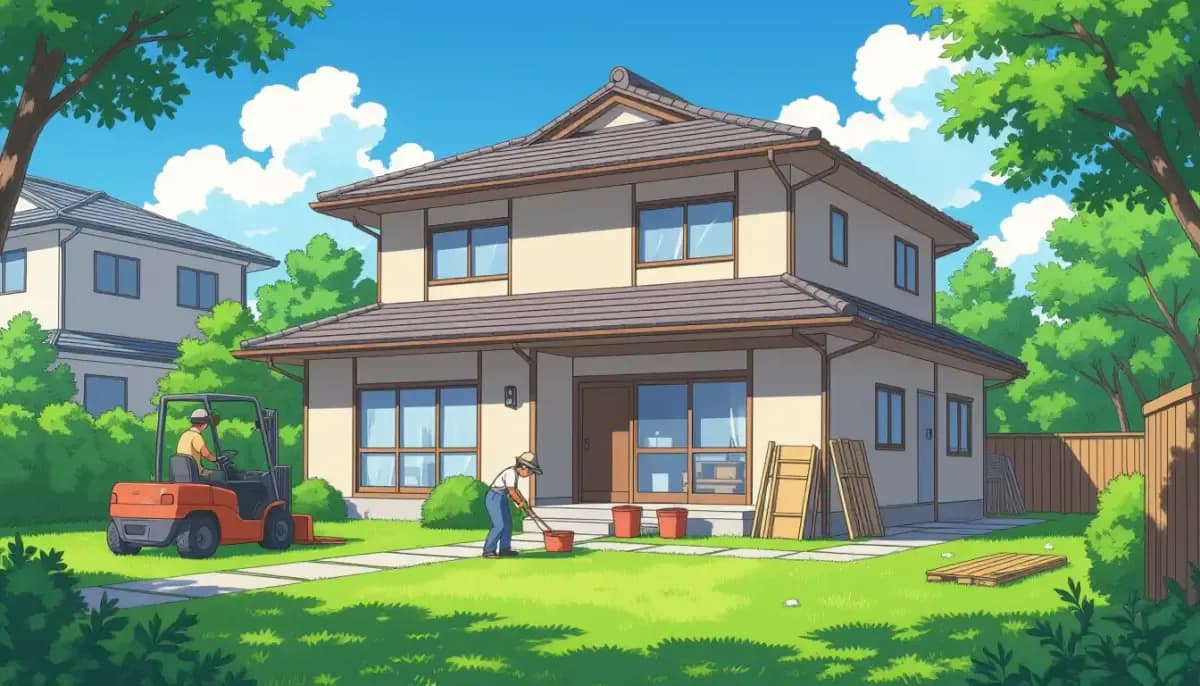
A complete guide to detached house maintenance costs and responsibilities in Japan for foreign owners. Learn annual budgets, major repair costs, insurance requirements, and practical tips for managing your Japanese property.
Japan Detached House Maintenance Costs and Responsibilities: A Complete Guide for Foreign Owners
Owning a detached house (一戸建て, ikkodate) in Japan is a dream for many foreign residents and investors. Unlike buying a condominium, a detached house gives you full control over your property — but it also means you bear sole responsibility for every repair, inspection, and maintenance task. For foreigners unfamiliar with Japanese housing standards and practices, understanding what you're signing up for is critical before making a purchase.
This guide breaks down the real maintenance costs and responsibilities that come with owning a detached house in Japan, from routine annual upkeep to major one-off expenses — so you can budget confidently and avoid expensive surprises.
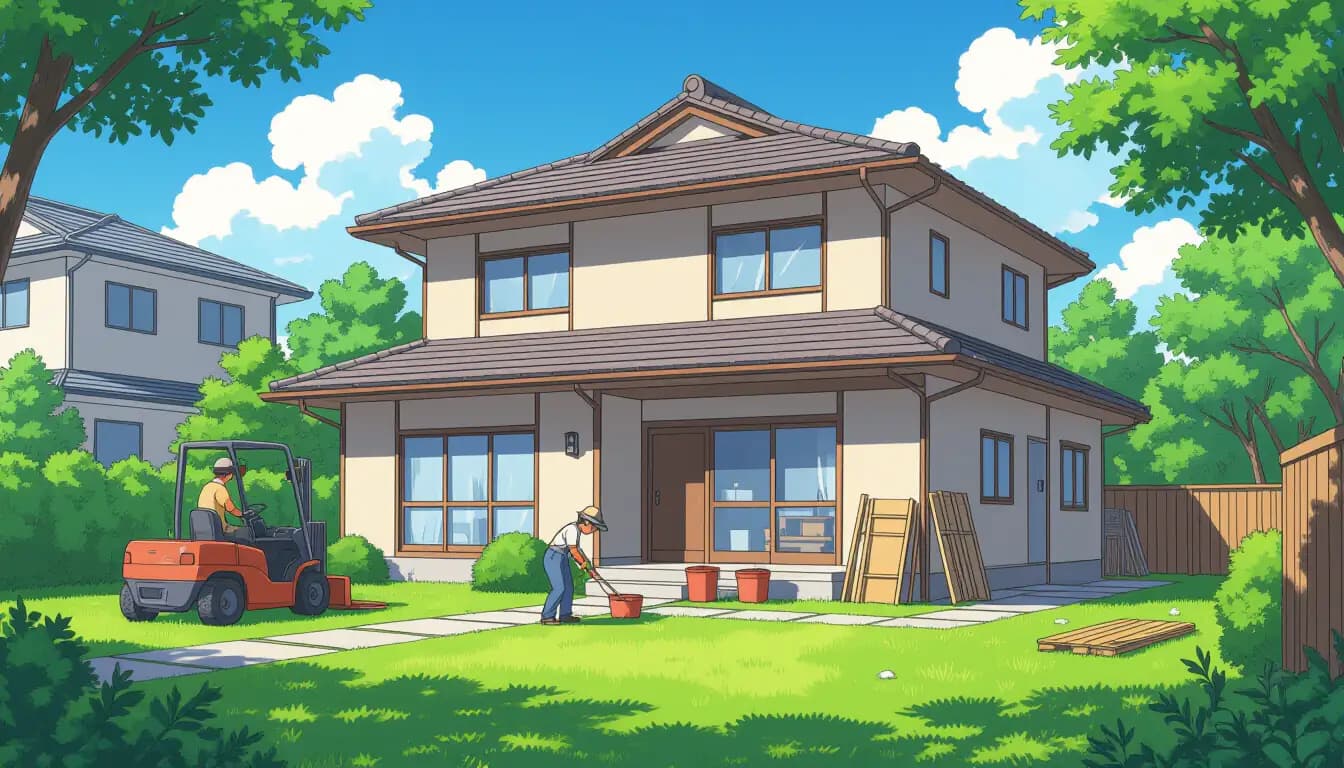
Why Maintenance Costs for Detached Houses Are Different in Japan
Japan's climate — humid summers, freezing winters, and frequent typhoons and earthquakes — takes a hard toll on residential buildings. Most detached houses in Japan are built from wood, which is excellent for earthquake resilience but requires regular maintenance against moisture, rot, and termites.
One critical advantage of detached house ownership over condominium ownership is that there are no mandatory homeowners association (管理費) fees. Condominium owners pay ¥10,000–¥30,000 per month in management fees plus a repair reserve fund. With a detached house, you keep that money — but you're also fully responsible for funding all repairs yourself.
The key principle: what you save in monthly fees, you must save as maintenance reserves.
For a general overview of property types and what ownership entails, see our guide: Types of Properties Available in Japan: A Complete Guide.
Annual Maintenance Budget: What to Expect
Most experienced expat homeowners and financial advisors recommend setting aside ¥15,000–¥25,000 per month (¥180,000–¥300,000 annually) in a dedicated maintenance reserve fund. For older homes (20+ years), budget at the higher end.
Here is a breakdown of typical annual recurring and periodic costs:
| Maintenance Item | Frequency | Estimated Cost (¥) |
|---|---|---|
| General cleaning & minor repairs | Annual | ¥30,000–¥80,000 |
| Air conditioner servicing | Annual | ¥10,000–¥20,000 per unit |
| Gutter cleaning | 1–2x per year | ¥15,000–¥30,000 |
| Garden/yard maintenance | Monthly | ¥5,000–¥30,000/month |
| Termite inspection | Every 3–5 years | ¥20,000–¥50,000 |
| Exterior painting | Every 10–15 years | ¥500,000–¥1,500,000 |
| Roof repair/recoating | Every 10–20 years | ¥300,000–¥800,000 |
| Plumbing repairs | As needed | ¥50,000–¥200,000 |
| Water heater replacement | Every 10–15 years | ¥150,000–¥300,000 |
| Fire/earthquake insurance | Every 5 years | ¥20,000–¥100,000 |
Total annual budget (excluding major periodic work): ¥100,000–¥500,000 for most homes.
For related costs like property taxes and annual fees, see: Property Taxes and Annual Costs of Owning Property in Japan.
Routine Annual Responsibilities
Cleaning and Minor Repairs
Every year, homeowners should budget for small but essential tasks:
- Gutter cleaning: Blocked gutters cause water damage to foundations and walls. Cleaning typically costs ¥15,000–¥30,000 per visit.
- Air conditioner filter cleaning: Ideally done twice a year. Professional servicing runs ¥10,000–¥15,000 per unit.
- Bathroom and kitchen caulking: Silicone sealants around baths and sinks degrade over time. Replacing costs ¥5,000–¥15,000 for DIY or contractor.
- Smoke detectors and alarms: Japanese law requires working smoke detectors in all rooms. Replacing batteries annually is minimal cost.
Garden and Exterior Grounds
If your detached house comes with a garden (most do), factor in ongoing costs:
- Small yard maintenance: ¥5,000–¥10,000 per month if hiring a professional
- Large garden with trees and hedges: ¥20,000–¥50,000 per visit for professional trimming
- Driveway or parking area: Weeding and pressure washing costs ¥5,000–¥20,000 annually
Many foreign owners who are not permanent residents hire a property management company to handle these tasks. This typically costs ¥5,000–¥15,000 per month on top of actual work costs.
Major Periodic Maintenance: The Big Budget Items
These are the expenses that catch unprepared homeowners off guard. Plan for them from day one.
Exterior Painting and Waterproofing
Japan's humid climate means exterior paint degrades significantly every 10–15 years. Failing to repaint leads to moisture intrusion, mold growth, and structural damage to the wooden frame.
- Cost: ¥500,000–¥1,500,000 for a standard 100m² home
- Frequency: Every 10–15 years
- DIY option: Not recommended — professional scaffolding, weatherproof paint, and sealing expertise is required
Roof Maintenance and Replacement
Japan's rainy season, typhoons, and heavy snow in some regions cause significant roof wear. Common roofing materials include:
- Ceramic/clay tiles (瓦): Highly durable, may last 50+ years with minor repairs
- Metal roofing: Needs recoating every 15–20 years (¥300,000–¥600,000)
- Colorbond/colonial style: Requires recoating every 10–15 years (¥300,000–¥500,000)
Important tip: Roof damage from typhoons or heavy rain can often be claimed through your fire insurance policy. One expat on RetireJapan forums reported recovering ¥400,000 on a ¥650,000 roof repair through insurance.
Termite Treatment (シロアリ対策)
Japan has a significant termite problem, particularly in wooden homes in humid regions. Termite damage can silently destroy the structural integrity of a home over years.
- Preventive treatment: ¥20,000–¥50,000 every 3–5 years
- Damage repair: Can range from ¥100,000 to several million yen if left untreated
- New homes: Most come with a 5-year termite warranty from the builder
Do not skip termite inspections. This is one of the most common and costly mistakes foreign buyers make when purchasing older Japanese homes.
Plumbing System Upgrades
Homes built before the 1990s often have galvanized steel pipes that corrode over time, leading to rust-colored water and leaks.
- Full pipe replacement: ¥500,000–¥1,500,000
- Partial repairs: ¥50,000–¥200,000
- Water heater (給湯器) replacement: Every 10–15 years, costs ¥150,000–¥300,000 including installation
For homes with septic systems (浄化槽) rather than mains sewage, additional maintenance is required:
- Annual inspection: Legally required, typically ¥30,000–¥50,000
- Pumping/cleaning: Every 1–3 years, costs ¥20,000–¥40,000
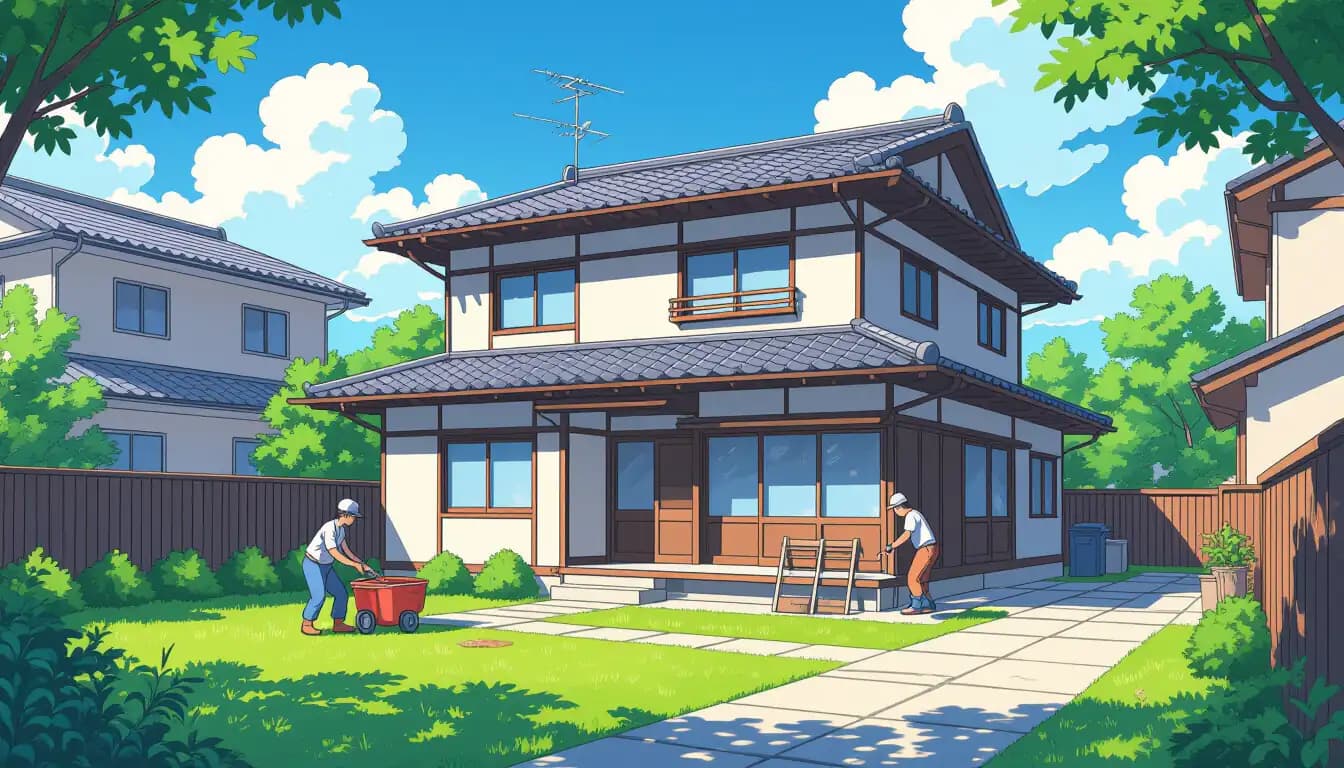
Insurance: Essential Protection for Detached House Owners
Fire Insurance (火災保険)
Despite the name, Japanese fire insurance covers far more than fires — it typically includes:
- Typhoon and storm damage
- Water damage and flooding
- Theft
- Accidental damage
Cost: ¥20,000–¥50,000 for a 5-year policy for a standard wooden detached house. Premiums are higher for wooden homes than concrete structures.
Recommended: Get the maximum coverage period (up to 10 years) to lock in rates.
Earthquake Insurance (地震保険)
Earthquake insurance in Japan is sold as an add-on to fire insurance and cannot be purchased independently.
- Coverage: Up to 50% of the fire insurance payout value
- Cost: Approximately 30–50% of your fire insurance premium
- Highly recommended: Japan experiences thousands of earthquakes annually
For a typical detached house insured at ¥10 million, expect to pay ¥30,000–¥70,000 every 5 years for combined fire and earthquake insurance.
See also: Hidden Costs and Fees When Buying Property in Japan
Property Taxes: Your Annual Financial Obligation
Every Japanese property owner, including foreigners, must pay annual property taxes. There are two components:
- Fixed Asset Tax (固定資産税): 1.4% of the assessed value per year
- City Planning Tax (都市計画税): Up to 0.3% of assessed value (applies in designated urban areas)
Example: For a home with an assessed value of ¥20 million:
- Fixed asset tax: ¥280,000
- City planning tax: ¥60,000
- Total annual tax: ¥340,000
Note that the assessed value (課税標準額) is typically 60–70% of market value, so a property purchased for ¥30 million may have an assessed value of ¥18–21 million.
New homes often receive tax reductions for the first 3–5 years. For detailed guidance, see: Property Taxes and Annual Costs of Owning Property in Japan.
Total Annual Cost of Owning a Detached House in Japan
When you add up all recurring and averaged periodic costs, here's what to expect annually:
| Cost Category | Annual Cost (¥) |
|---|---|
| Property taxes (fixed asset + city planning) | ¥200,000–¥500,000 |
| Fire and earthquake insurance (amortized) | ¥10,000–¥30,000 |
| Routine maintenance (cleaning, servicing) | ¥50,000–¥150,000 |
| Major maintenance reserve (averaged) | ¥100,000–¥300,000 |
| Utilities (electricity, gas, water, internet) | ¥300,000–¥420,000 |
| Total | ¥660,000–¥1,400,000 |
This aligns with data from AkiyaWeekly, which estimates total annual ownership costs for standalone houses at ¥610,000–¥1,220,000.
Practical Tips for Foreign Homeowners Managing Maintenance in Japan
Build a Reliable Network of Contractors
Language barriers can make finding reliable contractors difficult. Here are strategies:
- Ask your real estate agent for referrals — they often have trusted contractor networks
- Use platforms like HomeAdvisor Japan or Houzz Japan to find vetted professionals
- Check local Facebook expat groups for personal recommendations
- Hire a bilingual property manager if you're not confident in Japanese
Know When to Call a Professional
In Japan, the following always require licensed professionals:
- Any gas appliance installation or repair (gas plumbers only)
- Electrical work inside walls (licensed electricians)
- Structural modifications or additions
Leverage the "Akiya" Market Wisely
If you purchased an older or akiya (vacant) property, budget for significantly higher initial maintenance costs. Many akiya require ¥2–5 million in repairs before being habitable. Plan these costs into your purchase decision.
For guidance on purchasing older properties, visit Gaijin Buy House - Property Management & Maintenance Guide for comprehensive advice tailored to foreign buyers managing Japanese properties.
Create a Maintenance Calendar
Japanese contractors are often booked months in advance, especially post-typhoon season. Create an annual maintenance calendar covering:
- March–April: Pre-rainy season gutter cleaning
- June–September: Air conditioner servicing before and after summer
- October–November: Exterior inspection after typhoon season
- January–February: Interior inspection during cold season
For broader guidance on living and managing property in Japan, Living in Nihon's Property and Mortgage Guide offers detailed resources for foreign homeowners. You can also find employment-linked housing information at For Work in Japan's Housing Guide.
Frequently Asked Questions
Do I need to join a neighborhood association (自治会)? Membership is technically voluntary, but it's strongly encouraged. Fees are typically ¥300–¥1,000 per month and cover communal area maintenance and local event costs.
Is a home warranty available when buying a used house in Japan? Under Japan's Housing Quality Assurance Act, new homes come with a 10-year structural warranty. For used homes, a home inspection (住宅診断, jutaku shindan) is highly recommended before purchase to identify upcoming major repair needs.
Can I manage maintenance remotely if I live abroad? Yes, but you'll need a property management company. Expect to pay 5–15% of rental income (if renting) or ¥5,000–¥20,000 per month for basic caretaking services.
How do I find a reliable home inspector before buying? The Japan Association of Building Surveyors (JABS) and JSHI (Japan Society of Home Inspectors) can help you find certified inspectors. Inspections typically cost ¥50,000–¥100,000.
Conclusion
Owning a detached house in Japan offers significant lifestyle and financial benefits — but it requires proactive budgeting and maintenance planning. Unlike condominiums where fees are automatic, detached house owners must self-fund all upkeep. The good news: with a maintenance reserve of ¥15,000–¥25,000 per month and awareness of the major periodic expenses, most homeowners can manage their property comfortably.
Start your maintenance planning early, build local contractor relationships, and don't underestimate the impact of Japan's climate on wooden structures. Your investment will hold its value — and your home will remain safe and livable — for decades to come.
For more on the full process of buying a property in Japan, read our Complete Guide to Buying Property in Japan as a Foreigner.

Originally from Vietnam, living in Japan for 16+ years. Graduated from Nagoya University, with 11 years of professional experience at Japanese and international companies. Sharing information about buying property in Japan for foreigners.
View Profile →Related Articles
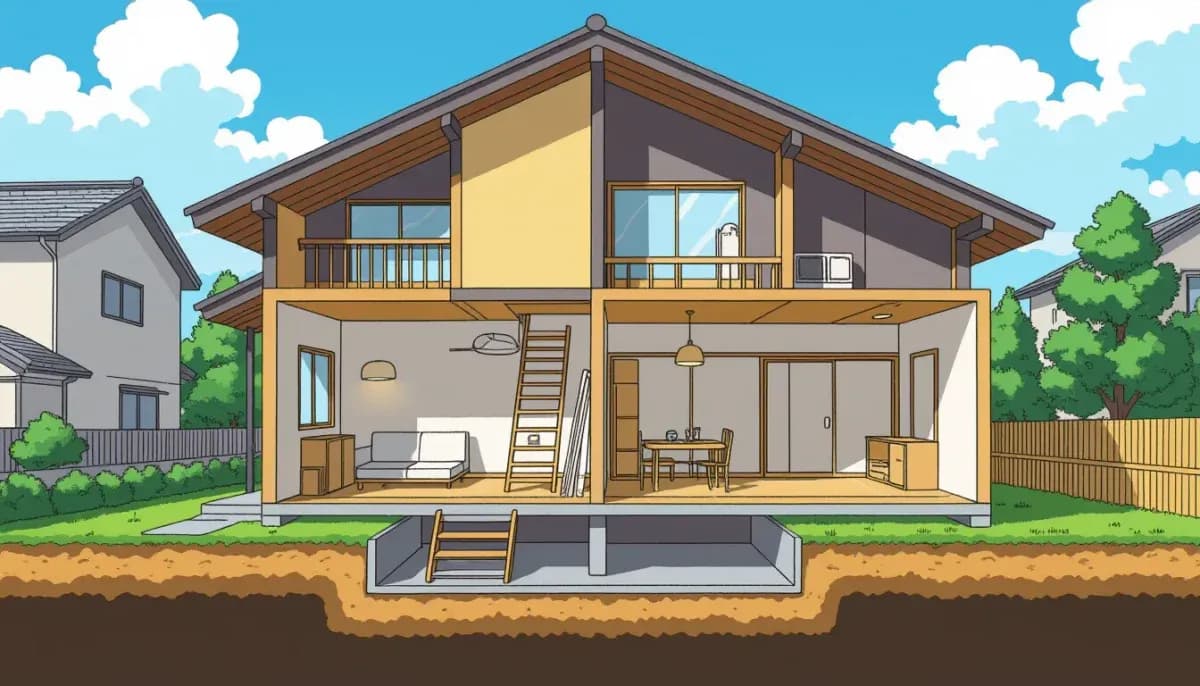
Privacy and Noise Insulation in Japanese Houses
A complete guide to privacy and noise insulation in Japanese houses for foreign buyers. Learn how RC, steel, and wood construction affects noise levels, plus practical soundproofing tips.
Read more →
Japan House Lifespan and Depreciation Explained
Learn how Japanese house depreciation works, statutory useful life by construction type, genka shoukyaku tax rules, and how to factor depreciation into buying property in Japan as a foreigner.
Read more →
Japan House Structure Types: Wood, Steel, and Reinforced Concrete
A complete guide to Japan house structure types for foreign buyers: wooden (木造), steel (鉄骨), and reinforced concrete (RC) construction — costs, earthquake safety, lifespan, and what to check when buying.
Read more →
Small House Design and Compact Living in Japan
Discover the principles of Japanese small house design and compact living. Learn space-saving techniques, Japanese design philosophy, and practical tips for foreigners living in small homes in Japan.
Read more →
Two-Family House (Nisetai Jutaku) in Japan Explained
Everything foreigners need to know about buying a nisetai jutaku (two-family house) in Japan — types, tax benefits, costs, and legal considerations for foreign buyers.
Read more →
Parking and Garage Requirements for Japan Houses
Learn Japan's parking and garage requirements for homeowners. Everything about the Shako Shomeisho certificate, types of residential parking, costs by region, and tips for foreigners buying property in Japan.
Read more →