
Kitchen Renovation in Japan: Western-Style Upgrade Guide

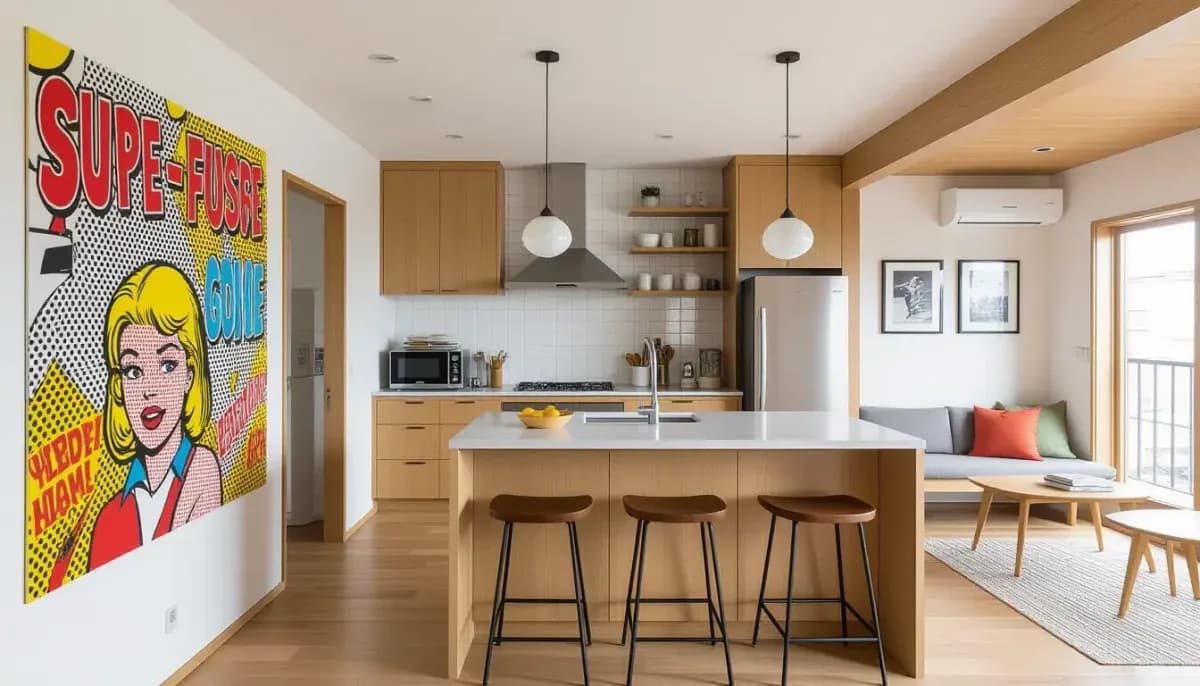
Complete guide to upgrading your Japanese kitchen to Western style. Covers costs (¥500,000–¥5,000,000+), system kitchens, open-concept conversions, appliances, subsidies, and tips for foreign homeowners.
Kitchen Renovation in Japan: Western-Style Upgrade Guide
If you've bought a home in Japan — whether a sleek Tokyo apartment or a rustic akiya in the countryside — you've probably stared at the kitchen and thought: this needs work. Traditional Japanese kitchens are designed around different cooking habits, appliance sizes, and spatial philosophies than what most Westerners are used to. The good news? Upgrading to a Western-style kitchen is very achievable in Japan, and this guide walks you through everything you need to know: costs, processes, common challenges, and smart strategies for getting results you'll love.
Understanding Japanese vs. Western Kitchens
Before diving into renovation plans, it helps to understand what makes Japanese kitchens different and why those differences exist.
Traditional Japanese kitchen features:
- Compact layout optimized for Japanese cooking methods (boiling, steaming, stir-frying)
- 2-burner IH or gas cooktops instead of 4–6 burner Western ranges
- Minimal oven space — many traditional kitchens lack ovens entirely
- Small countertops with limited prep area
- No dishwasher or integrated appliance space
- Separate or enclosed layout, often divided from the living/dining area by walls
What Western-style renovation typically means:
- Open-concept layout connecting kitchen to living/dining space
- Larger countertops for meal prep
- Island or peninsula counters for additional workspace and seating
- Full-size oven and Western-style range
- Integrated dishwasher
- Built-in storage with modern cabinetry
Understanding these differences helps you set realistic expectations. Some upgrades are purely cosmetic and affordable; others — like knocking down walls or reconfiguring the plumbing — require permits and significant investment.
For a broader perspective on renovation options in Japan, see our guide on Home Renovation and Remodeling in Japan for Foreign Owners.
Kitchen Renovation Costs in Japan: What to Budget
Cost is typically the first concern, and Japan has a wide range depending on scope of work. Here's a breakdown:
| Renovation Type | Estimated Cost (JPY) | Notes |
|---|---|---|
| Cosmetic refresh (paint, hardware, lighting) | ¥30,000 – ¥150,000 | DIY possible; minimal permits needed |
| System kitchen replacement (same layout) | ¥500,000 – ¥1,000,000 | Full unit swap with no structural changes |
| Wall-mount to island kitchen conversion | ¥550,000 – ¥2,000,000 | Requires plumbing/electrical work |
| Full open-concept renovation (wall removal) | ¥1,500,000 – ¥5,000,000+ | Structural work, permits required |
| Comprehensive skeleton renovation | ¥3,500,000 – ¥20,000,000 | Full interior gut and rebuild |
Key budgeting advice: Japanese renovation projects frequently exceed initial estimates by 20–30% due to hidden structural issues, regulatory adjustments, or material costs. Always budget 130–150% of the contractor's initial quote to be safe.
The Japan kitchen appliances market was valued at USD 10.43 billion in 2025 and continues to grow, meaning modern, quality appliances are widely available — though imported Western-brand appliances (like AGA cookers or certain European brands) may require special ordering.
Step-by-Step: Planning Your Kitchen Renovation
Step 1: Assess Your Current Kitchen
Start by measuring everything and documenting what exists:
- Dimensions of the entire kitchen space
- Location of gas lines, water supply, and drainage
- Electrical outlet positions and amperage (Japan runs 100V, which affects some appliances)
- Ventilation and exhaust fan location
- Structural walls vs. partition walls
If you're in a condominium (mansion), check your management association rules — many prohibit changes to plumbing locations or structural modifications without formal approval.
For detached houses, you have more flexibility. Read more about buying a detached house in Japan to understand property-specific considerations.
Step 2: Define Your Goals
Decide which features matter most to you:
- Open-concept layout — requires wall removal (structural or partition)
- Island counter — requires relocating plumbing if sink is included
- Full oven — requires adequate ventilation and potentially new electrical circuit
- Dishwasher integration — requires plumbing connection
- More counter space — achievable through cabinetry alone if layout stays the same
Prioritizing helps manage costs if your budget is limited.
Step 3: Get Multiple Quotes
Always get quotes from at least 3 contractors. Ask for itemized quotes so you can compare line by line. Key things to include in your brief:
- Scope of structural changes (if any)
- System kitchen model preferences
- Appliances to be installed
- Any special requirements (Western-size oven, dishwasher)
Working with Japanese contractors as a foreigner can be challenging due to language barriers. If you don't speak Japanese, consider hiring a bilingual renovation consultant or architect who works with foreign clients — this investment often pays for itself in avoiding misunderstandings.
The "System Kitchen" — Japan's Standard Solution
In Japan, the most common renovation approach is replacing the existing unit with a new system kitchen (システムキッチン) — an integrated modular unit from manufacturers like LIXIL, Takara Standard, Toto, or Panasonic Housing Solutions.
Advantages of system kitchens:
- Designed for Japanese homes and spaces
- Wide range of styles including modern Western aesthetics
- Standardized sizing makes installation straightforward
- Full-unit replacements typically don't require permits
Customization options include:
- Flat induction cooktops for a sleek, modern look
- Integrated dishwasher drawers
- Deep single-basin sinks
- Soft-close cabinetry
- Island configuration (if plumbing allows)
Premium system kitchens can look remarkably similar to high-end Western designs. The main limitation is size — even the largest Japanese system kitchens tend to be more compact than full Western equivalents. Built-in ovens now account for 49% of system kitchen demand in Japan, reflecting growing adoption of Western baking and roasting habits.
Open-Concept Conversions: Breaking Down Walls
One of the most dramatic and satisfying renovations for Westerners is converting an enclosed Japanese kitchen into an open-plan space connecting to the living and dining area.
What's involved:
- Determine if the wall is structural or partition-only (critical first step — structural walls cannot be removed without engineering support)
- Obtain necessary renovation permits from your local municipality
- Hire a licensed contractor (kenchikushi or kensetsu gyosha) for structural work
- Relocate ventilation ductwork as needed
- Update flooring to create a unified look across the new open space
Cost range: ¥500,000 – ¥3,000,000+ depending on wall type and scope of finishing work
For older traditional homes, particularly akiya properties, walls may contain asbestos or other hazardous materials requiring specialist removal. Always have an inspection before demolition. Learn more about akiya properties in Japan and the unique challenges they present.
Appliances: Fitting Western Cooking into a Japanese Kitchen
Japan's 100V electrical system and different appliance sizing create some unique challenges for Western-style cooking.
Key appliance considerations:
| Appliance | Challenge in Japan | Solution |
|---|---|---|
| Western range/oven | Most Japanese homes lack built-in oven space | Install free-standing range or renovate cabinetry to fit |
| Dishwasher | Traditional kitchens have no space allocation | Countertop dishwashers or plumbing modification during renovation |
| French door refrigerator | Japanese refrigerator alcoves are smaller | Measure carefully; many Western models won't fit standard spaces |
| Microwave/convection oven | Usually fine — widely available in Japan | Look for convection/steam oven combos popular in Japan |
| Coffee machines/toasters | No dedicated counter appliance outlets | Add outlets during renovation |
Voltage note: Japan's 100V system means some powerful appliances (blenders, stand mixers, certain ovens) imported from North America (120V) or Europe (220–240V) may not work efficiently without a transformer.
Budget-Friendly Western Kitchen Upgrades
Full system kitchen replacements aren't the only option. Many foreign residents achieve impressive Western aesthetics through smart, targeted upgrades:
Affordable DIY and low-cost upgrades:
- Repaint cabinetry with Japanese chalk paint or milk paint — completely transforms the look for ¥5,000–¥20,000 in materials
- Replace hardware (handles, hinges, knobs) with imported Western-style hardware from online retailers
- Add open shelving for a café-kitchen feel — easy installation with wall anchors
- Install pendant lighting — IKEA Japan and Nitori stock affordable pendant lights that dramatically change ambiance
- Create a DIY kitchen island from repurposed furniture — a beloved approach among expat bloggers who document their renovation journeys at sites like Inaka Lifestyle
- Add a butcher block countertop extension on one side for additional prep space
One expat couple renovated their akiya kitchen for just ¥27,458 (~$184 USD) using restored vintage tansu cabinets, IKEA lighting, and a custom-built island from repurposed furniture — proof that creativity goes a long way.
For general budgeting context, review our article on hidden costs and fees when buying property in Japan, which helps you plan your total renovation budget alongside purchase costs.
Government Subsidies for Kitchen Renovation
This is an often-overlooked resource: many Japanese municipalities offer renovation subsidies that can significantly offset renovation costs.
Types of available subsidies:
- Energy efficiency upgrades — installing IH cooktops, efficient ventilation, or high-efficiency water heaters often qualifies
- Barrier-free renovation — lower countertops for accessibility may qualify under kaigo (nursing care) support subsidies
- Akiya renovation grants — rural municipalities frequently offer grants for renovating vacant homes, sometimes covering 10–80% of eligible costs
- Home ZEB/ZEH programs — eco-renovation initiatives with national government support
To find available subsidies in your area, contact your local municipal office (shiyakusho or kuyakusho) or check the national Sumai no Recovery Support program for eligible renovation categories.
Working with Contractors as a Foreign Homeowner
Finding reliable English-speaking contractors is one of the biggest hurdles for foreign homeowners in Japan. Here's how to approach it:
- Ask your real estate agent for referrals — many agents have established relationships with renovation companies that work with foreign clients
- Look for bilingual contractors in major cities — companies like HUNE Architects and several boutique renovation firms in Tokyo/Osaka specifically market to international clients
- Use renovation platforms — sites like Suumo Reform and Homepro allow you to request quotes from multiple companies online
- Get everything in writing — contracts, scope of work, payment schedules, and warranties should all be documented in writing even if verbal communication is in Japanese
- Understand *kōji sekozu — request the construction drawings (施工図*) before work begins so you can verify what's being built
For additional guidance on working with Japanese professionals as a foreigner, see our article on working with Japanese real estate agents.
For more resources on living and investing in Japan, Living in Nihon provides excellent guides on property ownership for foreigners. If you're looking for employment-related relocation resources, For Work in Japan covers the intersection of working life and housing. And Gaijin Buy House specializes specifically in guiding foreign buyers through the Japanese real estate process, including renovation considerations.
Final Thoughts: Is a Western Kitchen Worth It?
For most foreign homeowners in Japan, even a partial kitchen upgrade dramatically improves daily quality of life. The ability to bake, cook large Western-style meals, and enjoy an open social kitchen space is transformative — and it also adds resale or rental value in properties marketed toward international tenants or buyers.
Start with the changes that matter most to you, get multiple quotes, take advantage of available subsidies, and don't be afraid to get creative with budget-friendly DIY upgrades while saving for bigger structural changes.
Japan's construction and renovation industry is high quality and reliable — once you navigate the language and process hurdles, the results can be excellent.

Originally from Vietnam, living in Japan for 16+ years. Graduated from Nagoya University, with 11 years of professional experience at Japanese and international companies. Sharing information about buying property in Japan for foreigners.
View Profile →Related Articles
Renovation Financing and Loan Options in Japan
Complete guide to renovation loan options in Japan for foreign property owners. Covers reform loans, combined purchase loans, Flat 35, government subsidies, and eligibility requirements for expats.
Read more →
Smart Home Technology Renovation in Japan
Complete guide to smart home technology renovation in Japan for foreign property owners. Covers devices, costs, PSE certification, electrical rules, and top brands like Panasonic, Google, and Amazon Alexa.
Read more →
Barrier-Free and Accessibility Renovation in Japan
Complete guide to barrier-free accessibility renovation in Japan for foreign homeowners. Learn about kaigo hoken subsidies up to ¥200,000, common modifications, 2025 building code changes, and how to qualify as a foreigner.
Read more →
DIY Home Improvement in Japan: Guide for Foreign Homeowners
Complete guide to DIY home improvement in Japan for foreign homeowners. Learn what projects you can do yourself, home center tips, renovation costs, government subsidies, and step-by-step project guides.
Read more →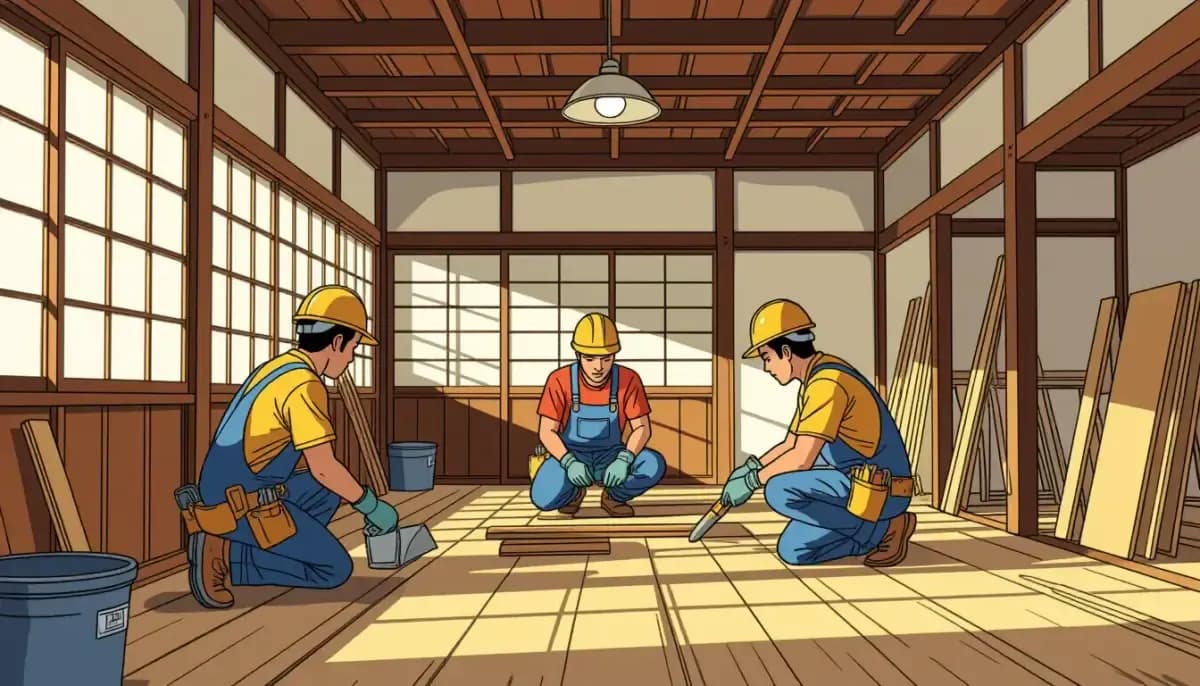
Japan Renovation Timeline: How Long Do Projects Take?
Complete guide to Japan renovation timelines for foreign homeowners. Learn how long each phase takes—from planning and permits to construction and move-in—including 2025 building code changes.
Read more →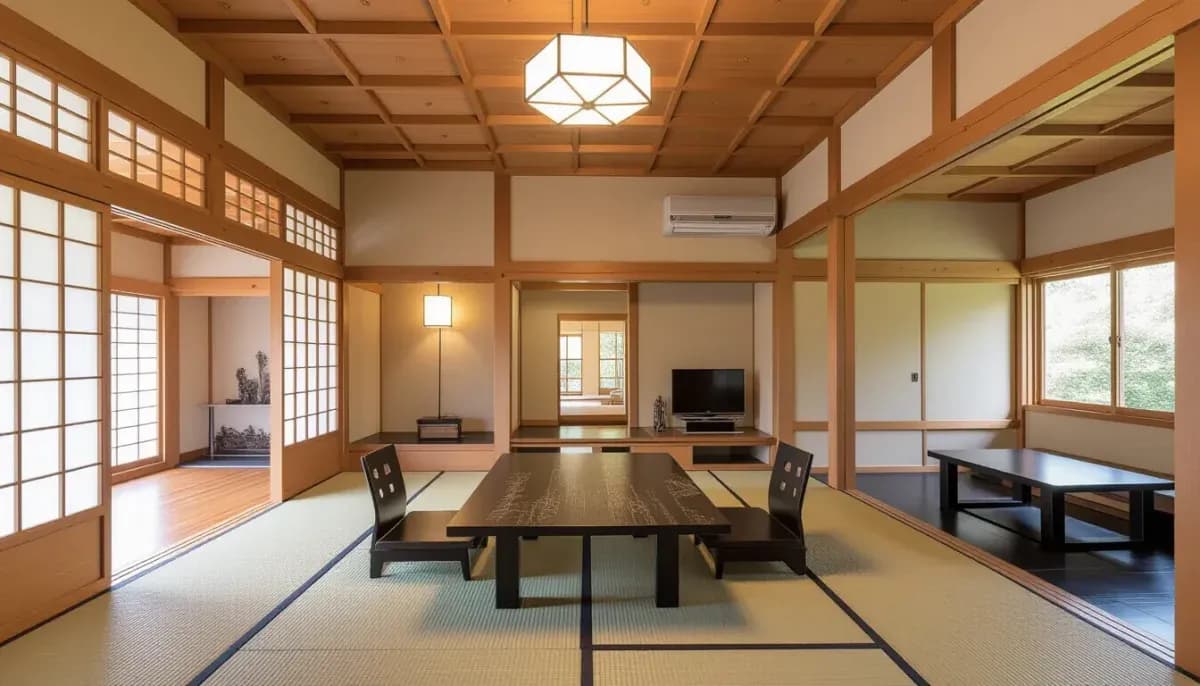
Renovating a Traditional Japanese House for Modern Living
Complete guide to renovating traditional Japanese houses (kominka, machiya, akiya) for modern living. Costs, subsidies, contractors, permits, and design tips for foreign owners in Japan.
Read more →