
Earthquake Preparedness Guide for Japan Homeowners

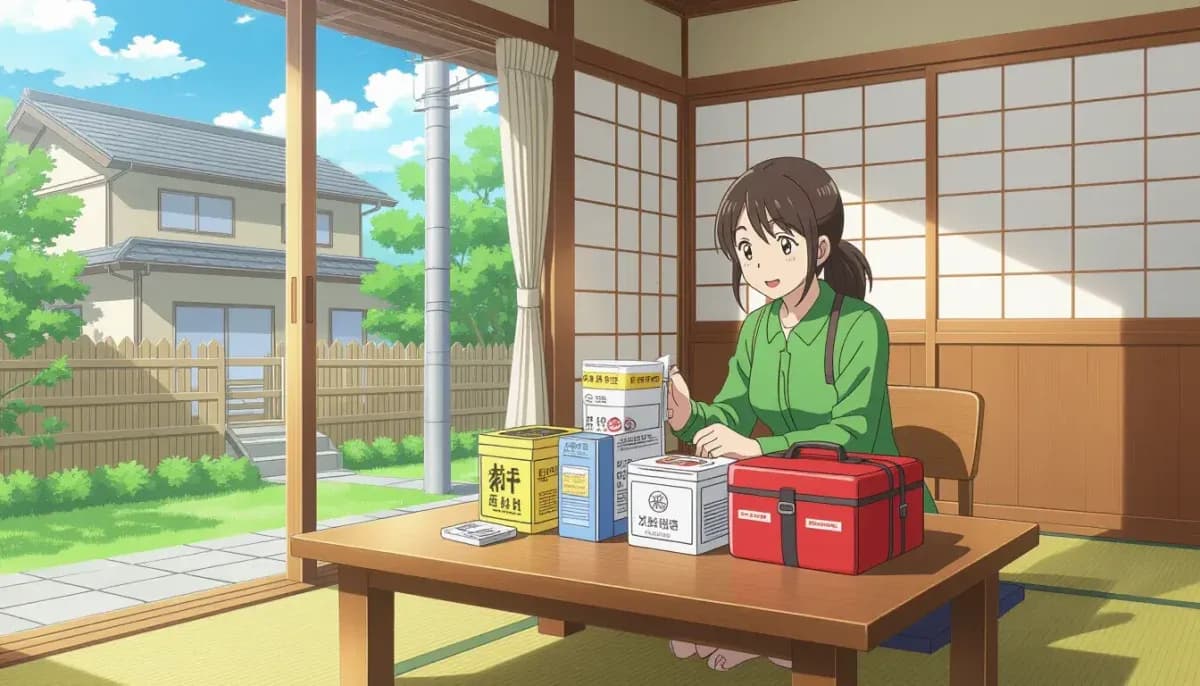
Complete earthquake preparedness guide for Japan homeowners: building standards, emergency kits, early warning apps, insurance tips, and evacuation planning for foreign residents.
Earthquake Preparedness Guide for Japan Homeowners
Japan sits at the intersection of four tectonic plates, making it one of the most seismically active countries on Earth. With over 1,500 earthquakes recorded every year and a 70–80% probability of a major Nankai Trough earthquake within the next 30 years, every homeowner in Japan — foreign or local — needs a solid earthquake preparedness plan. This guide walks you through everything you need to know: from understanding building standards and retrofitting options to assembling an emergency kit and creating an evacuation plan.
Whether you've just purchased your first Japanese home or have lived here for years, the steps below could save your life and protect your property investment.
Understanding Japan's Seismic Risk
Japan experiences approximately 1,563 earthquakes per magnitude 4 or greater each year, accounting for roughly 20% of all strong earthquakes worldwide. The 2024 Noto Peninsula earthquake (M7.5) tragically killed 703 people and reminded residents that seismic events can strike at any time, with devastating results.
The Japan Meteorological Agency (JMA) currently estimates a 70–80% probability of a massive Nankai Trough earthquake within 30 years. Such an event could affect millions of people along Japan's Pacific coast, including major metropolitan areas like Osaka and Nagoya.
Key seismic zones to be aware of:
- Nankai Trough (Pacific coast, Shizuoka to Kyushu) — highest long-term risk
- Tokyo Metropolitan Area — sits on multiple fault lines with high population density
- San'in region and Kyushu — multiple active inland faults
- Hokkaido — major subduction zone earthquakes possible
Understanding where your property sits relative to these zones is the first step in earthquake preparedness. Japan's government provides a free hazard map portal (hazard map portals published by local municipalities) that shows earthquake, flood, and landslide risk for any address.
For more on how Japan's building regulations address seismic risk, see our 1981 Earthquake Standard: Why Building Age Matters in Japan guide.
Japan's Earthquake Building Standards: What Homeowners Need to Know
Japan enforces some of the world's strictest seismic building codes through the Building Standards Act. The landmark revision came on June 1, 1981, when new (shin-taishin) earthquake resistance standards took effect following the devastating 1978 Miyagi earthquake.
| Standard | Era | Seismic Requirement |
|---|---|---|
| Old Standard (kyuu-taishin) | Pre-June 1981 | Withstand JMA intensity 5 without collapse |
| New Standard (shin-taishin) | June 1981 onwards | Minimal damage at intensity 5; no collapse at intensity 6–7 |
| 2000 Standard | June 2000 onwards | Enhanced foundation requirements and connection standards |
The data is stark: during the 1995 Great Hanshin Earthquake, 98% of collapsed wooden houses were built to the old pre-1981 standard. Buildings that met the new standard largely remained intact. This means the year your home was built is one of the most critical factors in its earthquake safety.
Japan uses three main structural systems for seismic resistance:
- Taishin (耐震) — Standard earthquake-resistance through reinforced walls and structural members. The most common and affordable method.
- Seishin (制震) — Vibration control using dampening devices (dampers) inside walls that absorb seismic energy, reducing building sway.
- Menshin (免震) — Base isolation, where the building is physically separated from the ground by specialized bearings. Extremely effective but more expensive, common in newer high-rise condominiums.
If your home was built before 1981 or between 1981 and 2000, consider getting a structural assessment. Learn more in our Earthquake Retrofit and Reinforcement for Older Japan Homes article and our guide on Earthquake Safety Concerns in Older Japan Condominiums.
For authoritative guidance on earthquake building codes in Japan, Nippon Tradings' overview of disaster prevention measures offers detailed insights for property owners.
Securing Your Home: Practical Interior Preparations
Once you understand your building's structural rating, focus on making the interior as safe as possible. The majority of earthquake injuries come from falling furniture, broken glass, and blocked exits — not building collapse.
Furniture Anchoring
- Secure tall furniture (bookcases, wardrobes, refrigerators, file cabinets) to walls using L-brackets, tension poles, or dedicated furniture anchoring kits (家具転倒防止器具, kagu tentou boushi kigu)
- Mount TVs and monitors with anti-tip straps or wall brackets
- Keep heavy items on lower shelves to lower the center of gravity
- Install latches on kitchen cabinets — seismic-reactive cabinet locks (震度対応ラッチ) open only above a set seismic intensity, keeping dishes inside during shaking
Glass and Windows
- Apply shatter-resistant film (飛散防止フィルム) to all glass surfaces including windows, glass doors, and glass cabinet fronts. This prevents dangerous shards from scattering
- Replace very old single-pane windows with modern double-pane safety glass where possible
Exit Clearance
- Keep hallways, staircases, and exit routes free from clutter
- The front door (玄関, genkan) is particularly important — in older Japanese homes, door frames can warp during strong earthquakes, trapping occupants inside. Consider installing a door stopper that keeps your exit accessible
Bedroom Safety
- Move heavy items away from beds and sleeping areas
- Keep shoes near the bed — post-earthquake debris often includes broken glass and falling tiles
For broader home safety considerations, the Living in Nihon disaster preparedness guide offers comprehensive advice for foreign residents.
Building Your Emergency Kit
Japanese emergency management guidelines recommend maintaining two types of supplies: a grab-and-go bag for immediate evacuation and a home stockpile for sheltering in place for up to one week.
Grab-and-Go Bag (非常用持ち出し袋)
Keep this bag by your front door or in an easily accessible location:
| Item | Quantity/Notes |
|---|---|
| Water | At least 500ml per person |
| Emergency food (calorie bars, onigiri pouches) | 1–2 days |
| Flashlight + spare batteries | LED recommended |
| Portable phone charger | Fully charged |
| First aid kit | Include any prescription medications |
| Cash (小銭) | Small denominations — ATMs may be down |
| Copies of important documents | Passport, residence card, property deed (権利証), insurance policies |
| Whistle | For signaling under rubble |
| Work gloves | For handling debris |
| Face mask | N95 or equivalent |
| Rain poncho | Lightweight and compact |
For foreign residents, also include:
- Embassy contact information (printed, not just on your phone)
- Medical history in Japanese and your native language
- Translation app downloaded for offline use (Google Translate offline packs)
- Contact list of family members abroad
Home Stockpile (備蓄品)
Store these at home for extended shelter-in-place scenarios:
- Water: Minimum 3 liters per person per day for at least 3–7 days (a family of three needs 63+ liters)
- Non-perishable food (canned goods, freeze-dried meals, instant rice) for 7 days
- Gas camping stove and fuel canisters
- Battery-operated or hand-crank radio
- Extra medications (30-day supply)
- Portable toilet or waste disposal bags (important — water supply may be cut)
- Blankets or sleeping bags (earthquakes often happen in winter)
- Power bank or solar charger for electronics
Rotate your food and water stockpile every 6–12 months to keep it fresh. Japanese supermarkets and home improvement stores (like Cainz and Kohnan) stock full ranges of emergency supplies.
Early Warning Systems and Apps
Japan operates one of the world's most sophisticated earthquake early warning (EEW) systems. These warnings typically give 5–30 seconds of advance notice before strong shaking arrives — enough time to take cover if you act immediately.
Automatic alerts:
- Japanese TV and radio broadcasts automatic EEW alerts nationwide
- J-Alert (全国瞬時警報システム) sends alerts directly to mobile phones via the carrier network — no app download needed. Your phone will emit a distinctive alarm sound even on silent mode
Recommended apps:
- Safety Tips — Official app by Japan Tourism Agency, available in 14 languages. Sends earthquake and tsunami alerts
- Yurekuru Call (ゆれくるコール) — Provides location-based warnings calibrated to your address; allows custom alarm sounds
- NHK World — English-language news and emergency broadcasts
- Yahoo! Disaster Alert (Yahoo!防災速報) — Comprehensive hazard alerts including earthquakes, heavy rain, and flood warnings
Make sure your phone is always charged and notifications are enabled. If you live with family members, ensure everyone has these apps configured.
What to Do During and After an Earthquake
During Shaking
If indoors:
- Drop, cover, and hold on — get under a sturdy table or desk; if no table is nearby, crouch against an interior wall away from windows
- Stay away from windows, glass, and exterior walls
- Do NOT run outside during shaking — most injuries happen during movement
- If in the kitchen, turn off the gas immediately if safe to do so; otherwise wait until shaking stops
If outdoors:
- Move away from buildings, walls, utility poles, and vending machines
- Protect your head with your bag or arms
- Move to an open space
If in a car:
- Pull over safely and stop — do not stop on bridges or underpasses
- Stay in the car during shaking; exit cautiously afterward
Immediately After Shaking Stops
- Check for gas leaks — smell for gas and check the gas meter. If you detect a leak, do NOT use electrical switches; open windows and evacuate
- Check for fire — small fires from damaged appliances or gas lines are common after major earthquakes
- Check for structural damage — cracks in walls, foundation, or damage to stairways may indicate unsafe conditions
- Do not use elevators — take stairs even in high-rise buildings
- Check on neighbors — particularly elderly neighbors who may need assistance
For a detailed evacuation planning framework, see our Creating a Disaster Evacuation Plan for Your Japan Home guide.
Earthquake Insurance: Protecting Your Property Investment
Standard fire insurance (kasai hoken) in Japan does NOT cover earthquake damage. Earthquake insurance (jishin hoken) must be purchased as a separate add-on policy, and it is strictly regulated by the Japanese government.
Key points about Japanese earthquake insurance:
- Coverage limit: Earthquake insurance covers 30–50% of your fire insurance coverage amount (not full replacement value)
- What it covers: Structural damage to the building, household contents damage from earthquakes, volcanic eruptions, and resulting tsunamis or fires
- Damage tiers: Payouts are based on damage assessment: total loss (全損, 100%), major half-loss (大半損, 60%), minor half-loss (小半損, 30%), or partial loss (一部損, 5%)
- Premium factors: Location (seismic zone), building age, construction type (wood vs. reinforced concrete), and resistance rating affect premiums
- Tax deductions: Premiums paid for earthquake insurance are tax-deductible in Japan
If you own an older wood-frame home in a high-risk zone, earthquake insurance is strongly recommended. For condominiums, the building structure is typically covered under the management association's policy, but your individual unit contents and interior improvements require separate coverage.
Learn more in our guides on Fire and Earthquake Insurance Costs in Japan and Earthquake Insurance in Japan: Coverage and Costs for Foreigners.
For foreign workers and residents managing insurance in Japan, For Work in Japan's housing resources provide useful practical guidance on navigating Japanese bureaucracy.
Considering Seismic Factors When Buying Property
If you're still in the process of purchasing a home, earthquake preparedness starts at the property selection stage. For comprehensive guidance on buying property safely in Japan, Gaijin Buy House offers resources specifically for foreign buyers navigating Japan's real estate market.
Key property evaluation points from a seismic perspective:
- Check the building year — pre-1981 means old earthquake standard; between 1981–2000 means new standard; post-2000 means enhanced standard
- Request the ken-sei (建性) certificate — confirms the property meets earthquake resistance requirements
- Consult the hazard map — your municipality's hazard map shows liquefaction risk (液状化), landslide zones, and tsunami inundation areas
- Ask about seismic retrofitting — older homes may have been voluntarily upgraded; ask for documentation
- Check condominium management records — long-term repair plans should include seismic assessments
For older properties, particularly kominka (古民家), a specialist structural assessment is essential before purchase. Our Kominka Structural Assessment and Safety Guide covers this in detail.
Also read: Japan Earthquake-Resistant Building Standards Explained and Seismic Retrofitting Options for Older Homes in Japan.
For broader context on purchasing safely, see our Complete Guide to Buying Property in Japan as a Foreigner.
Creating a Household Emergency Plan
Preparedness isn't just about supplies and structural safety — it's about having a clear plan your entire household understands before disaster strikes.
Steps to create your plan:
- Draw a home floor plan showing exit routes, utility shut-off locations (gas meter, water main, electrical breaker), location of emergency supplies, and fire extinguisher
- Establish two meeting points: one near your home (e.g., building lobby or front yard), one farther away in case you can't return home (e.g., local park or evacuation shelter)
- Identify your local evacuation shelter (避難所, hinanjo) — this is designated by your municipality and posted on hazard maps and city hall websites
- Share emergency contacts — write key contacts on paper and store in each family member's grab-and-go bag (phones die and networks get congested)
- Register with your local ward office (区役所/市役所) — foreigners should register their address; this enables local disaster notifications and ensures you're counted in emergency services planning
- Register with your embassy — in a major disaster, your embassy may need to locate and assist citizens
Practice your plan at least once a year. The Tokyo Metro Government recommends annual household evacuation drills, especially for families with young children or elderly members.
Japan's Japan Times earthquake preparation resource provides up-to-date official guidance from English-language media, while Mobal's earthquake survival guide for foreign residents covers practical expat-specific tips.
Summary Checklist for Japan Homeowners
Use this checklist to track your earthquake preparedness status:
| Category | Action Item | Priority |
|---|---|---|
| Structure | Confirm building meets post-1981 standards | High |
| Structure | Get seismic retrofit assessment if pre-1981 | High |
| Interior | Anchor tall furniture to walls | High |
| Interior | Apply shatter film to windows and glass | High |
| Emergency kit | Assemble grab-and-go bag | High |
| Emergency kit | Store 7-day water and food supply | High |
| Insurance | Purchase earthquake insurance (jishin hoken) | High |
| Apps | Install Safety Tips and Yurekuru Call | Medium |
| Plan | Identify local evacuation shelter | Medium |
| Plan | Write and practice household emergency plan | Medium |
| Plan | Register address with local ward office | Medium |
| Documents | Copy important documents for emergency bag | Medium |
Earthquake preparedness is an ongoing commitment, not a one-time task. Review and update your supplies, plan, and insurance coverage annually — ideally around Disaster Prevention Day (防災の日) on September 1st, which commemorates the 1923 Great Kanto Earthquake.
For more on protecting your property investment in Japan, explore our complete Natural Disaster Preparedness for Homeowners in Japan pillar and related guides on Flood Risk and Hazard Maps for Japan Property Buyers and Typhoon Property Protection Guide for Japan Homeowners.

Originally from Vietnam, living in Japan for 16+ years. Graduated from Nagoya University, with 11 years of professional experience at Japanese and international companies. Sharing information about buying property in Japan for foreigners.
View Profile →Related Articles

Climate Change Impact on Japan Property Risk Assessment
Learn how climate change affects Japan property risk—flood zones, earthquake hazards, typhoon exposure—and how foreign buyers can assess risk using Japan's hazard maps and mandatory disclosure rules.
Read more →
Disaster Rebuilding and Insurance Claims Process in Japan
Learn how Japan's earthquake insurance and disaster rebuilding process works for foreign homeowners. Covers claims steps, payout tiers, premiums, and practical tips for expats.
Read more →
How to Read and Use Japan Hazard Maps for Property Purchase
Learn how to read and use Japan's official hazard maps before buying property. Understand flood, earthquake, and tsunami risk zones with this step-by-step guide for foreign buyers.
Read more →
Emergency Supplies and Kit Guide for Japan Homeowners
Build the perfect emergency kit for your Japan home. Essential bosai bag checklist, where to buy supplies, and special tips for foreign homeowners in earthquake-prone Japan.
Read more →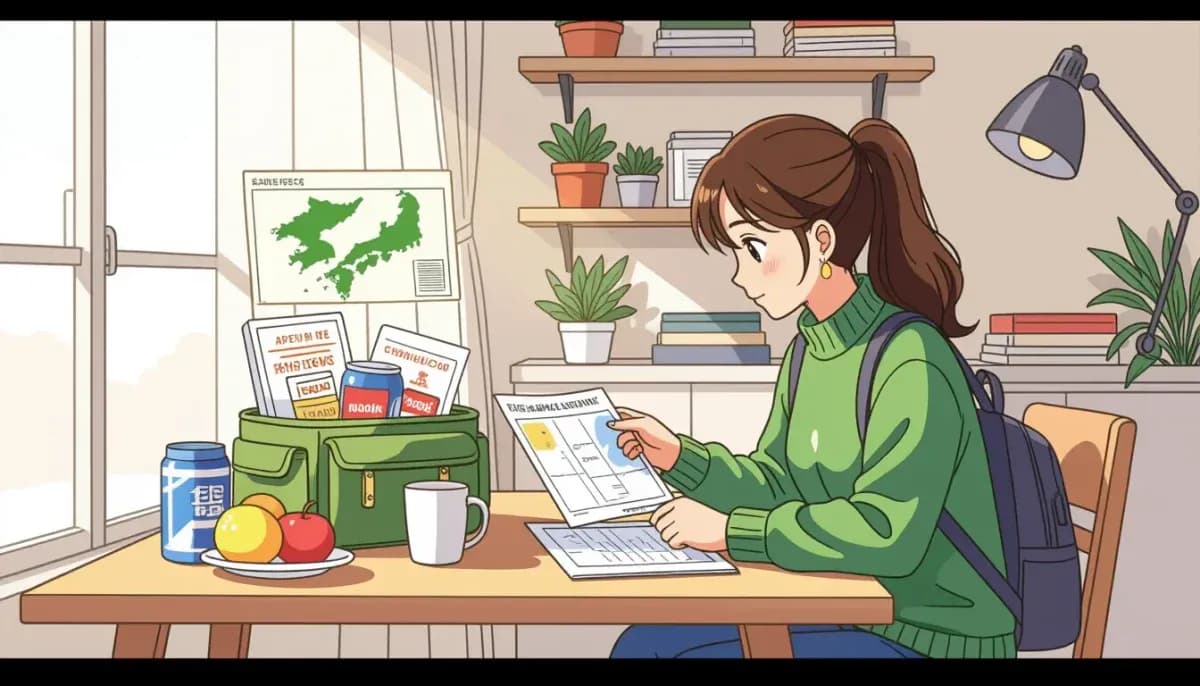
Creating a Disaster Evacuation Plan for Your Japan Home
Learn how to create a disaster evacuation plan for your Japan home as a foreign homeowner. Covers Japan's alert systems, hazard maps, emergency kits, shelter locations, and post-disaster rights for foreigners.
Read more →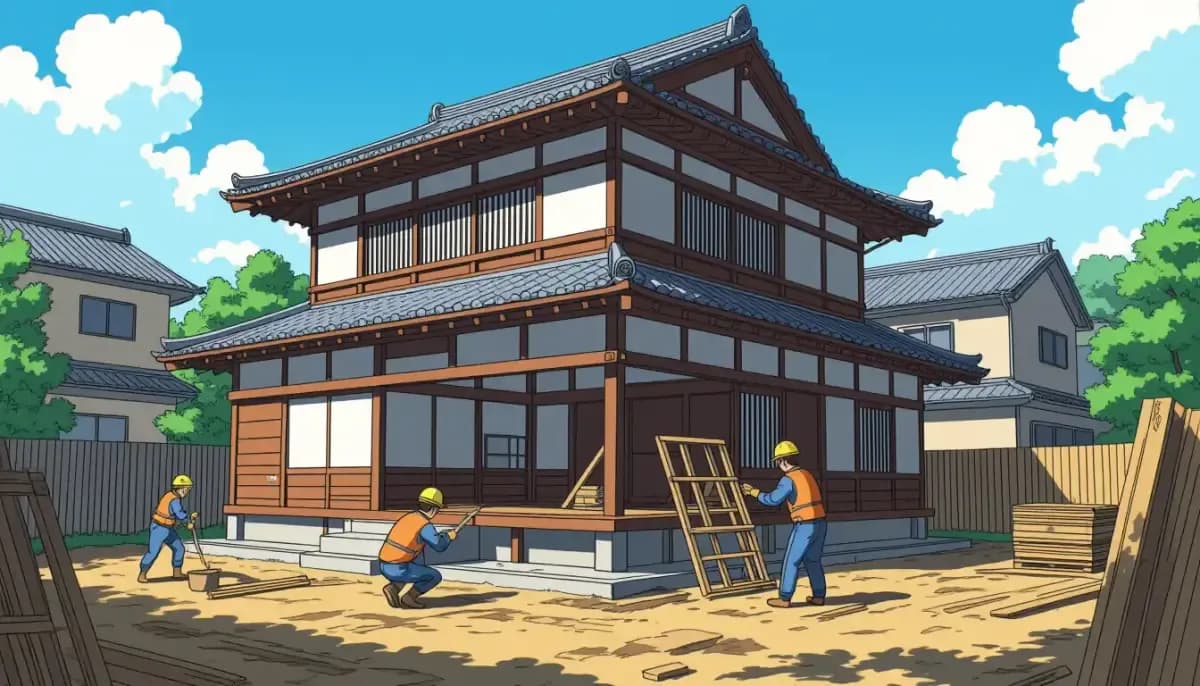
Seismic Retrofitting Options for Older Homes in Japan
Learn about seismic retrofitting options for older homes in Japan: costs, government subsidies up to ¥3M, tax incentives, and step-by-step process for foreign buyers.
Read more →