
Nagoya Family Neighborhood Guide for Foreign Buyers

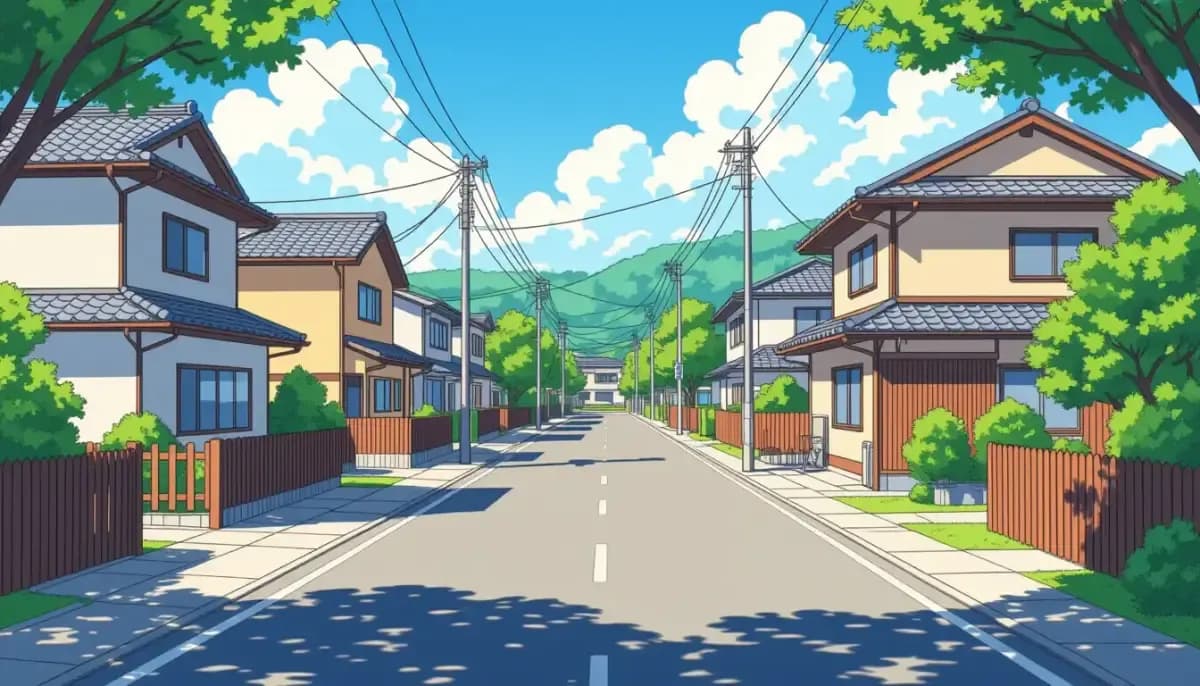
Discover the best family-friendly neighborhoods in Nagoya for foreign buyers. Meito-ku, Moriyama, Chikusa — schools, rents, transport, and practical tips for expat families buying property in Nagoya.
Nagoya Family Neighborhood Guide for Foreign Buyers
Nagoya is quietly becoming one of Japan's best-kept secrets for foreign families looking to put down roots. As Japan's fourth-largest city with a population of approximately 2.3 million, Nagoya offers the infrastructure and amenities of a major urban center — but without Tokyo's crushing costs or relentless pace. For foreign buyers with families, this combination of affordability, space, and quality of life is exceptionally compelling.
Average land prices in Greater Nagoya sit at just 17% of Tokyo's and 37% of Osaka's, while the typical Nagoya home is 50–70% larger than a comparable property in either of those cities. That means more bedrooms, bigger gardens, and actual garages — the things families actually need. This guide walks you through the best neighborhoods in Nagoya for foreign families, covering schools, transport, amenities, housing types, and what it really costs to live there.
For a broader look at purchasing property in this region, see our complete guide to buying property in Nagoya and the Chubu Region as a foreigner.
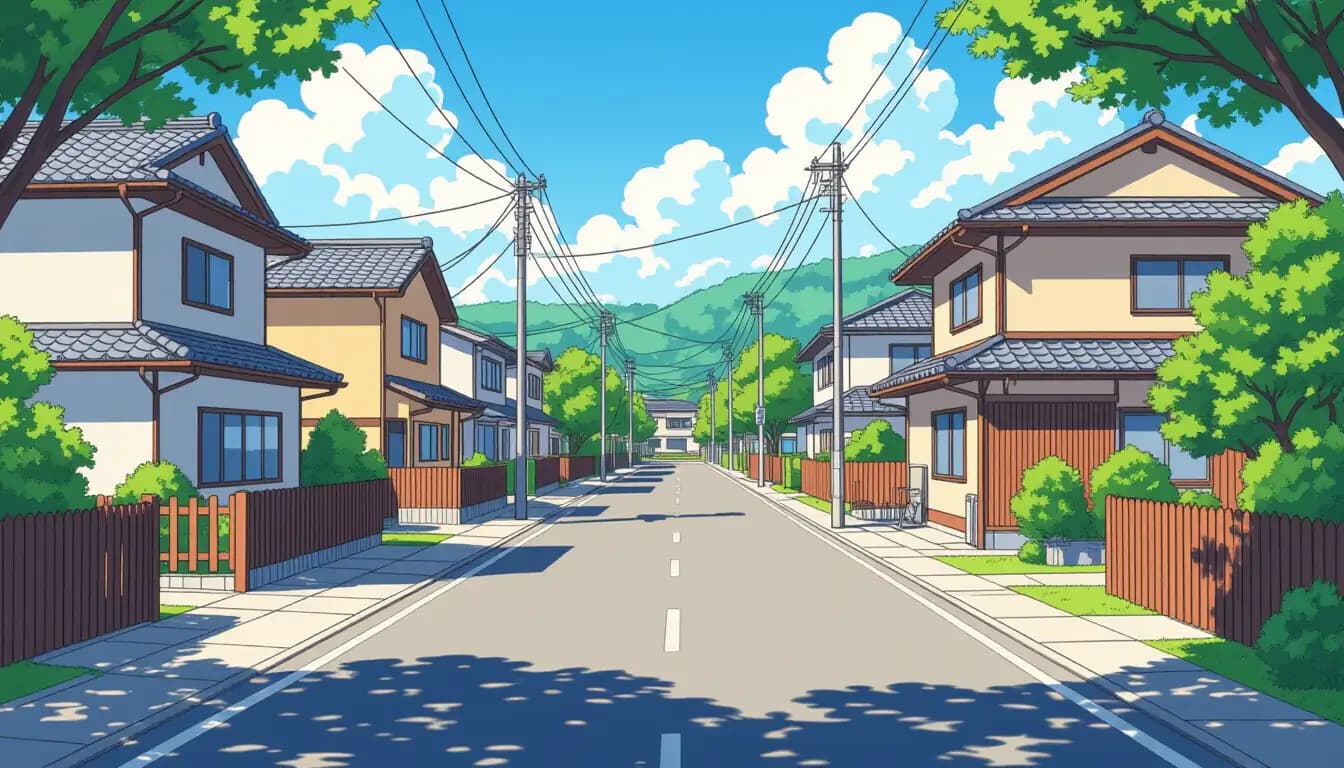
Why Nagoya Attracts Foreign Families
The dominant force driving foreign families to Nagoya is the Toyota ecosystem. Toyota Motor Corporation's global headquarters is in nearby Toyota City, and its supply chain supports tens of thousands of expat engineer, manager, and executive positions across the Aichi Prefecture. But Nagoya's family appeal extends well beyond automotive industry workers.
Key reasons foreign families choose Nagoya:
- Space and affordability: Detached houses with gardens are realistic options for families — something that's genuinely difficult to achieve in central Tokyo or Osaka
- International school options: Two established international schools serve the city's expat community, creating genuine neighborhood clusters
- Manageable scale: Nagoya is big enough to have everything you need, small enough that you won't spend two hours commuting to a decent park
- Central location: Shinkansen access puts Kyoto 35 minutes away, Osaka 50 minutes, and Tokyo under two hours — the city is an excellent base for exploring Japan
- Airport access: Chubu Centrair International Airport is just 28 minutes via the Meitetsu μ-SKY Limited Express
The city has a reputation for lower English proficiency compared to Tokyo — a point worth acknowledging honestly. It means a bilingual real estate agent isn't just convenient, it's essential. The Nagoya International Center (NIC) provides free multilingual consultations on housing, legal matters, and daily life, which is a genuinely valuable resource once you're living there.
Top Family Neighborhoods in Nagoya for Foreigners
Meito-ku (Issha/Hongo Area)
Meito-ku is consistently ranked as the number one area for expat families in Nagoya, and the reasons are straightforward: it sits between Nagoya International School and the Toyota headquarters commute route, making it the logical choice for the largest segment of the city's foreign population.
The Issha and Hongo areas offer Western-style detached houses with gardens — an increasingly rare commodity in Japanese cities. You'll find English-speaking doctors and pediatricians, major shopping centers (Aeon Mall Nagoya is a short drive), and a well-established expat community that can meaningfully help you navigate settling in.
Meito-ku housing costs (typical 1LDK): ¥73,000/month High-end rentals: 3BR from approximately ¥412,400/month Access: Tomei Expressway via Hongo for car-based Toyota commutes; Higashiyama subway line for city center
Moriyama-ku
For families with children attending Nagoya International School, Moriyama-ku is the alternative to Meito that puts you even closer to campus — some families live within walking or cycling distance of NIS. The neighborhood has a distinctly international flavor, with a strong NIS parent community creating a ready-made social network for newly arrived families.
Practical amenities are excellent: there's a Costco (a priority for many expat families), Shinrin Park for outdoor recreation, and Kozoji Station on the Chuo Line with semi-express access to central Nagoya.
Housing is primarily Western-style detached homes, which suits families who need space and want something that feels less like a Japanese apartment and more like a house.
Chikusa-ku (Hoshigaoka/Motoyama)
Chikusa-ku offers one of Nagoya's most balanced urban-suburban environments. The area combines leafy residential streets, proximity to Higashiyama Zoo and Botanical Gardens, and excellent subway connections. Aichi International School is located in this corridor, giving families another international school option.
The Kakuozan neighborhood within Chikusa-ku has developed into one of Nagoya's most cosmopolitan areas, with independent cafes, international restaurants, and a more creative, internationally-minded community.
Chikusa-ku housing costs (typical 1LDK): ¥89,000/month High-end rentals: 3BR from approximately ¥314,252/month Access: Higashiyama and Tsurumai subway lines
Showa-ku (Yagoto Area)
Showa-ku's Yagoto area hits a sweet spot that appeals to both Japanese executive families and expats who want a more authentic Japanese neighborhood experience without sacrificing family-friendly infrastructure. The area sits on the Tsurumai Line, which provides a direct route toward Toyota City — important for auto-industry expats.
The neighborhood has an international hospital with English-speaking staff, a Jusco supermarket, and abundant green space. Properties tend to be spacious Japanese-style homes rather than Western-style houses, which some families find appealing and others less so — worth visiting before committing.
Tenpaku-ku (Hara/Hirabari)
Tenpaku-ku is Nagoya's most affordable option among the family-friendly expat neighborhoods. The Matsuzakaya supermarket in the area stocks imported goods, and Ueda International Preschool is nearby — useful for families with younger children before NIS age.
Tenpaku-ku housing costs (typical 1LDK): approximately ¥65,000–75,000/month High-end rentals: 3BR from approximately ¥161,750/month Access: Tsurumai and Sakura-dori subway lines
Neighborhood Comparison Table
| Neighborhood | Best For | Typical 1LDK Rent | International School Proximity | Transport to Toyota City |
|---|---|---|---|---|
| Meito-ku (Issha/Hongo) | Overall expat families | ¥73,000/mo | 10–15 min to NIS | 50–60 min via Higashiyama/expressway |
| Moriyama-ku | NIS families | ¥70,000–80,000/mo | Walking/cycling to NIS | 55–65 min |
| Chikusa-ku (Hoshigaoka) | Urban-suburban balance | ¥89,000/mo | Near Aichi Int'l School | 60+ min |
| Showa-ku (Yagoto) | Authentic Japan feel | ¥75,000–85,000/mo | 20–30 min to NIS | 50 min via Tsurumai Line |
| Tenpaku-ku (Hara) | Budget-conscious families | ¥65,000–75,000/mo | 20–25 min to NIS | 45–55 min |
| Naka-ku (Sakae) | Urban professionals | ¥98,000/mo | 30–40 min to NIS | 60+ min |
International Schools: The Anchor of Expat Neighborhoods
Understanding Nagoya's international school landscape is essential to understanding why foreign families cluster where they do.
Nagoya International School (NIS) in Moriyama-ku is the dominant institution — a K–12 IB-aligned school that serves the large Toyota corporate expat community. Its location in northern Nagoya is the single most important factor driving foreign family residential patterns in Meito-ku and Moriyama. If your children will attend NIS, these two neighborhoods should be your primary research focus.
Aichi International School near Hoshigaoka in Chikusa-ku draws families to the southern-central corridor of the city. It's smaller than NIS and covers a different age range, but serves as the primary driver of expat clustering in Chikusa-ku.
Both schools offer community networks, parent groups, and introductions to the broader expat community — invaluable resources when you're new to the city. Many families report that the school community effectively becomes their social infrastructure for the first year or two.
For context on broader Nagoya property options, our best neighborhoods in Nagoya for foreign property buyers guide covers the full spectrum from investment properties to residential purchases.
Housing Types and What to Expect
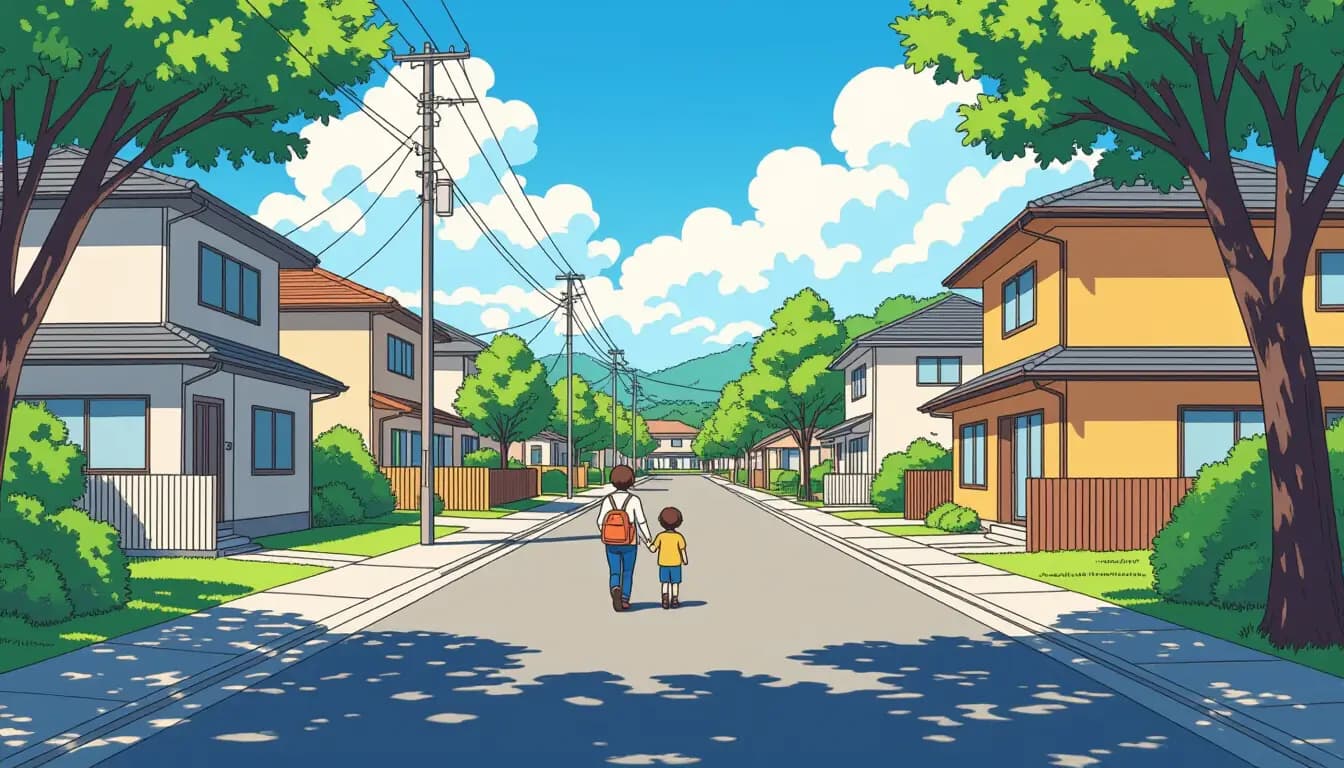
The housing stock available to foreign families in Nagoya's expat neighborhoods differs significantly from what you'd find in Tokyo or Osaka.
Western-style detached houses (一戸建て / ikkodate): Common in Meito-ku, Moriyama, and suburban Tenpaku-ku. These are genuine houses with gardens, parking, and multiple bedrooms. Construction quality varies, but you'll generally find more space per yen than anywhere else in a Japanese major city.
Mansions (condominiums): More common in Chikusa-ku, Showa-ku, and central areas. Modern condominiums offer good security and maintenance, but with less space than detached houses.
Japanese-style homes (和風住宅): Found throughout the city. These are culturally immersive but require some adjustment — tatami rooms, different heating systems, and layouts that may feel unfamiliar.
For families buying rather than renting, the current market offers some of the best value in Japan. Our Nagoya property prices and market guide provides detailed data on purchase prices by neighborhood and property type.
Practical Considerations for Foreign Families
Language: Nagoya genuinely has lower English proficiency than Tokyo. This is relevant not just for daily life but for navigating bureaucratic processes — school enrollment, healthcare, municipal registration. A bilingual real estate agent and ideally some Japanese language skills will materially improve your experience.
Car ownership: In suburban neighborhoods like Tenpaku-ku and Moriyama, having a car is close to essential for day-to-day life. Meito-ku and Chikusa-ku are more manageable without one, but car ownership is widely recommended for families.
Garbage sorting: Japan's garbage sorting rules are strict and vary by ward. English-language guides are available from ward offices, but this is genuinely one of the adjustment points new arrivals consistently mention.
Support resources:
- Nagoya International Center (NIC): Free multilingual consultations on housing, visas, and daily life
- Aichi International Plaza: Additional multilingual support
- CCEA and ACCJ expat community organizations
- Facebook groups for NIS families and general Nagoya expats
For those comparing Nagoya against other Japanese cities for property investment, our Nagoya vs Tokyo and Osaka property comparison article provides a detailed analysis.
Getting Around: Transport for Families
Nagoya's transport infrastructure is genuinely excellent, and the subway system is clean, reliable, and comprehensive. Six subway lines with day passes at ¥870 cover most family needs. IC cards (Manaca, and Tokyo-issued Suica and Pasmo) work on all trains and buses.
Key routes for expat families:
- Higashiyama Line: Connects Meito-ku to Nagoya Station (central) and onward — the main artery for eastern expat neighborhoods
- Tsurumai Line: Critical for Toyota City commuters; runs through Showa-ku and connects to the Toyota area
- Chuo Line: Connects Moriyama northward; used by many NIS families
Chubu Centrair International Airport is 28 minutes from Nagoya Station via the Meitetsu μ-SKY Limited Express — important for expat families who travel frequently for work or to visit family abroad.
External Resources and Further Reading
For comprehensive guides to expat living in Nagoya, the following resources are worth bookmarking:
- Living in Nihon — Japan Living Guides — broad coverage of practical life in Japan for foreigners
- For Work in Japan — Employment and Living Guides — employment context and lifestyle guides for working expats
- Gaijin Buy House — Foreign Property Buyers in Japan — property purchase guidance specifically for foreign buyers
- Relo Japan — Nagoya Expat Areas Guide — detailed breakdown of expat neighborhoods with rental data
- Real Estate Japan — Nagoya City Guide — market data and area overview
Making Your Decision
Choosing a neighborhood in Nagoya as a foreign family comes down to a few key variables: where your children will go to school, where you or your partner will be working, and how much of your budget you want to allocate to housing.
For most Toyota-connected expat families, the Meito-ku and Moriyama corridor is the practical default — and for good reason. The infrastructure, community, and school proximity are simply difficult to beat. For families seeking a more urban lifestyle or associated with Aichi International School, Chikusa-ku is the strong alternative.
Whichever neighborhood you're considering, we recommend spending time there in person before committing. Nagoya's neighborhoods have distinct personalities that are hard to appreciate from a floor plan or Google Maps. Talk to other expat families, visit the local supermarkets, and walk the streets at different times of day.
The city is more welcoming than its reputation suggests — and for families willing to embrace a slightly different Japan than the one you see in travel guides, Nagoya offers something genuinely special.
See also our step-by-step home buying process guide and information on mortgages and home loans for foreigners in Japan as you move forward with your purchase plans.

Originally from Vietnam, living in Japan for 16+ years. Graduated from Nagoya University, with 11 years of professional experience at Japanese and international companies. Sharing information about buying property in Japan for foreigners.
View Profile →Related Articles

Chubu Region New Development and Infrastructure Projects
Explore Chubu region's major infrastructure projects including the maglev Chuo Shinkansen, Meitetsu Nagoya Station redevelopment, and smart city initiatives. Essential guide for foreign property buyers in Nagoya and the Chubu region.
Read more →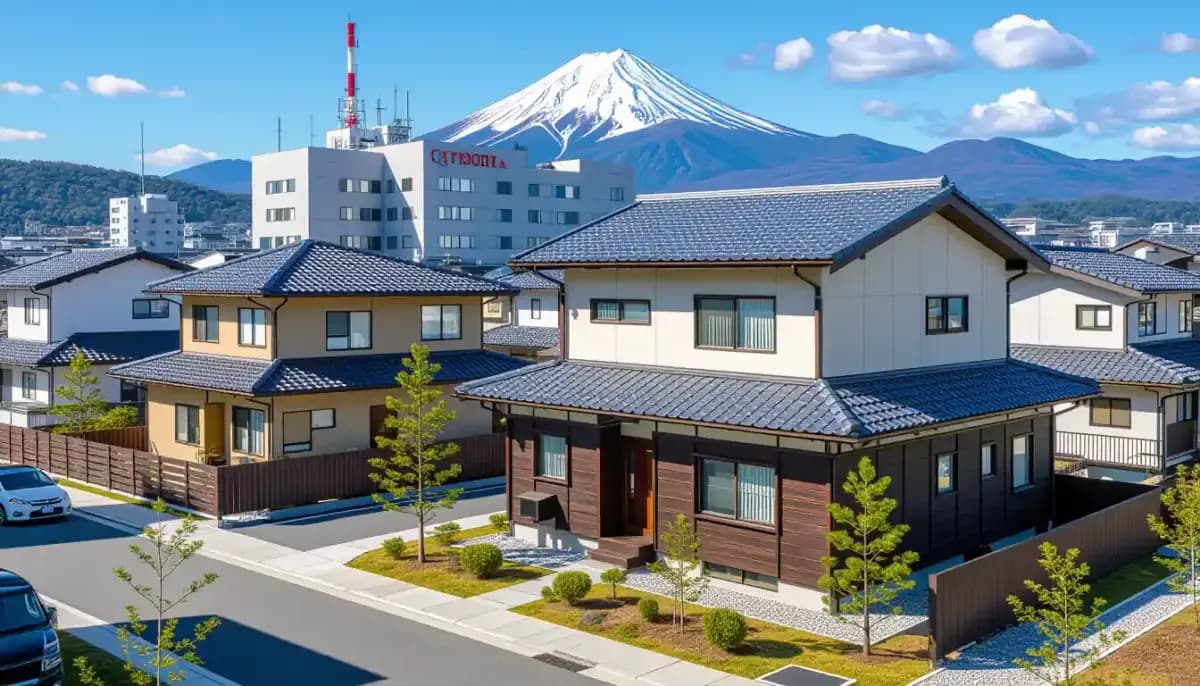
Toyota City and Industrial Area Property Near Nagoya
Complete guide to buying property in Toyota City and industrial areas near Nagoya. Prices, zoning rules, mortgages, and tips for foreign buyers in Aichi Prefecture.
Read more →
Nagoya Rental Property Investment Guide for Foreigners
A complete guide to investing in Nagoya rental property as a foreigner: yields 4-8%, neighborhoods, taxes, mortgages, and property management tips for 2025.
Read more →
Chubu Region Rural Property: Affordable Options for Foreigners
Discover affordable rural property options in Japan's Chubu region. Complete guide for foreigners on buying homes in Nagano, Gifu, Toyama, and Shizuoka — including prices, akiya banks, and the purchase process.
Read more →
Gifu and Takayama Property Guide for Foreign Buyers
Complete guide to buying property in Gifu and Takayama as a foreigner. Covers legal rights, market prices, akiya/kominka opportunities, buying process, and costs for international buyers.
Read more →
Karuizawa Resort Property Investment Guide for Foreigners
Complete guide to buying resort property in Karuizawa as a foreigner: market overview, price ranges by area, buying process, annual costs, rental income potential, and legal considerations.
Read more →