
Japan New Build vs Used Housing Market Comparison

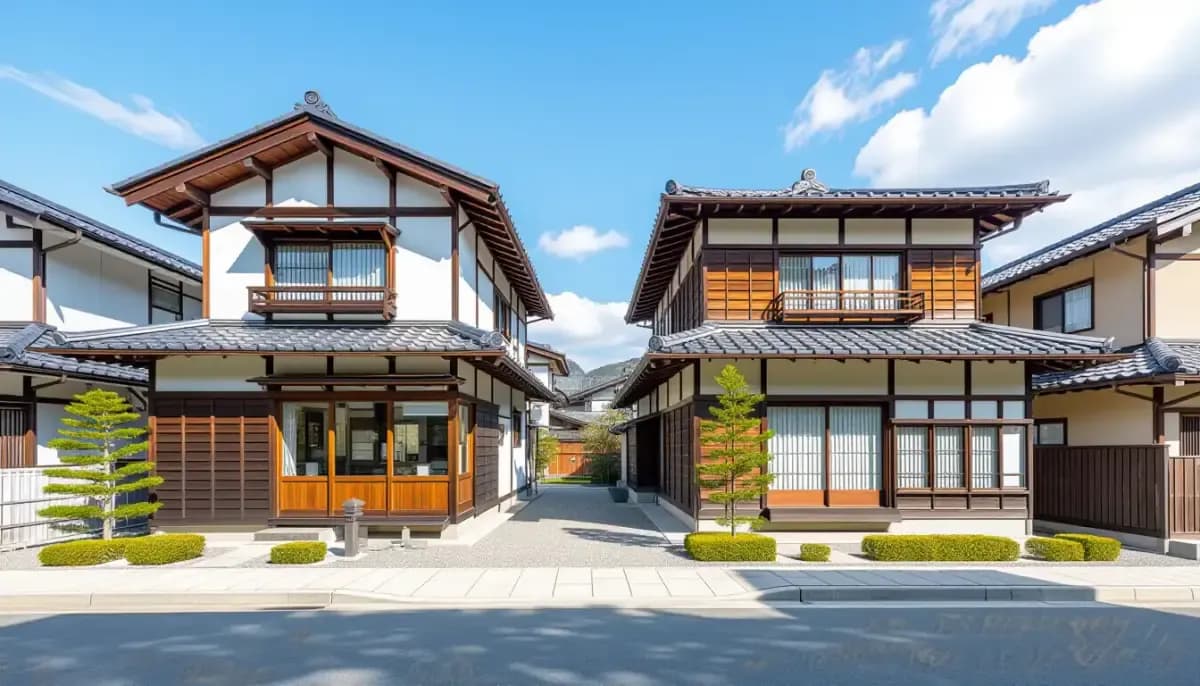
Compare new build (shinchiku) vs used (chuko) housing in Japan. Prices, depreciation, pros and cons, mortgage access, and which option suits foreign buyers best in 2025.
Japan New Build vs Used Housing Market Comparison: Complete Guide for Foreign Buyers
Deciding between a brand-new (shinchiku, 新築) property and a pre-owned (chuko, 中古) home is one of the most important choices you'll make when buying real estate in Japan. Both options come with distinct advantages, trade-offs, and financial implications — and the "right" answer depends heavily on your priorities, budget, and long-term plans. This guide breaks down the key differences so you can make an informed decision.
Whether you're eyeing a sleek new apartment in Tokyo or a character-filled used house in the countryside, understanding Japan's unique housing market dynamics is essential. Unlike many Western markets, Japan treats buildings as depreciating assets, which fundamentally shapes how new and used properties are valued and traded.
For a broader overview before diving in, see our Complete Guide to Buying Property in Japan as a Foreigner and our guide on Types of Properties Available in Japan.
Understanding Japan's New Build Market (Shinchiku 新築)
Japan's new construction market is driven by a cultural preference for freshness and modern standards. New properties (shinchiku) command a significant premium — new houses average around ¥38.1 million, while in high-demand urban areas like Tokyo, new apartment prices in the greater metropolitan area hit an average of ¥104.85 million in early 2025, representing a 37.5% year-over-year surge.
What Makes New Builds Attractive
New builds in Japan come equipped with modern amenities that many older homes lack: smart locks, underfloor heating, LED lighting, high-efficiency insulation, and double-glazed windows. They also conform to current earthquake resistance standards (post-2000 Building Standards Law revisions), which is particularly important given Japan's seismic activity.
From a financial standpoint, new properties offer certain tax incentives. Property tax is reduced by 50% for the first three years (five years for condominiums), and buyers purchasing directly from developers avoid brokerage fees entirely. Mortgage interest deductions are also more readily available for new properties.
Timeline: If you buy a ready-built (tatemi-uri) new home, expect around 7 months from initial contact to moving in. Custom-built (order-built) homes take approximately 12 months.
For guidance on financing your purchase, see our Mortgages and Home Loans for Foreigners in Japan guide.
!New modern Japanese house with contemporary design and clean exterior
Drawbacks of New Construction
The most significant downside of a new build is rapid initial depreciation. The moment you receive the keys, your property is technically no longer "new," and its market value drops. Japan's statutory useful life framework — set by the National Tax Agency — means wooden structures depreciate at 4.6% annually over 22 years, while reinforced concrete buildings depreciate at 2.2% over 47 years.
New builds in desirable urban areas also tend to be located on less prime land than established older neighborhoods. If the property is still under construction when you purchase, you may only see blueprints and model units — not the actual neighborhood dynamics.
Understanding Japan's Used Housing Market (Chuko 中古)
Used properties (chuko) represent tremendous value in Japan, primarily because the country's depreciation culture has historically suppressed their prices. Second-hand houses average around ¥26.9 million — approximately 29% cheaper than new builds. In Tokyo, used apartments in the 23 wards averaged ¥44.51 million in 2025, far below new construction prices for comparable units.
Why Used Properties Are Worth Considering
The biggest draw is location. Older buildings are often situated in prime, established neighborhoods close to train stations, schools, and amenities — land that developers can no longer easily access. For investors, used properties often deliver higher rental yields: an older ¥2 million property generating ¥360,000 annually achieves an 18% ROI, compared to 12% for a newer property at twice the price with proportionally higher rents.
Used properties also don't require the repair fund (修繕積立基金) payment of roughly ¥300,000 that new condominium buyers must contribute upfront, and individual sellers are exempt from consumption tax on the building portion of the sale.
For buyers interested in rural options, our Rural and Countryside Properties in Japan for Foreign Buyers guide covers the akiya (vacant house) market, where used homes can be found for as little as ¥1 million.
Challenges of Buying Used in Japan
Used properties come with real downsides. Renovation costs can be substantial — outdated bathrooms, kitchens, and plumbing are common in older homes. Buildings constructed before 1981 may not meet current earthquake resistance codes, and asbestos was commonly used in construction through the 1980s.
Securing financing is also harder. Some lenders refuse to issue mortgages on buildings over 20 years old, and properties past this age may not qualify for the mortgage interest deduction. Buyers should budget for a pre-purchase structural inspection (インスペクション) to uncover hidden issues.
!Traditional Japanese used house with garden available for foreign buyers
New Build vs Used: Side-by-Side Comparison
| Factor | New Build (Shinchiku) | Used Property (Chuko) |
|---|---|---|
| Average house price | ¥38.1 million | ¥26.9 million |
| Tokyo new apartment avg | ¥90–105 million | ¥44.5 million |
| Initial depreciation | High (immediate upon purchase) | Lower (already priced in) |
| Earthquake resistance | Latest standards (post-2000) | Varies; pre-1981 may be non-compliant |
| Property tax incentive | 50% reduction (3–5 years) | Standard rate from purchase |
| Mortgage access | Easier | Harder for 20+ year-old buildings |
| Location | Often less prime (suburban) | Often near stations, established areas |
| Renovation needed | None initially | Often required |
| Asbestos risk | None | Possible (pre-1989 buildings) |
| Brokerage fee | None (direct from developer) | ~3% + ¥60,000 + tax |
| Timeline to move in | 7 months (ready-built) | 1–3 months typically |
| Investment yield (rental) | Lower (~5–12%) | Higher (~10–18%) for older properties |
The Depreciation Factor: Japan's Most Important Housing Concept
Japan's approach to building depreciation is unlike almost any other developed country. While land holds and appreciates in value (especially in urban areas), the building itself is treated as a wasting asset that reaches zero value at the end of its statutory useful life:
- Wooden structures: 22-year useful life, 4.6% annual depreciation
- Light gauge steel: 19-year useful life, 5.3% annual depreciation
- Steel-frame: 34-year useful life, 3.0% annual depreciation
- Reinforced concrete (RC): 47-year useful life, 2.2% annual depreciation
This is why a 25-year-old wooden house in rural Japan can sell for under ¥1 million — the building itself has theoretically reached zero book value. Urban properties retain total value because the land underneath remains highly valuable.
For buyers, this creates an interesting dynamic: purchasing a used property can actually generate larger annual tax deductions relative to purchase price than a new build, because the remaining useful life is compressed and the depreciation rate applied to the purchase price is higher.
For detailed information on tax implications, see our Property Taxes and Annual Costs of Owning Property in Japan guide.
Learn more about Japan's housing depreciation framework at Mailmate's Japan Housing Depreciation Guide.
Which Option is Right for Foreign Buyers?
The answer depends on what you prioritize:
Choose a new build if:
- You want modern amenities and zero renovation headaches
- You're buying as a primary residence and value comfort from day one
- You want the most favorable mortgage terms and tax deductions
- You're risk-averse about structural issues, asbestos, or earthquake compliance
- You plan to live in the property for at least 5–10 years
Choose a used property if:
- Budget is your primary constraint
- You want a prime location near a city center or train station
- You're an investor seeking higher rental yields
- You're comfortable with renovation projects (or plan to hire contractors)
- You're interested in Japan's akiya (vacant house) market for ultra-low prices
For more on the legal steps involved in either purchase type, see our Step-by-Step Home Buying Process in Japan for Foreigners.
For detailed guidance specifically on purchasing new construction in Japan, Gaijin Buy House provides an excellent resource for foreign buyers navigating the shinchiku market, including contract types and developer negotiations.
If you're considering a used property with renovation potential, Gaijin Buy House's Used Property and Renovation Guide is an invaluable reference.
For a comprehensive overview of buying property and securing mortgages as a foreigner in Japan, Living in Nihon's Property & Mortgage Guide covers the full process from search to closing.
For expats working in Japan who are considering property purchase alongside their career plans, For Work in Japan offers practical guidance on balancing employment and real estate decisions as a foreign resident.
Additional analysis on the Tokyo real estate landscape is available at REthink Tokyo's comparison of old versus new properties and Housekey Japan's old vs. new property guide.
Market Trends: What's Happening in 2025–2026
Japan's housing market is in an unusual phase. Urban new construction prices have surged dramatically — Tokyo new apartment prices rose 37.5% year-on-year in early 2025, pushed by rising construction costs, a weak yen attracting foreign investment, and limited urban land supply.
Meanwhile, the used market is also rising but from a lower base: Tokyo used condominiums posted a 28.3% year-on-year increase, the strongest growth rate on record. This suggests the gap between new and used is narrowing in high-demand urban cores, though used properties remain substantially more affordable in absolute terms.
In rural areas, the picture is the opposite: oversupply and population decline mean used properties remain extremely affordable, with the government actively promoting akiya (vacant house) programs to incentivize foreign buyers. If you're open to rural living, this is arguably one of the best times in decades to purchase.
See our Japan Real Estate Market Overview and Trends for a broader picture of where the market is heading.
Key Takeaways for Foreign Buyers
- New builds offer modern amenities, favorable financing, and peace of mind — at a significant price premium that immediately begins depreciating.
- Used properties offer lower prices, better locations, and higher investment yields — but require due diligence on structural condition, potential renovation costs, and mortgage eligibility.
- Depreciation is central to understanding Japanese real estate — land holds value, buildings don't (especially wooden structures).
- Foreigners face no restrictions on purchasing either new or used property in Japan, regardless of visa status.
- Mortgage access is generally easier for new builds and harder for buildings over 20 years old.
- The market is rising in urban areas for both new and used, but used properties remain significantly more affordable in absolute terms.
Understanding these dynamics puts you in a far stronger position to negotiate and make the right choice. For next steps, explore our guides on Hidden Costs and Fees When Buying Property in Japan and Visa and Residency Considerations for Property Buyers in Japan.

Originally from Vietnam, living in Japan for 16+ years. Graduated from Nagoya University, with 11 years of professional experience at Japanese and international companies. Sharing information about buying property in Japan for foreigners.
View Profile →Related Articles
Weak Yen Impact on Japan Property Investment for Foreigners
Learn how Japan's weak yen creates major buying advantages for foreign property investors. Discover real savings, rental yields, legal framework, and key risks to navigate in 2025.
Read more →
Japan vs Other Asian Countries: Real Estate Market Comparison
Compare Japan's real estate market against Hong Kong, Singapore, Thailand and other Asian countries. Full analysis of prices, ownership rights, yields, and transaction costs for foreign buyers in 2025.
Read more →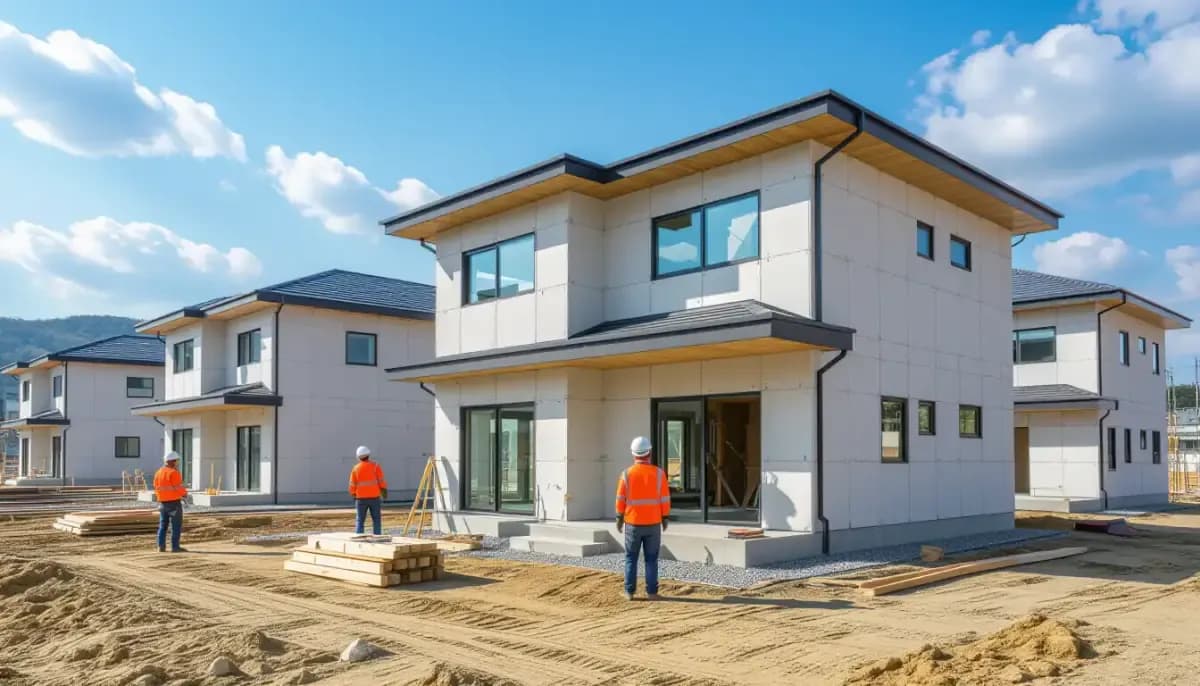
Japan Construction Industry Trends and New Home Development
Understand Japan's construction industry trends, new home development statistics, prefab housing growth, labor challenges, and what it means for foreign buyers planning to purchase or build in Japan.
Read more →
Best Cities to Invest in Japan Real Estate in 2026
Discover the top Japanese cities for real estate investment in 2026. Compare Tokyo, Osaka, Fukuoka, Sapporo rental yields, prices, and tips for foreign buyers entering the market.
Read more →
Japan Property Market Bubble History: Lessons for Today's Buyers
Learn from Japan's 1991 property bubble collapse — when prices fell 90% — and apply those hard-won lessons to buying property in Japan as a foreigner in 2025's rising market.
Read more →
Japan Luxury Real Estate Market Trends for High-Net-Worth Buyers
Discover Japan's luxury real estate market trends for 2026. Tokyo prices, Niseko resort properties, foreign buyer rules, financing tips, and strategic insights for high-net-worth buyers.
Read more →