
Best Cities to Invest in Japan Real Estate in 2026


Discover the top Japanese cities for real estate investment in 2026. Compare Tokyo, Osaka, Fukuoka, Sapporo rental yields, prices, and tips for foreign buyers entering the market.
Best Cities to Invest in Japan Real Estate in 2026
Japan has become one of the most compelling real estate investment destinations for foreign buyers. With no restrictions on foreign ownership, a weakened yen that stretches overseas capital further than ever, and stable rental demand driven by urban migration and inbound tourism, 2026 looks like an especially strong year to enter the market. Whether you are after steady rental income, capital appreciation, or a personal residence that doubles as an investment, the right city choice makes all the difference.
This guide breaks down the top cities for real estate investment in Japan in 2026, with rental yield data, price trends, and practical advice for foreign buyers navigating each market.
Why Japan Real Estate Appeals to Foreign Investors in 2026
Before diving into specific cities, it is worth understanding what makes Japan stand out globally. Over 27% of property purchases in 2025 were made by international investors — up from just 21% five years earlier. In central Tokyo alone, foreigners account for 20–40% of new apartment sales.
Several structural factors drive this:
- No ownership restrictions: Foreigners have the same legal rights as Japanese nationals when purchasing property, including land.
- Weak yen: The yen's 35% depreciation since 1994 makes Japanese assets dramatically more affordable for US dollar, Euro, and AUD holders.
- Stable rule of law: Japan offers transparent property registries, reliable contracts, and predictable legal processes.
- Rising yields: National average gross rental yield sits at 4.2%, with regional cities reaching 5–8%.
- Capital preservation: Land prices rose 2.7% in 2025 — the strongest increase in 34 years — and major city prices are projected to rise another 5–6% in 2026.
For a complete overview of the legal framework and ownership rights, see our guide on Can Foreigners Buy Property in Japan.
Tokyo: Stability, Liquidity, and Long-Term Capital Growth
Tokyo remains the top-ranked real estate investment city in Asia-Pacific. Average residential prices in the 23 wards now sit at approximately 91.4 million JPY, up 10.7% year-on-year as of late 2025. Used condominiums in the metro area rose 28.3% year-on-year — a remarkable figure for a mature market.
Why Tokyo makes sense for investors:
- Highest liquidity of any Japanese city — easy to buy and sell
- Consistently low vacancy rates (96.6% occupancy)
- Strong long-term demand from domestic and international tenants
- Major infrastructure upgrades continuing through and beyond the 2030s
Best wards for foreign investors:
- Minato, Shibuya, Shinjuku: Premium central locations with embassies, international schools, and expat demand. Average prices ¥2,000,000+ per square meter. Yields typically 3–4%.
- Shibuya: Saw a 32.7% price surge driven by the Sakura Stage development.
- Katsushika and Edogawa wards: Outer wards offering 60–70% cost savings versus central districts with improving transport links.
Yield range: 2.5–5.2% (central average ~3.4%)
The trade-off with Tokyo is yield compression — capital values are high, so rental yields are lower. Tokyo suits investors prioritising capital appreciation and liquidity over current income.
For a deep-dive into Tokyo neighbourhoods, see our Tokyo property guide for foreigners.
Osaka: High Yields, Affordable Entry, and Major Urban Regeneration
Osaka is Japan's second-largest metropolitan area and arguably the most exciting property market in the country right now. Properties in Osaka are priced at roughly half of Tokyo equivalents, while offering meaningfully higher rental yields driven by strong tourism and a growing expat population.
Key Osaka investment drivers:
- Umekita Project: A massive urban regeneration scheme transforming the area north of Osaka Station into a premium commercial and residential district.
- Expo 2025 legacy: Infrastructure improvements and international attention have permanently elevated Osaka's global profile.
- Tourism demand: Osaka attracts tens of millions of visitors annually, fuelling short-term rental demand in central wards.
- Population: Strong inflows of young professionals from regional Japan.
Yield range: 4.5–7% (studios and smaller units can reach 8–10%)
Popular investment areas include Namba, Umeda, Tennoji, and Namba Parks for short-term rental plays, and Fukushima, Nishi-Ku, and Tennoji for long-term residential yields.
For a full guide to Osaka's property market, see our Osaka property buying guide.
Fukuoka: Japan's Fastest-Growing Major City
Fukuoka has established itself as Japan's standout regional investment market. As the gateway city between Japan and the rest of Asia, Fukuoka has seen sustained population growth, young demographic profile, and major commercial development in recent years.
Why Fukuoka is attracting serious investors:
- Tenjin Big Bang: A large-scale redevelopment of Fukuoka's central commercial district, transforming the cityscape and lifting surrounding property values.
- Population growth: Fukuoka is one of the few Japanese cities with a genuinely growing population — a critical factor in a country of widespread demographic decline.
- Asia gateway position: Strong air links and proximity to South Korea and China keep demand for both short-term and business accommodation high.
- Affordability: Entry costs are dramatically lower than Tokyo, allowing investors to build diversified portfolios.
Yield range: 4.72% average, with individual properties reaching 6–7%
Fukuoka suits investors who want growth markets with higher income yields at lower capital outlay. For more, see our Fukuoka and Kyushu property guide.
Sapporo and Hokkaido: Tourism Boom and Ski Resort Markets
Hokkaido's property market has quietly transformed into one of Japan's most globally recognised investment destinations. Niseko remains the most expensive ski resort property market in Asia, but savvy investors are looking beyond it to Hakuba, Furano, and Sapporo itself.
Key facts:
- Land prices in Niseko and Hakuba rose approximately 30% year-on-year in 2025.
- Sapporo rental yields are reaching 5.56% — among the highest of any major Japanese city.
- The tourism industry has expanded into year-round demand, with summer hiking and cycling offsetting seasonal ski dependency.
- Luxury condominium developments increasingly target international buyers who want both personal use and rental income.
Yield range: 5–7% (Sapporo city); resort areas vary significantly
Hokkaido suits investors comfortable with resort market dynamics and those seeking lifestyle-investment hybrid properties. See our Hokkaido and Niseko property guide for more detail.
Kyoto and Kobe: Premium Lifestyle Markets With Constrained Supply
Kyoto and Kobe occupy a different investment niche. Both cities have constrained property supply — Kyoto through strict heritage preservation laws, Kobe through geography — which supports long-term value.
Kyoto specifics:
- Foreign demand for traditional machiya (townhouses) and modern condos near historic districts remains strong.
- Strict construction limits prevent oversupply.
- Premium short-term rental yields for well-located properties, though minpaku regulations require careful attention.
- Average yields are lower (3–5%) but capital preservation is strong.
Kobe specifics:
- Sits within the Osaka-Kobe-Kyoto corridor, benefiting from the entire Kansai economic zone.
- More affordable than central Osaka, with improving transport connections.
- International community is well established, reducing friction for foreign buyers.
See our guides on Kyoto property for foreigners and Kobe and Hyogo property for city-specific advice.
Rental Yield Comparison: Japan's Top Investment Cities
The table below summarises estimated gross rental yields and entry price ranges for key investment cities in 2026. Note that yields vary significantly by property type, location within the city, and management approach.
| City | Gross Rental Yield (est.) | Entry Price Range (1BR) | Investment Profile |
|---|---|---|---|
| Tokyo (central) | 3.0–4.5% | ¥50M–¥150M+ | Low yield, high liquidity, capital growth |
| Tokyo (outer wards) | 4.0–5.5% | ¥25M–¥60M | Balanced yield and capital |
| Osaka | 4.5–7.0% | ¥15M–¥50M | High yield, strong tourism |
| Fukuoka | 4.5–6.5% | ¥12M–¥35M | Growth city, affordable entry |
| Sapporo | 5.0–7.0% | ¥10M–¥30M | High yield, emerging market |
| Kyoto | 3.5–5.5% | ¥20M–¥60M | Constrained supply, lifestyle |
| Kobe | 4.0–6.0% | ¥15M–¥40M | Kansai corridor, international community |
| Niseko / Hakuba | Variable (5–10%+) | ¥30M–¥200M+ | Resort, lifestyle, short-term |
Figures are estimates for 2026 based on available market data. Actual yields depend on specific property, management quality, and occupancy rates.
Key Considerations for Foreign Investors in 2026
Financing
Japanese banks typically extend the most favourable mortgage terms to permanent residents. If you do not have permanent residency, expect to provide a 30%+ down payment, three or more years of Japanese employment history, and potentially a Japanese guarantor. Variable mortgage rates currently sit around 0.7%, while 35-year fixed rates are approximately 1.9%.
For a full guide to financing options, see our mortgages for foreigners in Japan guide.
Taxes and Costs
Expect total acquisition costs of approximately 7–10% above the purchase price, covering agent fees, registration tax (2%), acquisition tax (1.5–4%), and insurance. Annual holding costs include property tax (1.4% of assessed value) and urban planning tax (0.3%).
Capital gains are taxed at 39.63% if you sell within 5 years, dropping to 20.315% for properties held longer. See our Japan property tax guide and hidden costs guide for full breakdowns.
Regulatory Awareness
As of July 2025, large-scale land transactions require nationality disclosure for security review purposes. Foreign ownership policies are under ongoing review; the government is expected to clarify regulations in 2026. Staying informed through reputable local advisors is essential.
Additional Resources
For broader context on Japan's property market trends and what is driving 2026 prices, see our Japan real estate market overview.
For practical step-by-step guidance on completing a purchase, see the Japan home buying process guide.
Further reading from partner sites:
- Property Purchase and Mortgage Guide for Foreigners in Japan — Living in Nihon
- Housing and Living Infrastructure Guide for Foreigners — For Work in Japan
- Japan Real Estate Investment Guide for Foreigners — Gaijin Buy House
- Japan Real Estate Investment: Complete Guide 2026 — Nippon Tradings
- Japan Real Estate 2026: Trends and Expat Housing Guide — A-Realty Blog
- Japan Real Estate Outlook 2026: Market Trends and Investment Forecast — Property Access
Summary: Which City Is Right for You?
- Choose Tokyo if you prioritise capital preservation, market liquidity, and long-term appreciation over income yield.
- Choose Osaka if you want higher yields, lower entry costs, and exposure to Japan's tourism and regeneration boom.
- Choose Fukuoka if you want growth market dynamics, younger demographics, and a genuinely affordable entry point.
- Choose Sapporo or Hokkaido if you want high yields and are comfortable with a resort or regional market dynamic.
- Choose Kyoto or Kobe if lifestyle, constrained supply, and the broader Kansai economic corridor appeal to you.
Japan's real estate market in 2026 offers genuine opportunities across multiple city profiles. The combination of foreign-friendly ownership laws, a competitive yen, rising urban land values, and improving rental fundamentals makes this one of the more attractive investment environments in Asia-Pacific. The key is matching your investment profile — capital growth vs. income yield, hands-on vs. managed, residential vs. commercial — to the right market.

Originally from Vietnam, living in Japan for 16+ years. Graduated from Nagoya University, with 11 years of professional experience at Japanese and international companies. Sharing information about buying property in Japan for foreigners.
View Profile →Related Articles
Weak Yen Impact on Japan Property Investment for Foreigners
Learn how Japan's weak yen creates major buying advantages for foreign property investors. Discover real savings, rental yields, legal framework, and key risks to navigate in 2025.
Read more →
Japan vs Other Asian Countries: Real Estate Market Comparison
Compare Japan's real estate market against Hong Kong, Singapore, Thailand and other Asian countries. Full analysis of prices, ownership rights, yields, and transaction costs for foreign buyers in 2025.
Read more →
Japan Construction Industry Trends and New Home Development
Understand Japan's construction industry trends, new home development statistics, prefab housing growth, labor challenges, and what it means for foreign buyers planning to purchase or build in Japan.
Read more →
Japan Property Market Bubble History: Lessons for Today's Buyers
Learn from Japan's 1991 property bubble collapse — when prices fell 90% — and apply those hard-won lessons to buying property in Japan as a foreigner in 2025's rising market.
Read more →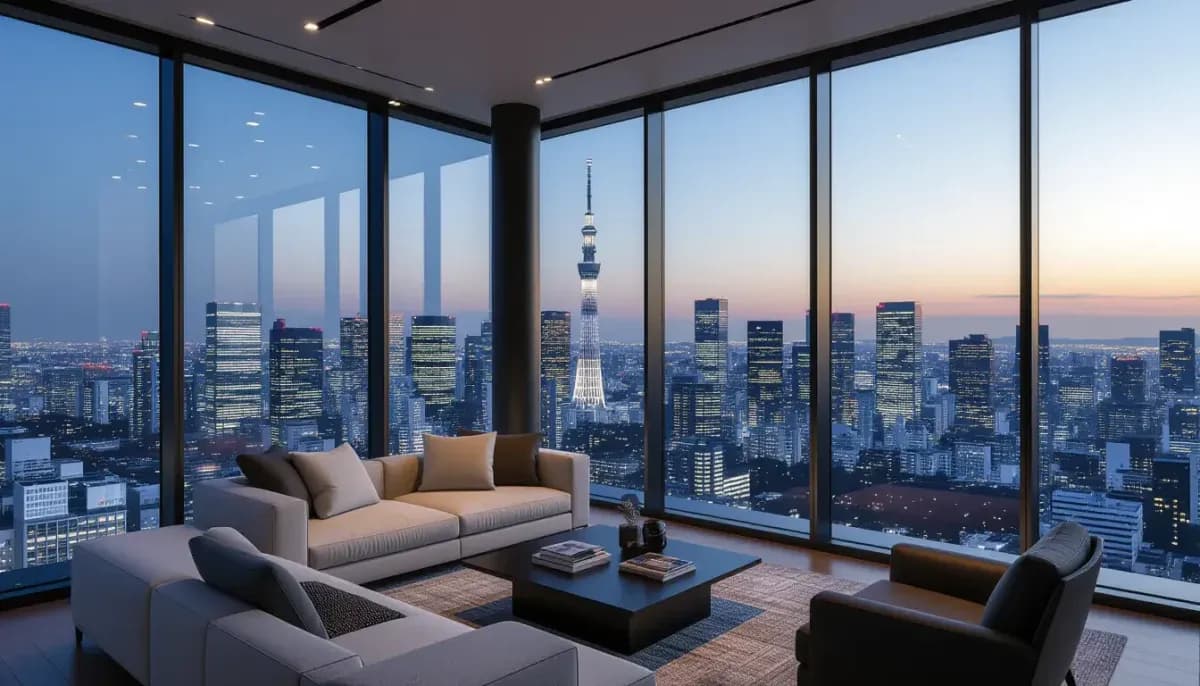
Japan Luxury Real Estate Market Trends for High-Net-Worth Buyers
Discover Japan's luxury real estate market trends for 2026. Tokyo prices, Niseko resort properties, foreign buyer rules, financing tips, and strategic insights for high-net-worth buyers.
Read more →
Japan New Build vs Used Housing Market Comparison
Compare new build (shinchiku) vs used (chuko) housing in Japan. Prices, depreciation, pros and cons, mortgage access, and which option suits foreign buyers best in 2025.
Read more →