
Japan Luxury Real Estate Market Trends for High-Net-Worth Buyers

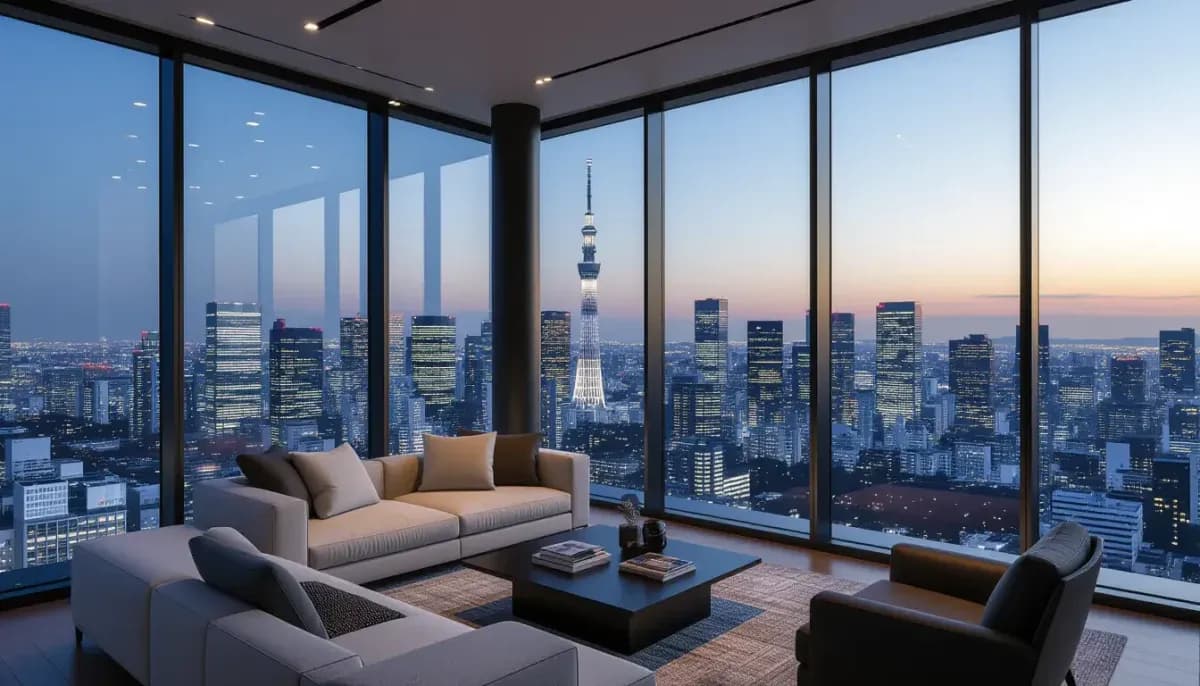
Discover Japan's luxury real estate market trends for 2026. Tokyo prices, Niseko resort properties, foreign buyer rules, financing tips, and strategic insights for high-net-worth buyers.
Japan Luxury Real Estate Market Trends for High-Net-Worth Buyers
Japan's luxury real estate market has entered a remarkable era of transformation. With Tokyo consistently ranking as the number one city for cross-border investment in Asia Pacific for the seventh consecutive year, and a weakened yen making premium properties more accessible to international buyers, high-net-worth individuals from around the world are pouring capital into Japan's most exclusive neighborhoods. Whether you're eyeing a penthouse in Minato, a ryokan-style villa in Kyoto, or a ski-in/ski-out chalet in Niseko, understanding the current market dynamics is essential before making your move.
This guide covers the latest trends, prime locations, pricing benchmarks, and strategic considerations for affluent foreign buyers entering Japan's luxury property market in 2026.
The Current State of Japan's Luxury Property Market
Japan's luxury residential market is experiencing an unprecedented surge driven by multiple converging forces. According to data from Plaza Homes, Asia Pacific net buying intentions reached 17% for 2026, up from 13% the previous year — a clear indicator of growing institutional and private investor confidence.
The headline numbers tell a compelling story:
- Tokyo residential average price: 91.4 million JPY, up 10.7% year-on-year
- Central Tokyo luxury condos: Regularly exceed 120 million JPY
- Ultra-luxury transactions: 28 transactions exceeding 500 million yen were completed in Tokyo in 2024 alone — a record
- Foreign buyer share: 20–40% of new apartments in Tokyo's core wards now sell to international buyers
- Foreign investment total: $10.2 billion in 2024, with a 45% surge recorded in the first half of the year
This momentum reflects a fundamental shift in how global capital views Japanese real estate. Once considered a niche or contrarian bet, prime Japanese property is now firmly on the radar of Singapore family offices, Hong Kong investors, and US wealth managers looking to diversify away from overheated Western markets.
For a broader overview of how these dynamics affect all buyers, see our Japan Real Estate Market Overview and Trends for Foreign Investors.
Where Japan's Wealthy Are Buying: Prime Luxury Locations
Not all of Japan's luxury market is created equal. High-net-worth buyers tend to concentrate in a handful of key locations, each with distinct appeal and investment profiles.
Tokyo's "Three Core Wards": Minato, Chiyoda, and Chuo
These three wards form the epicenter of Tokyo's ultra-luxury market. New luxury condominiums here consistently trade above 100 million yen, and branded residences from international hotel groups (Aman, Four Seasons, Park Hyatt) command significant premiums. Shibuya Ward saw a remarkable 32.7% surge in commercial land prices in 2025, while Minato recorded 12% growth — both significantly outpacing the national average.
Niseko and Hokkaido's Resort Corridor
Niseko has long been Japan's most internationally recognized luxury ski destination, attracting Australian, Singaporean, and Chinese buyers for nearly two decades. The broader Hokkaido resort corridor is now transforming into a year-round luxury destination. High-end condominiums that can operate as short-term rentals are particularly popular with buyers seeking lifestyle properties that also generate income.
For buyers considering Hokkaido specifically, our guide to Buying Property in Hokkaido as a Foreigner: Sapporo, Niseko and Beyond covers the practical details.
Kyoto's Machiya Market
Historic Kyoto offers a completely different luxury proposition — restored machiya townhouses in preserved districts like Higashiyama, Nishijin, and Gion. These properties appeal to buyers who value cultural heritage and uniqueness over square footage. Prices vary enormously by condition and location, but restored premium machiya in prime Kyoto districts can reach 50–200 million yen.
Hakuba and the Japanese Alps
Hakuba has emerged as a surprise performer, with land prices surging 30% year-over-year. International ski enthusiasts have recognized that Japan's powder snow is among the finest in the world, and the global ski property market has responded accordingly. Compared to Niseko prices, Hakuba still offers relative value.
For full coverage of the Osaka luxury market — Japan's second largest city — see Buying Property in Osaka as a Foreigner.
Luxury Property Price Benchmarks by Location
Understanding what your budget will buy in different markets helps calibrate expectations before engaging an agent.
| Location | Property Type | Price Range (JPY) | Notes |
|---|---|---|---|
| Minato, Tokyo | High-floor luxury condo | 120M – 500M+ | Branded residences command 20–40% premium |
| Shibuya, Tokyo | Premium penthouse | 80M – 300M | Strong capital appreciation; 32.7% land growth in 2025 |
| Niseko, Hokkaido | Ski-in/ski-out chalet | 50M – 200M+ | Year-round rental potential |
| Hakuba | Ski chalet / villa | 20M – 80M | Land prices +30% YoY; relative value vs Niseko |
| Kyoto (central) | Restored machiya | 30M – 200M | One-of-a-kind; limited supply |
| Osaka (Umeda/Namba) | Luxury condo | 40M – 120M | ~50% of Tokyo prices; 11.6% land growth in 2025 |
| Fukuoka | Premium apartment | 20M – 70M | High rental yields (4.72%); growing luxury segment |
| Okinawa | Beachfront villa | 30M – 150M | Tourism-driven demand; see Okinawa guide |
Prices as of early 2026. Exchange rates fluctuate significantly; always verify current rates.
What's Driving the Luxury Market: Five Key Forces
Understanding the "why" behind Japan's luxury boom helps predict where the market is heading and which segments offer the best long-term prospects.
1. The Yen Advantage
The Japanese yen has depreciated approximately 35% against the US dollar between 1994 and 2024. For dollar, euro, or Singapore dollar-denominated buyers, Japanese luxury real estate is effectively on sale relative to historical norms. A 100 million yen property that might have cost a US buyer $1 million a decade ago now costs significantly less in dollar terms. This currency arbitrage has been a primary driver of foreign luxury demand.
2. Tourism at Record Highs
Japan welcomed 42.7 million international visitors in 2025 — the first time the country has exceeded 40 million arrivals — generating ¥9.5 trillion in visitor spending. This tourism surge underpins demand for short-term rental properties, hospitality-adjacent luxury assets, and resort properties across the country.
3. Limited Supply in Prime Locations
The geography of Japan's urban centers creates natural supply constraints. Prime neighborhoods in central Tokyo, Kyoto's historic districts, and Niseko's most sought-after slopes have extremely limited developable land. New luxury supply is slow to come to market, and when it does, it's rapidly absorbed.
4. Japan's Stability and Rule of Law
For wealthy Asian buyers, Japan represents political stability, rule of law, and reliable property rights in a region where these cannot always be taken for granted. High-net-worth individuals from Hong Kong, mainland China, and Southeast Asia increasingly view Tokyo as a safe harbor for wealth preservation.
5. Structural Domestic Wealth
Japan has approximately 16,500 individuals with net assets exceeding 3 billion yen, with around 6,500 based in Tokyo. Domestic ultra-high-net-worth buyers remain an important demand driver, particularly in the ¥100M–¥500M range.
For more detail on how the overall market functions, read Can Foreigners Buy Property in Japan? Legal Rights and Restrictions.
Financing Luxury Property in Japan: What Foreign Buyers Need to Know
Cash remains king in Japan's ultra-luxury market. For properties above 100 million yen, many transactions — especially those involving foreign buyers — are completed entirely in cash or with financing arranged offshore.
However, for buyers who wish to use Japanese financing, the landscape has evolved:
- Variable mortgage rates: Now 0.7%–1.0% (up from the historic lows of 0.4%–0.6%)
- Fixed 10-year rates: Approximately 2.2% (up from 1.5%)
- Typical LTV for non-residents: Maximum 70% (meaning a 30%+ down payment is standard)
- Permanent residents: Generally eligible for the full range of Japanese mortgage products
Non-permanent residents face stricter requirements. Japanese banks typically require demonstrated income in Japan, a Japanese co-guarantor, or significant liquid assets. Some major international banks with Tokyo offices can arrange foreign currency lending against Japanese real estate, which may be more practical for HNW buyers.
For a comprehensive guide to financing options, see Mortgages and Home Loans for Foreigners in Japan.
Learn more about property purchasing strategies on Living in Nihon's buying and mortgage guide.
Tax and Cost Structure for Luxury Buyers
Owning luxury property in Japan comes with predictable costs that differ from many Western markets.
One-time Acquisition Costs:
- Agent commission: (Price × 3% + ¥60,000) × 1.1
- Registration and license tax: 2% of assessed value
- Real estate acquisition tax: 1.5% (land), 3% (residential)
- Stamp duty: ¥10,000–¥480,000
- Judicial scrivener fees: ¥100,000–¥300,000
- Total transaction costs typically run 6–8% of purchase price
Annual Holding Costs:
- Fixed asset tax: 1.4% of assessed value
- City planning tax: 0.3% of assessed value
- Building management fees: Variable (luxury condos may charge ¥30,000–¥100,000+/month)
- Repair fund reserves: Variable
Japan's assessed value (公示地価) for tax purposes is generally lower than market price, which somewhat mitigates annual tax burdens compared to countries that tax on market value.
For the complete breakdown, see Property Taxes and Annual Costs of Owning Property in Japan and Hidden Costs and Fees When Buying Property in Japan.
For Work in Japan's housing and living infrastructure guide also covers essential settling-in costs that luxury buyers should factor into their budgets.
Regulatory Developments to Watch in 2026
Japan's government is reviewing its policies on foreign property ownership, with findings expected by early 2026. Potential policy changes under consideration include:
- Tiered taxation for non-resident foreign owners
- Geographic restrictions on purchases near sensitive infrastructure
- Occupancy requirements to address concerns about vacant foreign-owned properties
- Enhanced disclosure requirements for transaction structures
These developments are unlikely to dramatically curtail foreign buying — Japan has no history of outright restrictions on foreign property ownership — but they may add compliance complexity for sophisticated buyers using offshore entities or holding structures.
Most analysts view these discussions as reflecting political pressure rather than a fundamental shift in Japan's open approach to foreign capital. That said, buyers who act before any new framework takes effect may benefit from the current unrestricted environment.
Gaijin Buy House's complete guide for foreign buyers covers the current legal framework in detail and is a valuable resource for staying current on these developments.
Strategic Advice for High-Net-Worth Buyers
Work with specialized luxury agents. Tokyo's top luxury brokers operate in a relationship-driven market where off-market transactions are common. Firms like Housing Japan, Sotheby's International Realty Japan, and CBRE Residential specialize in HNW transactions and have access to pre-market inventory.
Consider the full lifestyle ecosystem. Japan's luxury market increasingly sells a lifestyle package: proximity to Michelin-starred restaurants, world-class healthcare, international schools, and private clubs. Factor these amenity networks into location decisions.
Plan your holding structure carefully. Whether to hold in personal name, a Japanese corporation (KK or GK), or an offshore vehicle has significant tax implications. Engage a Japanese tax attorney familiar with cross-border structures before signing.
Factor in property management. For resort properties intended to generate short-term rental income, property management quality is critical. Japan's short-term rental market is regulated — verify your property's location is eligible for minpaku operation before purchase.
Monitor the visa landscape. Japan does not offer a golden visa or investment visa linked to real estate, but exploring long-term visa options under the highly-skilled professional or business manager categories can facilitate deeper engagement with the market. See our Visa and Residency Considerations for Property Buyers in Japan guide.
For current market data and investment analysis, PropertyAccess's Japan Real Estate Outlook 2026 and Plaza Homes' 2025 market summary are authoritative references.
Conclusion
Japan's luxury real estate market in 2026 offers a rare combination of strong capital appreciation, attractive currency dynamics, and an increasingly cosmopolitan buyer community. Whether you're seeking a trophy asset in Tokyo's most prestigious wards, a resort retreat in Niseko or Hakuba, or a historically irreplaceable property in Kyoto, the fundamentals underpinning demand remain solid.
The key to success lies in deep local knowledge, careful transaction structuring, and building relationships with agents who operate at the top of the market. For those willing to invest the time and resources to navigate Japan's real estate ecosystem properly, the rewards — both financial and lifestyle — can be extraordinary.
Ready to begin your search? Start with our Complete Guide to Buying Property in Japan as a Foreigner for the foundational knowledge every buyer needs before entering this market.

Originally from Vietnam, living in Japan for 16+ years. Graduated from Nagoya University, with 11 years of professional experience at Japanese and international companies. Sharing information about buying property in Japan for foreigners.
View Profile →Related Articles
Weak Yen Impact on Japan Property Investment for Foreigners
Learn how Japan's weak yen creates major buying advantages for foreign property investors. Discover real savings, rental yields, legal framework, and key risks to navigate in 2025.
Read more →
Japan vs Other Asian Countries: Real Estate Market Comparison
Compare Japan's real estate market against Hong Kong, Singapore, Thailand and other Asian countries. Full analysis of prices, ownership rights, yields, and transaction costs for foreign buyers in 2025.
Read more →
Japan Construction Industry Trends and New Home Development
Understand Japan's construction industry trends, new home development statistics, prefab housing growth, labor challenges, and what it means for foreign buyers planning to purchase or build in Japan.
Read more →
Best Cities to Invest in Japan Real Estate in 2026
Discover the top Japanese cities for real estate investment in 2026. Compare Tokyo, Osaka, Fukuoka, Sapporo rental yields, prices, and tips for foreign buyers entering the market.
Read more →
Japan Property Market Bubble History: Lessons for Today's Buyers
Learn from Japan's 1991 property bubble collapse — when prices fell 90% — and apply those hard-won lessons to buying property in Japan as a foreigner in 2025's rising market.
Read more →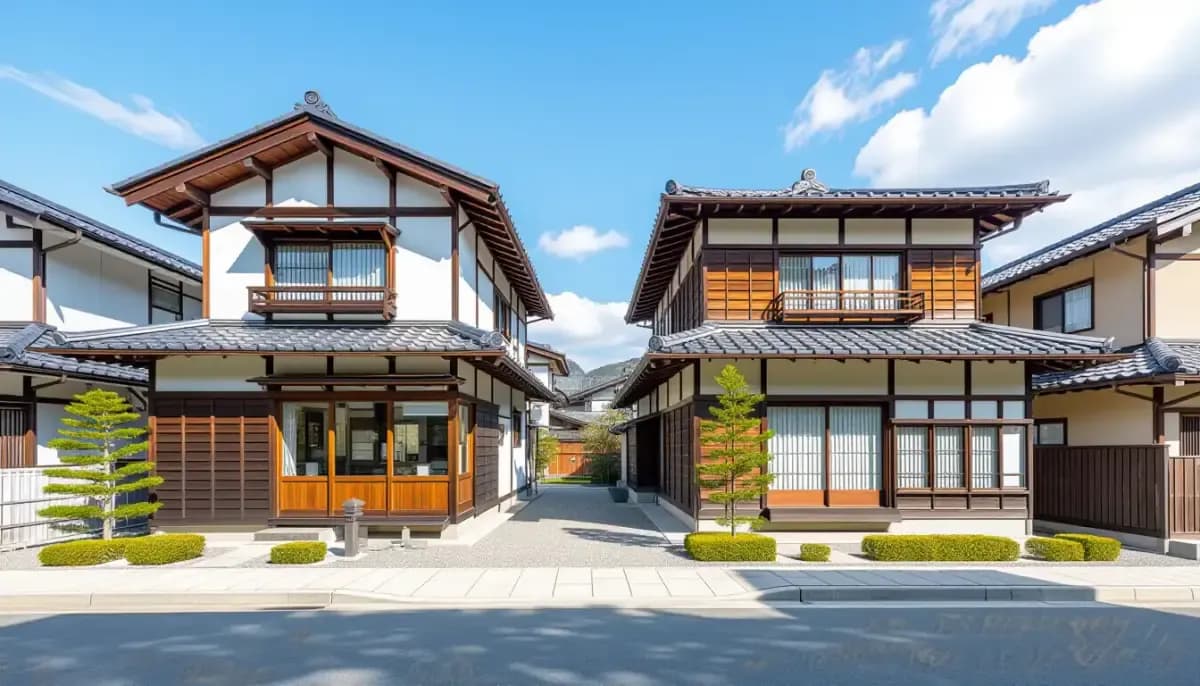
Japan New Build vs Used Housing Market Comparison
Compare new build (shinchiku) vs used (chuko) housing in Japan. Prices, depreciation, pros and cons, mortgage access, and which option suits foreign buyers best in 2025.
Read more →