
Hayama and Zushi: Coastal Property Guide for Foreigners

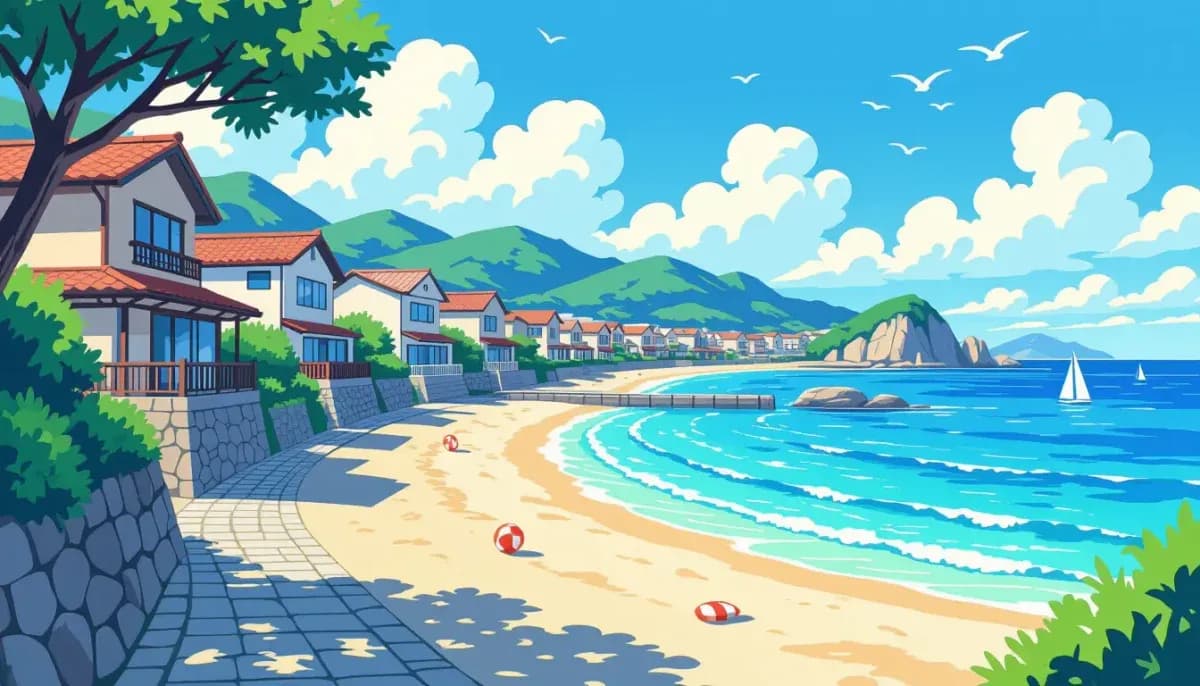
Complete guide to buying coastal property in Hayama and Zushi, Kanagawa for foreigners. Covers property prices, legal rights, buying process, costs, and lifestyle in these premier seaside towns near Tokyo.
Hayama and Zushi: Coastal Property Guide for Foreigners
If you have ever dreamed of waking up to ocean views, cycling to the beach before breakfast, and still commuting to Tokyo when needed, Hayama and Zushi deserve a serious look. Tucked into the Miura Peninsula in Kanagawa Prefecture, these two coastal towns offer a lifestyle that is rare anywhere in the world — let alone within striking distance of one of the planet's largest metropolitan areas. This guide walks you through everything a foreign buyer needs to know about purchasing property in Hayama and Zushi: the local market, legal steps, financing, costs, and what daily life actually looks like.
Why Hayama and Zushi Appeal to Foreign Buyers
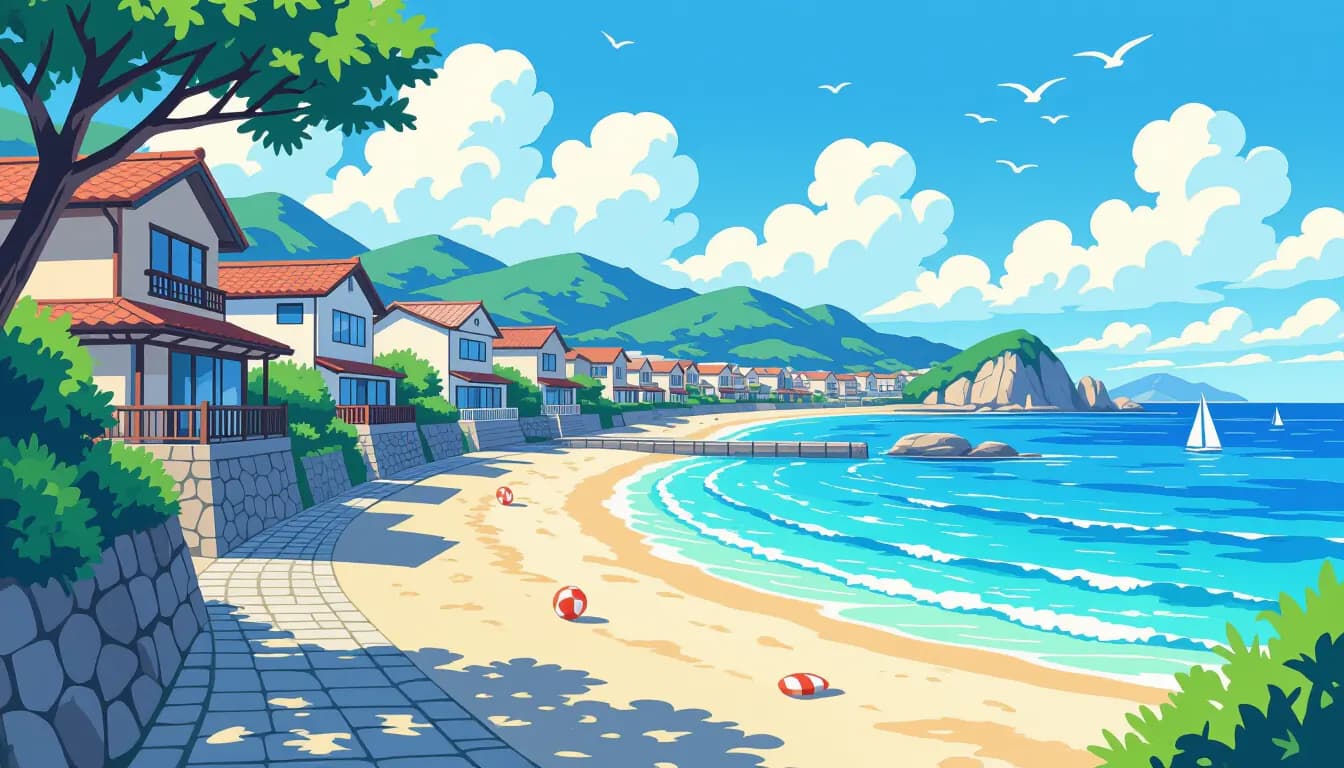
The Shonan coastline has attracted city-weary residents for decades, but Hayama and Zushi stand a cut above the more commercialized beach towns further west. Together they offer a combination that is genuinely hard to find elsewhere.
Hayama is sometimes called the "Monaco of Japan." The town population sits at around 31,000 people across 13,000 households, giving it a village intimacy while still providing core amenities. The Imperial Villa is located here, which has historically kept development restrained and property values stable. The crime rate is an extraordinary 1.61 incidents per 1,000 residents — well below the national threshold of five that already ranks Japan among the world's safest countries. Hayama Marina is one of the most prestigious sailing venues in the country, and Hayama Coast has been officially designated one of Japan's 100 best beaches.
Zushi complements Hayama by offering slightly easier commute access. It sits on the JR Yokosuka Line, putting Yokohama roughly 30 minutes away and Tokyo Station about an hour away by train. The town blends resort character with everyday convenience — supermarkets, schools, and cafes line the area near Zushi Station while quieter residential streets stretch toward the coast.
Both towns are magnets for expatriates. The proximity of Yokosuka Naval Base on the eastern side of the peninsula means a sizable U.S. military community has long called this area home, bringing with it English-language infrastructure, international restaurants, and agents who speak English. Hayama International School further strengthens the area's appeal to foreign families.
For anyone comparing this coastline to options in Tokyo or Yokohama, the quality-of-life return per yen is arguably unmatched. You are not paying Minato-ku prices to live by the ocean; you are paying Kanagawa suburb prices with a Riviera lifestyle. For more on the broader Kanagawa market, see our guide to Buying Property in Yokohama and Kanagawa as a Foreigner.
Understanding the Hayama and Zushi Property Market
Hayama Property Prices
Hayama land prices average approximately 480,000 yen per tsubo (roughly 3.3 square metres). That translates to around 145,000 yen per square metre for land alone, which is moderate by greater Tokyo standards and genuinely competitive given the setting. Single-family detached houses — the most common property type in Hayama — typically sell in the ¥40 million to ¥120 million range depending on size, condition, and proximity to the coast. Ocean-view properties at the upper end can exceed ¥200 million.
Rental prices give a useful benchmark for buyers considering whether purchase makes sense. A spacious 2LDK family apartment in Hayama rents for around 80,000 yen per month, making ownership economically attractive for anyone planning to stay more than a few years.
Because Hayama has no train station of its own, property values are less stratified by walking distance to transit than in most Japanese towns. Instead, price premiums cluster around ocean proximity, views, and lot quality.
Zushi Property Prices
Zushi's real estate market is more liquid than Hayama's, with active listings ranging from approximately ¥57 million for a modest 2LDK house up to ¥196.8 million for larger 3LDK homes in premium locations. Apartments near Zushi Station offer more affordable entry points, particularly in older buildings constructed in the 1980s and 1990s.
Current listings show roughly 20 properties for sale at any given time on major portals, which reflects a tight but accessible market. Properties near the station sell fastest; coastal houses with sea views attract buyers willing to wait for the right price.
| Property Type | Typical Price Range | Notes |
|---|---|---|
| Hayama detached house | ¥40M – ¥200M+ | No train access; car essential |
| Zushi detached house | ¥57M – ¥197M | Walking/bus to JR Yokosuka Line |
| Zushi apartment (2LDK) | ¥25M – ¥60M | Best transit access |
| Hayama land only | ~¥480K/tsubo avg | Build custom home |
| Hayama rental 2LDK | ~¥80K/month | For comparison |
Market Trends and Stability
Hayama benefits from a structural supply constraint: the town's coastline is finite, development is culturally restricted, and demand from high-income Tokyo commuters and remote workers has only grown. Post-pandemic, coastal areas across Japan saw renewed interest as remote and hybrid work became normalised. For a broader market picture, our Japan Real Estate Market Overview covers national trends in depth.
Can Foreigners Buy Property in Hayama and Zushi?
Yes — and the rules are the same as everywhere else in Japan. Foreigners can purchase land and buildings outright with no residency requirement, no special visa, and no nationality restriction. Japan has one of the most open real estate markets in the world for foreign buyers. There is no ownership cap, no approval process for foreign nationals, and no restriction on the type of property you can purchase.
What you do need:
- A valid passport
- A Japanese Individual Number (My Number) or, for non-residents, a notarised declaration of intent
- Funds to purchase (cash is most common for non-resident buyers)
- A registered seal (hanko) or alternative signature arrangement
For a full breakdown of legal rights, see our guide: Can Foreigners Buy Property in Japan? Legal Rights and Restrictions.
The practical challenge for foreigners is financing, not ownership rights. Japanese banks typically require permanent residency or a long-term visa to issue mortgages to foreign nationals. Buyers without PR usually either purchase cash, arrange overseas financing, or use specialist lenders. Our detailed article on Mortgages and Home Loans for Foreigners in Japan covers this topic thoroughly. For guidance on visa considerations tied to property ownership, see Visa and Residency Considerations for Property Buyers.
The Buying Process: Step by Step
Purchasing property in Hayama or Zushi follows Japan's standard real estate procedure. Here is a condensed version:
1. Find a property. Use portals like SUUMO, At Home, or Real Estate Japan. Consider engaging an English-speaking agency. COCO-HOUSE specialises in the Kamakura, Hayama, and Zushi area specifically for foreign buyers.
2. Make an offer. Submit a purchase application (moshikomisho) to the seller's agent. This is not legally binding.
3. Review the Explanation of Important Matters. A licensed real estate agent must explain this document (juyo jiko setsumeisho) to you before signing. If you cannot read Japanese, work with a bilingual agent or hire an interpreter.
4. Sign the purchase contract. You pay a deposit (usually 10% of the purchase price) at this stage.
5. Complete the transaction. The remaining balance, all fees, and taxes are paid on the closing date. The property registration is updated at the Legal Affairs Bureau.
The full process typically takes four to eight weeks from offer to completion. For a detailed walkthrough, see our Step-by-Step Home Buying Process in Japan.
Costs and Taxes to Budget For
The headline purchase price is only part of your budget. Japan's transaction costs run higher than many buyers expect. As a rule of thumb, budget an additional 6% to 9% of the purchase price for one-time buying costs.
Agent commission: Capped at 3% of purchase price plus ¥60,000 plus consumption tax (for properties above ¥4 million). This is the seller's agent fee; buyers often pay their own agent separately.
Stamp duty (inshi): Nominal — typically ¥10,000 to ¥60,000 depending on contract value.
Registration tax (torokumenkyoze): 1.5% to 2% of assessed value for the property; 0.4% for the mortgage registration if applicable.
Real estate acquisition tax (fudosan shutoku zei): Assessed several months after purchase; typically 3% to 4% of assessed value, with exemptions available for primary residences and new builds.
Annual holding costs: Fixed asset tax (kotei shisan zei) is 1.4% of assessed value per year; city planning tax (toshi keikaku zei) adds up to 0.3% in designated urban zones. Hayama and Zushi assessed values are typically lower than purchase price, keeping annual costs manageable.
For a complete breakdown, see our guides on Property Taxes and Annual Costs and Hidden Costs and Fees When Buying Property in Japan.
Living in Hayama and Zushi: What to Expect
Transportation
Hayama has no railway. The Keihin Kyuko Bus network connects the town to Zushi Station and the wider area. With a car, you can reach Yokohama in about 45 minutes and central Tokyo in 80 to 90 minutes via the Yokohama-Yokosuka Expressway. For remote workers and those commuting only occasionally, this is very manageable. For daily office commuters, it requires planning.
Zushi has its own JR station on the Yokosuka Line: roughly 30 minutes to Yokohama, one hour to Tokyo Station. This makes Zushi significantly more commuter-friendly than Hayama while still delivering the coastal atmosphere.
Shopping and Amenities
Both towns cover everyday needs well. HAYAMA STATION (a market opened in 2016) offers local produce, specialty foods, and artisan goods. Supermarkets including Sotetsu Rosen and Tokyu Store serve the area, though a car is recommended for major shopping runs. Zushi's town centre around the station has a fuller commercial strip.
Schools and Family Life
Hayama's local government provides subsidised medical expenses for children up to age 18, child allowances of ¥10,000–¥15,000 per month, and a full range of nurseries, kindergartens, and elementary schools. Hayama International School is a draw for foreign families, though local high schools require commuting to neighbouring towns. Zushi has slightly more complete secondary education infrastructure.
Community and Lifestyle
The expat community in this pocket of Kanagawa is well-established and relatively integrated with the local population. Yokosuka Naval Base's presence over the decades has meant English is more widely understood here than in most Japanese provincial towns. Marine sports — sailing, windsurfing, diving, and surf fishing — are central to local culture. The pace of life is deliberately slower than Tokyo, and that is the point.
Working with Real Estate Agents
For foreign buyers in Hayama and Zushi, choosing the right agent makes a significant difference. Look for agencies with demonstrated experience working with non-Japanese buyers and bilingual staff.
What to look for:
- Licensed in Kanagawa Prefecture
- English-speaking staff (or willingness to work with interpreters)
- Familiarity with both coastal area properties and the administrative steps relevant to foreign buyers
- Transparent fee structure
Agencies like COCO-HOUSE and KOKUA Real Estate have built their business partly around the foreign buyer segment in this area. Independent cross-referencing of listings on national portals alongside local agency searches is recommended. For guidance on the broader documentation and legal process, see our article on Legal Procedures and Documentation for Japan Property Purchase.
Practical Resources for Buyers
Pulling together reliable information before you make a major purchase is essential. Several resources are particularly useful for this area:
- Living in Nihon's property buying guide covers the mortgage process and purchase mechanics in plain English: Buying Property and Mortgages in Japan for Foreigners
- Gaijin Buy House offers a complete guide specifically aimed at foreign buyers navigating Japan's system: Complete Guide for Foreigners Buying Property in Japan
- For Work in Japan covers the broader context of settling in Japan including financial considerations for long-term residents: For Work in Japan
- Real Estate Japan lists current Zushi and Hayama properties in English with price histories: Zushi Properties for Sale
- Japan-Property.jp provides market context and bilingual listings for the Kanagawa coastal area: Hayama and Zushi Market Guide
For those still deciding between property types, our guide to Types of Properties Available in Japan walks through the differences between detached houses, condominiums, and land purchases with construction.
Is Hayama or Zushi Right for You?
The two towns suit slightly different buyer profiles:
Choose Hayama if: You work remotely or commute rarely, you prioritise lifestyle over convenience, you want space and can manage without a train station, or the Imperial Villa atmosphere and sailing culture speak to you.
Choose Zushi if: You commute to Yokohama or Tokyo regularly, you want a coastal lifestyle with easier access to urban amenities, or you are a first-time Japan buyer who wants slightly more market liquidity when it comes time to sell.
Either way, both towns represent something genuinely rare in Japan's real estate market: coastal living at prices that remain accessible to buyers who are priced out of central Tokyo or premium Yokohama neighbourhoods. The combination of safety, natural beauty, established expat infrastructure, and proximity to major cities makes Hayama and Zushi among the most compelling locations for foreign property buyers in the entire country.
For a broader view of how to start your property search in Japan, the Complete Guide to Buying Property in Japan as a Foreigner is the best place to begin.

Originally from Vietnam, living in Japan for 16+ years. Graduated from Nagoya University, with 11 years of professional experience at Japanese and international companies. Sharing information about buying property in Japan for foreigners.
View Profile →Related Articles

Kanagawa New Development Projects and Infrastructure Guide
A complete guide to Kanagawa's new development projects and infrastructure for foreign property buyers. Covers Minatomirai, Kawasaki Arena City, Musashi-Kosugi, Kannai redevelopment, rail expansion, and property value outlook through 2030.
Read more →
Yokohama Rental Property Investment Analysis
Complete analysis of Yokohama rental property investment for foreign buyers. Covers district yields (4–6.5%), vacancy rates, rental benchmarks, financing requirements, and risk factors with data-driven comparisons to Tokyo and other Japanese cities.
Read more →
Hakone Resort Property Investment Guide for Foreigners
Complete guide to buying resort property in Hakone as a foreigner. Covers prices, legal rights, buying process, taxes, financing, and key due diligence tips for this popular Japanese mountain resort town.
Read more →
Shonan Area Beach Properties for Foreign Buyers
Everything foreign buyers need to know about purchasing beach property in Japan's Shonan coast — Kamakura, Hayama, Chigasaki, Fujisawa, Zushi. Prices, mortgages, process, and key tips.
Read more →
Kawasaki Property Guide: Commuter Town Between Tokyo and Yokohama
Complete guide to buying property in Kawasaki, Japan as a foreigner. Covers neighborhoods like Musashi-Kosugi, property prices, mortgage options, and step-by-step buying process.
Read more →
Yokohama Chinatown Area Property Guide
Complete guide to buying property in Yokohama's Chinatown area for foreigners. Covers neighborhood overview, property prices, rental yields, purchase process, and practical tips for foreign buyers in 2025.
Read more →