
Yokohama Chinatown Area Property Guide

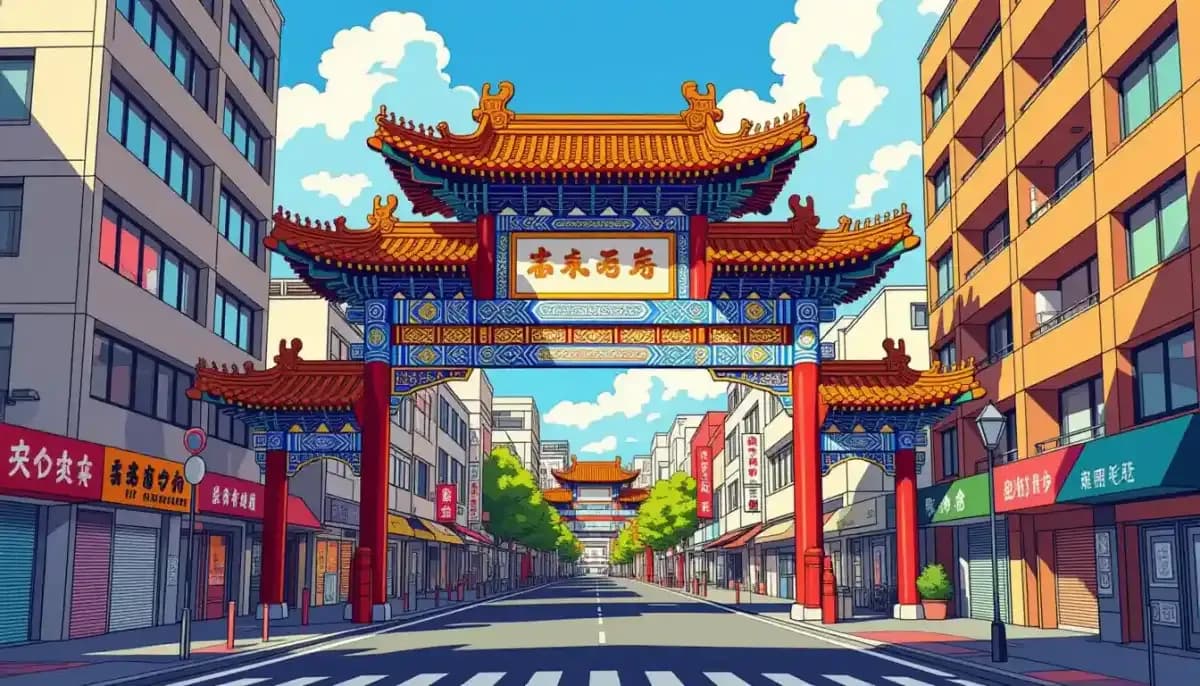
Complete guide to buying property in Yokohama's Chinatown area for foreigners. Covers neighborhood overview, property prices, rental yields, purchase process, and practical tips for foreign buyers in 2025.
Yokohama Chinatown Area Property Guide for Foreign Buyers
Yokohama's Chinatown district is one of the most vibrant and internationally recognizable neighborhoods in all of Japan. Home to the largest Chinatown in the country — with over 600 restaurants and specialty shops — this area blends East Asian culture, cosmopolitan energy, and some of Yokohama's most desirable real estate. For foreigners looking to purchase property in Japan, the Chinatown area and its surrounding neighborhoods offer a unique combination of cultural richness, excellent transport links, and strong investment potential.
This guide covers everything you need to know about buying property in the Yokohama Chinatown area — from neighborhood characteristics and pricing to the purchasing process for foreign buyers.
Understanding the Yokohama Chinatown Neighborhood
Yokohama Chinatown (横浜中華街, Yokohama Chūkagai) is located in the Naka Ward of Yokohama City, Kanagawa Prefecture. It sits just a short walk from Kannai Station and Ishikawacho Station, and is surrounded by several complementary neighborhoods including Motomachi, Bashamichi, Kannai, and the Minato Mirai waterfront district.
This is not simply a tourist zone. Many residents choose to live here for the lifestyle it offers — an urban, walkable environment with a strong sense of community and remarkable food culture. The area also attracts foreign residents in particular, thanks to its multicultural atmosphere and proximity to Yokohama's central business district.
Key features of the neighborhood:
- Over 600 Chinese restaurants, dim sum shops, and import stores
- Walking distance to Motomachi shopping street, one of Japan's oldest western-style commercial streets
- Close to Yamashita Park and Yokohama Bay
- Excellent access to central Tokyo (30–40 minutes by train)
- Strong international school presence in nearby Yamatecho and the Bluff area
For a comprehensive overview of buying property throughout Yokohama, see our full guide on Buying Property in Yokohama and Kanagawa as a Foreigner.
Property Types and Pricing in the Chinatown Area
The Yokohama Chinatown area primarily offers condominium (マンション) units, with a mix of older and newly renovated buildings. Detached houses are rare in this dense urban zone, though they can be found in nearby Motomachi and the hillside districts of Yamatecho.
Current Market Prices (2025)
The Yokohama property market has been appreciating steadily. The average price for pre-owned condominiums in the broader Yokohama market reached approximately ¥65.4 million in Q4 2024, marking a 14.6% year-on-year increase. The Chinatown/Motomachi pocket tends to command a premium over other Yokohama sub-markets due to its central location and lifestyle appeal.
| Property Type | Size | Average Price Range | Price per sqm |
|---|---|---|---|
| Studio/1K Condo | 20–35 sqm | ¥15M–¥28M | ¥500,000–¥750,000 |
| 1LDK Condo | 40–55 sqm | ¥28M–¥55M | ¥550,000–¥800,000 |
| 2LDK Condo | 55–75 sqm | ¥45M–¥80M | ¥600,000–¥900,000 |
| 3LDK Condo | 75–100 sqm | ¥65M–¥120M+ | ¥650,000–¥1,000,000+ |
| Detached House (Motomachi/Yamate) | 100–200 sqm | ¥60M–¥150M+ | ¥400,000–¥700,000 |
Citywide averages show approximately ¥384,000 per sqm for houses and ¥475,000 per sqm for apartments across all of Yokohama — the Chinatown area tends to sit above these averages. For context, land prices in Kanagawa Prefecture as a whole are roughly half those of Tokyo, making Yokohama a competitive value proposition for foreign investors.
Rental Yields and Investment Potential
The Yokohama Chinatown and Kannai area is increasingly popular with property investors, both domestic and foreign. Rental yields in Yokohama generally outperform central Tokyo, ranging from 4.5% to 7% depending on property type and location.
For the Chinatown/Motomachi corridor specifically:
- 1-bedroom apartments (50 sqm): Rent typically runs ¥180,000–¥350,000 per month
- Kannai/Bashamichi area: Expected gross yield of 4.5%–5.5%, considered affordable relative to other Yokohama premium zones
- Yokohama Station area (nearby): Expected gross yield of 4.0%–5.0%, with strong occupancy driven by commuter demand
Yokohama properties yield approximately 0.2%–0.5% higher returns than comparable properties in Tokyo's central wards. For a broader look at investment considerations, Japan Luxury Realty Group's Yokohama analysis provides detailed area-by-area breakdowns.
The key advantage for investors is Yokohama's dual appeal: it attracts both long-term residents (including a growing number of expats and international professionals) and short-term visitors, especially around the Chinatown and Minato Mirai areas. This diversifies potential rental demand.
Key Surrounding Sub-Neighborhoods
Understanding the micro-geography of the Chinatown area is essential for making an informed purchase decision.
Chinatown Core (Naka Ward)
The immediate Chinatown area is densely commercial, meaning residential options here are predominantly high-rise condominiums. Noise and foot traffic are significant during peak tourist seasons. Properties in this zone appeal to investors focused on short-term rental income and urban lifestyle buyers.
Motomachi
Directly adjacent to Chinatown, Motomachi is a sophisticated shopping street with a distinctly European atmosphere. Residential options here include boutique condominiums and some townhouse-style properties. It attracts a higher-income buyer profile and tends to command premium prices.
Kannai and Bashamichi
Kannai is Yokohama's traditional business hub, while Bashamichi is a historic waterfront district known for its red-brick warehouses and fashionable cafes. Both areas offer a mix of older apartments and newer condominium developments at comparatively moderate prices. This zone is particularly attractive for investment buyers due to its yield profile.
Yamatecho and The Bluff
A hilly residential district about 15–20 minutes' walk from Chinatown, the Bluff area (山手) has a long history as a foreign settlement. Two major international schools are located here. Properties range from renovated Western-style houses to modern condominiums. Rental rates for 1-bedroom apartments run ¥160,000–¥240,000/month; 3-bedroom houses reach ¥600,000–¥850,000/month.
Minato Mirai
The gleaming waterfront development zone, home to Yokohama's iconic skyline, luxury hotels, and shopping malls. Condominiums here are among Yokohama's most expensive and tend to be high-rise towers with bay views. Expected yields are lower (3.5%–4.5%) but tenant quality and occupancy stability are high.
For more detailed guidance on the regional property landscape, see All Japan Relocation's Yokohama housing rate guide.
Can Foreigners Buy Property in the Chinatown Area?
Yes. Japan places no legal restrictions on foreign nationals purchasing real estate, regardless of visa status or residency. There are no special permits, minimum investment thresholds, or nationality-based exclusions for property ownership.
This means you can legally purchase a condominium in the Yokohama Chinatown area as a tourist, as a non-resident, or as a permanent resident. The purchase process is the same as for Japanese citizens, with a few practical differences:
- Language barrier: All contracts and legal documents are in Japanese. You will need a certified translator or bilingual real estate agent.
- Mortgage access: Home loans are significantly harder to obtain as a non-resident or holder of a short-term visa. Permanent residents and long-term visa holders (spouse visa, work visa with 1+ years remaining) have the best mortgage access. Some specialized lenders offer loans to non-residents at higher rates.
- Agent selection: Choose an agent with demonstrated experience handling foreign buyer transactions. Some agencies in the Yokohama area specifically cater to the expat market.
For the full legal framework on foreign property ownership, see our guide on Can Foreigners Buy Property in Japan? Legal Rights and Restrictions.
For mortgage options available to foreign buyers, see our detailed guide on Mortgages and Home Loans for Foreigners in Japan.
Living in Nihon's property purchase and mortgage guide for foreigners is another excellent resource for understanding the financing landscape.
Step-by-Step Purchase Process
Buying property in the Chinatown area follows the standard Japanese property acquisition process. Here is a simplified overview:
- Define your budget and financing. Determine whether you will buy in cash or seek a mortgage. Non-residents purchasing in cash face far fewer hurdles.
- Engage a bilingual real estate agent. Look for agencies in the Kanagawa/Yokohama market with experience serving foreign clients.
- Search and view properties. Online portals like Suumo, At Home, and Real Estate Japan list available properties. Your agent can arrange viewings.
- Make an offer and sign the purchase agreement (売買契約書). This is legally binding. A deposit (手付金) of typically 5%–10% of the purchase price is paid at signing.
- Conduct due diligence. A Certified Real Estate Transaction Specialist (宅地建物取引士) must provide a Written Explanation of Important Matters before you sign.
- Final settlement and registration. Balance payment is made, and ownership is registered at the Legal Affairs Bureau (法務局).
- Pay acquisition taxes. Real estate acquisition tax (不動産取得税) is due within a few months of purchase.
For a full walkthrough of each stage, see our Step-by-Step Home Buying Process in Japan for Foreigners guide. You should also review our guide on Hidden Costs and Fees When Buying Property in Japan, as transaction costs (agent commission, registration fees, taxes) typically add 6%–8% on top of the purchase price.
Gaijin Buy House's complete guide to buying property in Japan as a foreigner covers the procedural steps in detail.
Practical Living in the Chinatown Area
Beyond investment metrics, living in or near Yokohama Chinatown offers a genuinely distinctive lifestyle.
Transportation: The area is served by JR Keihin-Tohoku Line (Ishikawacho Station), the Minatomirai Line (Motomachi-Chukagai Station), and JR Negishi Line (Kannai Station). Direct trains reach Yokohama Station in 5–10 minutes and Shibuya in approximately 35 minutes.
Daily life: Grocery shopping, dining, and daily errands are extremely convenient. The area has Chinese supermarkets, international food stores, and a full range of Japanese convenience stores. Yamashita Park and Minato Mirai provide waterfront recreation.
International community: Yokohama has a historically cosmopolitan character. The city has a dedicated Foreign Resident Consultation Desk at City Hall offering multilingual support on visas, welfare, childcare, and employment.
Schools: International schools are clustered in the Yamate/Bluff area (about 15 minutes' walk or a short taxi ride). Japanese public schools are available throughout Naka Ward.
For context on how Yokohama compares to other major Japanese cities for property buyers, see our guide on Buying Property in Tokyo as a Foreigner. For information on working and living in Japan more broadly, For Work in Japan's housing and living infrastructure guide for foreigners is a practical companion resource.
Tips for Foreign Buyers in the Chinatown Area
- Visit in person before purchasing. The Chinatown core is noisy and heavily touristed on weekends. Determine whether the energy suits your lifestyle before committing.
- Check building age carefully. Many buildings in the Chinatown area predate the 1981 earthquake resistance standards (新耐震基準). Post-1981 buildings command a premium but provide better structural safety.
- Consider management fees. High-rise condominiums in urban areas come with monthly maintenance fees (管理費) and sinking fund contributions (修繕積立金) that can significantly affect your actual cost of ownership.
- Factor in renovation costs. Older units often require bathroom, kitchen, or electrical upgrades. Budget ¥2M–¥10M+ for a full renovation of a typical unit.
- Use a buyer's agent. In Japan, the listing agent typically represents the seller. A dedicated buyer's agent — or at minimum, a bilingual agent at a different firm — gives you independent advocacy in negotiations.
For a full understanding of annual ownership costs, see our guide on Property Taxes and Annual Costs of Owning Property in Japan.
Conclusion
The Yokohama Chinatown area is one of Japan's most compelling urban neighborhoods for both lifestyle buyers and property investors. Its cultural vibrancy, strong transport links, diversified rental demand, and relatively accessible pricing compared to central Tokyo make it an attractive destination for foreigners entering the Japanese property market.
Whether you are looking for a pied-à-terre near the bay, a rental investment in the Kannai corridor, or a long-term family home in the Yamate hills, the greater Chinatown area has options to suit a range of budgets and goals. As with all Japanese real estate purchases, working with experienced professionals and conducting thorough due diligence are the keys to a successful transaction.
For the full picture on purchasing property throughout Japan as a foreigner, start with our Complete Guide to Buying Property in Japan as a Foreigner.

Originally from Vietnam, living in Japan for 16+ years. Graduated from Nagoya University, with 11 years of professional experience at Japanese and international companies. Sharing information about buying property in Japan for foreigners.
View Profile →Related Articles

Kanagawa New Development Projects and Infrastructure Guide
A complete guide to Kanagawa's new development projects and infrastructure for foreign property buyers. Covers Minatomirai, Kawasaki Arena City, Musashi-Kosugi, Kannai redevelopment, rail expansion, and property value outlook through 2030.
Read more →
Yokohama Rental Property Investment Analysis
Complete analysis of Yokohama rental property investment for foreign buyers. Covers district yields (4–6.5%), vacancy rates, rental benchmarks, financing requirements, and risk factors with data-driven comparisons to Tokyo and other Japanese cities.
Read more →
Hakone Resort Property Investment Guide for Foreigners
Complete guide to buying resort property in Hakone as a foreigner. Covers prices, legal rights, buying process, taxes, financing, and key due diligence tips for this popular Japanese mountain resort town.
Read more →
Shonan Area Beach Properties for Foreign Buyers
Everything foreign buyers need to know about purchasing beach property in Japan's Shonan coast — Kamakura, Hayama, Chigasaki, Fujisawa, Zushi. Prices, mortgages, process, and key tips.
Read more →
Kawasaki Property Guide: Commuter Town Between Tokyo and Yokohama
Complete guide to buying property in Kawasaki, Japan as a foreigner. Covers neighborhoods like Musashi-Kosugi, property prices, mortgage options, and step-by-step buying process.
Read more →
Kanagawa Suburban Property Guide for Foreign Families
Complete guide to buying suburban property in Kanagawa as a foreigner. Covers top family-friendly areas like Fujisawa, Aoba Ward, Atsugi, and Sagamihara, plus costs, mortgages, and the full purchase process.
Read more →