
Yokohama Rental Property Investment Analysis

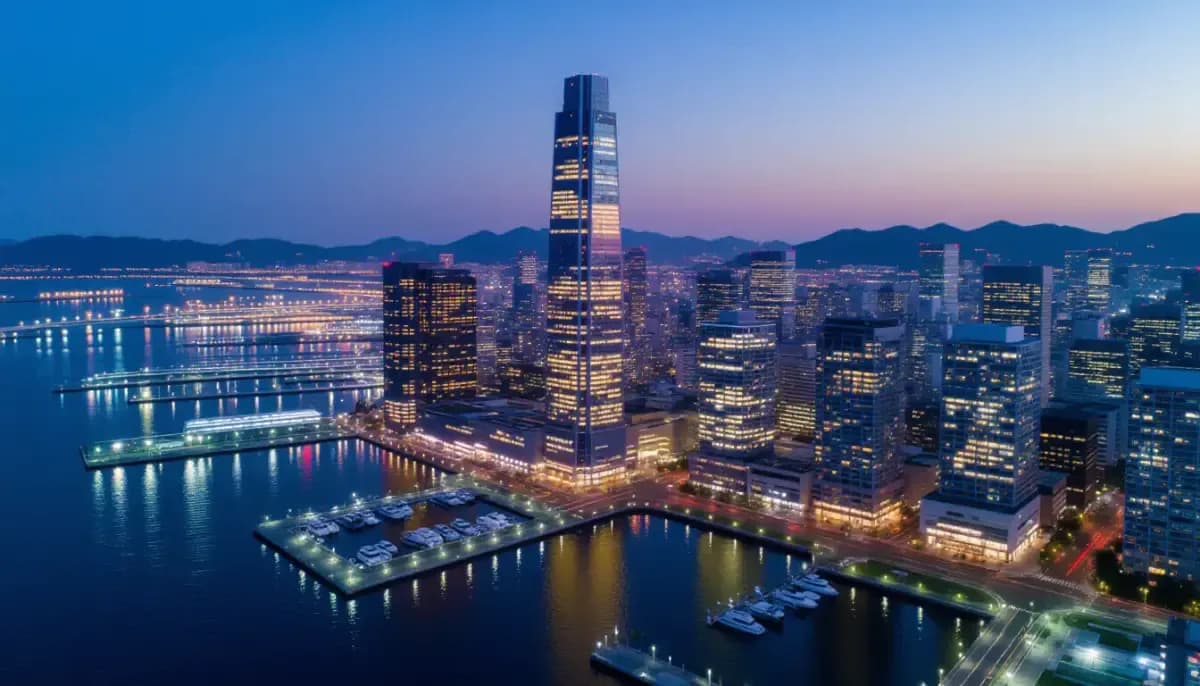
Complete analysis of Yokohama rental property investment for foreign buyers. Covers district yields (4–6.5%), vacancy rates, rental benchmarks, financing requirements, and risk factors with data-driven comparisons to Tokyo and other Japanese cities.
Yokohama Rental Property Investment Analysis: A Complete Guide for Foreign Investors
Yokohama — Japan's second-largest city and a global port hub just 30 minutes from central Tokyo — has emerged as one of the most compelling rental property investment destinations for foreign buyers. With lower entry prices than Tokyo, stable rental demand, and a growing international community, Yokohama offers a unique combination of affordability, yield, and long-term capital security. This guide provides a data-driven analysis of Yokohama's rental property market to help foreign investors make informed decisions.
Why Yokohama Stands Out for Rental Property Investment
Yokohama's investment appeal stems from a simple equation: lower purchase prices than Tokyo combined with comparable — and often higher — rental yields. Properties in Yokohama typically cost 20–30% less than equivalent Tokyo properties, yet gross rental yields run 0.2–0.5% higher than central Tokyo. For investors who cannot justify Tokyo prices, Yokohama represents the rational alternative without sacrificing the quality of tenants or the depth of the rental market.
The city's fundamentals are strong. Yokohama is home to over 3.7 million residents, houses the headquarters of major multinationals including Nissan, and serves as a primary gateway for international business in the Kanto region. The Minato Mirai waterfront redevelopment — now one of Japan's most recognizable skylines — continues to attract both domestic and international residents, sustaining rental demand across multiple neighborhood tiers.
For foreign investors specifically, Yokohama's established expat community (centered in Yamate, Honmoku, and Kannai) means a reliable pool of international tenants willing to pay premium rents for well-located, quality properties. For more context on the legal framework for foreign property buyers, see our guide on Can Foreigners Buy Property in Japan?.
Yokohama Rental Yield Analysis by District
Gross yields in Yokohama vary significantly by neighborhood, property type, and asset age. Understanding district-level yield ranges is essential for targeting the right investment strategy.
| District | Gross Yield Range | Vacancy Rate | Investor Profile |
|---|---|---|---|
| Yokohama Station (West/North) | 4.0%–5.0% | 3.63% | Stable income, low vacancy risk |
| Kannai / Bashamichi | 4.5%–5.5% | 3.71% | Best yield-to-vacancy balance |
| Minato Mirai 21 | 3.5%–4.5% | 10%+ | Capital appreciation focus |
| Shin-Yokohama | 4.0%–5.5% | 8.49% | Business travel, transit demand |
| Yamate / Honmoku | 4.0%–5.0% | ~4.5% | Expat and international tenants |
| Totsuka / Ofuna | 5.0%–6.5% | ~5.0% | Higher yield, commuter suburbs |
Properties advertised with yields above 7% in central Yokohama warrant scrutiny — elevated yields at that level typically signal location disadvantages, deferred maintenance, or structural issues that suppress purchase prices artificially.
According to analysis from Japan Luxury Realty Group, Kannai and Bashamichi offer the best risk-adjusted returns in the city, combining sub-4% vacancy rates with yields in the 4.5%–5.5% range. The Yokohama Station corridor — while offering slightly lower yields — delivers the most liquid resale market and the broadest tenant base.
Rental Price Benchmarks for Yokohama
Understanding rental pricing at the street level allows investors to underwrite properties accurately before purchase. Expat and premium rental segments price differently from the general market.
| Property Type | Floor Area | Monthly Rent Range | Target Tenant |
|---|---|---|---|
| Studio / 1R | 20–30 sqm | ¥60,000–¥100,000 | Students, young professionals |
| 1K / 1DK | 30–45 sqm | ¥80,000–¥140,000 | Single workers, young couples |
| 1LDK | 40–55 sqm | ¥120,000–¥200,000 | Professionals, small families |
| 2LDK (expat area) | 65–80 sqm | ¥230,000–¥450,000 | Expat families, corporate housing |
| 3LDK+ (expat area) | 90–120 sqm | ¥350,000–¥730,000 | Senior expats, family relocation |
Data sourced from All Japan Relocation's Yokohama housing guide. Rents in the Yamate, Honmoku, and Minatomirai premium zones sit at the upper end of these ranges, while inner suburban neighborhoods like Totsuka and Kanazawa-ku price at the lower end.
For investors targeting the general domestic market, compact 1K and 1LDK units in walkable locations near Yokohama Station, Kannai, or Shin-Yokohama offer the best absorption rates and consistent occupancy.
Demand Drivers: What Sustains Yokohama's Rental Market
Despite Japan's well-publicized demographic decline, Yokohama's rental market benefits from structural demand drivers that insulate it from the vacancy pressures affecting rural Japan.
Single-person household growth. Even as Yokohama's overall population ages, the number of single-person households continues to rise. Divorce rates, delayed marriage, and the increasing tendency for elderly residents to live independently sustain demand for compact 1R and 1K units regardless of total population trends.
Corporate and expat tenants. Yokohama hosts the Japanese headquarters of numerous global corporations — Nissan, Mitsubishi Heavy Industries, Fujitsu, and dozens of logistics and trading companies. These employers regularly source furnished housing for relocated staff, creating a stable institutional rental demand that is particularly valuable for investors targeting the 2LDK+ segment.
Transit connectivity. Yokohama's Tokyu Toyoko Line, JR Yokosuka Line, and Minatomirai Line connect directly to Shibuya, Shinjuku, and Tokyo Station. Commuters priced out of Tokyo increasingly choose Yokohama as a base, and the 25–35 minute commute to central Tokyo keeps rental demand anchored.
Port and logistics employment. As Japan's busiest international port, Yokohama employs a large workforce in maritime, customs, and logistics industries — a sector less susceptible to remote work displacement, sustaining steady demand for mid-range rental units in waterfront neighborhoods.
Living resources for Japan-based residents can be found at Living in Nihon, which covers daily life practicalities relevant to your potential tenants.
Financing Yokohama Investment Properties as a Foreigner
Foreign investors face higher barriers to financing than Japanese nationals, but investment loans are available under specific conditions. According to Housing Japan's financing guide, the standard eligibility requirements are:
- Residency status: Permanent Residency (PR) is typically required for investment property loans from major Japanese banks. Some regional banks and trust banks will lend to holders of long-term work visas with 3+ years of continuous employment in Japan.
- Income threshold: Most lenders require verified annual income of ¥7 million or higher.
- Loan-to-value (LTV): Up to 80% for approved applicants, meaning a 20% down payment minimum.
- Loan term: Up to 35 years for qualifying properties.
- Closing costs: Budget approximately 6% of purchase price for transaction costs (registration taxes, agent fees, title insurance, and legal fees).
Yokohama is specifically listed as a preferred lending location by major banks, alongside Tokyo's 23 wards — a designation that reduces lender risk perception and can result in more favorable interest rate offers.
Investors without PR who are considering cash purchases should note that property ownership in Japan carries no nationality or visa restrictions. Foreigners hold the same legal ownership rights as Japanese citizens, with no expiration on ownership and full inheritance rights. For a comprehensive overview of mortgages available to foreigners, see our Mortgage and Home Loan Guide for Foreigners in Japan.
Key Risks to Assess Before Investing
A balanced Yokohama investment analysis requires honest evaluation of the risks as well as the opportunities.
Earthquake and disaster risk. Yokohama sits in a high seismic risk zone. Properties built before 1981 (pre-new seismic standard, or shin-taishin) carry elevated structural risk and potential liability. Post-1981 buildings — and especially post-2000 constructions — meet modern standards, but investors should budget for seismic retrofit costs on older buildings and verify insurance coverage before purchase.
Aging building stock. Japan's urban rental stock skews old. Older properties deliver higher gross yields but face rising maintenance costs, periodic large-scale repair levies (修繕積立金 reserve funds), and potential functional obsolescence as tenant expectations for building quality rise.
Oversupply in new-build corridors. Minato Mirai's vacancy rate exceeding 10% reflects the consequences of concentrated new-build development. Investors chasing trophy addresses in premium towers should model vacancy risk carefully — high rents do not compensate for 3-month vacancy gaps.
Currency and repatriation risk. Rental income is denominated in yen. Foreign investors repatriating earnings face exchange rate fluctuation, and Japan imposes withholding taxes on rental income remitted abroad. Consult a tax professional experienced in cross-border Japan real estate before committing capital.
For a full breakdown of ongoing ownership costs, see our article on Property Taxes and Annual Costs of Owning Property in Japan.
Comparing Yokohama to Other Japan Investment Cities
| City | Entry Price (1LDK, central) | Gross Yield Range | Vacancy Risk | Liquidity |
|---|---|---|---|---|
| Tokyo (23 Wards) | ¥50M–¥80M+ | 3.5%–5.0% | Very low | Very high |
| Yokohama (central) | ¥35M–¥55M | 4.0%–5.5% | Low | High |
| Osaka | ¥25M–¥45M | 5.0%–7.0% | Medium | High |
| Nagoya | ¥20M–¥35M | 5.5%–7.5% | Medium | Medium |
| Fukuoka | ¥18M–¥30M | 6.0%–8.0% | Medium | Medium |
| Sapporo | ¥10M–¥20M | 7.0%–10%+ | High | Low |
Yokohama occupies a middle position: less liquid than Tokyo but substantially more liquid than regional cities, with yields that compensate for the higher entry price relative to Osaka or Nagoya. For investors who value tenant quality, asset preservation, and eventual resale, Yokohama's profile is arguably the most balanced in Japan outside of central Tokyo.
Additional investment comparisons by region are available at For Work in Japan and Gaijin Buy House, both of which cover practical aspects of Japan property investment for foreigners.
Getting Started: Practical Steps for Foreign Investors
- Define your investment goal. Cash flow (prioritize yield, target Kannai or Totsuka), capital preservation (prioritize liquidity, target Yokohama Station corridor), or expat tenant premium (Yamate/Honmoku) — each strategy favors different neighborhoods and property types.
- Engage a bilingual buyer's agent. Most sellers' agents in Japan represent the vendor, not the buyer. Working with a bilingual buyer's specialist who understands the investment market protects your interests and provides access to pre-market listings.
- Conduct due diligence on the building management. Review the kanri kumiai (owners' association) minutes, the repair reserve fund balance, and the building's long-term maintenance plan. Underfunded repair reserves are a common hidden liability in older condos.
- Model net yield, not gross. Gross yield is advertised; net yield is what you earn. Subtract management fees (5–8% of rent), building maintenance fees, property taxes, insurance, and occasional vacancy to arrive at a realistic net return.
- Understand the tax implications. Japan levies income tax on rental earnings at progressive rates (15–45% depending on total income), plus a 10% residents' tax. Non-residents face a flat 20.42% withholding tax. Double-taxation treaties may apply depending on your home country.
For the complete legal and documentation process, refer to our Legal Procedures and Documentation Guide for Japan Property Purchases and the Step-by-Step Home Buying Process guide.
Conclusion
Yokohama presents a credible, data-supported case for foreign rental property investment. The city delivers genuine advantages over Tokyo — lower entry costs, comparable yields, and a large, diverse tenant base — without the liquidity and demand risks associated with smaller Japanese cities. District selection matters enormously: Kannai and Bashamichi offer the best risk-adjusted returns today, while Yokohama Station provides maximum resale flexibility.
The key success factors for foreign investors are straightforward: choose post-1981 buildings in sub-5% vacancy neighborhoods, model net yields conservatively, secure professional legal and tax advice early, and align your financing strategy to your residency status. With those foundations in place, Yokohama's rental property market offers one of the most accessible entry points to serious Japan real estate investment available to foreign buyers today.

Originally from Vietnam, living in Japan for 16+ years. Graduated from Nagoya University, with 11 years of professional experience at Japanese and international companies. Sharing information about buying property in Japan for foreigners.
View Profile →Related Articles
Kanagawa New Development Projects and Infrastructure Guide
A complete guide to Kanagawa's new development projects and infrastructure for foreign property buyers. Covers Minatomirai, Kawasaki Arena City, Musashi-Kosugi, Kannai redevelopment, rail expansion, and property value outlook through 2030.
Read more →
Hakone Resort Property Investment Guide for Foreigners
Complete guide to buying resort property in Hakone as a foreigner. Covers prices, legal rights, buying process, taxes, financing, and key due diligence tips for this popular Japanese mountain resort town.
Read more →
Shonan Area Beach Properties for Foreign Buyers
Everything foreign buyers need to know about purchasing beach property in Japan's Shonan coast — Kamakura, Hayama, Chigasaki, Fujisawa, Zushi. Prices, mortgages, process, and key tips.
Read more →
Kawasaki Property Guide: Commuter Town Between Tokyo and Yokohama
Complete guide to buying property in Kawasaki, Japan as a foreigner. Covers neighborhoods like Musashi-Kosugi, property prices, mortgage options, and step-by-step buying process.
Read more →
Yokohama Chinatown Area Property Guide
Complete guide to buying property in Yokohama's Chinatown area for foreigners. Covers neighborhood overview, property prices, rental yields, purchase process, and practical tips for foreign buyers in 2025.
Read more →
Kanagawa Suburban Property Guide for Foreign Families
Complete guide to buying suburban property in Kanagawa as a foreigner. Covers top family-friendly areas like Fujisawa, Aoba Ward, Atsugi, and Sagamihara, plus costs, mortgages, and the full purchase process.
Read more →