
Kawasaki Property Guide: Commuter Town Between Tokyo and Yokohama

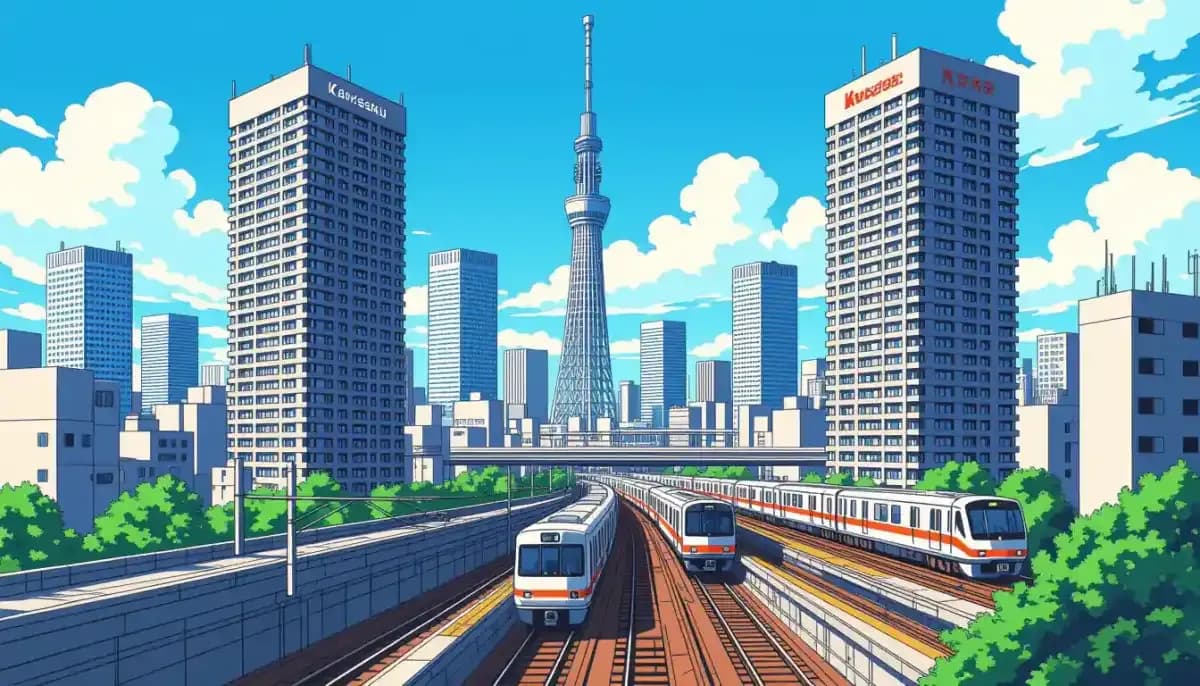
Complete guide to buying property in Kawasaki, Japan as a foreigner. Covers neighborhoods like Musashi-Kosugi, property prices, mortgage options, and step-by-step buying process.
Kawasaki Property Guide: The Commuter Town Between Tokyo and Yokohama
Kawasaki is one of Japan's most strategically located cities — sandwiched between the two largest urban centers in the country: Tokyo and Yokohama. For foreign buyers looking to enter the Japanese real estate market without paying Tokyo prices, Kawasaki offers a compelling mix of affordability, outstanding rail connectivity, and a growing residential scene. This guide walks you through everything you need to know about buying property in Kawasaki as a foreigner.
Why Kawasaki? The Case for Japan's Commuter Powerhouse
Kawasaki is not just a city you pass through on the way to somewhere else. With a population approaching 1.5 million — and still growing at approximately 0.75% annually — it is one of Japan's most dynamic mid-sized cities. Unlike neighboring Yokohama, which has already seen its population peak, Kawasaki continues to attract residents and investors alike.
The city occupies a narrow east-west strip along the southern bank of the Tama River in Kanagawa Prefecture. Historically known as an industrial corridor of heavy manufacturing and electronics, Kawasaki's interior wards have transformed dramatically into sought-after residential zones over the past two decades.
Key commuting figures for Kawasaki residents:
- 18 minutes to Tokyo Station via the Tokaido Line
- 21 minutes to Shibuya via the Tokyu Toyoko Line from Musashi-Kosugi
- 10 minutes to Yokohama Station on multiple lines
- 41 minutes to Shinjuku from Musashi-Kosugi
This accessibility means residents enjoy a genuine work-life balance: urban salaries without urban property prices.
For a deeper look at the broader Kanagawa market, see our guide on Buying Property in Yokohama and Kanagawa.
Kawasaki's Key Neighborhoods for Property Buyers
Understanding Kawasaki's geography is essential before you start property hunting. The city is divided into seven wards, each with a distinct character.
| Ward | Character | Best For | Approx. Condo Price (per sqm) |
|---|---|---|---|
| Kawasaki Ward (川崎区) | Industrial/coastal, most affordable | Budget buyers, investors | ¥250,000–¥350,000 |
| Saiwai Ward (幸区) | Mixed, near Kawasaki Station | First-time buyers, commuters | ¥300,000–¥420,000 |
| Nakahara Ward (中原区) | Musashi-Kosugi hub, upscale | Expats, young professionals | ¥450,000–¥650,000 |
| Takatsu Ward (高津区) | Quiet residential, parks | Families, long-term residents | ¥380,000–¥520,000 |
| Miyamae Ward (宮前区) | Suburban, green spaces | Families with children | ¥360,000–¥490,000 |
| Tama Ward (多摩区) | Near university campuses | Students, budget renters/buyers | ¥300,000–¥400,000 |
| Asao Ward (麻生区) | Semi-rural, Shinjuku access | Those prioritizing space & quiet | ¥280,000–¥380,000 |
Musashi-Kosugi: Kawasaki's Star Neighborhood
No property guide to Kawasaki is complete without a deep dive into Musashi-Kosugi (武蔵小杉), located in Nakahara Ward. Once an industrial area, Musashi-Kosugi underwent a dramatic transformation from 2008 onward as factories were razed and replaced with gleaming high-rise tower mansions (タワーマンション).
Today, six train lines pass through or near Musashi-Kosugi Station, providing direct connections to Shibuya, Meguro, Shinagawa, and Yokohama — often in under 20 minutes. The area hosts city government offices, public health centers, major shopping malls, supermarkets, and excellent schools, making it highly desirable for families.
Important flood risk note: Musashi-Kosugi sits in a known flood zone. During Typhoon Hagibis in 2019, several high-rise tower basements flooded, causing power and sewage outages for thousands of residents. Always check the official Kawasaki City Hazard Map (ハザードマップ) before signing any contract in this area. Even if you love a specific building, understanding the flood risk is non-negotiable.
Property Prices and Market Trends
Kawasaki's property market has been on a sustained upward trend. Kanagawa Prefecture (which includes both Kawasaki and Yokohama) recorded price increases for 16 consecutive months as of early 2025. The region posted a 6.58% year-on-year price increase in 2024 — significantly lower than Tokyo's 12.62% rise, but still reflecting robust demand.
What Does Property Cost in Kawasaki?
For a concrete example of investment potential: a studio apartment in Kawasaki City purchased for ¥5.2 million (~$46,700 USD) at 16.73 sqm was generating approximately 10% net pre-tax annual yield, according to analysis by Plaza Homes — an exceptional return for the region. Most Kawasaki properties yield below 7%, making high-yield finds precious and fast-moving. Desirable properties in popular areas are often under contract within days.
For perspective on how Kawasaki compares to the national market, see our Japan Real Estate Market Overview.
Can Foreigners Buy Property in Kawasaki?
Yes, and with minimal restrictions. Japan grants foreign nationals the same property rights as Japanese citizens — including full ownership of both buildings and land. There are no nationality-based restrictions, no minimum investment thresholds, and no requirement for residency status to make a purchase.
This open policy makes Japan — and Kawasaki specifically — highly attractive to international investors and relocating expats alike. However, you should be aware of one recent change: as of 2024, foreign buyers are required to register a domestic contact address in Japan.
For a full legal overview, read our guide on Can Foreigners Buy Property in Japan? Legal Rights Explained.
More practical guidance on the full purchase process is available at Living in Nihon's comprehensive property purchase guide, which covers the 7-step process from property search through final registration.
Financing Your Kawasaki Property: Mortgages for Foreigners
Mortgage access in Japan depends heavily on your residency status:
With Permanent Residency (PR): You can access mortgages from virtually all Japanese banks on the same terms as Japanese nationals. Current rates are approximately 0.7% variable or 1.9% for 35-year fixed mortgages — among the most competitive in the developed world.
Without Permanent Residency: The conditions are stricter. Most lenders require:
- 30% or more down payment
- 3+ years continuous employment in Japan
- Stable, verifiable income
- A Japanese spouse or permanent resident guarantor (in many cases)
Foreign-friendly banks such as SMBC Prestia, Tokyo Star Bank, and SBJ Bank offer dedicated non-resident lending programs with higher rates but fewer eligibility hurdles.
Many foreign investors in Kawasaki, particularly those purchasing lower-priced properties for rental income, opt for cash purchases entirely to avoid the mortgage complexity.
For detailed financing information, visit our guide on Mortgages and Home Loans for Foreigners in Japan.
You can also find additional resources for foreigners navigating the Japanese property market at For Work in Japan, which provides guides on working and living in Japan as an expat.
Total Costs: What to Budget Beyond the Sale Price
Buying property in Japan is not as simple as paying the listed price. In Kawasaki, as elsewhere in Japan, you should budget an additional 8–12% of the property value in one-time transaction costs:
| Cost Item | Typical Amount |
|---|---|
| Real estate agent commission | ~3.3% of price + ¥60,000 + tax |
| Registration and license tax | 0.1–2% of property value |
| Real estate acquisition tax | 3–4% of assessed value |
| Judicial scrivener (司法書士) fees | ¥50,000–¥200,000 |
| Home inspection (任意) | ¥50,000–¥100,000 |
| Fire insurance (火災保険) | ¥50,000–¥200,000/year |
| Stamp duty | ¥10,000–¥60,000 |
After purchase, annual ownership costs include:
- Fixed asset tax (固定資産税): 1.4% of assessed value per year
- City planning tax (都市計画税): 0.3% of assessed value per year
- Condo management fees: ¥10,000–¥40,000/month (for apartment buildings)
- Repair reserve fund (修繕積立金): Varies by building age and size
For a complete breakdown of ongoing costs, see our article on Property Taxes and Annual Costs of Owning Property in Japan.
A thorough guide on hidden costs is also available at Gaijin Buy House's Tokyo real estate guide for foreigners, which provides detailed cost breakdowns applicable to Kawasaki purchases.
Kawasaki vs. Yokohama: Which Is Right for You?
Both cities are in Kanagawa and offer excellent access to Tokyo, but they cater to different lifestyles.
| Factor | Kawasaki | Yokohama |
|---|---|---|
| Property price | Generally lower | Moderately higher |
| Cultural attractions | Limited | Rich (Chinatown, waterfront) |
| International community | Growing | Well-established |
| Population trend | Still growing | Already peaked |
| Green space | Parks in western wards | Good (especially Minato Mirai) |
| Best for | Budget-conscious commuters, investors | Lifestyle seekers, families, expats |
| Commute to Tokyo | 18–25 minutes | 20–30 minutes |
The short answer: if you want lower prices, a growing city, and superb commuting efficiency, Kawasaki wins. If you want a more international atmosphere with cultural amenities and a scenic waterfront, Yokohama is worth the premium.
The Buying Process in Kawasaki: A Step-by-Step Overview
The home-buying process in Japan follows a consistent 7-step flow regardless of location:
- Property Search (1–3 months): Use platforms like SUUMO, at-home, HOME'S, and Real Estate Japan. For English-language support, agencies like Plaza Homes and Ken Corporation handle Kawasaki listings.
- Viewings and Offer (1–2 weeks): Submit a written purchase offer (購入申込書) with a preliminary amount.
- Mortgage Pre-Approval (1–2 weeks): If financing, obtain pre-approval before proceeding.
- Important Explanation of Property (重要事項説明, 1 day): A licensed agent explains all legal disclosures in detail — arrange a certified interpreter if needed.
- Sales Contract + Deposit (1 day): Sign the contract and pay a deposit (usually 5–10% of the price).
- Formal Loan Approval (2–4 weeks): Final mortgage approval from lender.
- Final Payment and Registration (1 day): Pay the balance, transfer ownership, register with the Legal Affairs Bureau.
Overseas fund transfers typically take 2–3 weeks to process through Japanese banks — plan this well in advance.
For a detailed walkthrough of each step, read our Step-by-Step Home Buying Process in Japan for Foreigners.
Visa and Residency: What Property Ownership Means for Your Status
Buying property in Kawasaki — or anywhere in Japan — does not automatically grant you residency, a visa, or any immigration status. Japan does not offer a property investment visa. Your visa status must be maintained through other means (employment, spouse visa, student visa, etc.).
That said, owning property can strengthen your case when applying for long-term residency, as it demonstrates ties to Japan. If you are on a long-term work visa and considering a purchase, it is worth consulting an immigration lawyer about how ownership might intersect with your eventual permanent residency application.
More on this topic at our Visa and Residency Considerations for Property Buyers in Japan.
Practical Tips for Foreign Buyers in Kawasaki
- Hire a bilingual real estate agent. Not all contracts or disclosure documents are available in English. A bilingual agent or a certified translator is essential to avoid costly misunderstandings.
- Check the hazard map. Kawasaki (particularly areas near the Tama River) has flood-prone zones. Visit the Kawasaki City official website for the latest hazard maps before committing to any purchase.
- Act quickly on desirable properties. High-yield or well-located units in Musashi-Kosugi and Nakahara Ward sell within days. If you find something good, be prepared to move.
- Factor in building age. Properties built before 1981 may not meet modern earthquake resistance standards (新耐震基準). Post-1981 buildings are generally preferred and command a premium.
- Consider the repair reserve fund. Older condominiums sometimes have inadequately funded repair reserves, meaning large special assessments could be levied on all owners in the future. Request the management financial statements before purchasing.
For more practical guidance, see how international buyers approach the full process in our Complete Guide to Buying Property in Japan as a Foreigner.
Additional expat community insights and property research can be found at Yokohama vs. Kawasaki: Best Areas for Foreigners, a detailed comparison guide for expats weighing both cities.
Conclusion: Is Kawasaki the Right Choice for You?
Kawasaki's combination of unbeatable transport links, competitive property prices relative to Tokyo, and a steadily growing population makes it one of the most rational choices for foreign buyers entering the Japanese market. Whether you are a buy-to-let investor looking for yield, an expat professional seeking a convenient base near Tokyo, or a family wanting more space without sacrificing city access, Kawasaki has a ward and a price point to match your needs.
The market is active, prices are rising, and the fundamentals remain strong. If Kawasaki is on your radar, the time to research seriously is now.

Originally from Vietnam, living in Japan for 16+ years. Graduated from Nagoya University, with 11 years of professional experience at Japanese and international companies. Sharing information about buying property in Japan for foreigners.
View Profile →Related Articles
Kanagawa New Development Projects and Infrastructure Guide
A complete guide to Kanagawa's new development projects and infrastructure for foreign property buyers. Covers Minatomirai, Kawasaki Arena City, Musashi-Kosugi, Kannai redevelopment, rail expansion, and property value outlook through 2030.
Read more →
Yokohama Rental Property Investment Analysis
Complete analysis of Yokohama rental property investment for foreign buyers. Covers district yields (4–6.5%), vacancy rates, rental benchmarks, financing requirements, and risk factors with data-driven comparisons to Tokyo and other Japanese cities.
Read more →
Hakone Resort Property Investment Guide for Foreigners
Complete guide to buying resort property in Hakone as a foreigner. Covers prices, legal rights, buying process, taxes, financing, and key due diligence tips for this popular Japanese mountain resort town.
Read more →
Shonan Area Beach Properties for Foreign Buyers
Everything foreign buyers need to know about purchasing beach property in Japan's Shonan coast — Kamakura, Hayama, Chigasaki, Fujisawa, Zushi. Prices, mortgages, process, and key tips.
Read more →
Yokohama Chinatown Area Property Guide
Complete guide to buying property in Yokohama's Chinatown area for foreigners. Covers neighborhood overview, property prices, rental yields, purchase process, and practical tips for foreign buyers in 2025.
Read more →
Kanagawa Suburban Property Guide for Foreign Families
Complete guide to buying suburban property in Kanagawa as a foreigner. Covers top family-friendly areas like Fujisawa, Aoba Ward, Atsugi, and Sagamihara, plus costs, mortgages, and the full purchase process.
Read more →