
Japan Real Estate Contract Cancellation and Cooling-Off Rights

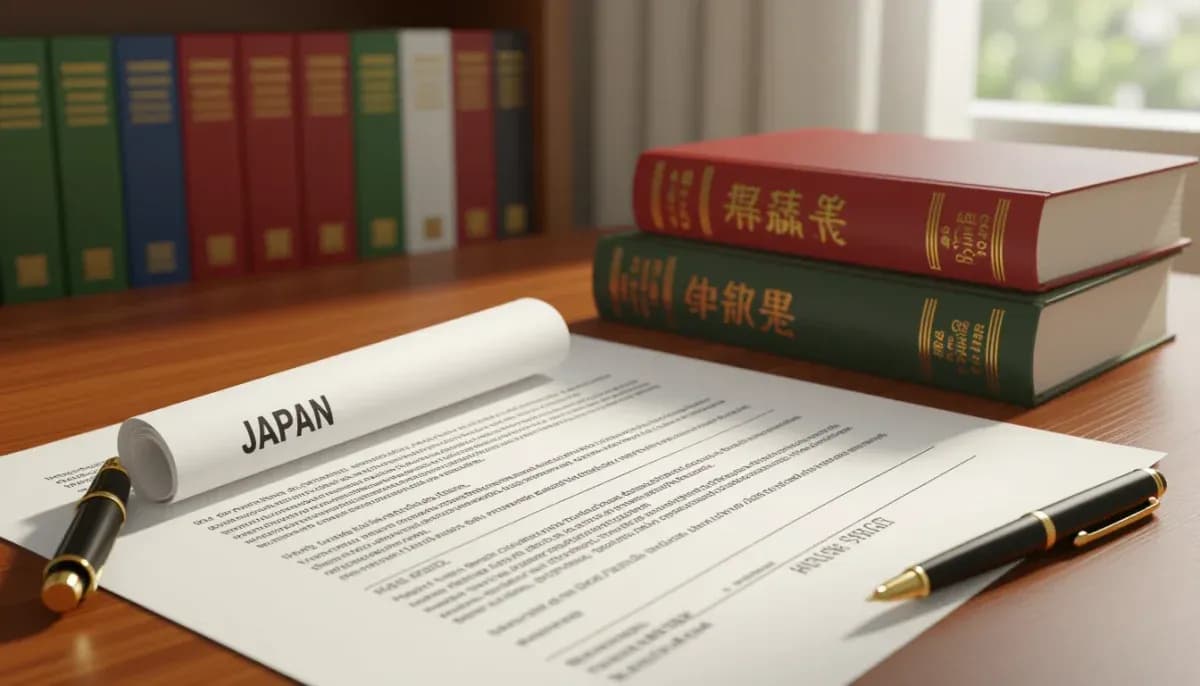
Learn Japan's real estate contract cancellation rules, cooling-off rights, deposit system, and how foreign buyers can protect themselves before signing a property purchase agreement.
Japan Real Estate Contract Cancellation and Cooling-Off Rights: A Complete Guide for Foreign Buyers
Signing a real estate contract in Japan is a major commitment — and one that many foreign buyers underestimate. Unlike many Western countries, Japan has no general cooling-off period for real estate purchase agreements. Once you sign on the dotted line, the contract is legally binding, and withdrawing from it comes at a significant financial cost. Understanding Japan's cancellation rules, deposit system, and the limited rights you do have is essential before you make an offer.
This guide explains exactly what happens when you want to cancel a Japan real estate contract, what your legal rights are as a foreign buyer, how the deposit (手付金, tetsukkin) system works, and what special clauses can protect you from losing everything if circumstances change.
Does Japan Have a Cooling-Off Period for Real Estate?
The short answer: no, not in the traditional sense.
Japan's Consumer Contract Act and the Act on Specified Commercial Transactions provide cooling-off rights for certain consumer transactions — door-to-door sales, telemarketing, and some installment purchases. However, real estate purchase contracts (売買契約, *baibai keiyaku*) are explicitly excluded from these cooling-off protections.
This catches many foreign buyers off guard, especially those from countries like the United States, Australia, or the United Kingdom, where a statutory cooling-off or review period is standard in real estate law.
There is one narrow exception: under the Building Lots and Buildings Transaction Business Act (宅地建物取引業法), if you sign the contract at a location other than the seller's registered office (such as your own home or a temporary sales office), a cooling-off period of 8 days may apply for new property sold directly by a licensed real estate developer. However, this protection:
- Applies only to new-build properties sold directly by the developer (not resale properties)
- Does not apply if you visited the sales office voluntarily at your own request
- Requires written notification sent by traceable mail within 8 days
In practice, most condo and house purchases in Japan do not qualify for this exception. For the vast majority of transactions, once the sale and purchase agreement is executed, you are fully committed.
For general information on the homebuying journey, see Complete Guide to Buying Property in Japan as a Foreigner.
The Deposit System: How 手付金 Works
The cornerstone of contract cancellation rights in Japan is the earnest money deposit (手付金, *tetsukkin*), paid by the buyer to the seller when the sales contract is signed. This deposit:
- Serves as proof that the sale agreement has been made
- Acts as financial collateral for both parties
- Determines the cost of cancellation for either side
Typical Deposit Amounts
| Property Type | Typical Deposit Rate | Example (¥50M Property) |
|---|---|---|
| New condominium | ~10% of purchase price | ¥5,000,000 |
| Used condominium | ~5% of purchase price | ¥2,500,000 |
| New detached house | 5–10% of purchase price | ¥2,500,000–¥5,000,000 |
| Used detached house | ~5% of purchase price | ¥2,500,000 |
| Negotiated (low-demand) | As low as 0–3% | Varies |
The deposit is typically paid by bank transfer at the time of contract signing and cannot be financed through a mortgage loan — it must come from your own funds, since loan disbursement only occurs at the time of property handover.
For a full breakdown of all upfront costs, see Hidden Costs and Fees When Buying Property in Japan.
What Happens If You Cancel: Buyer vs. Seller Rights
The rules for cancellation depend on who initiates the cancellation and when it happens.
If the Buyer Cancels
If you decide to back out of a signed purchase contract as the buyer, you forfeit the entire deposit. There is no partial refund. For a ¥50 million property with a 10% deposit, that means losing ¥5 million immediately.
The key rule: cancellation by deposit forfeiture is only available before the other party has commenced performance of the contract. Once the seller has begun fulfilling their obligations (e.g., preparing for handover, completing renovations stipulated in the contract), simple deposit-based cancellation may no longer be available, and you could face additional damages claims.
If the Seller Cancels
If the seller decides to cancel the contract, they must return double the deposit amount to the buyer. Using the same example: the buyer receives back ¥10 million on a contract with a ¥5 million deposit.
This two-way protection system is designed to balance risk: both parties have a financial incentive to honor the contract, and both parties know the cost of walking away.
After Performance Has Commenced
Once either party begins performing the contract — such as the buyer completing their mortgage application and submitting documents, or the seller beginning handover preparations — the deposit-based cancellation mechanism closes. After this point, cancellation requires mutual agreement or must be based on the other party's breach of contract, potentially resulting in larger damages claims under Japanese civil law.
For more on the overall legal framework, see Legal Procedures and Documentation for Japan Property Purchase.
The Mortgage Cancellation Clause (融資利用特約)
This is one of the most important protections for any buyer using a home loan. The mortgage loan contingency clause (融資利用特約, *yūshi riyō tokuyaku*) allows buyers to cancel the purchase contract without losing their deposit if their mortgage application is rejected.
Here is how it works:
- The clause sets a specific deadline by which the buyer must secure mortgage approval
- If the bank denies the loan before that deadline, the buyer may cancel and receive the full deposit back
- If the deadline passes without the buyer obtaining approval (or if they simply change their mind about financing), the protection may not apply
This clause is standard in most purchase agreements in Japan and should always be included if you plan to use a mortgage. Foreign buyers — who may face additional scrutiny from Japanese lenders — should be especially diligent about confirming this clause is in their contract before signing.
Learn more about financing at Mortgages and Home Loans for Foreigners in Japan.
Before the Contract: The Application Stage
Many buyers confuse the contract signing stage with an earlier stage called the purchase application (購入申込, *kōnyū mōshikomi*).
When you submit a purchase application and pay an application fee (申込金, *mōshikikin*) — typically around ¥100,000 — this is not a binding contract. You are simply expressing your intent to purchase, and:
- The application fee is fully refundable if you withdraw at this stage
- The seller is not yet legally obligated to sell to you
- No cooling-off rules are needed because neither party is yet committed
The moment the formal sale and purchase agreement (売買契約書) is signed and the deposit transferred, however, the full binding rules described above apply. This is why due diligence must happen before contract signing, not after.
Breach of Contract and Seller Defects
Beyond deposit-based cancellation, there are legitimate legal grounds to cancel a purchase contract in Japan:
Breach of Contract
Either party may cancel the contract if the other party fails to perform their obligations, provided:
- The aggrieved party gives written notice demanding the breach be cured within a reasonable period
- The breaching party fails to cure within that period
- The non-breaching party then notifies cancellation
In cases of breach-based cancellation, the non-breaching party may also claim additional damages beyond the deposit.
Defect Liability (契約不適合責任)
Under Japan's revised Civil Code (effective 2020), sellers have contract non-conformity liability (契約不適合責任, *keiyaku futekigō sekinin*) for defects that make the property non-conforming to what was agreed. If such defects are discovered, buyers may:
- Demand repairs at the seller's expense
- Demand a reduction in the purchase price
- Cancel the contract entirely
- Claim compensation for damages
This protection is particularly important for older properties. However, it is common for resale contracts in Japan to include clauses limiting or waiving the seller's liability for defects — especially in "as-is" (genjo-hikiwatashi) transactions. Always have your contract reviewed by a qualified judicial scrivener (司法書士) or attorney before signing.
Cooling-Off Rights for Rental Contracts
Foreign residents who are renting — not purchasing — should be equally aware: there is no cooling-off period for Japanese rental agreements either.
Once you sign a lease at a real estate agency and pay the initial fees, the contract is binding. Common non-refundable costs at that stage include:
- Brokerage commission (仲介手数料)
- Key money (礼金) — a traditional non-refundable gift to the landlord
- Guarantor company fees (once background check is completed)
The security deposit (敷金) and advance rent may be refundable if you back out before moving in, but this is at the landlord's discretion. Standard notice periods are typically one month from written notification.
For expats navigating Japan's rental market, Living in Nihon's property and mortgage guide provides helpful context on the overall process.
Practical Advice for Foreign Buyers
Foreign buyers face the same rules as Japanese buyers — Japan does not discriminate in its real estate law based on nationality. However, there are practical considerations worth noting:
| Step | What to Do | Why It Matters |
|---|---|---|
| Before application | Conduct full due diligence | No cooling-off means no "undo" after signing |
| Before contract | Confirm mortgage approval likelihood | Protect yourself with mortgage contingency clause |
| At contract stage | Confirm 融資利用特約 is included | Protects deposit if loan is denied |
| Review contract | Hire a judicial scrivener or attorney | Identify defect liability waivers or risky clauses |
| Understand deposit | Know your deposit amount | Budget for non-refundable exposure |
| Understand timeline | Confirm when "performance commences" | Determines when deposit cancellation closes |
The For Work in Japan housing guide offers additional perspective on navigating housing systems in Japan as a foreign resident.
Summary of Japan Real Estate Cancellation Rights
To consolidate everything:
- Cooling-off period: Generally does not apply to real estate in Japan; 8-day exception exists only for new-build purchases signed off-site from a developer
- Deposit cancellation (buyer): Forfeit 100% of the deposit; available before seller commences performance
- Deposit cancellation (seller): Return double the deposit to buyer; available before buyer commences performance
- Mortgage contingency clause: Cancel without losing deposit if loan is denied — always insist this is in your contract
- Application stage: Before signing, all fees are refundable and you face no penalties
- Breach of contract: Either party can cancel for non-performance; additional damages may apply
- Defect liability: Buyers can cancel if undisclosed material defects make the property non-conforming
For detailed documentation requirements and the full purchase process, see Gaijin Buy House's contract documentation guide and our own guide on Step-by-Step Home Buying Process in Japan for Foreigners.
For an overview of ongoing ownership costs after you've bought, see Property Taxes and Annual Costs of Owning Property in Japan.
Understanding these rules before you reach the contract stage is not just helpful — it is essential. Japan's real estate system rewards prepared buyers who do their research upfront and penalizes those who assume they can change their mind after signing. With the right knowledge and the right clauses in your contract, you can navigate the process with confidence.

Originally from Vietnam, living in Japan for 16+ years. Graduated from Nagoya University, with 11 years of professional experience at Japanese and international companies. Sharing information about buying property in Japan for foreigners.
View Profile →Related Articles

Notarization and Authentication of Foreign Documents for Japan Property
Learn how to notarize and authenticate foreign documents for buying property in Japan. Covers affidavits, apostilles, consular authentication, translation requirements, and step-by-step process for non-resident foreign buyers.
Read more →
Tax Representative Requirements for Non-Resident Property Owners in Japan
Learn about Japan's tax representative (納税管理人) requirements for non-resident property owners. Who needs one, how to appoint one, costs, and penalties for non-compliance.
Read more →
Anti-Money Laundering Regulations for Japan Property Purchases
Complete guide to Japan's AML regulations for foreign property buyers. Learn identity verification requirements, fund transfer thresholds, FEFTA obligations, and how to ensure smooth compliance when buying property in Japan.
Read more →
Understanding Japan Property Ownership Certificates
Everything foreigners need to know about Japan's touki (property ownership certificate) system: how to obtain records, registration costs, 2024 rule changes for foreign names, and the new 2026 certificate system.
Read more →
Land Survey and Boundary Confirmation in Japan
Complete guide to land survey and boundary confirmation (境界確認) in Japan for foreigners. Learn the 5-step process, costs (¥300K–¥1M), timelines, key professionals, and what to watch out for as a foreign buyer.
Read more →
Condominium Management Rules for Foreign Owners in Japan
A complete guide to Japan's condominium management rules for foreign owners: kanri kumiai membership, monthly fees, voting rights, 2026 law changes, and obligations for non-resident overseas investors.
Read more →