
Japan Building Code Compliance and Certificates Explained

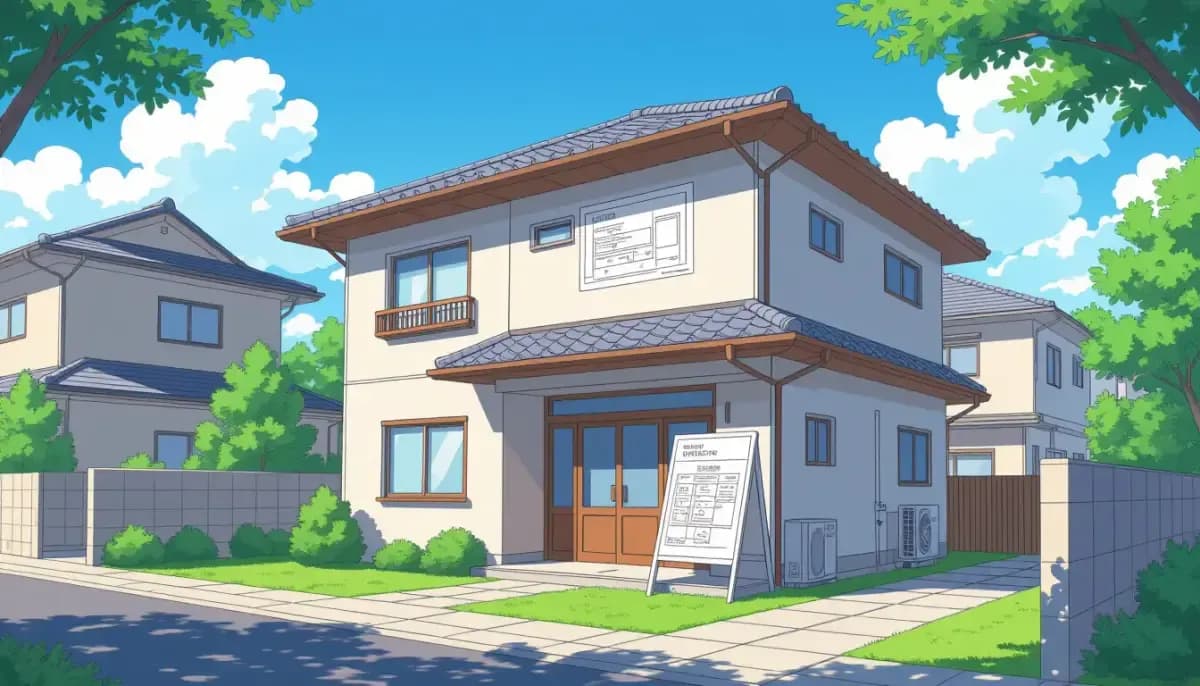
Learn how Japan's Building Standards Act works, what the Kensazumisho (completion inspection certificate) is, and how to verify building code compliance before buying property in Japan as a foreigner.
Japan Building Code Compliance and Certificates Explained
Buying property in Japan as a foreigner involves navigating a complex web of legal requirements, and building code compliance is one area that can make or break a deal. Japan's Building Standards Act (建築基準法, Kenchiku Kijun Ho), first enacted in 1950, governs all aspects of construction — from structural safety and fire resistance to setbacks and floor area ratios. Understanding how these rules work, and what certificates you should look for when purchasing a property, is essential to protecting your investment.
This guide explains the key building compliance certificates, what they mean, and what every foreign buyer needs to know before signing a contract.
What Is the Building Standards Act (Kenchiku Kijun Ho)?
The Building Standards Act (BSA) is Japan's primary building regulation law. It sets minimum standards for structural safety, fire prevention, sanitation, and urban planning. Every building in Japan — residential or commercial — must comply with the BSA and any applicable local regulations.
The BSA is administered at the national level by the Ministry of Land, Infrastructure, Transport and Tourism (MLIT), but it is enforced locally by Tokutei Gyosei Cho (特定行政庁), or Specific Administrative Agencies, which are typically prefectural or municipal governments. This means rules can vary slightly between cities and prefectures — what is acceptable in rural Tochigi may not be permitted in Tokyo.
Key areas covered by the BSA include:
- Structural safety: Requirements for earthquake resistance (seismic standards), fire resistance, and load-bearing capacity
- Site and building ratios: Floor area ratio (容積率, Yoseki Ritsu) and building coverage ratio (建蔽率, Kenpei Ritsu)
- Setbacks: Minimum distances from roads and neighboring properties
- Use zoning: Residential, commercial, and industrial zone restrictions
For foreign buyers, the most important thing to understand is that compliance is property-specific — a beautiful-looking house could have illegal additions or fail to meet current seismic standards, which creates real legal and financial risks.
The Kensazumisho: Japan's Key Completion Inspection Certificate
The single most important building compliance document when purchasing property in Japan is the Kensazumisho (検査済証), which translates as the "completion inspection certificate." This certificate is issued by the local government authority (or a registered private inspection agency) after a building has been constructed and passed a final on-site inspection, confirming that the completed building matches the originally approved plans and meets all BSA requirements.
The Kensazumisho is distinct from the Kakunin Sho (確認済証), which is a building permit issued before construction begins. The permit confirms that the proposed plans comply with the law; the Kensazumisho confirms that what was actually built matches those plans.
Why the Kensazumisho matters for buyers:
- Mortgage eligibility: Since a 2003 directive from MLIT, financial institutions in Japan are expected to require a valid Kensazumisho before approving a mortgage on an existing property. Without this certificate, securing a Japanese home loan becomes significantly more difficult.
- Legal occupancy: Without the certificate, there is no documented proof that the building was legally approved for habitation.
- Resale value: Properties lacking the certificate are harder to sell and typically command lower prices.
- Renovation permits: If you want to make significant modifications, municipalities may reject permit applications for uncertified properties.
Historically, the completion inspection rate in Japan was shockingly low: only about 12% of buildings received the certificate in 1985, rising to roughly 40% by 1998 and 70% by 2003. Today, the rate exceeds 95% for new construction. This means many older properties — particularly those built before the 1990s — may not have a Kensazumisho on record, or the certificate may have been lost.
For more on title and ownership documentation in Japan, see our guide on Japan Property Registration System (Touki Seido) Explained.
Building Compliance Certificates: A Summary Table
| Certificate | Japanese Name | Issued When | Issued By | Why It Matters |
|---|---|---|---|---|
| Building Permit | 確認済証 (Kakunin Sho) | Before construction begins | Local authority / inspection agency | Confirms plans comply with BSA |
| Completion Inspection Certificate | 検査済証 (Kensazumisho) | After construction is complete | Local authority / inspection agency | Confirms built structure matches approved plans |
| Seismic Compliance Certificate | 耐震基準適合証明書 | After seismic assessment | Certified architect | Required for some tax benefits; confirms 1981+ seismic standards |
| Energy Performance Certificate | 省エネ性能評価書 | Voluntary / required from 2025 | Registered evaluator | Confirms energy efficiency grade; affects tax benefits and mortgage eligibility |
| Existing Non-Conforming Notice | 既存不適格通知 | Upon title investigation | Municipality | Flags that the property no longer conforms to current rules (not necessarily illegal) |
Seismic Standards: Old vs. New Construction
Japan is one of the most earthquake-prone countries in the world, and seismic compliance is a major factor in building value and safety. There are two main seismic standards buyers should know:
Old Seismic Standard (旧耐震基準, *Kyu Taishin Kijun*): Applied to buildings permitted before June 1, 1981. Buildings under this standard were designed to withstand a Seismic Intensity 5 earthquake without collapse — a lower bar than today's requirements.
New Seismic Standard (新耐震基準, *Shin Taishin Kijun*): Applied to buildings permitted on or after June 1, 1981. These buildings must withstand a Seismic Intensity 6–7 earthquake without collapse. This standard has been updated further following the 1995 Great Hanshin Earthquake.
Properties built under the old seismic standard are not illegal — they are "existing non-conforming" (既存不適格, Kison Futekikaku). However, they may face:
- Reduced mortgage eligibility or higher interest rates
- Higher earthquake insurance premiums
- Lower resale values, particularly in high-risk zones
- Ineligibility for certain first-time buyer tax benefits
If you're considering an older property, always request a Seismic Compliance Certificate (耐震基準適合証明書) from a certified architect. This certificate confirms whether the building meets the current (post-1981) seismic standards, even if it was built under the old rules. This assessment is particularly important for wooden single-family homes.
For guidance on the overall legal process of buying property in Japan, see our Step-by-Step Home Buying Process in Japan for Foreigners.
The April 2025 Building Code Revisions: What Changed
Japan implemented significant building code revisions in April 2025 that every buyer and investor should understand:
Expanded permit requirements: Previously, small wooden structures — specifically two-story wooden buildings under 200 square meters — were exempt from requiring a building permit. From April 2025, all two-story wooden buildings now require a building permit, regardless of floor area. This change closes a loophole that allowed many small homes to be built without proper oversight.
Renovation and renovation permits: Major renovations affecting more than 50% of primary structural elements (walls, columns, floors, beams, roofs, and stairs) now require permits. This is important for buyers who plan to renovate older properties after purchase.
Energy efficiency mandates: All newly built homes in Japan must now comply with minimum energy performance standards before construction permits are issued:
- Minimum Thermal Insulation Performance Grade 4
- Minimum Primary Energy Consumption Grade 4
By 2030, these requirements will be raised to ZEH (Zero Energy House) standards, meaning nearly all new homes will need to generate as much energy as they consume.
Penalties: Unpermitted renovations now carry penalties of up to one year imprisonment or a fine of up to ¥1,000,000.
Tax incentives for compliant properties: Energy-efficient properties receive meaningful tax benefits:
- Housing loan deductions of 0.7% of the outstanding mortgage balance for up to 13 years
- Reduced registration and license taxes
- Extended property tax deductions (5 years vs. 3 years for standard properties)
Learn more about how these changes affect property costs in our guide on Hidden Costs and Fees When Buying Property in Japan.
Home Inspections in Japan: What Foreign Buyers Need to Know
While a Kensazumisho confirms original construction compliance, it says nothing about the current condition of the building. Japan's real estate market relies heavily on buyer due diligence, and home inspections are a critical — though not legally required — step.
Since a 2018 revision to the Real Estate Brokerage Act, licensed brokers are required to offer buyers access to certified third-party building condition surveys (建物状況調査, Tatemono Jokyo Chosa) during transactions involving existing homes. A 2024 amendment strengthened this further: brokers must now provide reasons if they decline to facilitate a survey.
Inspection costs:
- Detached house (basic visual inspection): ¥50,000–¥70,000
- Condominium unit: ¥40,000–¥60,000
- Detailed structural inspection: prices can be double or more
Who performs inspections: Japanese law requires inspectors to hold First or Second-Class Architect credentials (一級建築士 / 二級建築士) plus MLIT certification. Avoid using inspectors without these qualifications.
English-language services: Several companies in Japan offer home inspection services in English, including Sakura Home Inspection and Anest. For foreign buyers unfamiliar with Japanese construction methods, working with an English-speaking inspector familiar with traditional and modern Japanese building techniques is strongly recommended.
The inspection report will typically cover:
- Foundation and structure
- Exterior walls and roof
- Interior finishes and moisture damage
- Plumbing and electrical systems
- Evidence of past repairs or illegal modifications
For a full overview of the legal documents involved in purchasing property, see our guide on the Important Matters Explanation Document (Juuyou Jikkou Setsumeisho).
How to Verify Building Code Compliance Before Buying
When conducting due diligence on a property in Japan, follow these steps to verify building code compliance:
- Request the Kensazumisho: Ask the seller or agent to provide the completion inspection certificate. If it's lost, a copy may be obtainable from the local government's building affairs department (建築指導課) — bring the property address and registry information.
- Check the Kakunin Sho: The original building permit should also be on file. Compare the approved plans to the actual building to identify any unpermitted additions or modifications.
- Review the Important Matters Explanation (重要事項説明書): Licensed real estate agents are legally required to provide this document before contract signing. It must disclose any known building code violations, use-zone restrictions, and whether the property is non-reconstructable.
- Conduct a title search: Review the property's registry (Touki) for any encumbrances, liens, or notes affecting legal use. See our guide on How to Conduct a Property Title Search in Japan.
- Hire a building inspector: Commission an independent inspection, particularly for older properties or those with visible modifications.
- Consult a Judicial Scrivener and Architect: For complex cases — especially renovations of akiya (vacant homes) or older wooden buildings — work with a licensed architect to assess compliance and obtain any necessary certificates. Learn more about the Role of the Judicial Scrivener in Japan Property Transactions.
For additional resources on living in Japan as a foreigner, Living in Nihon offers practical guides for expats navigating Japanese bureaucracy. If you're also considering work-related moves, For Work in Japan covers visa and employment topics relevant to foreign residents. For direct guidance on property purchases as a foreigner, Gaijin Buy House provides practical real estate advice tailored to non-Japanese buyers.
For detailed information from an independent source on Japan property inspections and certificates, see Japan Inspection Organization, and for comprehensive data on the 2025 energy compliance changes, review Plaza Homes' energy compliance guide.
Common Problems and Red Flags
Foreign buyers should be alert to the following red flags when reviewing building compliance:
No Kensazumisho available: Particularly common for properties built before 1990. The seller may claim the certificate was "lost" — verify this with the local government before accepting it at face value. If the certificate truly cannot be recovered, treat this as a significant risk factor.
Visible additions not on plans: Illegal extensions, converted balconies, or added rooms that don't appear on the approved plans indicate unpermitted construction. These can affect mortgage eligibility and create liability issues.
Non-reconstructable properties (再建築不可): Some properties — particularly those on narrow roads or land-locked lots that don't meet current road access requirements — cannot be demolished and rebuilt under current rules. These properties carry major limitations and should be purchased only with full awareness of the restrictions.
Existing non-conforming status (既存不適格): The building may have been legal when built but no longer complies with current rules due to subsequent regulation changes. This does not make the property illegal, but it affects what renovations are permitted and the property's long-term value.
Energy non-compliance: Properties built before the 2025 energy mandates are not required to comply retroactively, but they may face reduced mortgage eligibility and lower resale values as the market increasingly prices in energy performance.
To understand how these issues affect overall property costs, read our guide on Property Taxes and Annual Costs of Owning Property in Japan.
Conclusion
Building code compliance and certificates are fundamental to safe, legally sound property ownership in Japan. The Kensazumisho (completion inspection certificate) is the single most critical document to verify before purchase — its presence confirms that the building was constructed legally and inspected. The April 2025 building code revisions have raised the bar further, expanding permit requirements and making energy efficiency compliance mandatory for new construction.
For foreign buyers, the key takeaways are: always verify the Kensazumisho, commission an independent home inspection, review the Important Matters Explanation document carefully, and work with qualified professionals — including licensed architects and judicial scriveners — who can identify compliance issues before you sign a contract.
Understanding these requirements protects not just your investment, but your safety as a future resident in one of the world's most earthquake-prone countries.

Originally from Vietnam, living in Japan for 16+ years. Graduated from Nagoya University, with 11 years of professional experience at Japanese and international companies. Sharing information about buying property in Japan for foreigners.
View Profile →Related Articles

Notarization and Authentication of Foreign Documents for Japan Property
Learn how to notarize and authenticate foreign documents for buying property in Japan. Covers affidavits, apostilles, consular authentication, translation requirements, and step-by-step process for non-resident foreign buyers.
Read more →
Tax Representative Requirements for Non-Resident Property Owners in Japan
Learn about Japan's tax representative (納税管理人) requirements for non-resident property owners. Who needs one, how to appoint one, costs, and penalties for non-compliance.
Read more →
Anti-Money Laundering Regulations for Japan Property Purchases
Complete guide to Japan's AML regulations for foreign property buyers. Learn identity verification requirements, fund transfer thresholds, FEFTA obligations, and how to ensure smooth compliance when buying property in Japan.
Read more →
Understanding Japan Property Ownership Certificates
Everything foreigners need to know about Japan's touki (property ownership certificate) system: how to obtain records, registration costs, 2024 rule changes for foreign names, and the new 2026 certificate system.
Read more →
Land Survey and Boundary Confirmation in Japan
Complete guide to land survey and boundary confirmation (境界確認) in Japan for foreigners. Learn the 5-step process, costs (¥300K–¥1M), timelines, key professionals, and what to watch out for as a foreign buyer.
Read more →
Condominium Management Rules for Foreign Owners in Japan
A complete guide to Japan's condominium management rules for foreign owners: kanri kumiai membership, monthly fees, voting rights, 2026 law changes, and obligations for non-resident overseas investors.
Read more →