
Japan Property Registration System (Touki Seido) Explained

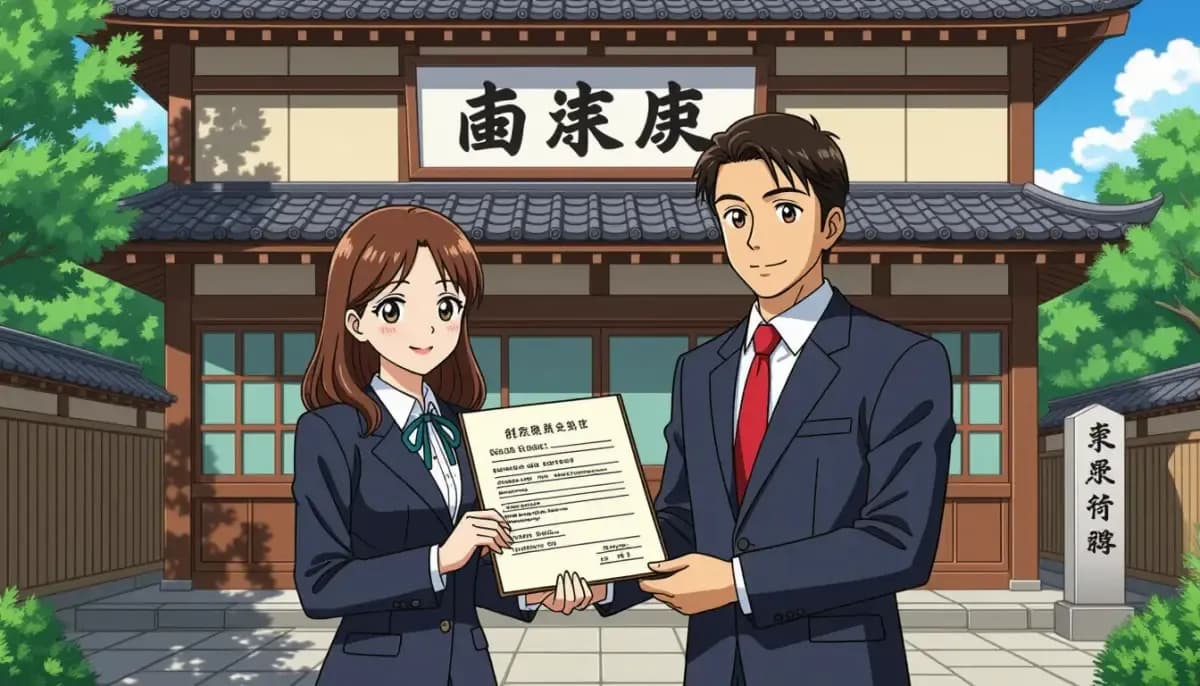
Learn how Japan's property registration system (touki seido) works. Covers the tokibo register, registration process, costs, 2024 mandatory changes, and rules for foreign and overseas buyers.
Japan Property Registration System (Touki Seido) Explained
When you purchase property in Japan, one of the most important legal steps is completing the property registration process — known in Japanese as touki seido (登記制度). This system officially records your ownership and protects your legal rights to the property. For foreign buyers, understanding how Japan's property registration system works is essential to ensuring your purchase is legally secure and properly documented.
This guide explains everything you need to know about the touki seido: what it is, how it works, the costs involved, and the important recent changes that affect foreign property owners.
What Is the Touki Seido (登記制度)?
The touki seido is Japan's official real estate registration system, administered by the Legal Affairs Bureau (法務局, Houmu-kyoku) under the Ministry of Justice. The word touki (登記) simply means "registration," while seido (制度) means "system."
All property ownership information in Japan is recorded in the tokibo (登記簿) — the real estate register. This public record documents who owns a property, its physical characteristics, and any encumbrances such as mortgages or easements. Anyone can access this information by submitting a request to the Legal Affairs Bureau or, in many cases, by using the online system.
The system has roots in the Meiji era, when Japan adopted continental European civil law principles to modernize its legal framework. Today, Japan's property registration operates under the Real Property Registration Act (不動産登記法), which governs how records are created, maintained, and updated.
Understanding this system is a critical part of the legal procedures and documentation for Japan property purchase process. If you're new to Japanese real estate, it's also worth reviewing the complete guide to buying property in Japan as a foreigner to understand the broader context.
Structure of the Tokibo (Property Register)
Each property in Japan has its own entry in the tokibo. This entry is divided into three main sections:
| Section | Japanese Name | What It Records |
|---|---|---|
| Title Section | 表題部 (Hyodaibu) | Physical details: location, land area, land category, building type, floor area, construction date |
| Rights Section A | 権利部 甲区 (Kouku) | Ownership history: current and past owners, seizure orders, ownership transfers |
| Rights Section B | 権利部 乙区 (Otsuiku) | Encumbrances: mortgages (hypothecation rights), easements, leasehold rights, other restrictions |
The Title Section tells you the facts about the physical property itself — how big it is, what type of land it is, and when the building was built.
Rights Section A (the "ko-ku" or "A section") is where ownership is recorded. When you buy property, your name gets entered here. This is the most important section for buyers to check before purchasing, as it shows any outstanding disputes or court orders.
Rights Section B (the "otsu-ku" or "B section") records financial encumbrances. If the previous owner had a mortgage, it would appear here. A clean otsuiku means no outstanding liens — always verify this before completing your purchase.
For a deeper look at the documentation you'll need during the transaction, see our guide on documents needed to buy property in Japan as a foreigner.
How the Registration Process Works
After your property purchase is complete, ownership transfer must be registered with the Legal Affairs Bureau. Here is how the process typically unfolds:
Step 1: Prepare the Required Documents
For a standard ownership transfer (所有権移転登記, shoyuken iten touki), you'll need:
- Seller's documents: Current registration certificate, registered seal (inkan shomeisho), and real estate certificate
- Buyer's documents: Personal seal registration certificate (印鑑証明書), identification, and address proof
- For foreign buyers: A notarized signature certificate (サイン証明書) or an affidavit, along with a certified translation if required
Foreign buyers who don't have a registered personal seal in Japan typically use a signature certificate issued by their home country's embassy or consulate in Japan, or a notarized affidavit.
Step 2: Engage a Judicial Scrivener (Shiho-shoshi)
While you can technically file the registration yourself, the vast majority of buyers in Japan hire a Judicial Scrivener (司法書士, Shiho-shoshi) to handle the paperwork. These licensed professionals specialize in legal document preparation and property registration.
Your real estate agent or bank will often recommend a specific judicial scrivener, or you can hire one independently. They will prepare all the documents, verify the seller's identity on the day of closing, and submit the registration application to the Legal Affairs Bureau.
Step 3: Submit the Application
The judicial scrivener submits the registration application (登記申請) to the appropriate Legal Affairs Bureau branch. Japan has numerous branches throughout the country, and each handles registrations within its jurisdiction.
Step 4: Examination and Completion
The Legal Affairs Bureau examines the submitted documents. The typical processing time is 1–2 weeks for document review, with total registration completion taking 2–3 weeks. Once approved, two items are issued:
- Registration Identification Notice (登記識別情報, touki shikibetsu joho) — a 12-digit code that serves as proof of ownership
- Certificate of Completion — confirming the registration was processed
The registration identification notice is extremely important. Treat it like a password — it proves you are the registered owner and is required for future transactions involving the property.
For a detailed explanation of what touki means and why it matters, see What is Toki (Real Estate Registration) in Japan? from Japan Real Estate resources.
For context on how registration fits into the full transaction timeline, see our guide on how long it takes to buy a house in Japan.
Costs of Property Registration in Japan
Registration involves several fees that foreign buyers should budget for. These costs are part of the hidden costs and fees when buying property in Japan that many first-time buyers overlook.
| Cost Item | Amount | Notes |
|---|---|---|
| Registration and License Tax (ownership transfer) | 2.0% of appraised value | Reduced to 1.5% for used homes until March 2026 |
| Registration and License Tax (new construction) | 0.4% of appraised value | Can be reduced for energy-efficient homes |
| Registration and License Tax (mortgage registration) | 0.4% of loan amount | If taking out a mortgage |
| Judicial Scrivener fee | ¥50,000–¥150,000 | Depends on property value and complexity |
| Certificate of Registered Matters | ¥600–¥1,000 per copy | For obtaining the tokibo extract |
Note that the appraised value (固定資産税評価額, kotei shisan zei hyoka-gaku) used for registration tax purposes is typically 60–70% of the market price, which means the actual tax burden is lower than it might first appear.
For a comprehensive breakdown of all purchase costs, see our guide on property taxes and annual costs of owning property in Japan.
Mandatory vs. Voluntary Registration: A Key Change in 2024
One of the most significant developments in Japan's property registration system came into effect in April 2024: the mandatory registration of inherited property.
Previously, registration in Japan was largely voluntary for most transaction types. This created a major systemic problem: many properties, particularly in rural areas, remained registered in the names of deceased owners for decades. According to research from the Tokyo Foundation, 63% of surveyed local governments reported problems identifying landowners, and in 16% of municipalities, property taxes were still being levied on deceased persons.
The government has now made several types of registration mandatory:
- Inheritance registration: Heirs must register ownership transfer within 3 years of inheriting property (or within 3 years from the date the law came into effect for previously unregistered inheritances)
- Building description registration: Registration of new building descriptions has always been mandatory
- Contact information registration for overseas owners: See the next section
Failure to comply with mandatory inheritance registration can result in fines of up to ¥10,000. This change represents a major shift in Japan's approach to land management and was driven by the country's "missing landowners" crisis.
New Rules for Foreign and Overseas Property Owners
If you are buying property in Japan as a non-resident or plan to return to your home country after purchasing, there are two critical recent changes you must know about.
Overseas Owner Contact Registration (Since April 2024)
Since April 1, 2024, overseas property owners who do not have a Japanese address must register the name and address of a contact person in Japan in the property register. This contact person (called 国内連絡先, kokunai renrakusaki) can be:
- An individual with a Japanese address (a friend, relative, or colleague)
- A corporation based in Japan (such as a real estate management company, law firm, or your judicial scrivener)
This requirement applies to new purchases and was introduced to help authorities contact foreign owners for administrative matters. If you don't yet have a suitable contact, the judicial scrivener who handled your purchase or a property management company can serve in this role.
Nationality Declaration Requirement (From Fiscal Year 2026)
Starting from April 1, 2026, Japan will require all property buyers to declare their nationality when registering ownership. This information will be stored in the government's real estate system and will be publicly accessible in the registry.
This change does not affect foreigners' right to buy property — Japan continues to allow foreign nationals to purchase real estate without restriction. The nationality disclosure is an administrative requirement driven by policy concerns about foreign investment patterns in Japanese real estate.
For more details on how residency and visa status interact with property ownership, see our visa and residency considerations for property buyers in Japan guide. You can also find additional information on Living in Nihon about navigating life and legal requirements in Japan as a foreigner.
How to Verify Property Registration (Tokibo Extract)
Before purchasing any property in Japan, you should obtain a copy of the current tokibo — called a Certificate of Registered Matters (登記事項証明書, touki jiko shomeisho). This document shows:
- Current registered owner
- Full property description (area, category, building specs)
- Any mortgages, liens, or encumbrances
- Ownership history
You can obtain this document in two ways:
- In person at the Legal Affairs Bureau: Costs ¥600 per document
- Online via the MOJ's online registration service: Available for ¥331–¥480 per document (PDF)
Always request a tokibo extract at the beginning of your due diligence process. Your real estate agent or judicial scrivener will also obtain this automatically during the transaction.
For more on how overseas property owners must register contact information, see this guide from Plaza Homes on the 2024 requirement.
For more guidance on working with professionals during the property purchase process, see our guide on working with Japanese real estate agents as a foreigner. The team at For Work in Japan also provides useful resources for foreigners navigating professional services in Japan.
Common Mistakes to Avoid
The touki seido is robust, but foreign buyers sometimes run into problems due to:
- Not verifying the tokibo before signing: Always check the register before agreeing to any transaction
- Assuming verbal agreements are binding: Only registered rights are legally protected
- Ignoring mortgages in Section B: Ensure all mortgages are cleared at settlement
- Losing the Registration Identification Notice: This 12-digit code is extremely difficult to replace and is required for future sales or mortgage applications
- Delaying contact person registration: Overseas buyers must register their Japanese contact promptly after purchase
For a broader look at pitfalls in Japan's real estate market, see our guide on common mistakes and scams to avoid when buying property in Japan.
The experts at Gaijin Buy House offer practical advice and resources specifically for foreign buyers navigating Japan's property market, including documentation and registration requirements.
The Touki System and Your Legal Protection
Japan's property registration system is one of the most important protections for property buyers. The fundamental legal principle is: only registered rights are enforceable against third parties. This means that if you purchase a property but fail to register it, a dishonest seller could theoretically sell the same property to someone else — and if that second buyer registers first, they would hold the legally recognized ownership.
This is why prompt registration through a qualified judicial scrivener on the day of closing is standard practice in Japan. Your judicial scrivener will typically accompany you to the closing, verify all documents, and file the registration application the same day to protect your rights.
With Japan's approximately 65.05 million housing units (as of October 2023) and an active real estate market, the touki system processes hundreds of thousands of transactions each year. The Legal Affairs Bureau's infrastructure, combined with mandatory professional involvement for complex transactions, makes Japan's property registration one of the most reliable in Asia.
Summary
Japan's touki seido provides a transparent, well-maintained system for recording property ownership. For foreign buyers, the key takeaways are:
- Register your ownership promptly through a licensed judicial scrivener
- Obtain a tokibo extract before every transaction to verify ownership and encumbrances
- Budget for registration costs: typically 2% registration tax plus ¥50,000–¥150,000 in professional fees
- Register a Japanese contact person if you are an overseas owner
- Be aware of the 2026 nationality declaration requirement — it doesn't affect your right to buy, but you must comply
- Keep your Registration Identification Notice safe — it's your proof of ownership
Understanding the registration system is a key step in any successful property transaction in Japan. For a complete picture of the legal process, see our step-by-step home buying process in Japan for foreigners.

Originally from Vietnam, living in Japan for 16+ years. Graduated from Nagoya University, with 11 years of professional experience at Japanese and international companies. Sharing information about buying property in Japan for foreigners.
View Profile →Related Articles

Notarization and Authentication of Foreign Documents for Japan Property
Learn how to notarize and authenticate foreign documents for buying property in Japan. Covers affidavits, apostilles, consular authentication, translation requirements, and step-by-step process for non-resident foreign buyers.
Read more →
Tax Representative Requirements for Non-Resident Property Owners in Japan
Learn about Japan's tax representative (納税管理人) requirements for non-resident property owners. Who needs one, how to appoint one, costs, and penalties for non-compliance.
Read more →
Anti-Money Laundering Regulations for Japan Property Purchases
Complete guide to Japan's AML regulations for foreign property buyers. Learn identity verification requirements, fund transfer thresholds, FEFTA obligations, and how to ensure smooth compliance when buying property in Japan.
Read more →
Understanding Japan Property Ownership Certificates
Everything foreigners need to know about Japan's touki (property ownership certificate) system: how to obtain records, registration costs, 2024 rule changes for foreign names, and the new 2026 certificate system.
Read more →
Land Survey and Boundary Confirmation in Japan
Complete guide to land survey and boundary confirmation (境界確認) in Japan for foreigners. Learn the 5-step process, costs (¥300K–¥1M), timelines, key professionals, and what to watch out for as a foreign buyer.
Read more →
Condominium Management Rules for Foreign Owners in Japan
A complete guide to Japan's condominium management rules for foreign owners: kanri kumiai membership, monthly fees, voting rights, 2026 law changes, and obligations for non-resident overseas investors.
Read more →