
How to Conduct a Property Title Search in Japan

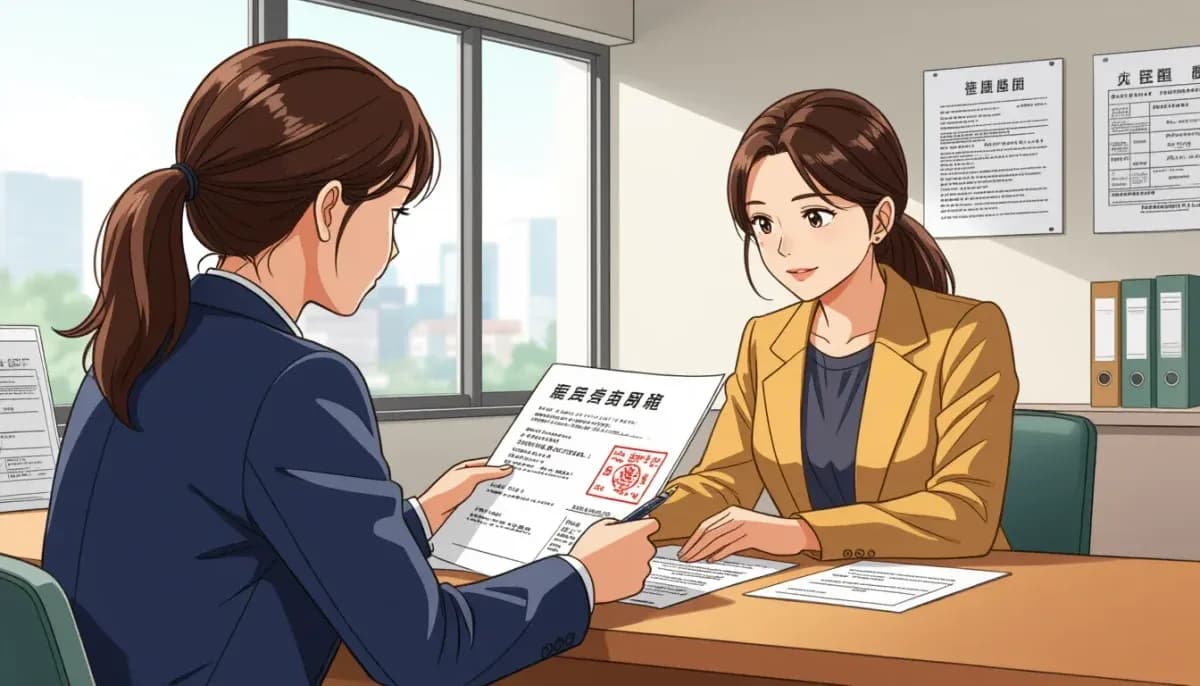
Learn how to conduct a property title search in Japan as a foreigner. Understand toki registration, access legal affairs bureau records, check for liens, and verify ownership before buying.
How to Conduct a Property Title Search in Japan: A Complete Guide for Foreigners
Buying property in Japan is an exciting milestone, but before you sign any contracts or transfer any funds, one essential step stands between you and a safe purchase: the property title search. Known in Japanese as toki chosa (登記調査), this process involves reviewing the official property registration records to verify ownership, check for encumbrances, and confirm the property's legal status.
For foreigners navigating Japan's real estate market, understanding how title searches work can mean the difference between a smooth transaction and a costly legal dispute. This guide walks you through everything you need to know about conducting a property title search in Japan, from the official registration system to what to look for in the documents.
What Is Japan's Property Registration System (Toki)?
Japan's property registration system, called toki (登記), is maintained by the Legal Affairs Bureau (法務局, Homukyoku) — a branch of the Ministry of Justice. Every piece of land and every building in Japan is assigned a registration record that documents its physical characteristics and legal ownership history.
The registration system is publicly accessible, meaning anyone — not just buyers or owners — can look up a property's registration details. This transparency is one of the system's greatest strengths for buyers.
Each registration record is divided into two main sections:
| Section | Japanese Term | What It Contains |
|---|---|---|
| Title Section | 表題部 (Hyodaibu) | Location, area (sq meters), property type, land use classification |
| Rights Section | 権利部 (Kenribu) | Owner name, registration date, purchase price, mortgages, liens, easements |
The Rights Section itself is further split into Part A (甲区) for ownership records and Part B (乙区) for encumbrances like mortgages and leasehold rights.
Understanding this structure will help you read a title certificate confidently when your agent or scrivener hands one over.
Why a Title Search Is Essential Before Buying
A title search is not just bureaucratic box-checking — it protects you from serious financial and legal risks. Here is why every buyer must conduct one before proceeding:
Verify the seller is the true owner. Japan's registration system records the legal owner's name. If the person claiming to sell the property is not registered as the owner, you could be dealing with fraud or an unresolved inheritance dispute.
Uncover hidden mortgages. Properties can have outstanding mortgages (抵当権, teitoken) that are not immediately disclosed. If you purchase a property with an unresolved mortgage and the seller defaults, you could lose the property to the bank.
Identify leasehold rights. Some properties are built on leased land (借地権, shakuchiken). The previous owner may have the right to use the land under a long-term lease, but you would not actually own the land itself. This significantly affects the property's value and resale potential.
Check for tax liens or court seizures. If the seller has unpaid taxes or is involved in legal proceedings, the property may be subject to forced seizure (差押, sashiosae). Buying such a property can put you in the middle of a legal dispute.
Confirm the boundaries match reality. The registered area should match the physical property. Discrepancies can arise from old surveys, and you need to know about them before negotiating price.
For a broader overview of the purchasing process, see our Step-by-Step Home Buying Process in Japan for Foreigners guide.
Types of Property Title Certificates
There are four types of certified title certificates (登記事項証明書, toki jikou shomeisho) available in Japan, depending on the type of property:
| Certificate Type | Japanese Name | Best For |
|---|---|---|
| Land Registry Certificate | 土地登記事項証明書 | Standalone land parcels |
| Building Registry Certificate | 建物登記事項証明書 | Standalone houses and buildings |
| Entire Building Registry | 建物全体登記事項証明書 | Entire condominium complexes |
| Condominium Unit Registry | 区分建物登記事項証明書 | Individual condominium units |
For most buyers purchasing a house, you will need both a Land Registry Certificate and a Building Registry Certificate. Condominium buyers need the Condominium Unit Registry, which covers their individual unit.
How to Access Property Registration Records
There are two ways to access property registration information in Japan:
Method 1: Legal Affairs Bureau (法務局)
The Legal Affairs Bureau is the official government office responsible for property registrations. You can obtain certified title certificates (which are legally valid for transactions) by:
- In-person visit at the local Legal Affairs Bureau office
- By mail using a request form
- Online through the Registry Information Online Application System (登記・供託オンライン申請システム)
The cost is ¥490–¥600 per certified certificate. For most property purchases, you will need at least two certificates (land and building), so budget around ¥1,200–¥1,500 for this step.
Certified certificates display an official government seal and are required for completing real estate transactions, bank loans, and legal proceedings.
Method 2: Online Registry Information Service (登記情報提供サービス)
The Registry Information Provision Service (available at fudeisan.com) is a private online service that allows you to view registration data digitally. It is useful for quick preliminary checks.
- Cost: ¥141 for ownership-only view; ¥361 for full view including maps
- Available weekdays 8:30 AM–11:00 PM and weekends/holidays 8:30 AM–6:00 PM
- Not legally certified — cannot be used for official transactions
Think of this service as a convenient screening tool. Once you identify a property worth pursuing seriously, obtain a certified certificate from the Legal Affairs Bureau.
For more on legal aspects of property purchase, see our guide on Legal Procedures and Documentation for Japan Property Purchase.
What to Look for During a Title Search
When you receive a title certificate, here is what to review carefully:
Ownership History
Trace the chain of ownership from the current registered owner back at least two or three transfers. Frequent changes of ownership over a short period can indicate a problem property. Confirm the current seller's name matches the registered owner exactly.
Encumbrances and Restrictions
This is the critical section. Look for:
- Mortgages (抵当権): If present, the seller must clear the mortgage at closing using the sale proceeds. Your judicial scrivener will coordinate this.
- Leasehold rights (借地権): Confirms whether the land is owned outright or held under a lease.
- Easements (地役権): Rights that allow a third party to use part of the property (e.g., access to a neighboring lot).
- Tax liens or court seizures (差押): Indicates unpaid taxes or legal action. Do not proceed without resolving these.
- Superficies (地上権): A right to use another person's land, which can complicate ownership.
Registered Area vs. Actual Area
Compare the registered land area and building footprint against the physical property measurements. In older properties especially, the registered size sometimes differs from reality due to old surveys. This should be flagged to your agent and resolved before signing contracts.
The Role of a Judicial Scrivener
In Japan, property registration changes are handled by a judicial scrivener (司法書士, shihoshoshi) — a licensed legal professional specializing in property registration. When you complete a purchase:
- The judicial scrivener prepares and submits all registration documents to the Legal Affairs Bureau
- Ownership is officially transferred from seller to buyer
- Any mortgages are discharged from the record
- Your name (and your domestic contact address if you are a non-resident) is entered into the registry
The fee for this service typically ranges from ¥80,000 to ¥200,000 depending on the property value and complexity. Additionally, you will pay a property registration tax (登録免許税) of 0.4% of the assessed property value for ownership transfer. Reduced rates (0.15%) apply to certain new homes and certified long-life housing.
If you are planning to take out a mortgage, the bank will appoint their own scrivener to register the mortgage lien at the same time.
For details on all the costs involved in purchasing Japanese real estate, see our guide on Hidden Costs and Fees When Buying Property in Japan.
New Rules for Foreign Buyers: What Changed in 2024 and 2026
Japan has introduced several changes to property registration rules that specifically affect foreign buyers:
2024: Roman Letter Name Registration
As of 2024, foreign nationals must register their names in uppercase Roman letters in addition to katakana or kanji transliterations. This change was introduced to make international property ownership more traceable. When working with your judicial scrivener, ensure your passport name is used exactly for the registration.
2025–2026: Nationality Declaration Requirement
Under amendments to the National Land Use Planning Act:
- From July 1, 2025: Foreigners purchasing large-scale land (200+ square meters) in certain sensitive areas must declare their nationality
- From April 2026: ALL real estate transactions require nationality declaration during the registration process
This does not restrict foreigners from buying property — Japan continues to allow foreigners equal ownership rights with no citizenship or residency requirement. The declaration is administrative, aimed at improving transparency in Japan's real estate market.
Non-Resident Buyers: Additional Requirements
If you are purchasing property while living overseas (not a Japan resident), you must also:
- Register a domestic contact address (国内連絡先住所) in Japan — this can be your lawyer or judicial scrivener's office address
- Report the purchase to the Bank of Japan within 20 days under the Foreign Exchange and Foreign Trade Control Act (外為法) if the transaction meets certain thresholds
Your judicial scrivener can guide you through both requirements.
For more on residency requirements related to property, see our Visa and Residency Considerations for Property Buyers in Japan guide.
Step-by-Step Guide: Conducting Your Own Title Search
While your real estate agent or judicial scrivener will typically handle the formal title search, understanding how to do it yourself gives you an extra layer of protection. Here is the process:
Step 1: Identify the Property Location Details Obtain the property address and, if possible, the land parcel number (地番, chiban) and building number (家屋番号, kaoku bango) from the seller or listing agent. Note that Japan's address system uses different numbers for postal addresses versus legal parcel numbers.
Step 2: Choose Your Access Method For a quick preliminary check, use the online Registry Information Service. For certified documents needed in an actual transaction, visit or contact your local Legal Affairs Bureau.
Step 3: Request the Relevant Certificates Specify whether you need a land certificate, building certificate, or both. Bring identification for in-person visits. For online applications, you will need a user registration.
Step 4: Review the Documents Read through the Title Section and Rights Section carefully. Check ownership, encumbrances, and registered measurements.
Step 5: Flag Any Issues If you spot mortgages, liens, or discrepancies, bring them to your real estate agent and judicial scrivener immediately. These must be resolved or clarified before you sign a purchase and sale agreement.
For a comprehensive walkthrough of the full home buying journey, the Complete Guide to Buying Property in Japan as a Foreigner is an excellent starting point.
External Resources for Property Title Research
Several reputable resources provide additional information on Japan's property registration system:
- Real Estate Japan — What is Toki (Real Estate Registration)? — A detailed overview of the registration system
- Japan Business Platform — How to Search Toki Information — Practical guide to accessing registry data
- Japan Legal Direct — What is a Land Registry? — Legal perspective from an English-language law firm in Japan
- Living in Nihon — Buying Property & Mortgage Guide — Comprehensive guide covering the full purchase process including documentation
- Gaijin Buy House — Joint Property Ownership for Foreigners — Specific guide on ownership registration for foreign buyers, including joint purchases
- Gaijin Buy House — Future Foreign Property Regulations 2026 — Latest information on upcoming regulatory changes
- For Work in Japan — Resources for foreigners navigating life in Japan, including legal and financial topics
Summary: Property Title Search Checklist for Foreign Buyers
| Task | Who Handles It | Cost |
|---|---|---|
| Obtain registration certificate (land) | Buyer / Agent / Scrivener | ¥490–¥600 |
| Obtain registration certificate (building) | Buyer / Agent / Scrivener | ¥490–¥600 |
| Verify owner name matches seller | Buyer / Scrivener | Included in scrivener fee |
| Check for mortgages and liens | Buyer / Scrivener | Included in scrivener fee |
| Check for leasehold rights | Buyer / Scrivener | Included in scrivener fee |
| Confirm registered area vs actual area | Buyer / Surveyor | May require separate survey |
| Register ownership transfer (after purchase) | Judicial Scrivener | ¥80,000–¥200,000 |
| Pay registration tax | Buyer | 0.4% of assessed value |
| Declare nationality (from 2026) | Buyer (via scrivener) | Included in scrivener fee |
| Register domestic contact (non-residents) | Buyer (via scrivener) | Included in scrivener fee |
A thorough property title search is one of the most important steps in buying real estate in Japan. Whether you conduct the initial checks yourself using the online registration service or rely on your judicial scrivener for the full verification, make sure this step is never skipped. The small cost of obtaining certified certificates is minimal compared to the financial risk of purchasing a property with hidden encumbrances or unresolved ownership issues.
With Japan's transparent registration system and the support of qualified professionals, foreign buyers can navigate the title search process with confidence.

Originally from Vietnam, living in Japan for 16+ years. Graduated from Nagoya University, with 11 years of professional experience at Japanese and international companies. Sharing information about buying property in Japan for foreigners.
View Profile →Related Articles

Notarization and Authentication of Foreign Documents for Japan Property
Learn how to notarize and authenticate foreign documents for buying property in Japan. Covers affidavits, apostilles, consular authentication, translation requirements, and step-by-step process for non-resident foreign buyers.
Read more →
Tax Representative Requirements for Non-Resident Property Owners in Japan
Learn about Japan's tax representative (納税管理人) requirements for non-resident property owners. Who needs one, how to appoint one, costs, and penalties for non-compliance.
Read more →
Anti-Money Laundering Regulations for Japan Property Purchases
Complete guide to Japan's AML regulations for foreign property buyers. Learn identity verification requirements, fund transfer thresholds, FEFTA obligations, and how to ensure smooth compliance when buying property in Japan.
Read more →
Understanding Japan Property Ownership Certificates
Everything foreigners need to know about Japan's touki (property ownership certificate) system: how to obtain records, registration costs, 2024 rule changes for foreign names, and the new 2026 certificate system.
Read more →
Land Survey and Boundary Confirmation in Japan
Complete guide to land survey and boundary confirmation (境界確認) in Japan for foreigners. Learn the 5-step process, costs (¥300K–¥1M), timelines, key professionals, and what to watch out for as a foreign buyer.
Read more →
Condominium Management Rules for Foreign Owners in Japan
A complete guide to Japan's condominium management rules for foreign owners: kanri kumiai membership, monthly fees, voting rights, 2026 law changes, and obligations for non-resident overseas investors.
Read more →