
How to Check for Liens and Encumbrances on Japan Property

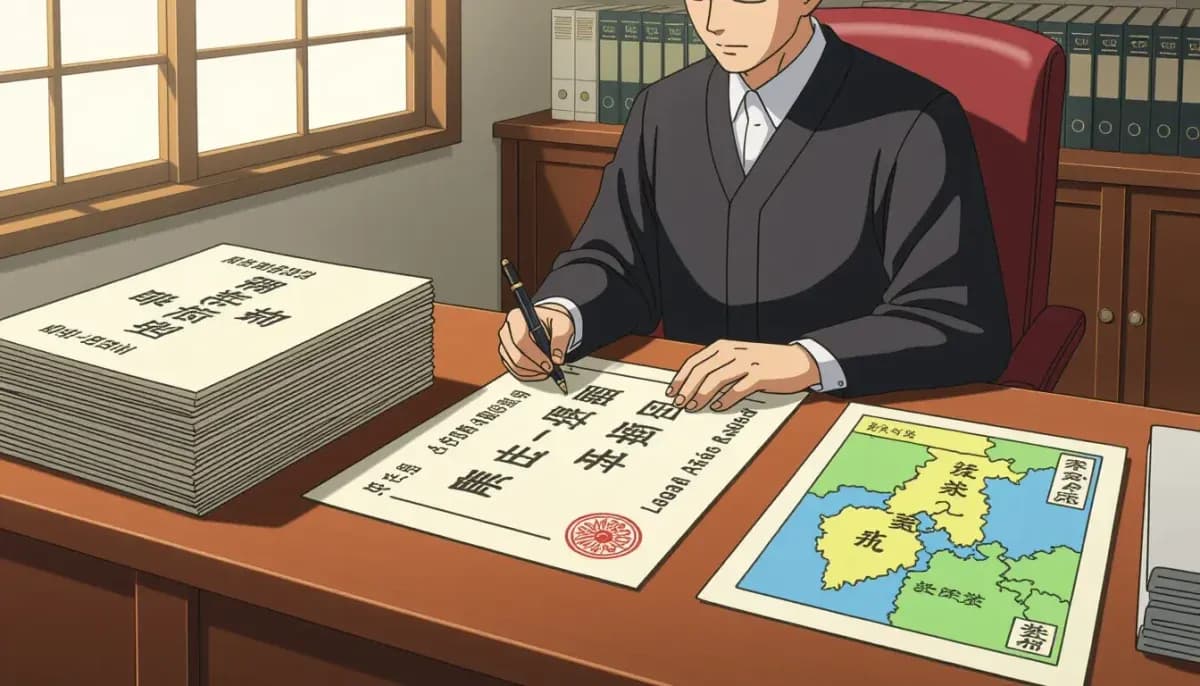
Learn how to check for liens and encumbrances on Japan property. Step-by-step guide to reading the touki jiko shomeisho, understanding the legal registry, and protecting your investment as a foreign buyer.
How to Check for Liens and Encumbrances on Japan Property
Purchasing property in Japan is a significant investment, and one of the most critical steps in your due diligence is verifying that the property is free of hidden legal burdens. Liens and encumbrances — such as mortgages, legal claims, easements, and usage restrictions — can dramatically affect both your ability to use the property freely and its future resale value. Fortunately, Japan has a robust and transparent property registry system that allows anyone, including foreign buyers, to access this information.
This guide explains exactly how to check for liens and encumbrances on Japan property, what documents to request, how to interpret them, and what red flags to watch for before you sign any contract.
Understanding Japan's Property Registry System (Toki / 登記)
Japan's property registration system, known as toki (登記), is managed by the Legal Affairs Bureau (Hōmukyoku / 法務局), a division of the Ministry of Justice. Every piece of land and building in Japan is recorded in the tokibo (登記簿 — real estate register), which is a public record.
The tokibo is divided into two main sections:
| Section | Japanese Term | What It Contains |
|---|---|---|
| Title Section | 表題部 (hyodai-bu) | Property characteristics: location, land size, building footprint, structure type, construction date |
| Rights Section | 権利部 (kenri-bu) | Ownership details, mortgages, liens, easements, superficies rights, pledges |
The Rights Section is further split into Part A (甲区) — which records ownership history — and Part B (乙区) — which records all encumbrances, including mortgages, leases, and other third-party rights.
For foreigners buying property in Japan, it is essential to understand that you have identical rights to Japanese nationals when it comes to requesting and reviewing registry records. No visa, residency, or special permission is required to conduct a title search.
For a broader overview of your legal rights as a foreign buyer, see Can Foreigners Buy Property in Japan? Legal Rights and Restrictions.
The Key Document: Touki Jiko Shomeisho (登記事項証明書)
The primary document for verifying liens and encumbrances is the touki jiko shomeisho (登記事項証明書), also known as the tōhon (謄本) or certified copy of the registry. This official document is issued by the Legal Affairs Bureau and contains the full, up-to-date record of the property.
What the touki jiko shomeisho reveals:
- Current owner's name and registered address
- Date of acquisition and method (purchase, inheritance, gift)
- All registered mortgages, including lender name and loan amount
- Liens, judicial attachment orders, and provisional dispositions
- Easements, rights of way, and superficies rights
- Leasehold interests (chishakuken or shakuchiken)
- Any court-ordered restrictions on disposal
How to obtain it:
- At the Legal Affairs Bureau: Visit the nearest bureau (hōmukyoku) in person. Bring the property address or the land parcel number (chiban). Cost: approximately ¥480–600 per document.
- Online via the Registry Information Service (登記情報提供サービス): Access the online system at legally-registered service points. A non-certified digital copy costs approximately ¥334. Note: the online version is informational — for legal purposes, request the certified paper version.
- Through your judicial scrivener or real estate agent: Your shihoshoshi (司法書士 — judicial scrivener) can request and interpret the document on your behalf, which is the standard practice in Japanese real estate transactions.
For more on the legal framework of Japanese property transactions, Japan Legal Direct's registry guide provides an excellent English-language overview.
Step-by-Step: How to Check for Liens Before Buying
Here is the practical process for conducting a lien and encumbrance check on any Japan property:
Step 1: Obtain the Property's Land Parcel Number (Chiban)
Before you can request the registry, you need the property's official address or the chiban (地番) — Japan's land parcel numbering system, which is different from the postal address. Your real estate agent should provide this.
Step 2: Request the Touki Jiko Shomeisho
Request a certified copy from the Legal Affairs Bureau or ask your judicial scrivener to do so. Make sure to request copies for both the land (土地) and the building (建物) separately, as they are registered independently in Japan.
Step 3: Review Part B (乙区) of the Rights Section
This is where all encumbrances are listed. Look for:
- Teito-ken (抵当権): Mortgage — the most common encumbrance. Check whether the lender will release it upon sale.
- Nessen Teito-ken (根抵当権): Revolving mortgage — a lien that can be redrawn and may be harder to discharge.
- Chishakuken (地上権/地借権): Superficies or leasehold rights — a third party's right to use the land.
- Sashiosae (差押え): Judicial attachment — a court-ordered freeze on the property, typically due to unpaid debts.
- Karisashiosae (仮差押え): Provisional attachment — a temporary court order during litigation.
- Chieki-ken (地役権): Easement — a right for neighboring land to use part of this property (e.g., for access or utilities).
Step 4: Cross-Reference with the Statement of Important Matters (重要事項説明書)
Japanese law requires that any licensed real estate agent provide and personally explain the juyo jiko setsumeisho (重要事項説明書 — Statement of Important Matters) to the buyer before the sales contract is signed. This document must disclose:
- All registered encumbrances
- Zoning restrictions and land use classifications
- Known structural defects or contamination history
- Urban planning restrictions
This is your agent's legal obligation. If an agent fails to disclose a known encumbrance, they can face license revocation and civil liability. Use this document alongside the touki jiko shomeisho to cross-check that nothing is omitted.
Learn more about the full legal transaction process in our guide on Legal Procedures and Documentation for Japan Property Purchase.
Red Flags: When to Walk Away
Not all liens and encumbrances are dealbreakers, but some require extreme caution:
| Red Flag | Risk Level | Action |
|---|---|---|
| Unresolved mortgage with no discharge plan | High | Do not proceed until seller provides written payoff commitment |
| Judicial attachment (sashiosae) | Very High | Property may be subject to forced sale — consult a lawyer |
| Provisional disposition (kari-shobun) | Very High | Active litigation — avoid until resolved |
| Revolving mortgage (nessen teito-ken) | High | Requires lender consent to close — verify with lender |
| Undisclosed easement restricting building | Medium | Assess impact on your intended use |
| Ownership unchanged since Meiji era | Medium-High | Title may have gaps — hire specialist for deep history check |
| Multiple sequential ownership changes | Medium | Check for inheritance disputes or forced sales |
Always re-verify the touki jiko shomeisho within 30 days of your planned closing date. New encumbrances — such as a lender placing an attachment due to the seller's debts — can be registered quickly and would not appear on a copy you obtained months earlier.
The Role of a Judicial Scrivener (Shihoshoshi)
In Japanese property transactions, a judicial scrivener (司法書士 — shihoshoshi) is typically engaged to verify the registry contents and handle the formal ownership transfer registration. They are licensed legal professionals whose role is to:
- Verify the seller's identity and title on closing day
- Confirm all encumbrances have been discharged before funds transfer
- Prepare and file the ownership transfer registration
- Liaise with any lenders to arrange simultaneous mortgage discharge and fund release
The shihoshoshi's fee typically ranges from ¥80,000 to ¥200,000 depending on the property value and complexity. This is money well spent — they serve as the critical safeguard ensuring the property is transferred to you free and clear of undisclosed liens.
For a deeper look at the overall buying process, see our Step-by-Step Home Buying Process in Japan for Foreigners.
Understanding Costs: Registration and Transfer Taxes
When the property is transferred to you, ownership must be formally registered at the Legal Affairs Bureau. As of April 2024, new rules also require that inheritance-based ownership changes be registered — previously this was voluntary and created widespread title ambiguity.
| Cost Item | Rate / Amount |
|---|---|
| Registration tax (ownership transfer) | 0.4% of assessed value (fixed-asset tax valuation) |
| Registration tax (new mortgage) | 0.1% of loan amount (reduced rate for primary residence) |
| Judicial scrivener fee | ¥80,000–¥200,000 (typical range) |
| Touki jiko shomeisho (per document) | ¥480–600 at bureau; ¥334 online |
| Legal Affairs Bureau stamp duty | Included in registration tax |
Example: For a ¥40,000,000 property with assessed value of ¥20,000,000, registration tax would be approximately ¥80,000, plus the shihoshoshi's fees.
For a full breakdown of all purchase costs, including agent commissions and notary fees, see our guide on Hidden Costs and Fees When Buying Property in Japan.
Additional Resources for Foreign Buyers
When conducting due diligence on Japanese property, several English-language resources can help you navigate the process:
- Living in Nihon — Comprehensive resources for foreigners living in Japan, including guidance on legal and property matters.
- For Work in Japan — Practical information for foreign residents, including financial and legal topics relevant to property buyers.
- Gaijin Buy House — Dedicated resource for foreigners buying property in Japan, with guides on the purchase process and legal procedures.
- Japan Legal Direct — Property Registry Guide — An authoritative English-language explanation of Japan's land registry system from a practicing law firm.
- Realestate.co.jp — What is Toki? — A clear, practical guide to Japan's real estate registration system for international buyers.
Summary: Your Lien Check Checklist
Before signing any purchase agreement in Japan, complete this checklist:
- [ ] Obtain the touki jiko shomeisho for both the land and building
- [ ] Review Part B (乙区) for mortgages, attachments, and easements
- [ ] Receive and review the juyo jiko setsumeisho from your agent
- [ ] Engage a judicial scrivener (shihoshoshi) to verify title on closing day
- [ ] Re-verify the registry within 30 days of closing
- [ ] Confirm any existing mortgage discharge plan in writing from the seller
- [ ] Check ownership history for the past 10–20 years (longer for rural or older properties)
- [ ] Ensure all encumbrances are formally discharged before funds are transferred
Checking for liens and encumbrances may feel complex, but Japan's registry system is well-organized and highly transparent. With the right professionals by your side and an understanding of the key documents, you can complete your due diligence with confidence and protect your investment from the start.

Originally from Vietnam, living in Japan for 16+ years. Graduated from Nagoya University, with 11 years of professional experience at Japanese and international companies. Sharing information about buying property in Japan for foreigners.
View Profile →Related Articles

Notarization and Authentication of Foreign Documents for Japan Property
Learn how to notarize and authenticate foreign documents for buying property in Japan. Covers affidavits, apostilles, consular authentication, translation requirements, and step-by-step process for non-resident foreign buyers.
Read more →
Tax Representative Requirements for Non-Resident Property Owners in Japan
Learn about Japan's tax representative (納税管理人) requirements for non-resident property owners. Who needs one, how to appoint one, costs, and penalties for non-compliance.
Read more →
Anti-Money Laundering Regulations for Japan Property Purchases
Complete guide to Japan's AML regulations for foreign property buyers. Learn identity verification requirements, fund transfer thresholds, FEFTA obligations, and how to ensure smooth compliance when buying property in Japan.
Read more →
Understanding Japan Property Ownership Certificates
Everything foreigners need to know about Japan's touki (property ownership certificate) system: how to obtain records, registration costs, 2024 rule changes for foreign names, and the new 2026 certificate system.
Read more →
Land Survey and Boundary Confirmation in Japan
Complete guide to land survey and boundary confirmation (境界確認) in Japan for foreigners. Learn the 5-step process, costs (¥300K–¥1M), timelines, key professionals, and what to watch out for as a foreign buyer.
Read more →
Condominium Management Rules for Foreign Owners in Japan
A complete guide to Japan's condominium management rules for foreign owners: kanri kumiai membership, monthly fees, voting rights, 2026 law changes, and obligations for non-resident overseas investors.
Read more →